The Met Office Space Weather Operations Centre has issued a minor geomagnetic storm watch. High-latitude Britain is the place to look. Full story
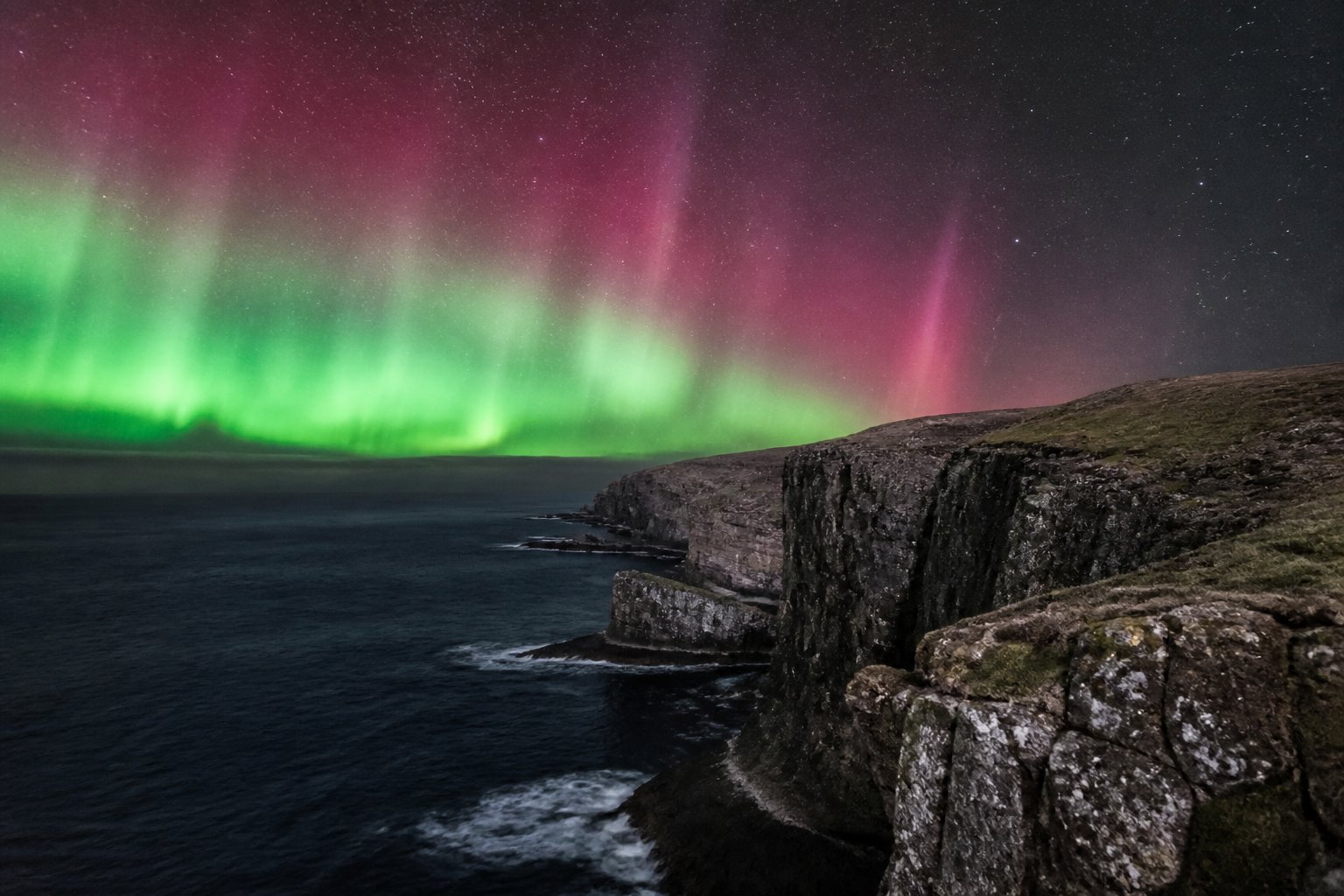
Green curtains over Shetland are the most likely UK sight on a G1 night.



Solar wind
speed: 412.0 km/secdensity: 6.8 protons/cm3 more data: Met Office, DSCOVR Updated: Today at 0912 UT 
X-ray Solar Flares
6-hr max: C3 0441 UT [[monthName]] [[day]]24-hr: M1 2118 UT explanation | more data Updated: Today at 0930 UT
Daily Sun: [[day]] [[monthName]] [[year]]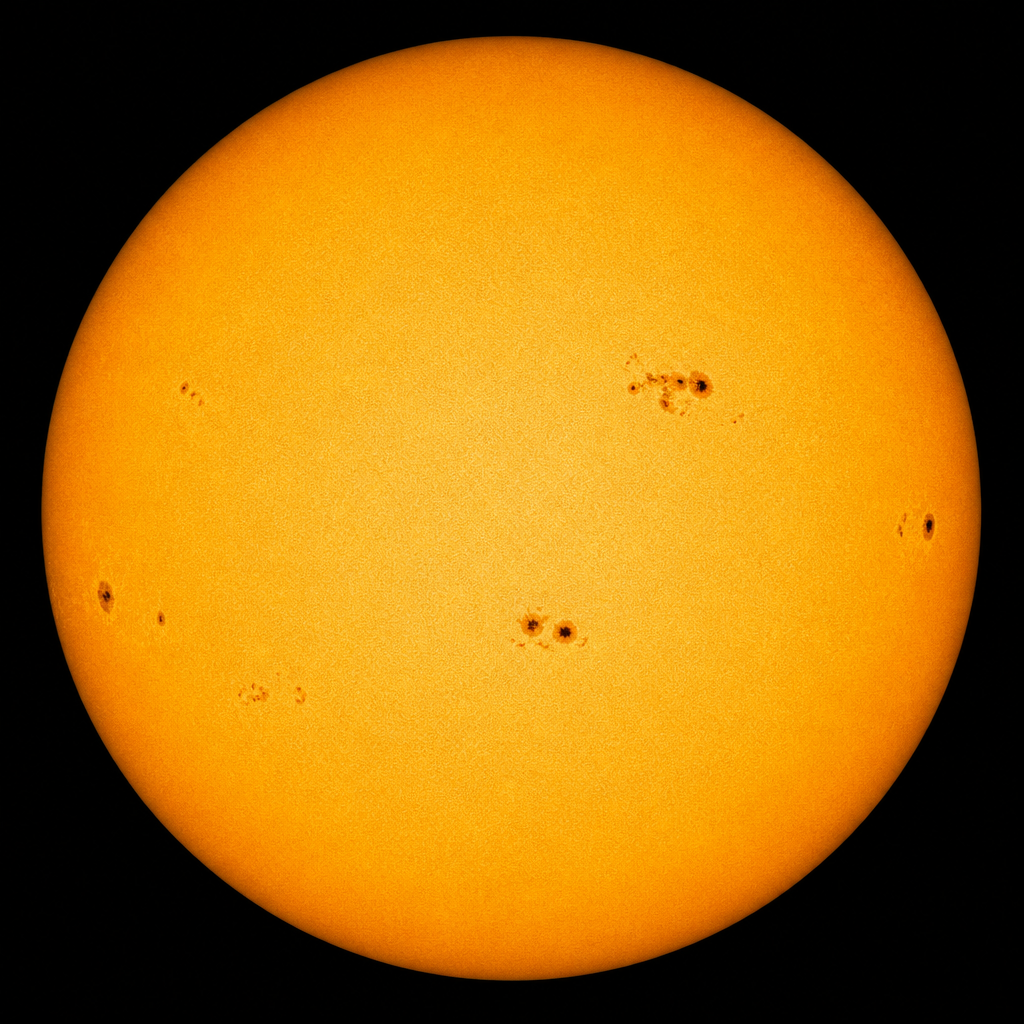 Sunspot groups on the Earth-facing disk carry mixed polarity capable of M-class flares. Credit: illustration for Scienception based on typical SDO/HMI appearance.
Sunspot number: 91 What is the sunspot number? Updated [[day]] [[monthName]] [[year]]  Current Auroral Oval:
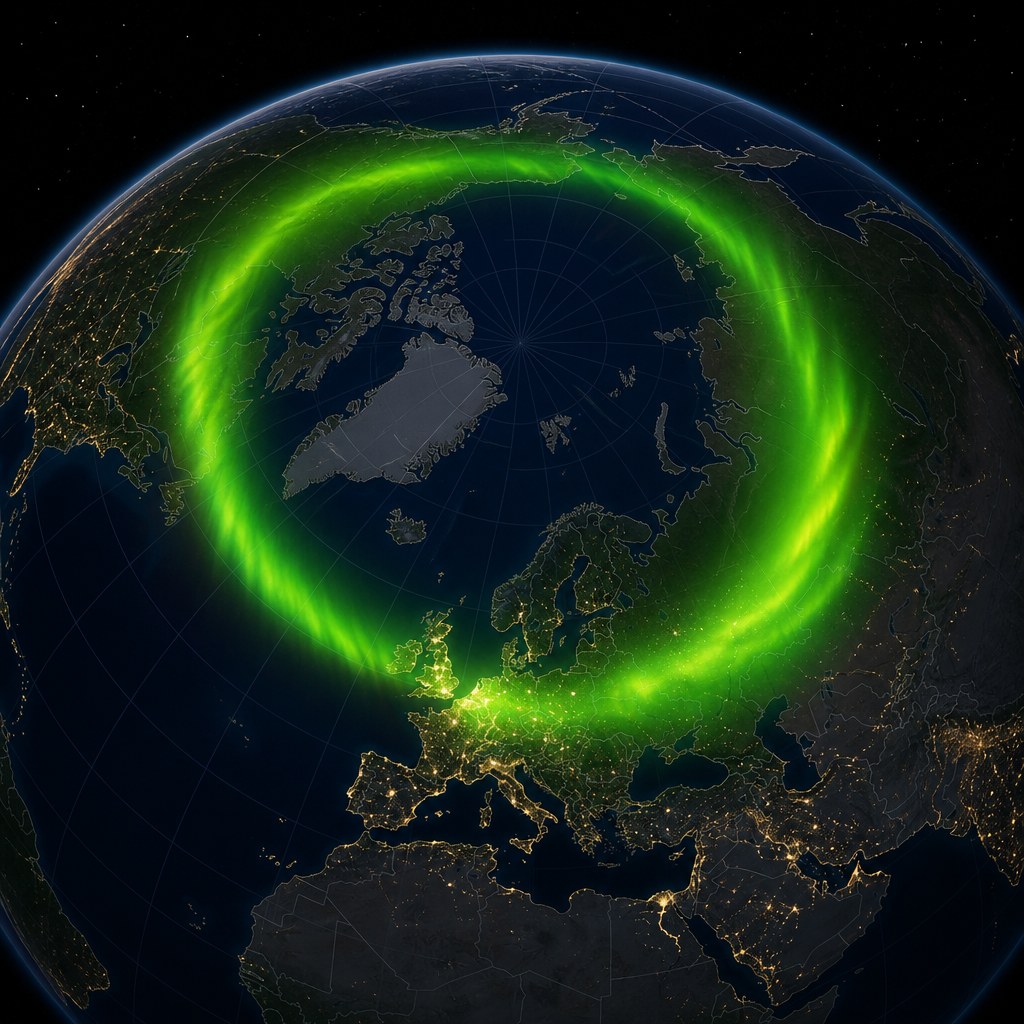 Credit: oval visualisation for Scienception. See also AuroraWatch UK
Planetary K-index
Now: Kp= 2.00 quiet24-hr max: Kp= 3.33 unsettled explanation | BGS data
Interplanetary Mag. Field
Btotal: 6.1 nTBz: -2.4 nT south more data: MOSWOC Updated: Today at 0928 UT
Coronal Holes: [[day]] [[monthName]] [[year]]
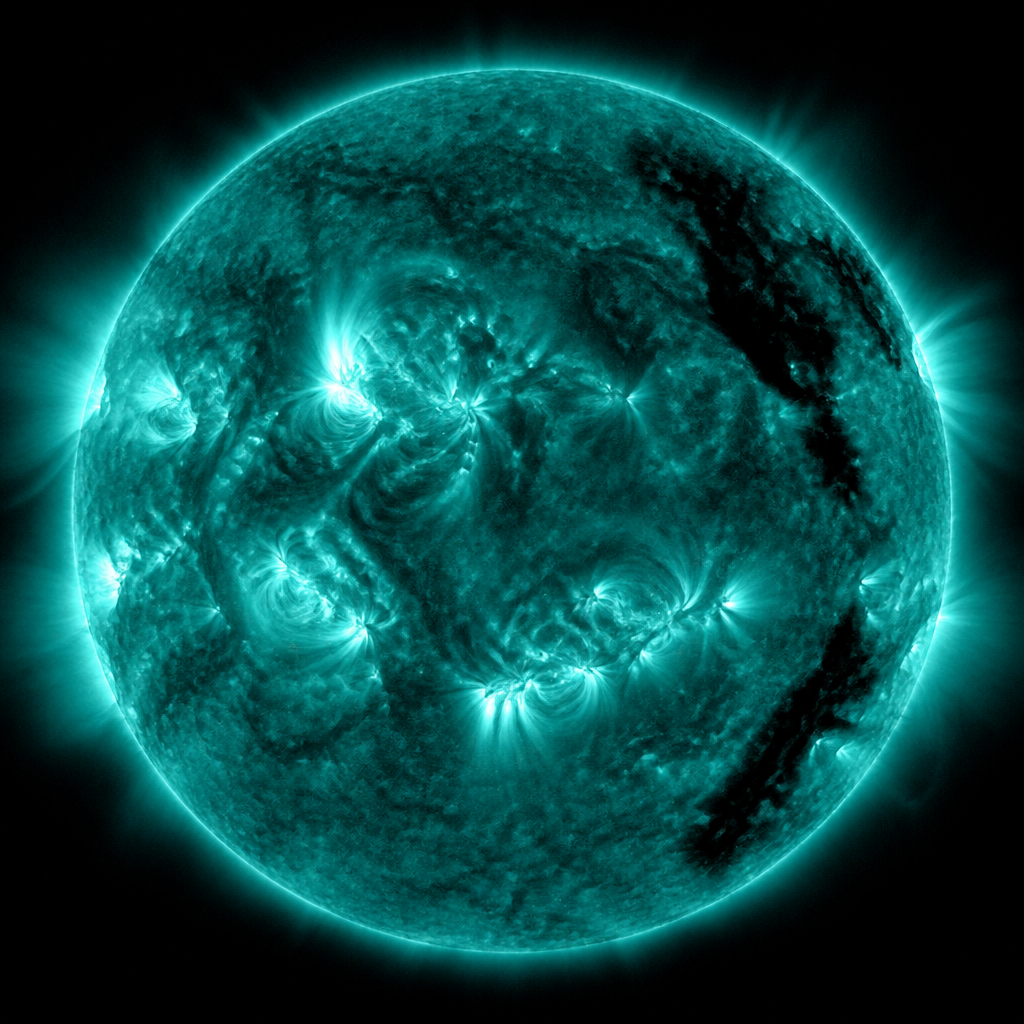 Solar wind from the marked coronal hole is expected to reach Earth in 2–3 days. Credit: illustration for Scienception.
SIDC | more
Spotless Days
Current stretch: 0 days[[year]] total: 2 days (<1%) 2025 total: 0 days (0%) 2024 total: 0 days (0%) Updated [[day]] [[monthName]] [[year]]
The Radio Sun
10.7 cm flux: 132 sfuexplanation | more data Updated [[day]] [[monthName]] [[year]]

SPACE WEATHER
Guidance styled after Met Office MOSWOC products. Updated [[day]] [[monthName]] [[year]] 0000 UTC
UK Forecasts
Mid-latitudes (England, Wales)
|
Monday, [[monthName]]. [[day]], [[year]]

Scienception is a United Kingdom science newsroom covering the Sun, the ionosphere, the grid and the laboratories that measure them. We do not run a newsletter or a contact form. Corrections: info@scienception.com.
GEOMAGNETIC STORM WATCH:
The Met Office Space Weather Operations Centre has issued a minor geomagnetic storm watch. High-latitude Britain is the place to look. Full story
Green curtains over Shetland are the most likely UK sight on a G1 night.
SMILE MISSION:
The ESA-CAS SMILE mission, with a major UCL Mullard Space Science Laboratory role, is built to image the magnetopause rather than guess it from a few in-situ points. Full story 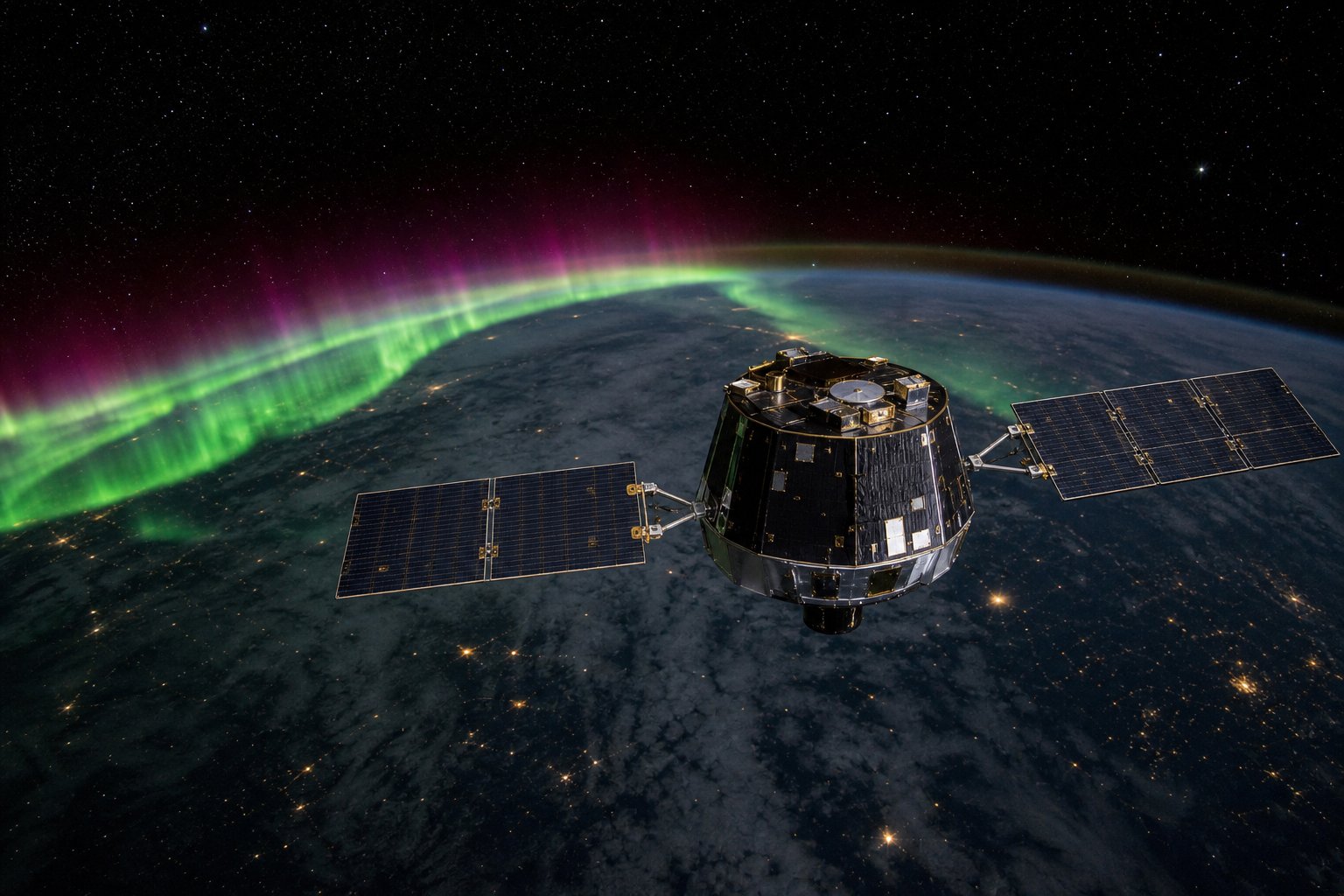
A wide-angle magnetospheric imager is how you stop arguing from a single L1 time series.
NIGHT-SHINING CLOUDS:
Electric-blue clouds at the edge of space are a mesosphere story. High-latitude Britain still gets the best seats after midnight in high summer. Full story 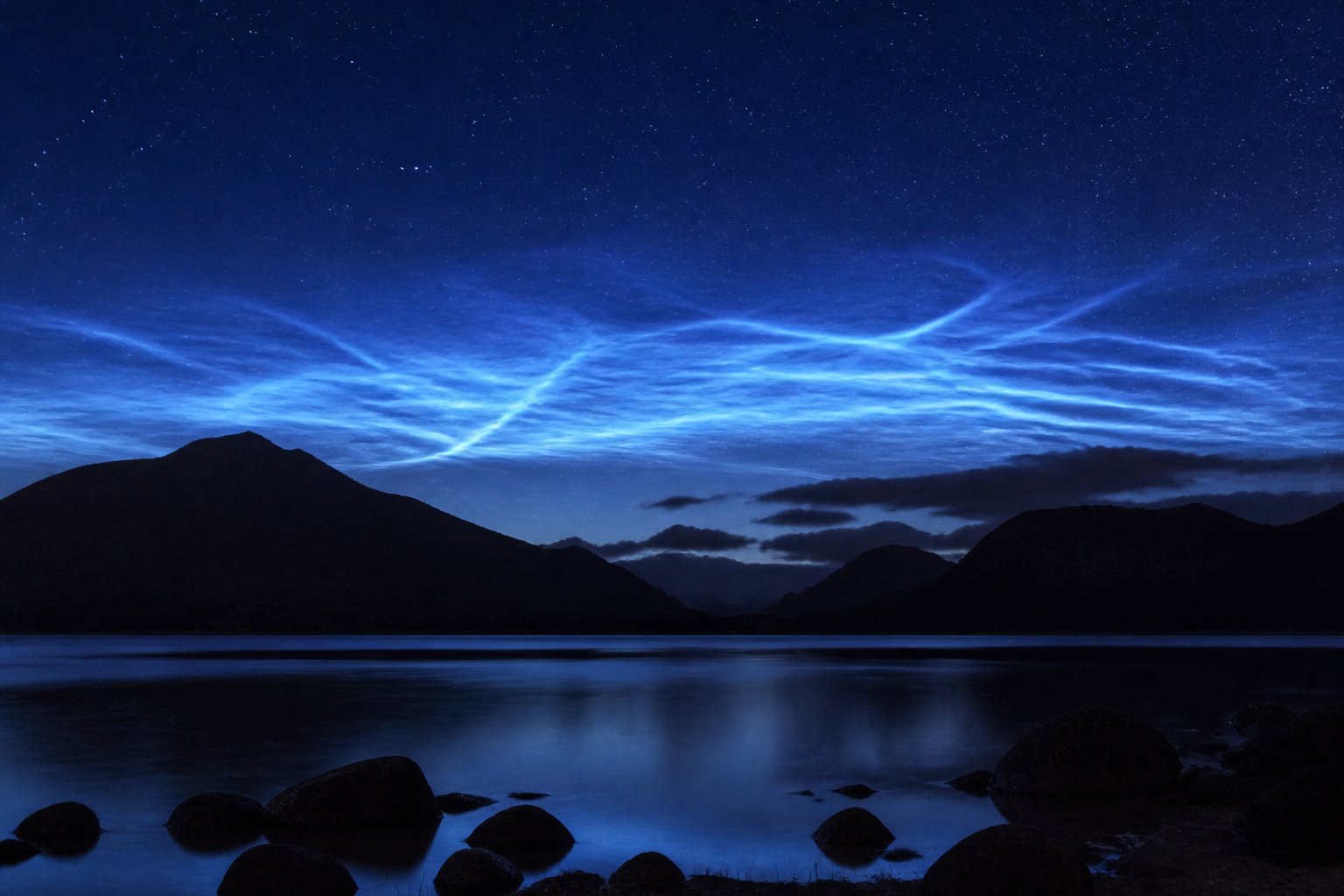
NLCs are ice at 80 kilometres, lit after the ground is dark. Scotland is where Britain still sees them cleanly.
JUICE AT JUPITER:
ESA's Jupiter Icy Moons Explorer is a planetary spectacular. The UK story is the instruments that have to work inside a giant magnetosphere that makes Earth's look polite. Full story 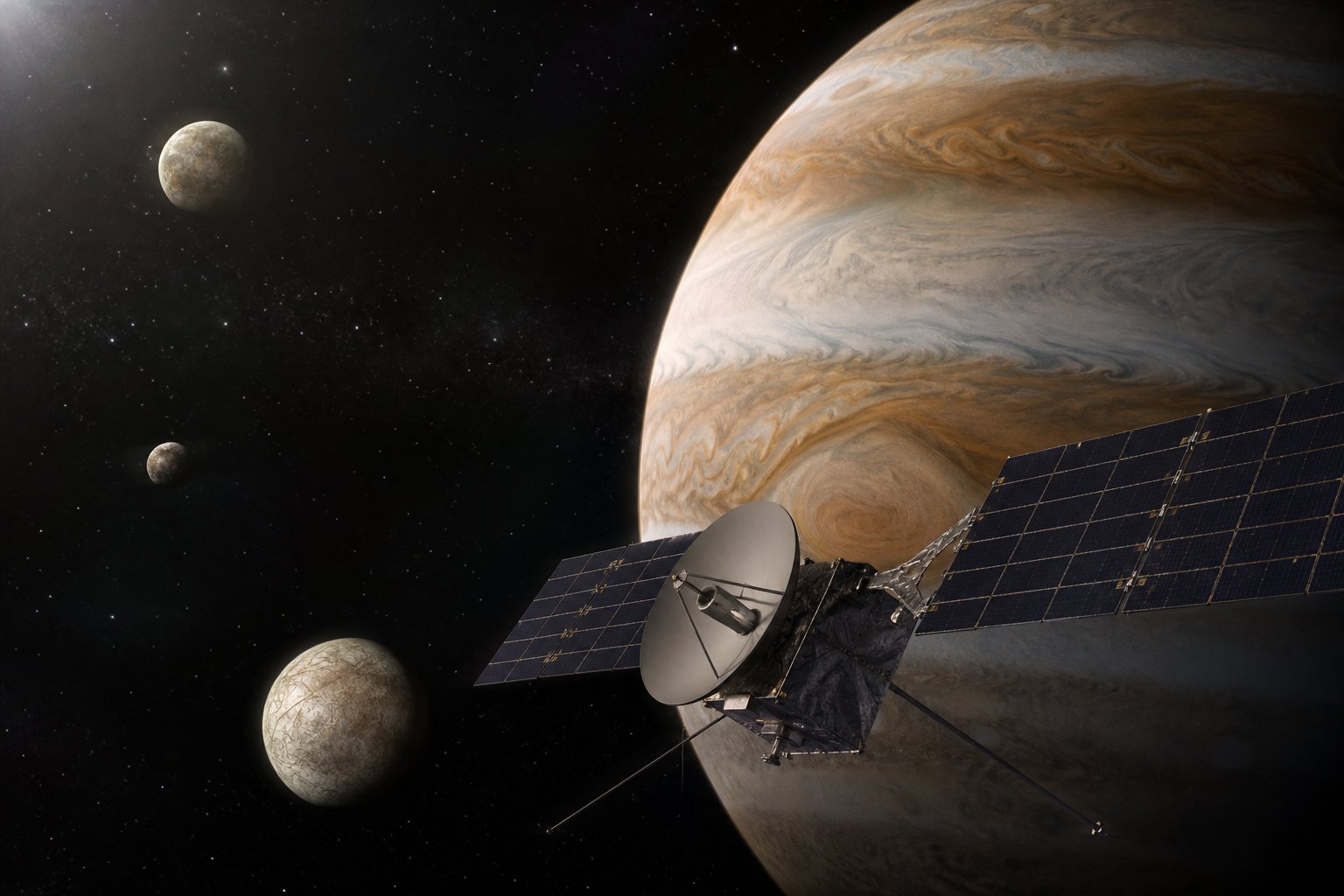
A cruise to Jupiter is a radiation and plasma exam before it is a postcard of the Great Red Spot.
GRID CURRENTS:
Geomagnetically induced currents are a National Grid planning problem. The British Geological Survey's observatory network is how Britain actually sees them coming. Full story 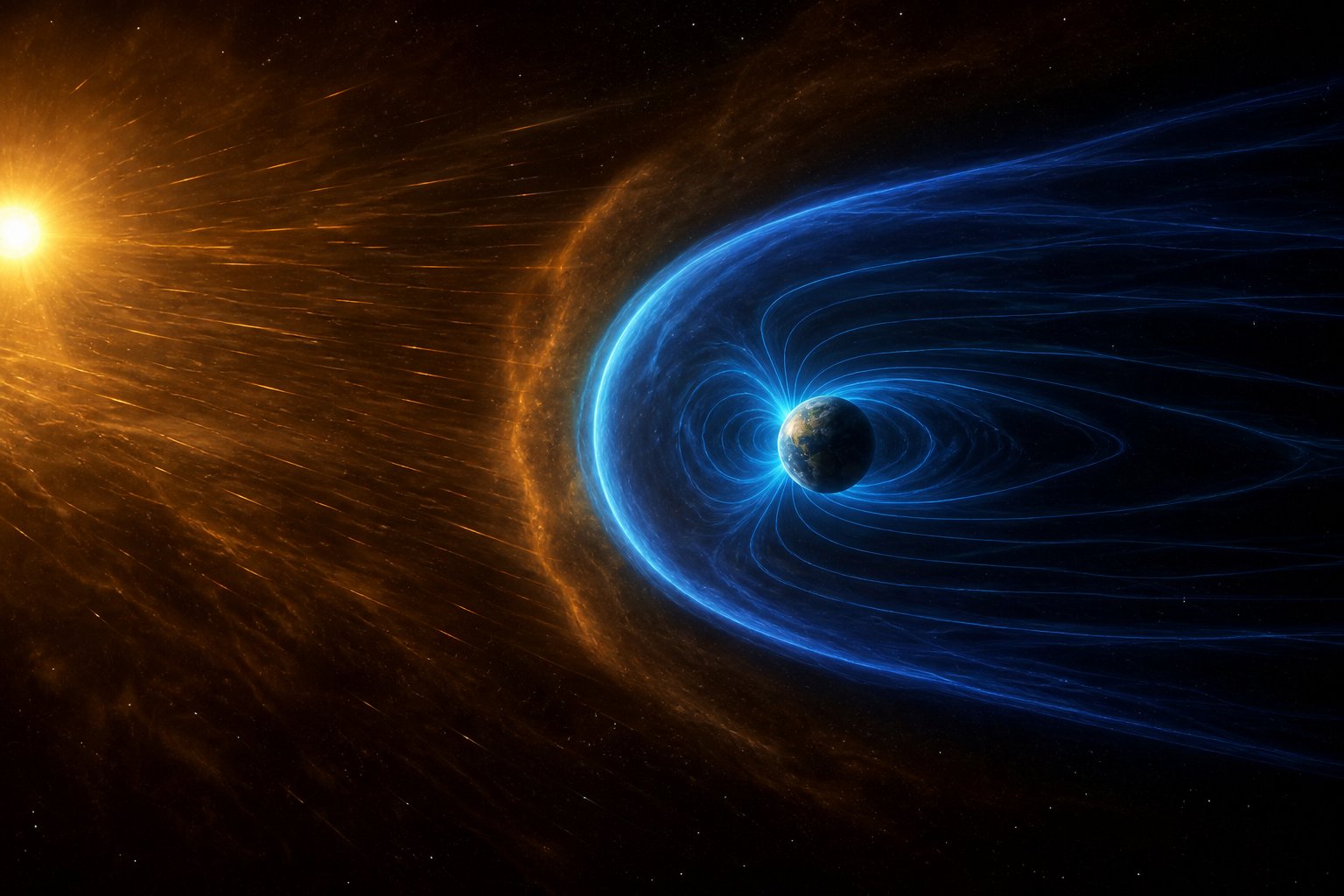
The magnetosphere is the system BGS magnetometers are sampling from the ground.
FORBUSH DECREASE:
When a coronal mass ejection sweeps aside galactic cosmic rays, ground muon and neutron counts drop. UK detectors and aviation dose models should treat that drop as news. Full story 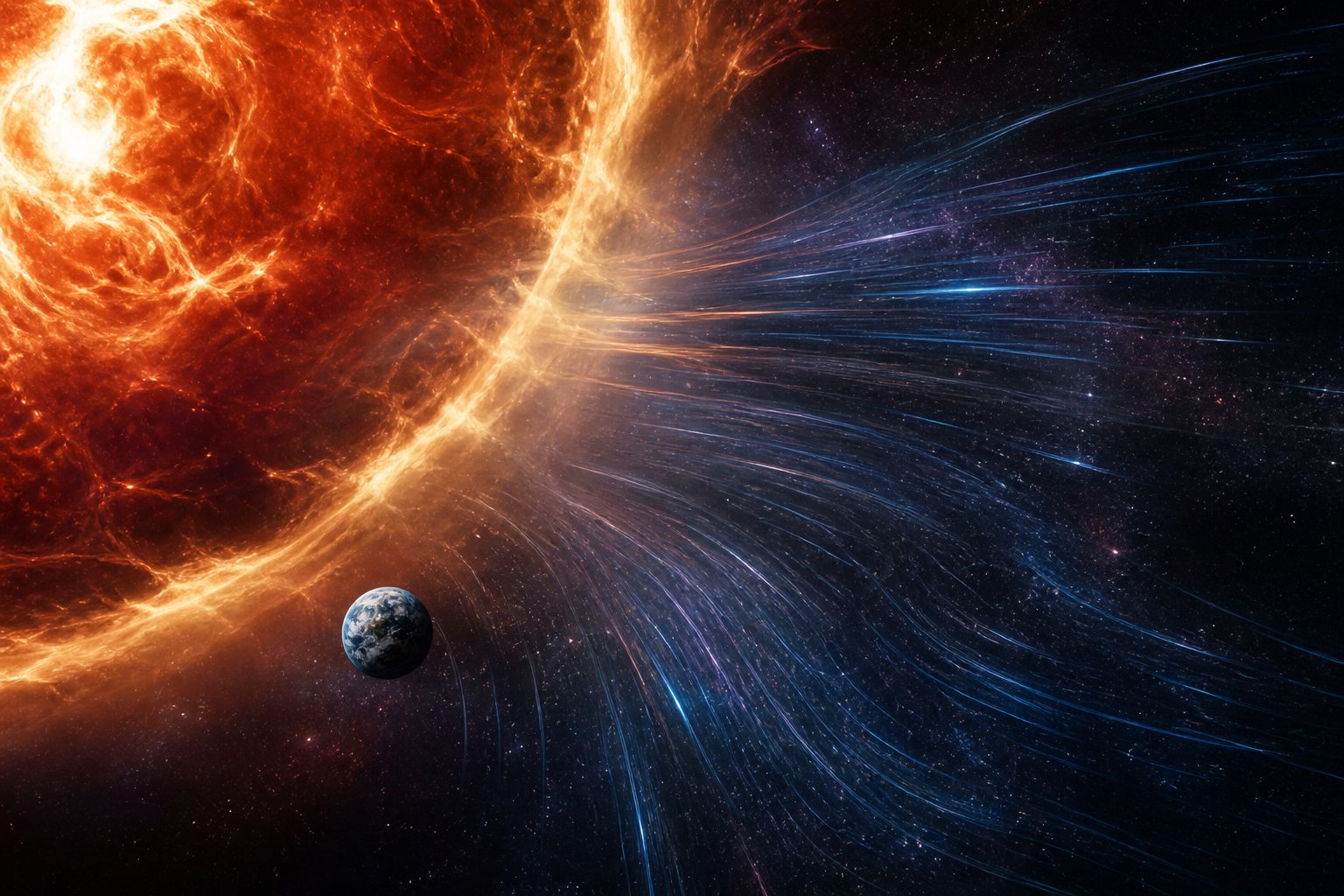
A CME is a magnetic broom. Galactic cosmic rays are what it sweeps aside.
UK MODELLING:
UKRI's Space Weather Instrumentation, Measurement, Modelling and Risk programme pulled universities, the Met Office and industry into one pipeline. The models are now the story. Full story 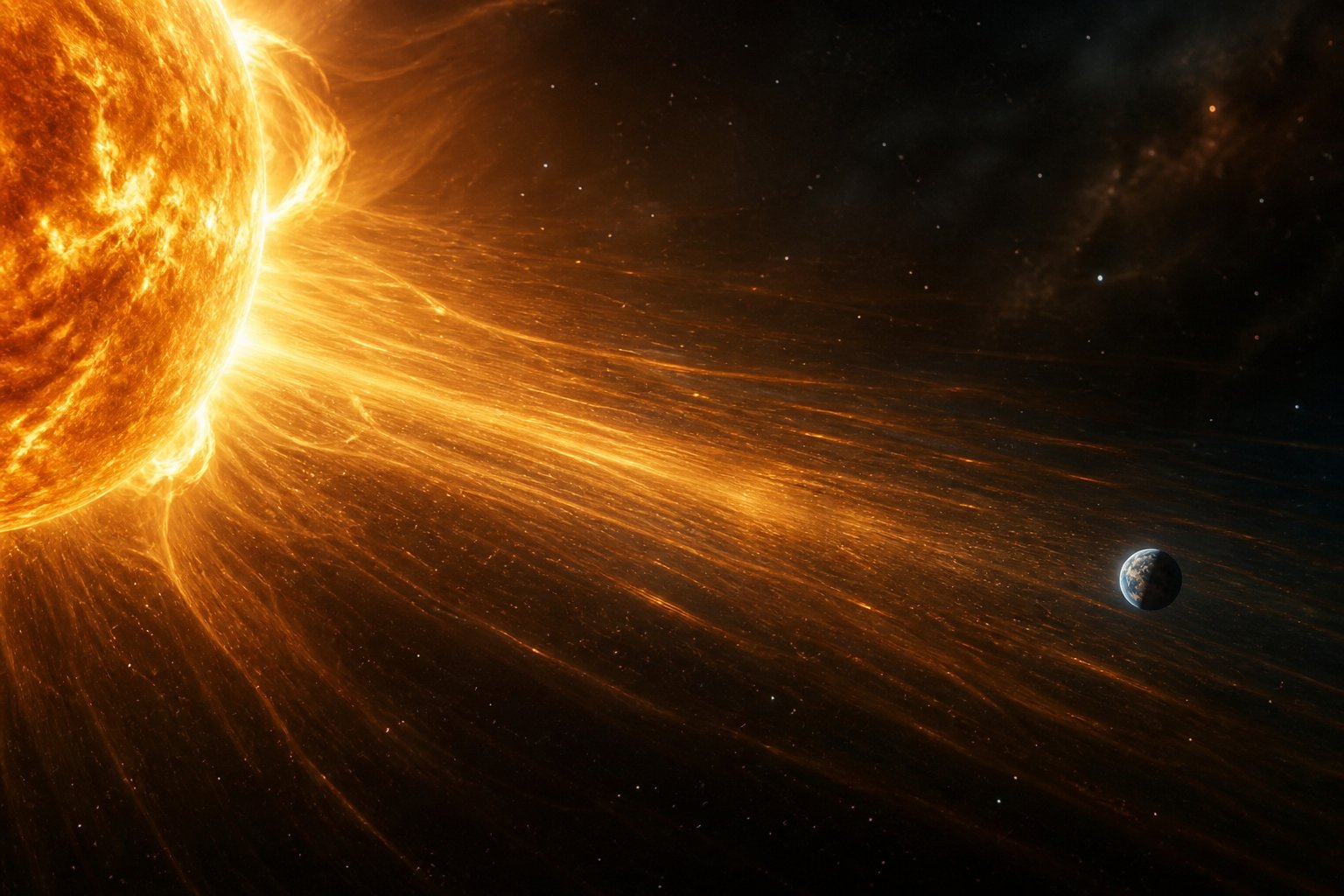
SWIMMR's models live or die on whether they can take a solar-wind input and not embarrass an operator.
IONOSONDE ARCHIVE:
An unfashionable radar pointed at the sky over Oxfordshire remains one of the UK's longest ionospheric records. MOSWOC's HF problem starts in that record. Full story 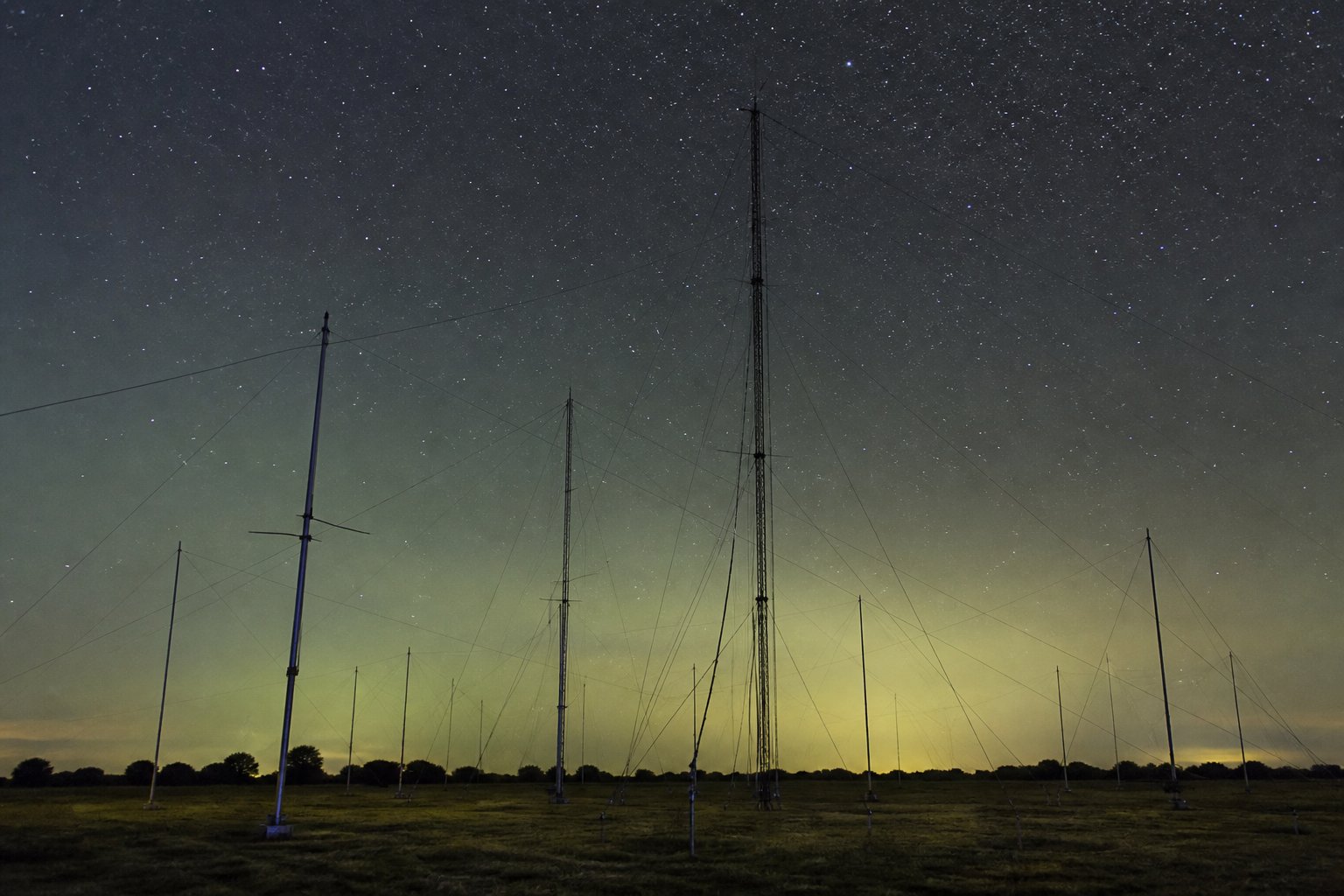
A field of masts is a radar that talks to the ionosphere and waits for the echo.
HARWELL INSTRUMENTS:
At Harwell, STFC's RAL Space group flies sensors that turn sunlight, plasma and magnetic fields into numbers a forecaster can trust. Full story 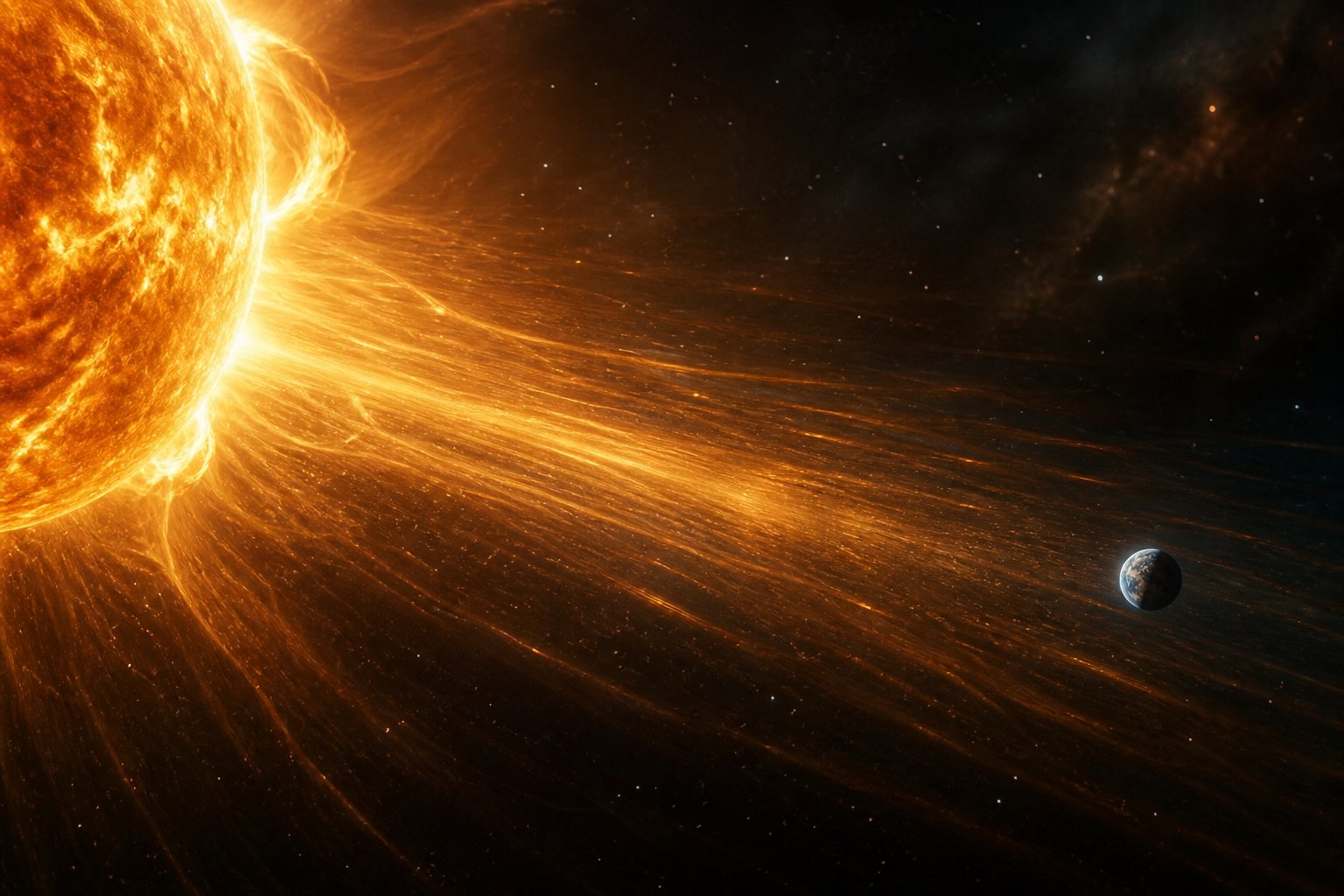
RAL Space still builds sensors that count this plasma instead of photographing it.
SOLAR ORBITER:
Imperial College London's magnetometer on ESA's Solar Orbiter is returning a close-up of the heliospheric magnetic field that textbooks only sketched. Full story 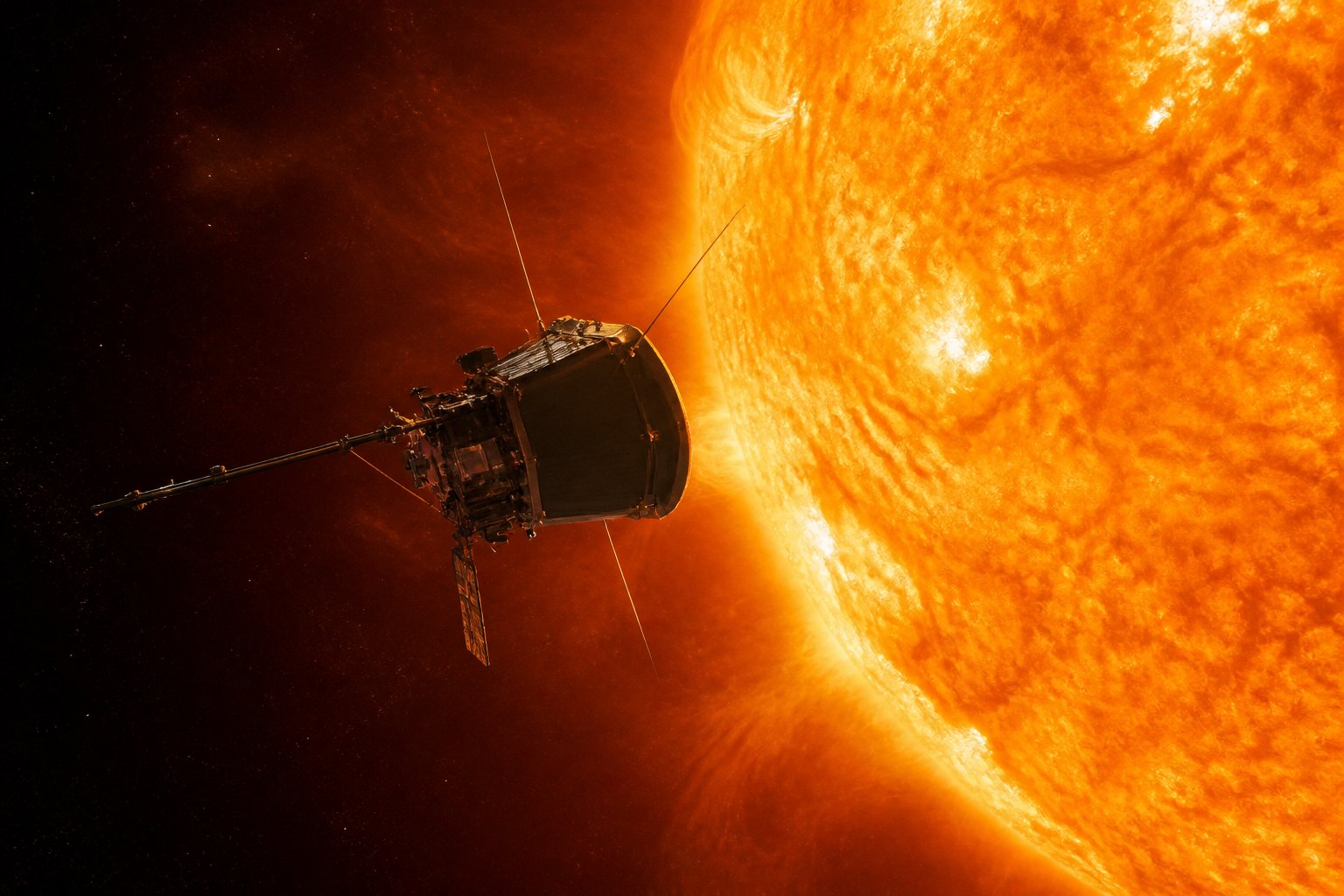
Solar Orbiter's heat shield lets other instruments peek at the Sun while the magnetometer listens to the field the plasma carries.
HF BLACKOUTS:
High-frequency radio still carries aircraft and research traffic over the ocean. UK-linked SuperDARN radars see the ionosphere that steals those circuits. Full story 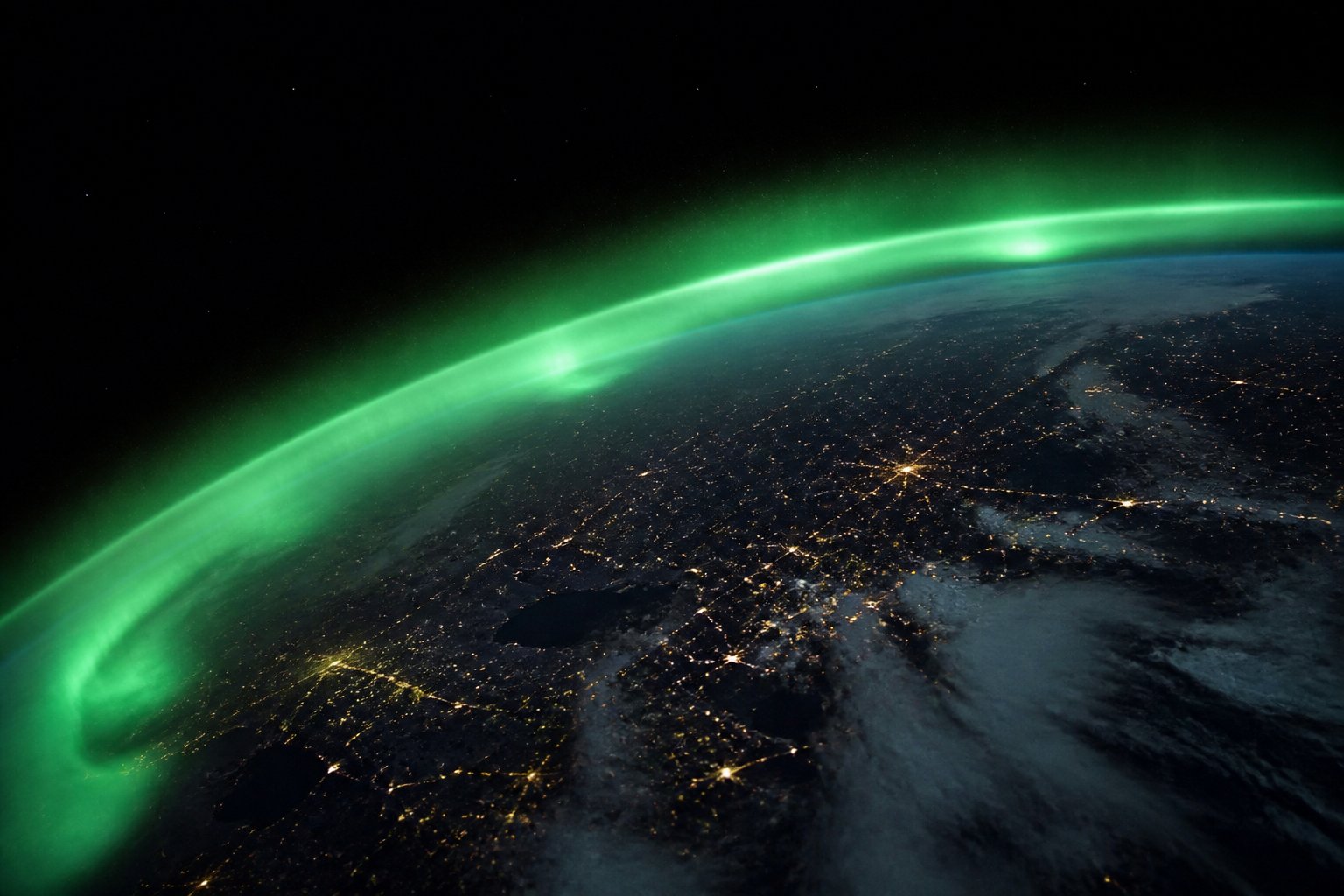
HF over the Atlantic is a bounce off this layer, not a miracle. UK fireball cameras
Volunteer networks including UKMON and NEMETODE triangulate bright meteors over Britain. On a typical August night the cameras record Perseids plus slower sporadics. Orbits that meet at Earth are the point of the plot. 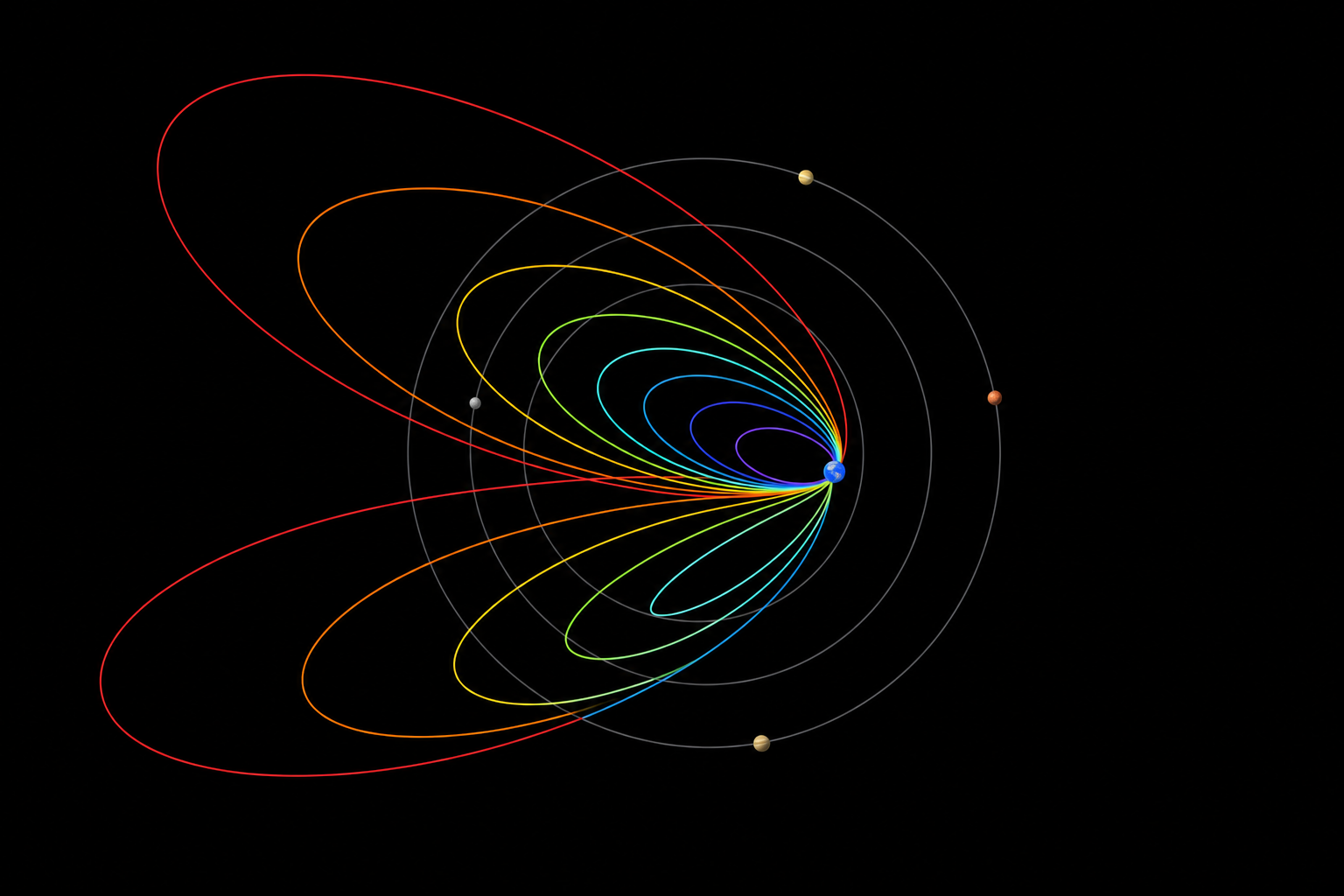
Inner-solar-system paths reconstructed for a UK fireball night. Credit: illustration for Scienception. Near-Earth asteroids
Potentially hazardous asteroids are rocks larger than about 100 m that can pass inside 0.05 AU. None of the known objects is on a collision course with Earth. Follow-up from places such as Armagh Observatory still matters. LD means lunar distance (384,401 km).
Table is an editorial snapshot for readers, not a live JPL feed. See ESA NEOCC. More science from Scienception
|

Satellite notes
Tracked objects in orbit: 10,000+ Re-entries of interest this month: 4 visible from the UK Updated [[day]] [[monthName]] [[year]] Sources: Aerospace Corp, ESA debris
Met Office Space Weather
Official UK space-weather forecasts from MOSWOC
British Geological Survey geomagnetism
UK magnetometer network and GIC research
UK Space Agency
Civil space policy and SWIMMR programme context
RAL Space
STFC solar and heliospheric instruments
ESA Solar Orbiter
Close-up science of the Sun
Solar Dynamics Observatory
Full-disk EUV and magnetograms
UK Solar System Data Centre
Ionospheric and solar-terrestrial archives
Jodrell Bank
Radio astronomy and public outreach
|

© [[year]] Scienception LTD. All rights reserved. Scienception is a United Kingdom science publication operated by Scienception LTD, .