



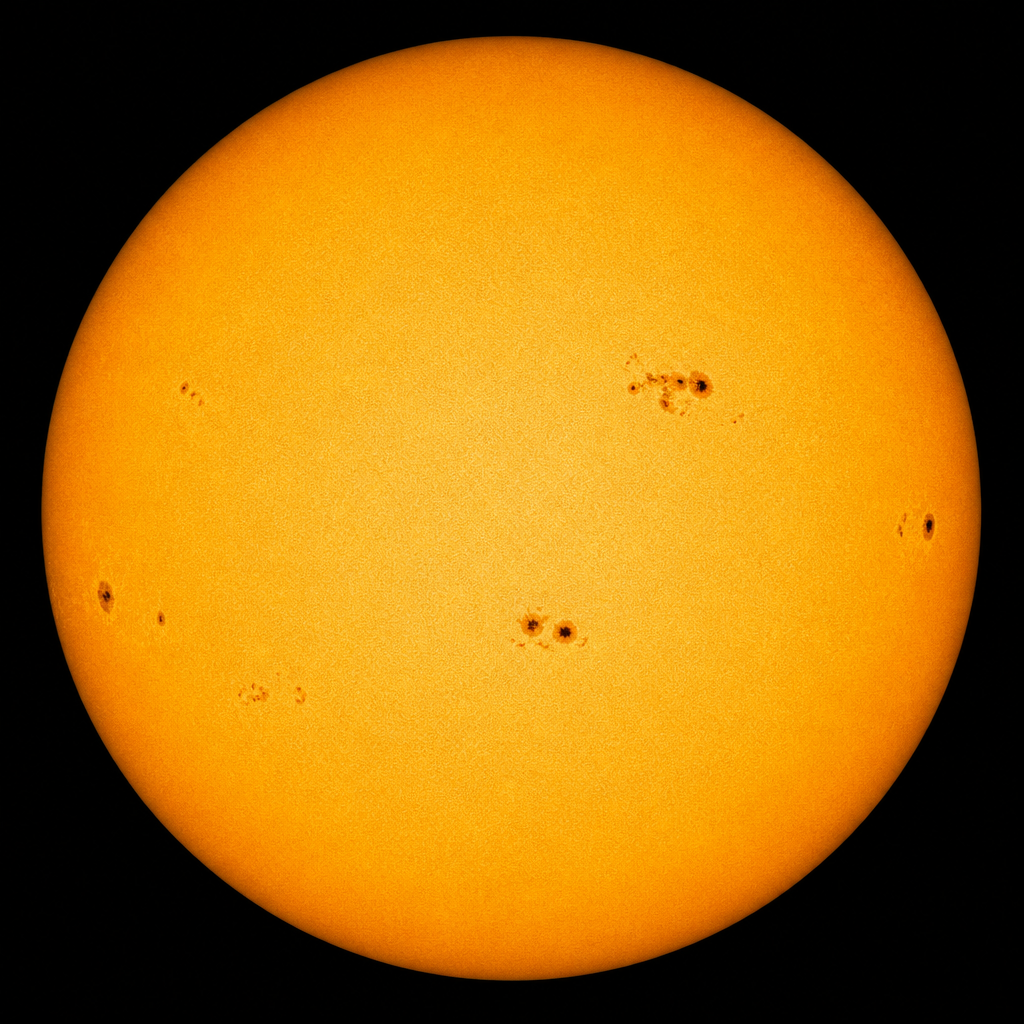
 Current Auroral Oval:


UKMON fireballs are turning casual streaks into orbits
A volunteer camera network across Britain now reconstructs meteoroid trajectories well enough to hunt for meteorites and to map debris streams.
The UK Meteor Network (UKMON) and related groups such as NEMETODE have quietly built one of Britain's more successful citizen-science instruments: wide-angle cameras that watch the night for fireballs. When two or more stations record the same event, software reconstructs height, speed and a heliocentric orbit. Scienception likes this project because it is infrastructure made of volunteers, not a press release made of adjectives.
Fireballs are meteors that outshine Venus, roughly. Some are leftover comet dust. Some are asteroidal fragments. A few drop meteorites. The scientific trick is to know which. Brightness alone will not tell you. Deceleration, ablation behaviour and the orbit do. That is why a calibrated camera on a school roof is more useful than a shaky phone clip, however viral.
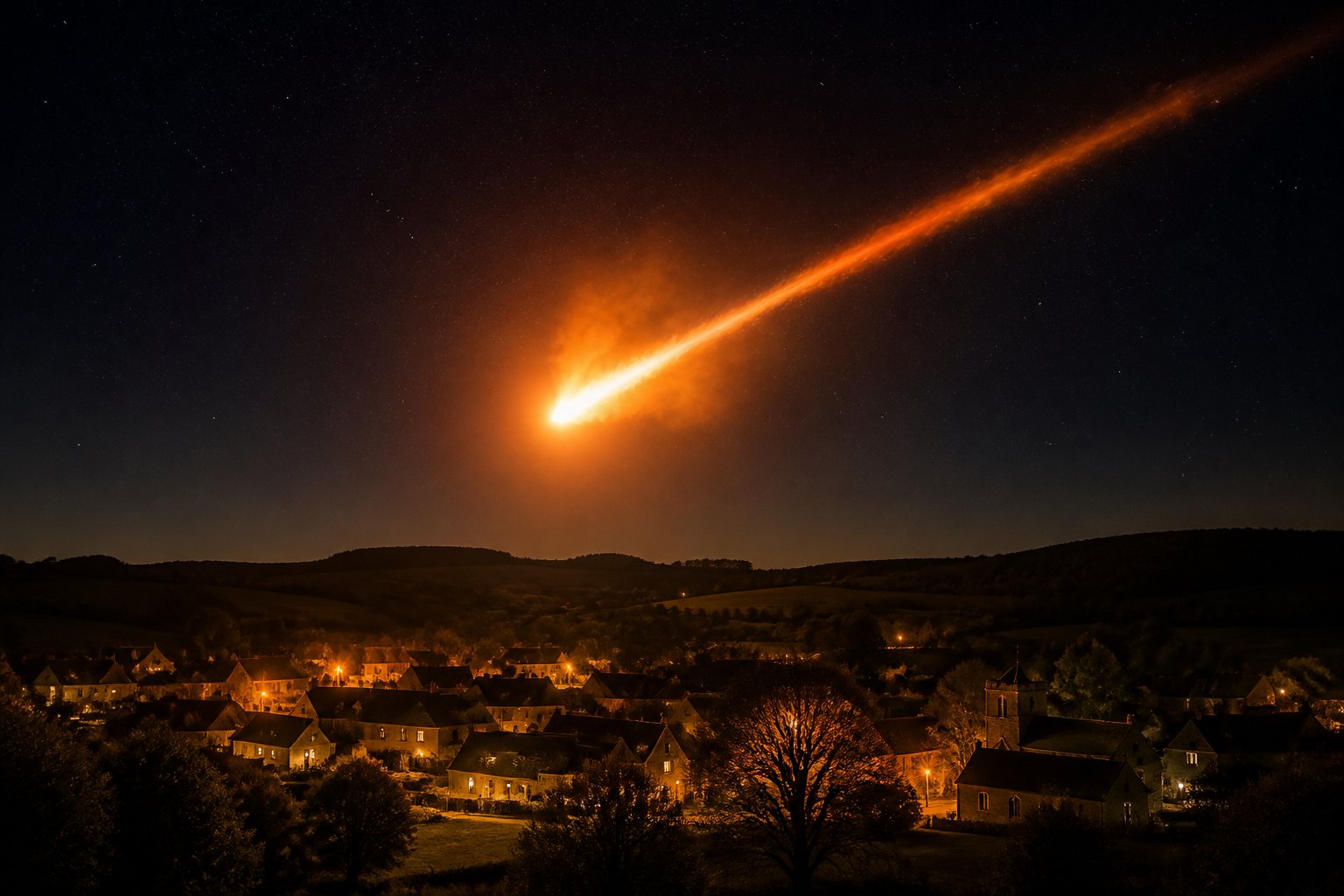
Orbits that intersect Earth in a diagram look dramatic. They are supposed to: every captured meteoroid was on a path that met our atmosphere. Colour-coding by speed, as many networks do, separates slow asteroidal entries from fast cometary ones. It is the same family of plot that NASA's all-sky programme popularised, rebuilt with British geography and British weather.
Two stations and a triangulation
Weather is the uncredited co-investigator. A cloudy island misses events. The solution is density of stations, not a single perfect observatory. Coverage in the west of Scotland and in parts of Wales still has gaps. If you have a clear southern horizon and a broadband connection, you are the missing pixel.
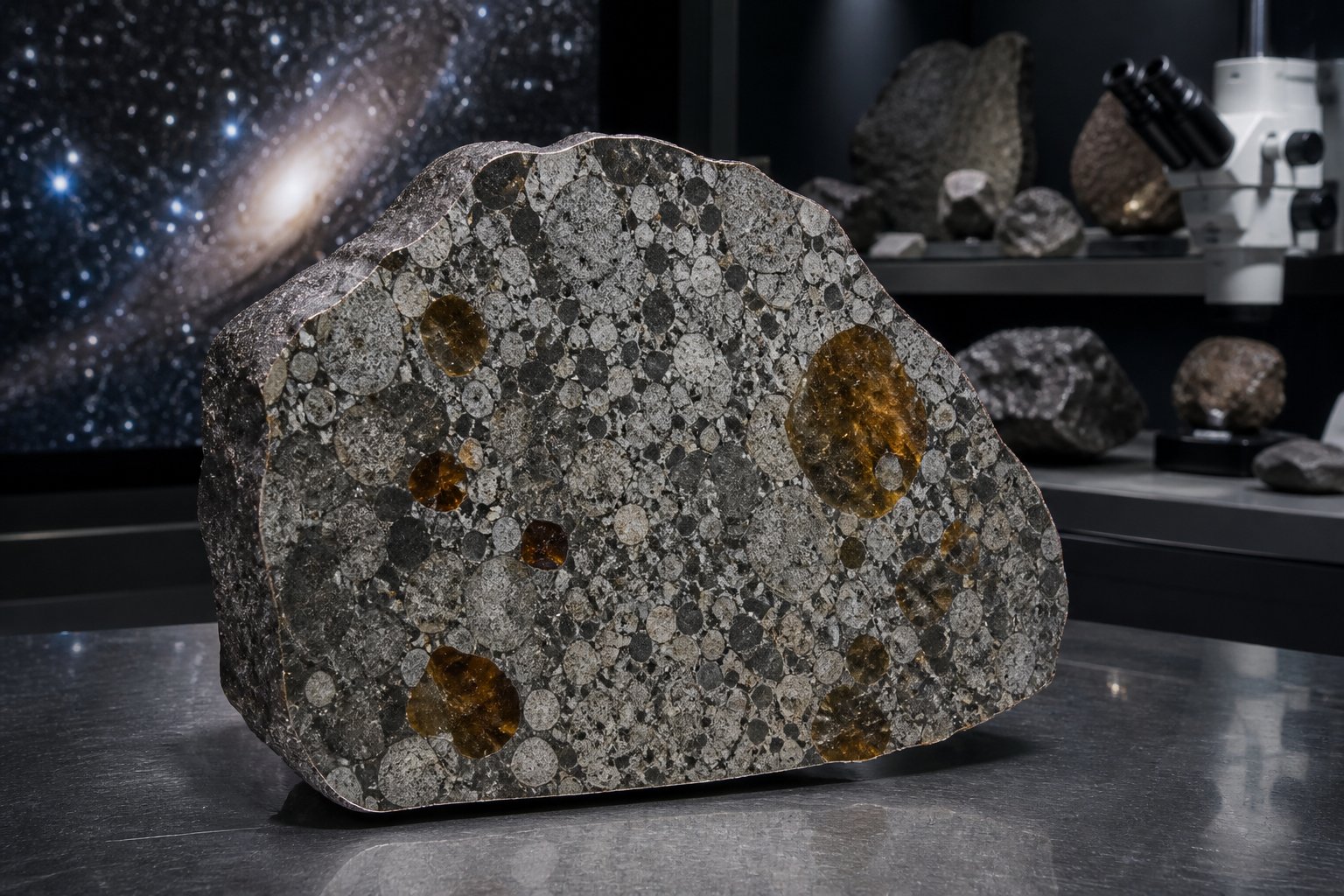
Meteorite recovery remains rare and slightly chaotic. A well-constrained fall over agricultural land is a treasure hunt with a scientific clock: rain and ploughs ruin fusion crust. Museums and university groups have protocols. Social media has rumours. Use the protocols.
A single video is an anecdote. Two calibrated videos are a trajectory. A trajectory is how you know whether to walk a field at dawn.
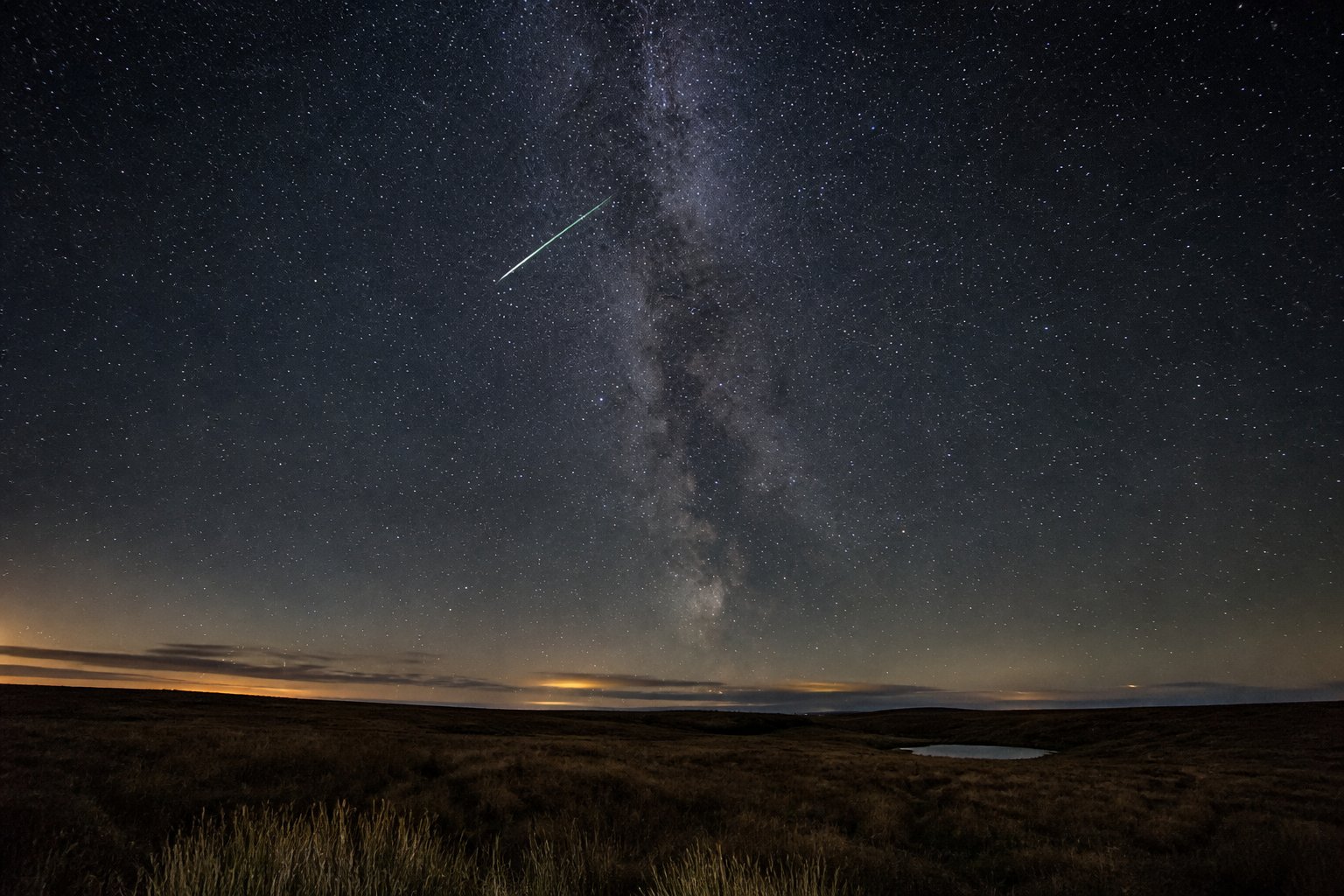
There is a space-debris confusion to kill. Not every bright streak is a meteor. Satellite re-entries are slower, longer, and often fragment in a queue. UKMON operators learn the difference because they have to. Scienception will keep publishing both stories without mixing the captions.
When a fireball might drop a stone
Schools can join with a modest budget if they treat the camera as a long-term instrument, not a termly toy. The educational prize is not 'we saw a meteor'. It is 'we measured a velocity'.
Data policies matter. Open trajectories make science. Closed Facebook groups make folklore. The networks that publish are the ones worth citing.
On a good night in August the cameras record Perseids by the dozen and a sporadic fireball with a different orbit. That contrast is the lesson: the sky is not one shower. It is a crossing of streams.
Britain cannot move its latitude. It can still triangulate the rocks that visit. That is a national observatory in all but name.
Further context for UK readers
Calibration against stars is the uncelebrated craft. A camera that is not plate-solved is a YouTube channel. UKMON's worth is the solve.
Western Scotland and mid-Wales still need stations. If you have a shed and a horizon, you are the coverage map. The network will say so more politely than Scienception.
Meteorite hunters who ignore landowner permission are why farmers hate astronomers. Behave. The rock will wait an hour. The relationship will not.
School cameras fail when the IT club leaves. Write a maintenance rota into the grant. Instruments die of neglect more often than of firmware.
Fireball energy estimates from light curves are model-dependent. Publish the model. A single kiloton analogy in a headline is usually a sin.
NEMETODE's longer memory in the north of Ireland and Scotland is part of the same animal. Cite both. Networks that feud in public confuse the orbits.
A winter Taurid fireball and an August Perseid are not the same parent. The diagram's colour is the parent talking. Teach that in the caption.
When a fall is recovered, the first photograph should include a scale and a context. Hero shots without a ruler are how science turns into jewellery.
How to read this on a UK science desk
What a careful UK reader should actually do with this story is slower than a social feed wants. The live wires are: plate solving, landowner permission, Taurids versus Perseids, school rotas, meteorite rulers. If a paragraph does not touch one of those wires, it is probably colour. Colour is allowed. It is not a substitute for a product page at the Met Office, BGS, UKRI, ESA, the UK Space Agency, NATS, the CAA, Ofcom, UKAEA, NHS England or the laboratory named in the sources list. Scienception prints editorial snapshots on the left-hand rail so the homepage feels like a conditions desk in the old space-weather style. Those figures are not a live operational feed. If you are making a decision about aviation, the grid, a licence, a clinical pathway or a launch commit, leave this tab and go to the authority, then come back for the argument.
British geography keeps deciding supposedly global science. Magnetic latitude, Atlantic cloud, a coal switchyard, a dark-sky park, a Clyde clean room, a synchrotron on a former airfield, an ice-shelf station, a parish lighting rule: these are not decorations on ukmon fireball orbits. They decide whether a result is operational for this country or merely interesting. A model that cannot be checked against a UK sensor is tourism. A policy that cannot be walked to a protocol is speech. We will keep dragging the global noun back to a named place.
There is a records problem in the background of this beat. Time series die when programmes end, when students leave, and when a dashboard is funded instead of a person who knows a sensor's quirks. The cheap way to look modern is a new visualisation. The expensive way that works is to keep the ugly log alive. Magnetograms, ionosondes, light curves, beam-test files, trusted research environments, licence PDFs and anomaly reports are how a democracy stays in the measurement business when the solar cycle, the debris environment or a carbon budget stops being polite.
The public conversation still swings between panic and shrug. Hold two true sentences at once. A minor geomagnetic watch is not a national blackout. A stored tonne of carbon is not a groundbreaking party. A nova that has not erupted is not a failure. A satellite train is not an invasion. Scienception will keep writing as if readers can cope with a caveat, a map, a table and a link. That is the minimum adult form of UK science news, and it is the house style for this article as much as for the conditions rail.
If you work in a school, use the primary links as a single homework: open the Met Office or BGS or ESA page, write down what the official product actually says, and compare it with our kicker. If you work in a control room, steal only the method: name the sensor, name the failure mode, name the British place that would feel it. If you only wanted a picture, look at the figures, then look at the sources. The figures are illustrations. The sources are how you check us. Corrections remain info@scienception.com at Scienception LTD.
Related on Scienception: Coronal-hole streams still ruin UK amateur radio in the most educational way · Perseids over Northumberland still beat a phone screen, if the Moon allows · Armagh Observatory still does the unfashionable work of following near-Earth objects

