



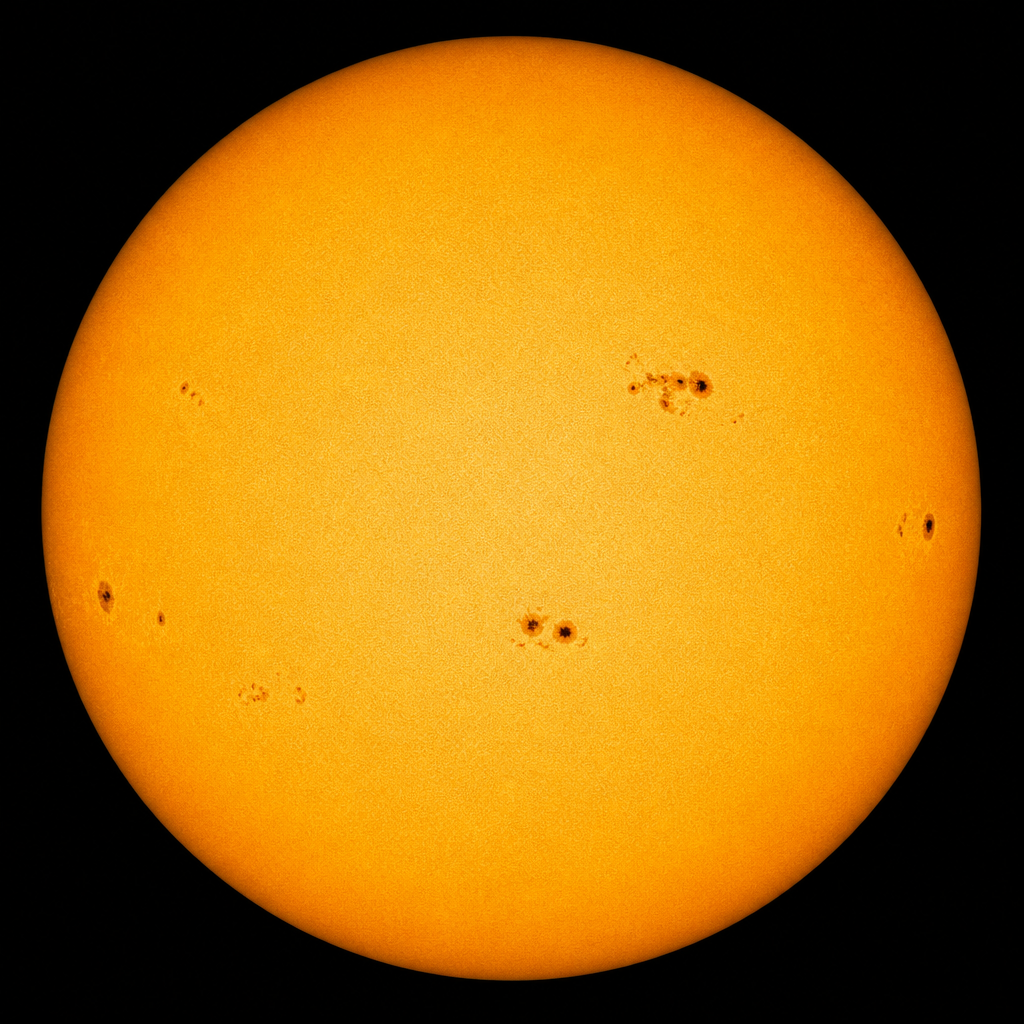
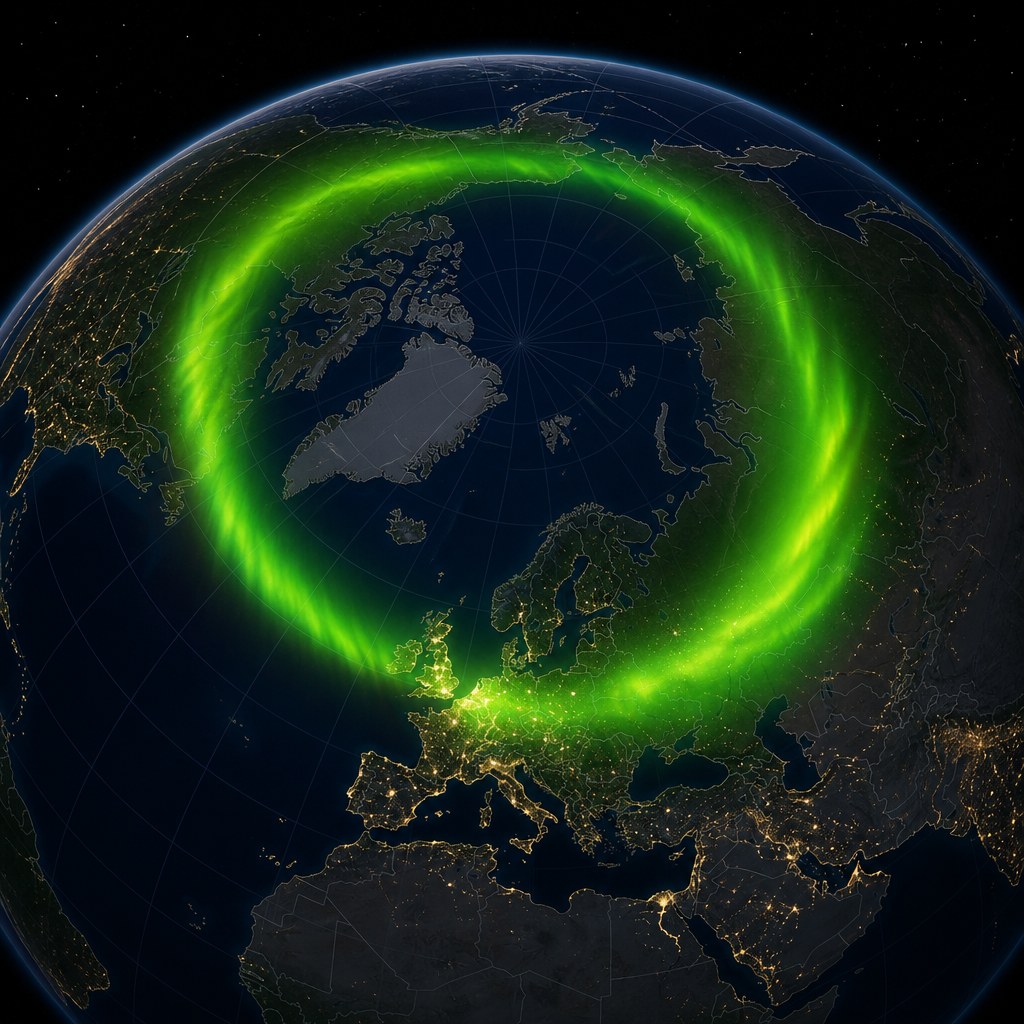
 Current Auroral Oval:


PLATO is the UK's next statistical stare at worlds that transit
ESA's PLATO mission will watch hundreds of thousands of stars for Earth-sized dips. British groups are in the camera-and-catalogue business, not the Earth-twin poster business.
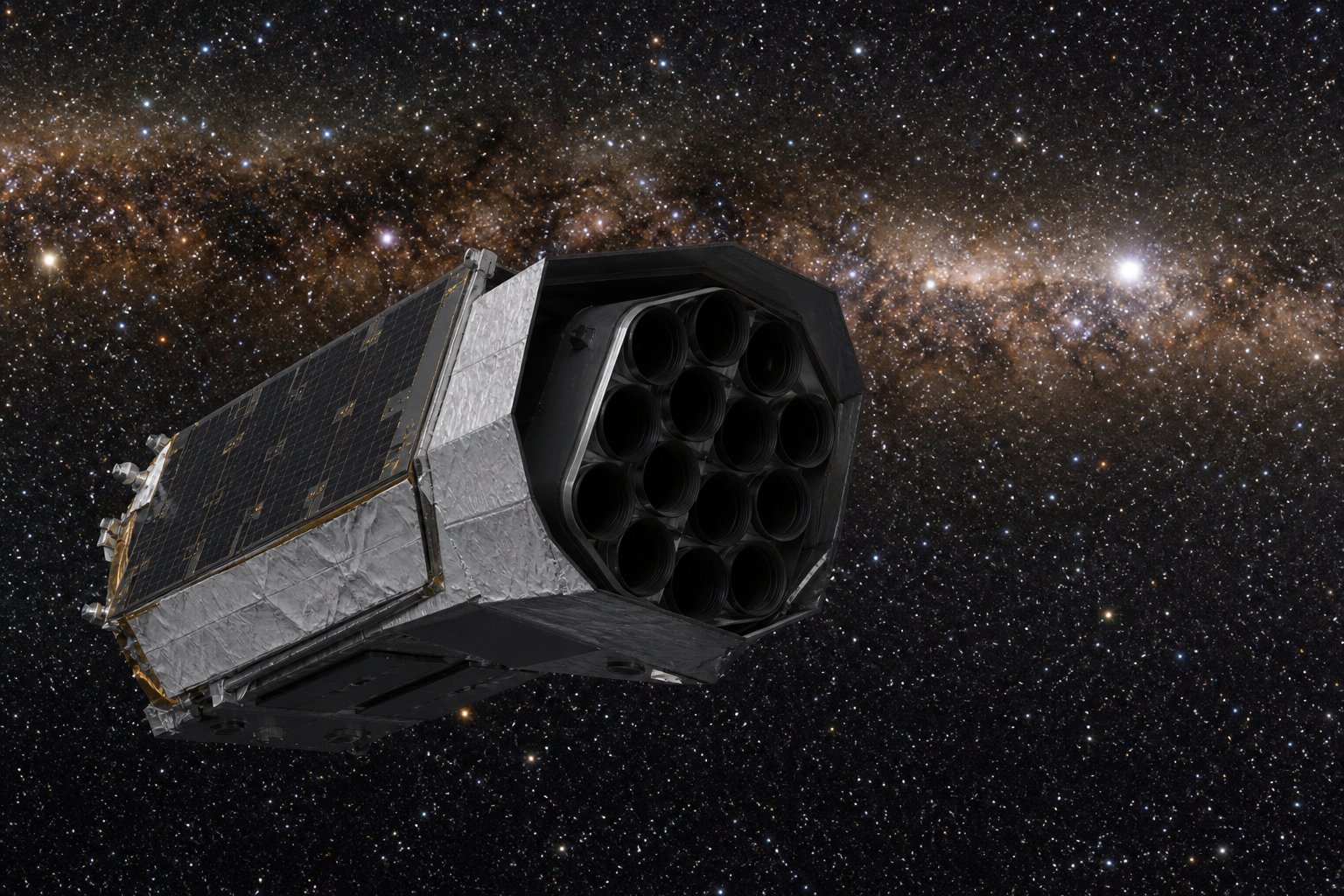
PLATO — PLAnetary Transits and Oscillations of stars — is a box of cameras designed to stare. It is how Europe plans to find rocky planets in habitable-zone orbits around bright stars you can actually follow up. The UK already has skin in Ariel, which will take atmospheres in bulk, and in JWST, which takes them in luxury. PLATO is the finder scope with a statistical soul. Scienception will not caption it as a hunt for a second Earth. It is a hunt for a list.
Asteroseismology is the other half of the acronym that press releases skip. Oscillations tell you how old and how big the star is. Without that, a planet's 'habitable zone' is a vibe. British stellar physics is not a side quest. It is why a radius in a catalogue will mean something.
A transit is a tiny, repeatable dimming. Noise is stellar activity, spacecraft jitter, and the human wish to see oceans. Data centres that already wrestle Euclid will recognise the factory. The scientific culture that can keep a false-positive rate honest is the same culture that keeps a space-weather model from lying to a grid engineer: name the uncertainty.
Follow-up is the British weather
Space telescopes discover. Ground telescopes confirm, and spectroscopy grades. UK facilities and UK time on other people's facilities are how a PLATO candidate becomes a planet instead of a blog. If those nights are not in the plan, PLATO is a camera generating homework nobody marks.
Ariel needs a target list that is not a fantasy. JWST nights are too expensive to waste on wishful transits. PLATO's UK justification is that pipeline, not a flag on a fairing.
An Earth-sized dip is a photometric fact. An Earth-like world is a story you have not earned until the star is understood.
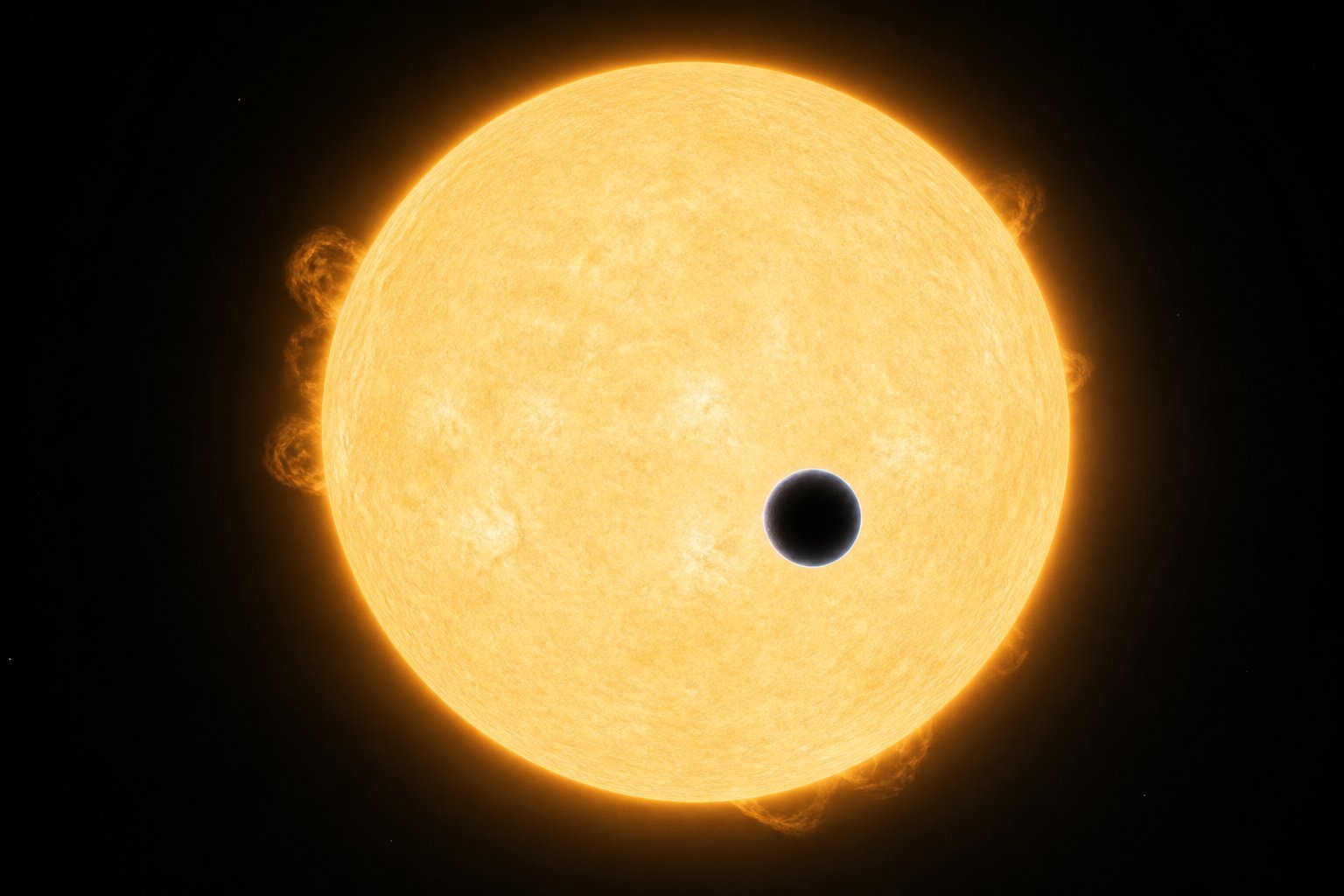
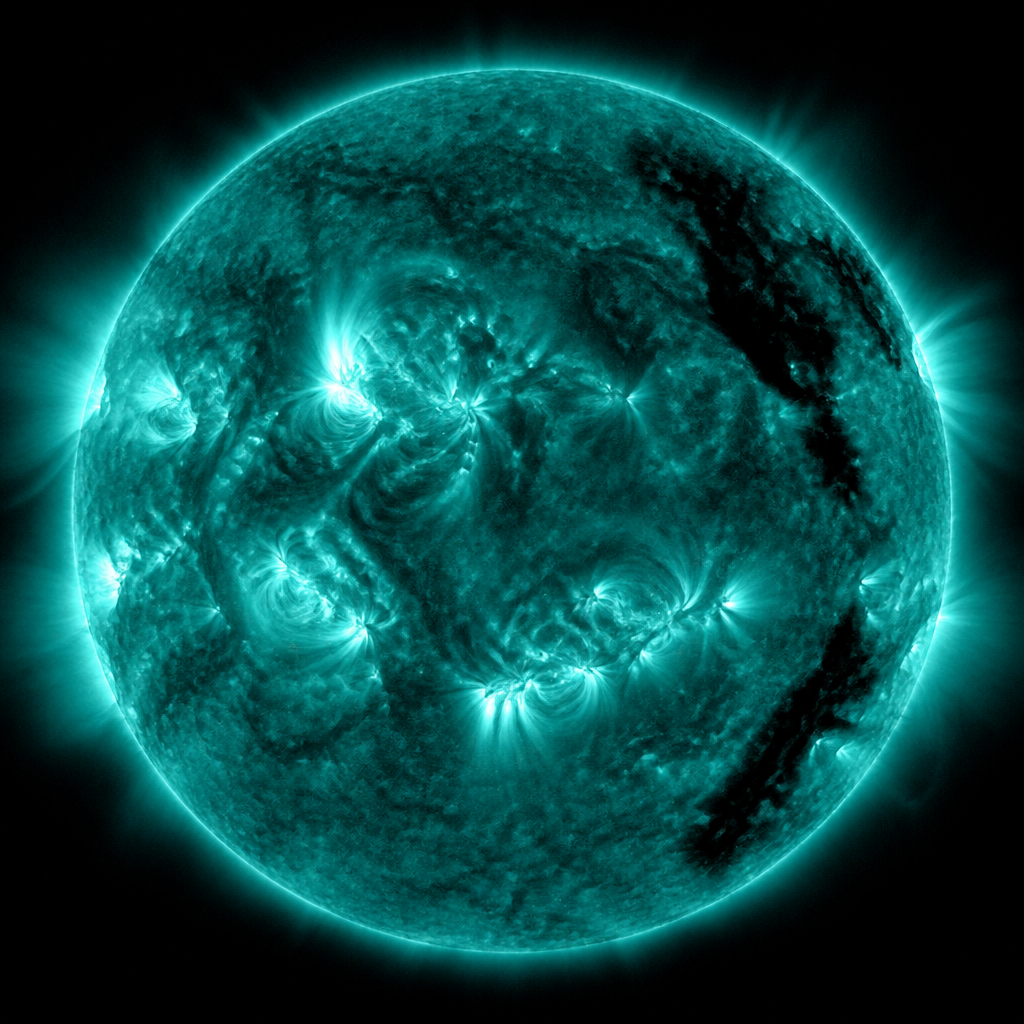
Stellar activity is space weather by another name. Spots and flares hide transits and mimic them. Groups that know the Sun as a spotted, flaring star are not tourists in this field. They are the quality-control department. Solar-terrestrial people and exoplanet people should be in the same seminars. They rarely are.
Catalogues, not posters
Euclid already showed that UK victory conditions in ESA science can be catalogues. PLATO will be the same. If we only celebrate a single rocky planet with a painterly atmosphere, we will have missed the mission. The mission is a population.
Schools should be taught to read a light curve. It is a more honest 'are we alone' lesson than a film still. A dip, a period, a stellar radius, a maybe. Scienception prefers maybe to destiny language.
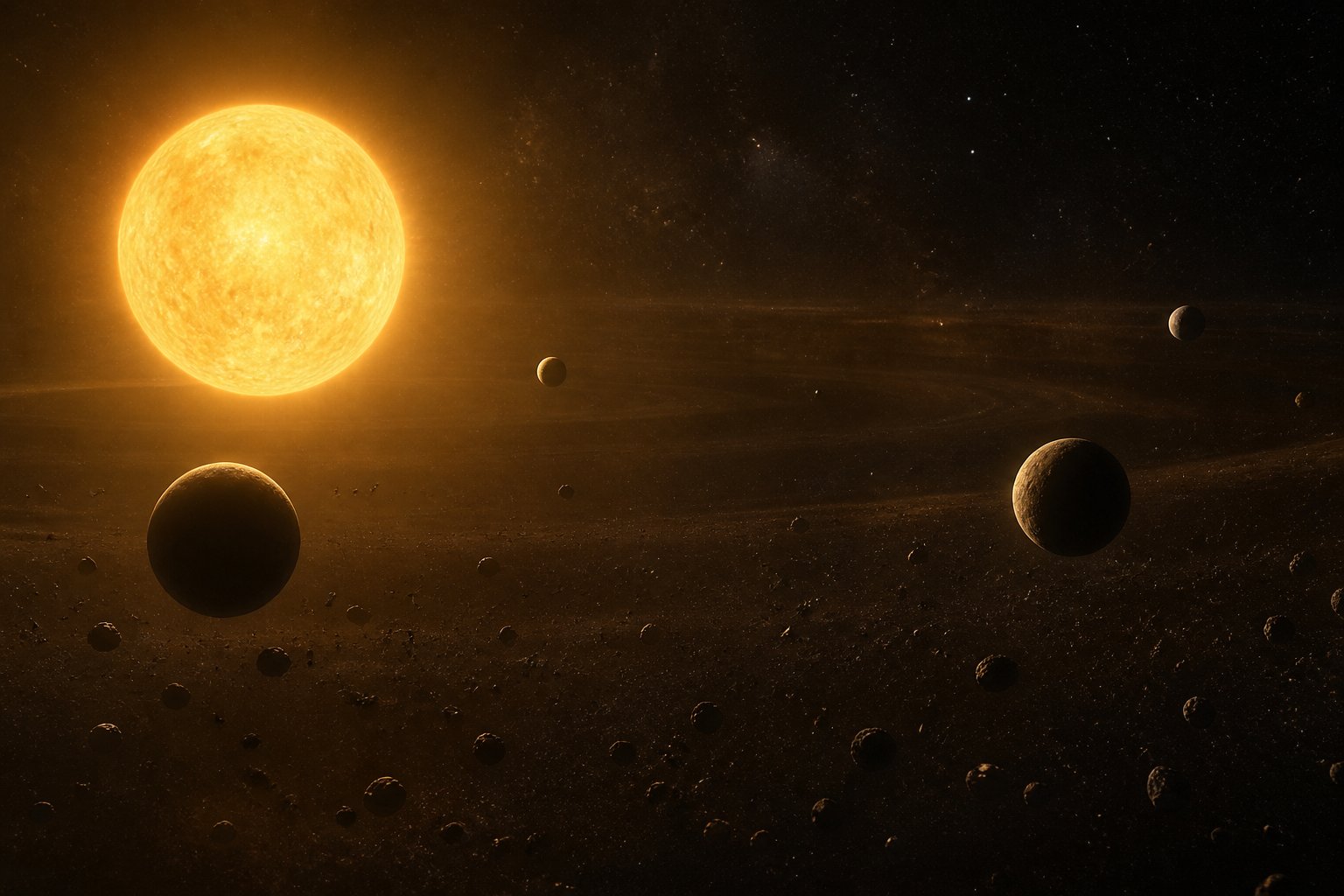
Do not flatten PLATO, Ariel and JWST into one 'UK exoplanet push'. They are a sequence: find, survey atmospheres, stare at the interesting few. Mixing the sequence is how you get readers who think every mission takes selfies of continents.
When first light comes, we will ask who holds the false-positive list. That list is the adult product. Everything else is a trailer.
Further context for UK readers
Kepler and TESS already rewired the field. PLATO's niche is bright stars and long, precise stares that make Earth-sized planets around solar-type stars less mythical. Niche is not an insult. It is a specification.
Camera manufacturing and testing are UK industrial sentences if they are true. If they are a slide, skip them. Point at a thermal-vacuum test and a person who can explain a flat field.
Habitable-zone language is a trap. It means stellar flux, not beaches. We will keep translating. Oceans require spectroscopy and luck. PLATO does not take oceans.
There is a debris and operations footnote. A survey telescope in space still lives in a plasma and a photon-noise budget. Attitude control during a solar storm is not a planetary scientist's favourite slide. It is still engineering weather.
Open data policies will decide whether British amateurs and students can learn on PLATO light curves. Closed catalogues would be a cultural failure even if the planets were real.
If Horizon association wobbles, consortia wobble. PLATO is a reminder that exoplanet statistics are a European sport. UK excellence still needs a league.
How to read a transit mission on this desk
Name the camera, name the catalogue, name the follow-up night, name the uncertainty. If a story cannot do that, it is a painting of a shoreline on a world nobody has measured.
Related reading on Scienception already covers Ariel and JWST. PLATO is the missing middle that makes those missions less of a lottery.
Corrections: info@scienception.com at Scienception LTD. Figures are illustrations for Scienception.
Stellar noise is solar physics in disguise
A spotted, flaring star is a MOSWOC problem photographed from 50 light years. The people who already model F10.7 and flare classes have instincts a transit pipeline needs. If those communities do not share students, PLATO will spend years rediscovering sunspots as a nuisance. They are not a nuisance. They are the host.
British ground-based photometry still matters for bright PLATO hosts. A backyard can be a follow-up station if it is calibrated. The BAA already knows how to keep a light curve honest for T CrB. That culture should be invited into exoplanet work instead of being treated as a Victorian leftover.
Data rights will tempt consortia to sit on candidates until a press embargo. A survey the size of PLATO cannot be run like a single Earth-twin reveal. Publish lists with flags. Let the follow-up ecosystem work. That is how Euclid-minded UK teams already think.
When a rocky planet around a bright star is confirmed, we will ask for the stellar age, the flare rate, and the radius uncertainty before we ask for the artist's ocean. Those three numbers are the weather of the world. The ocean is a wish.
Related on Scienception: Ariel and UK exoplanet atmospheres · JWST's British fingerprints · Euclid and UK data centres

