



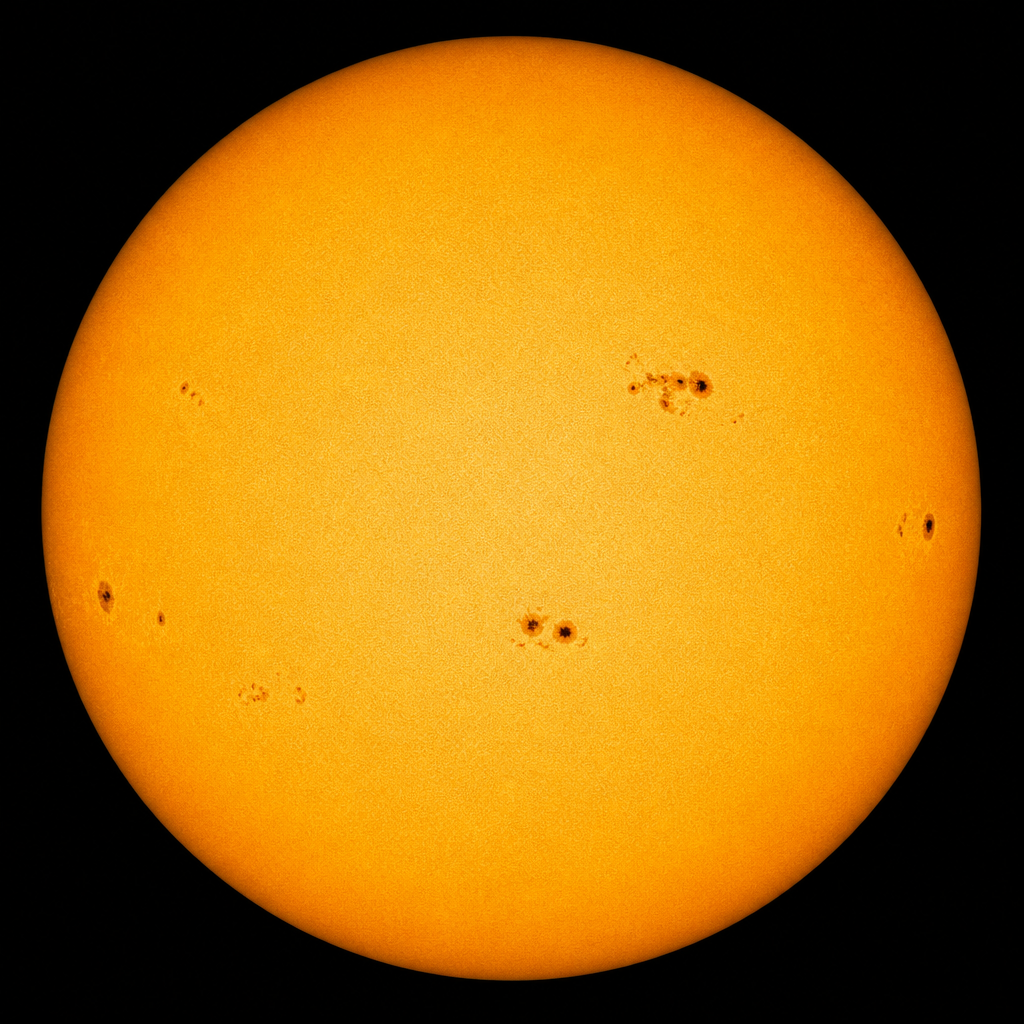
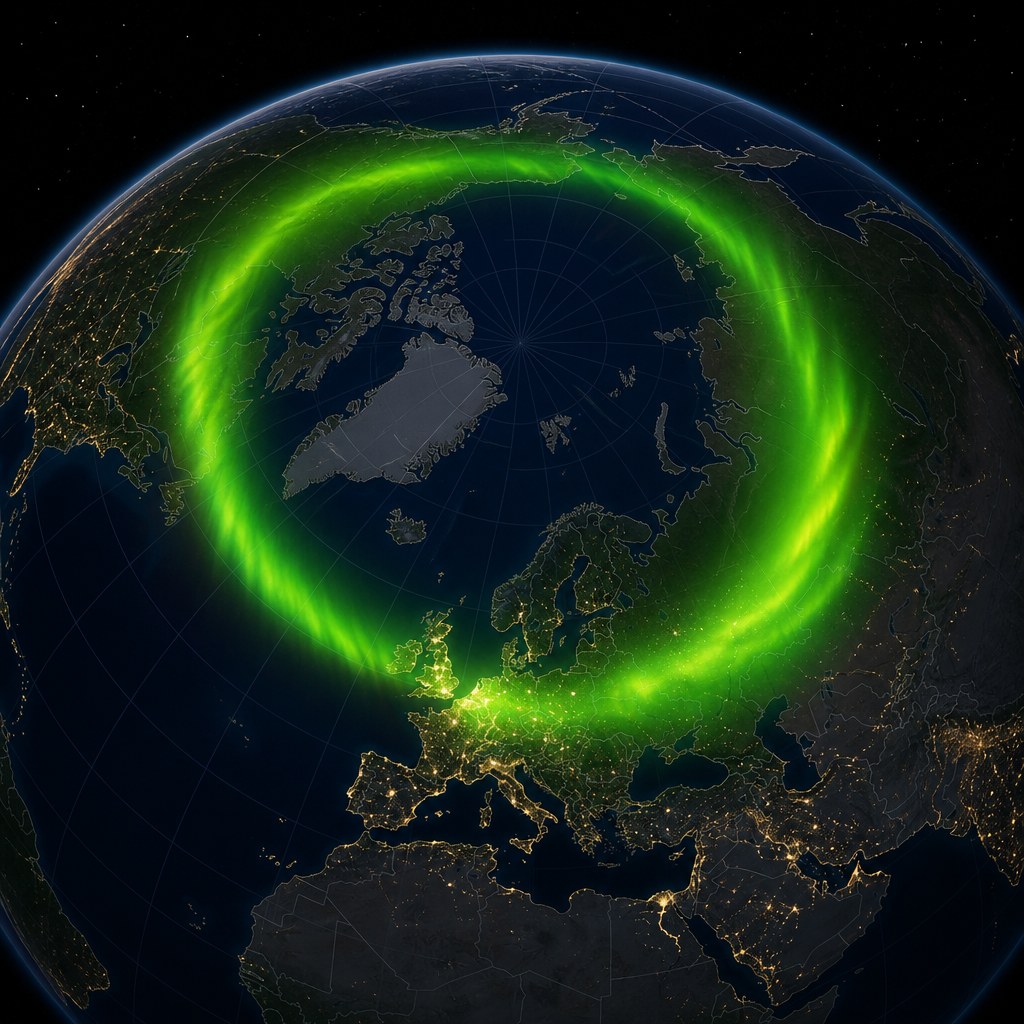
 Current Auroral Oval:
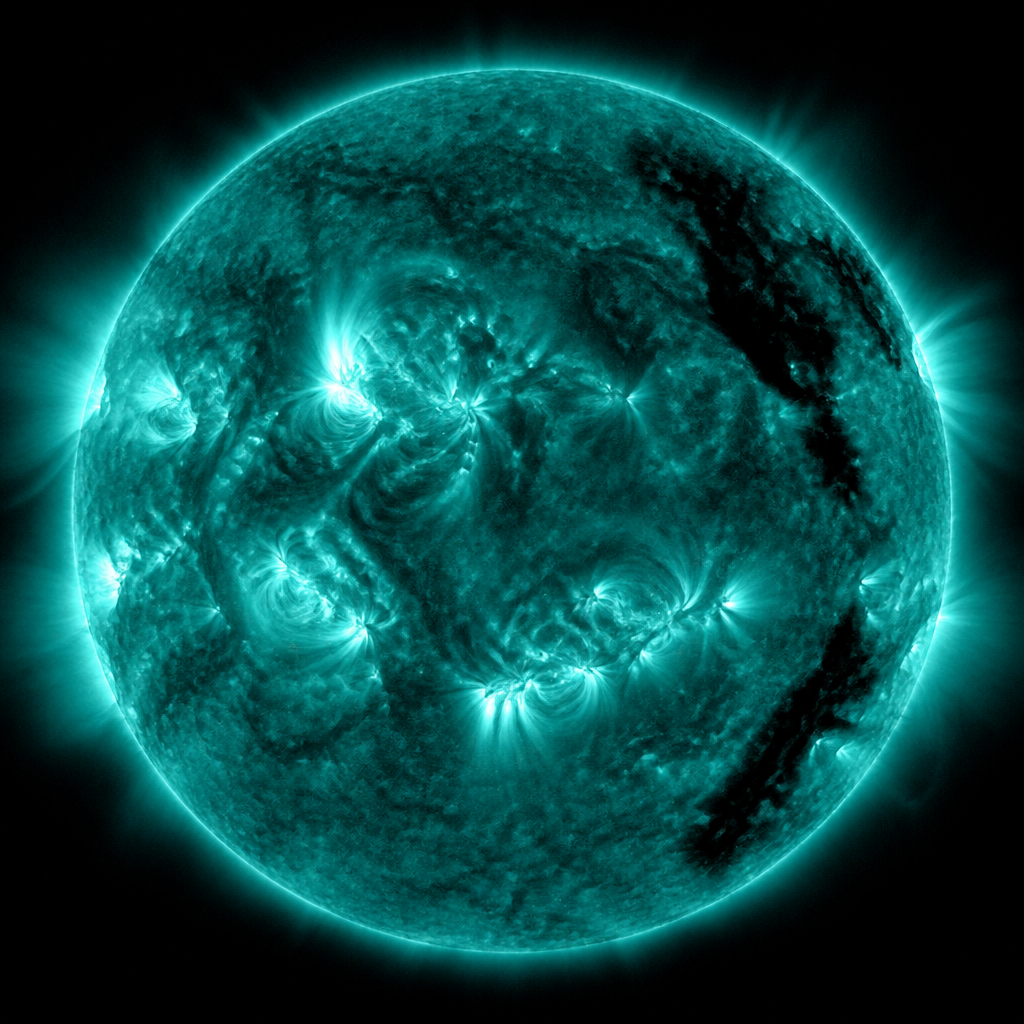


SMILE will give UK scientists a wide-angle look at the magnetosphere
The ESA-CAS SMILE mission, with a major UCL Mullard Space Science Laboratory role, is built to image the magnetopause rather than guess it from a few in-situ points.
For fifty years heliophysics has inferred the shape of Earth's magnetic bubble from spacecraft that fly through it one at a time. That is like mapping a coastline with a single ship. SMILE — Solar wind Magnetosphere Ionosphere Link Explorer — is the first dedicated attempt to take a wide-angle picture of the dayside magnetopause and the oval in the same glance. UCL's Mullard Space Science Laboratory in Surrey is not a footnote on a press release. It is where a large share of the UK scientific brain for this mission lives.
Scienception is treating SMILE as a space-weather instrument that happens to be beautiful, not as a poster of a satellite. The point is coupling. Solar wind arrives. The magnetopause moves. The oval brightens. Ground magnetometers twitch. If you can photograph the first two, the third and fourth stop being a rumour with a time lag.
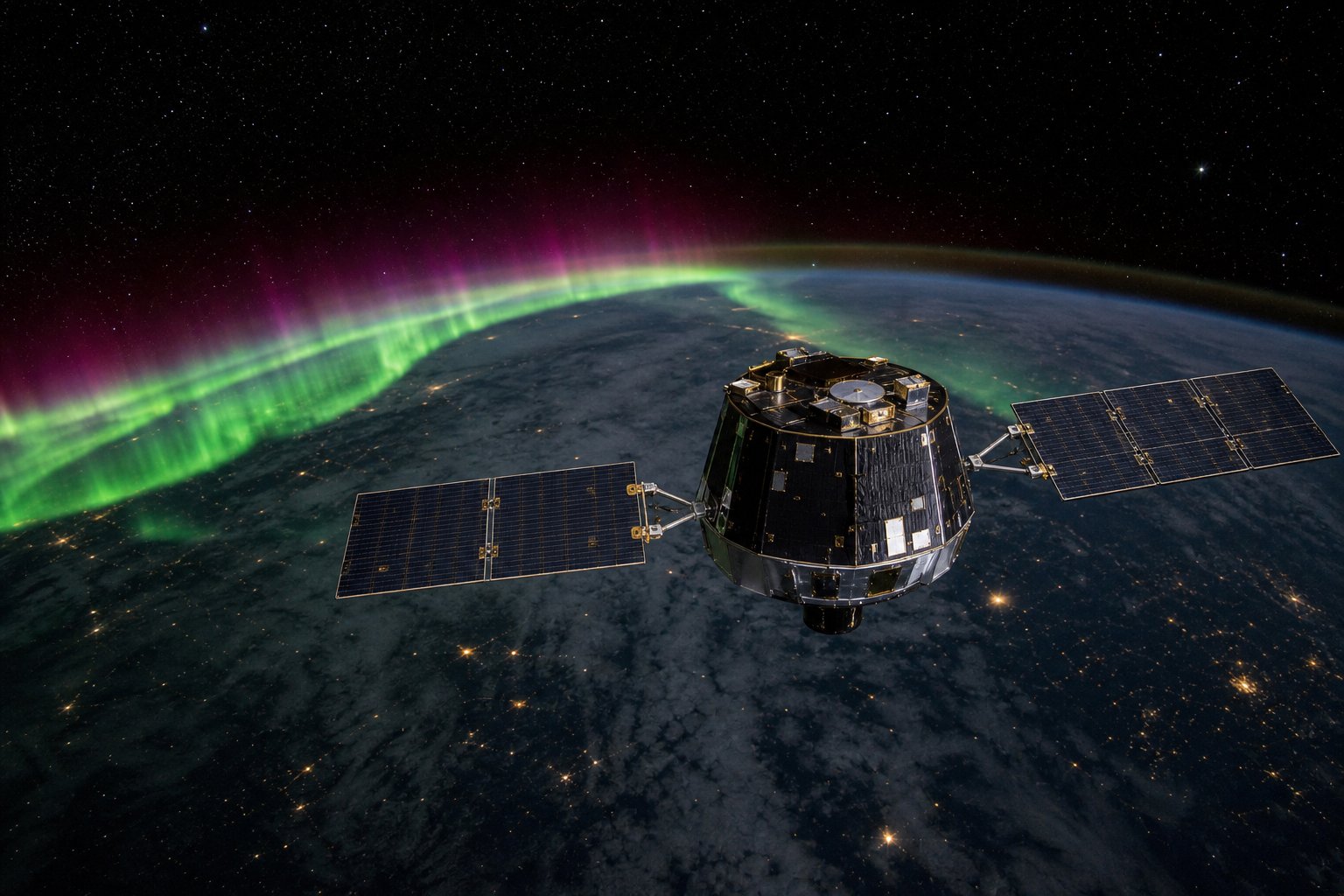
The trick is soft X-rays. When solar-wind ions steal electrons from exospheric hydrogen, they emit photons that sketch the boundary. Aurora cameras already exist. In-situ solar-wind monitors already exist. What did not exist was a camera that sees the wall between them. MSSL groups have spent years arguing that this is not a luxury. It is how you stop calibrating global models against a pinprick.
Why a picture beats another time series
MOSWOC in Exeter already consumes L1 solar-wind data and turns it into watches. Those watches are honest about uncertainty. A CME can glance, miss, or drape. A southward interplanetary field can last twenty minutes or four hours. Operators live in that spread. SMILE will not abolish the spread. It will show whether the magnetopause actually did what the ensemble said, on a given afternoon, as a two-dimensional object.
That matters for Britain in a boring way. Grid planning and aviation procedures do not need a prettier aurora gif. They need models that are wrong less often about when coupling starts. A camera that sees the dayside compression is a way to score those models without waiting for a Lerwick magnetometer to confess after the fact.
In-situ craft sample a line. SMILE is supposed to sample a surface. That is the whole argument, dressed as a spacecraft.
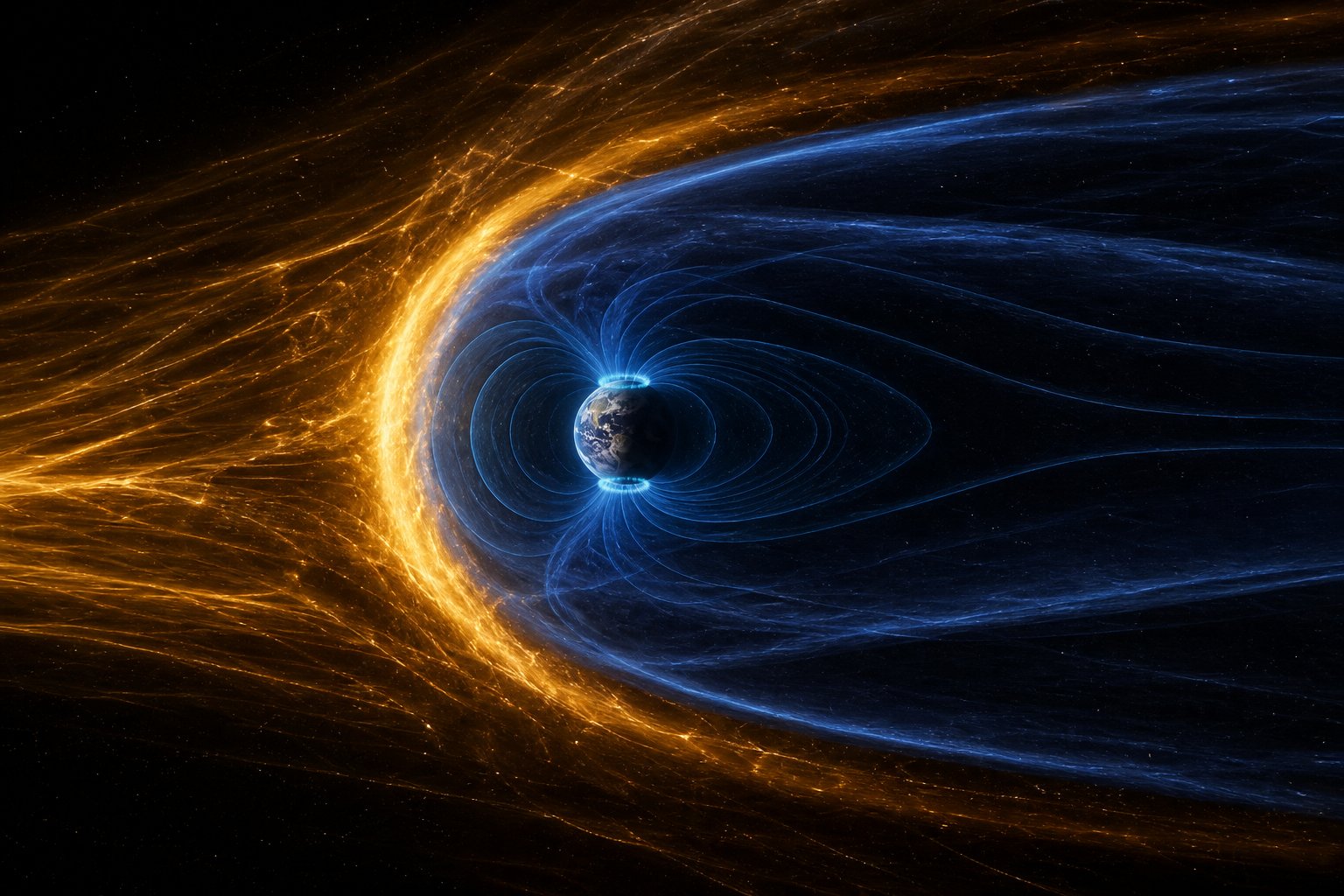
There is a cultural risk. Mission pages love renderings. Scienception will keep saying the quiet sentence: if the X-ray imager does not return a usable magnetopause, the rest of the payload is still science, but the space-weather claim shrinks. Hold the claim to the data product. MSSL knows this. Press offices sometimes do not.
MSSL, Harwell and the long UK bet
British heliophysics is a thin community. It survives on Solar Orbiter magnetometers, RAL Space plasma sensors, SuperDARN time, and grant rounds that can vanish a technique in three years. SMILE is one of the few missions where a UK laboratory is not merely contributing a box but helping define what the box is for. That is rarer than a Union Flag on a fairing.
Students who reduce SMILE images will be the night-shift talent MOSWOC needs in the 2030s. If the data sit in an archive nobody is paid to love, the camera was a firework. Scienception will keep asking who is funded to compare an image of the magnetopause with a BGS magnetogram from the same hour. That comparison is the UK use-case.
China's CAS partnership is part of the geopolitics and part of the engineering. The science desk's job is still the photon. Soft X-ray optics, particle instruments, and an ultraviolet aurora camera have to work together or the coupling story falls apart. Readers who only want a nationality scorecard should look elsewhere.
When SMILE flies, the homepage left-hand rail will still be an editorial snapshot. Do not confuse our oval graphic with a SMILE frame. Use ESA's mission pages for status, MSSL for the British scientific voice, and the Met Office for watches that affect people. The spacecraft is a camera. The watch is a sentence an operator can act on.
Further context for UK readers
Holmbury St Mary is an odd place from which to command a view of the magnetopause. Surrey hills, a laboratory with a spacecraft-instrument pedigree, and a community that still talks in detector language: that is MSSL. The contrast with Exeter's forecast desk is the point. One group builds the eye. The other has to speak to National Grid. SMILE is interesting because those two habits might finally share a picture.
Model validation is unfashionable in a news cycle that wants first light. First light is a heartbeat. Validation is a year of overlapping images and solar-wind inputs, scored against ground truth. If UKRI wants a return on SMILE, it should fund that unglamorous overlap, not only a launch-week microsite.
Aurora chasers will try to treat SMILE frames as a better Instagram. They are not. A dayside magnetopause in X-rays is almost the opposite of a Shetland curtain: it is the cause, seen from above, often on the sunlit side. Teach that difference in schools or you will have trained another generation to confuse the oval with the engine.
There is an Antarctic rhyme. Halley magnetometers see a conjugate sky. SMILE will see the system those magnetometers are embedded in. A joint plot — image plus Halley plus Lerwick — would be a British scientific sentence. It requires people whose job title is not engagement.
Charge-exchange physics is not a metaphor. It is a cross-section, an exospheric density, and a foreground you have to subtract. If a popular article skips that, it is a painting. We will keep the painting in the figure and the cross-section in the sources.
Launch slips happen. Science desks that only write at launch teach readers that space is a firework calendar. Write when the first magnetopause campaign is compared with a MOSWOC watch. That is the story that either justifies the camera or does not.
What this camera changes on a UK desk
Keep three named places in your head: MSSL for the instrument culture, Exeter for the watch, Lerwick for the ground truth. If a paragraph about SMILE does not eventually touch one of those, it is probably a rendering caption. Renderings are allowed. They are not a magnetopause.
A model that cannot be checked against an image of the boundary is still a model. After SMILE, pretending that a single L1 time series is the whole upstream condition should get harder. That is the civil-science prize. Not a flag. A harder standard of evidence for coupling.
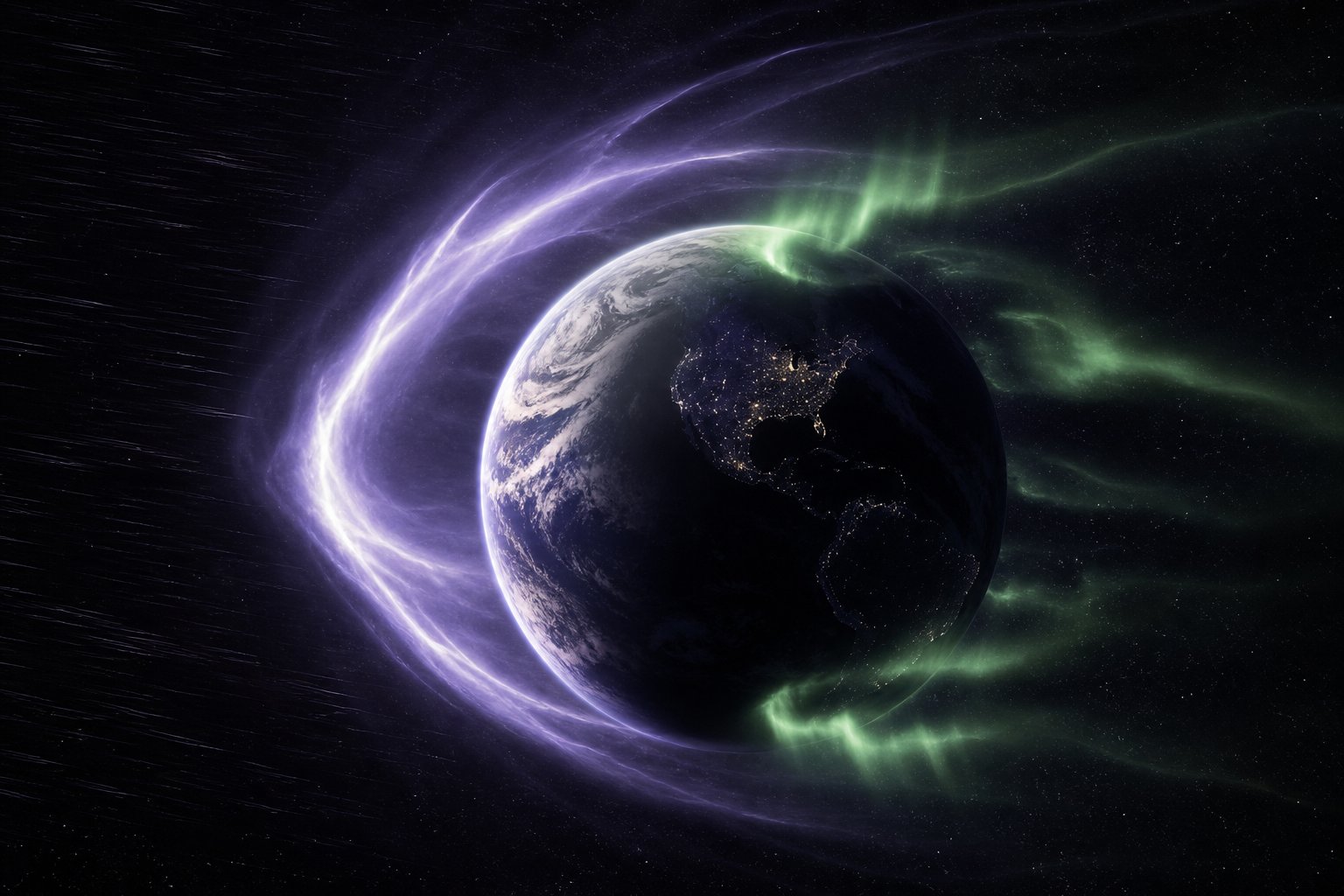
Corrections: info@scienception.com at Scienception LTD. Figures are illustrations for Scienception, not live SMILE telemetry.
Related on Scienception: SWIMMR taught Britain to model storms · RAL Space still builds solar-wind eyes · BGS magnetometers and the grid

