



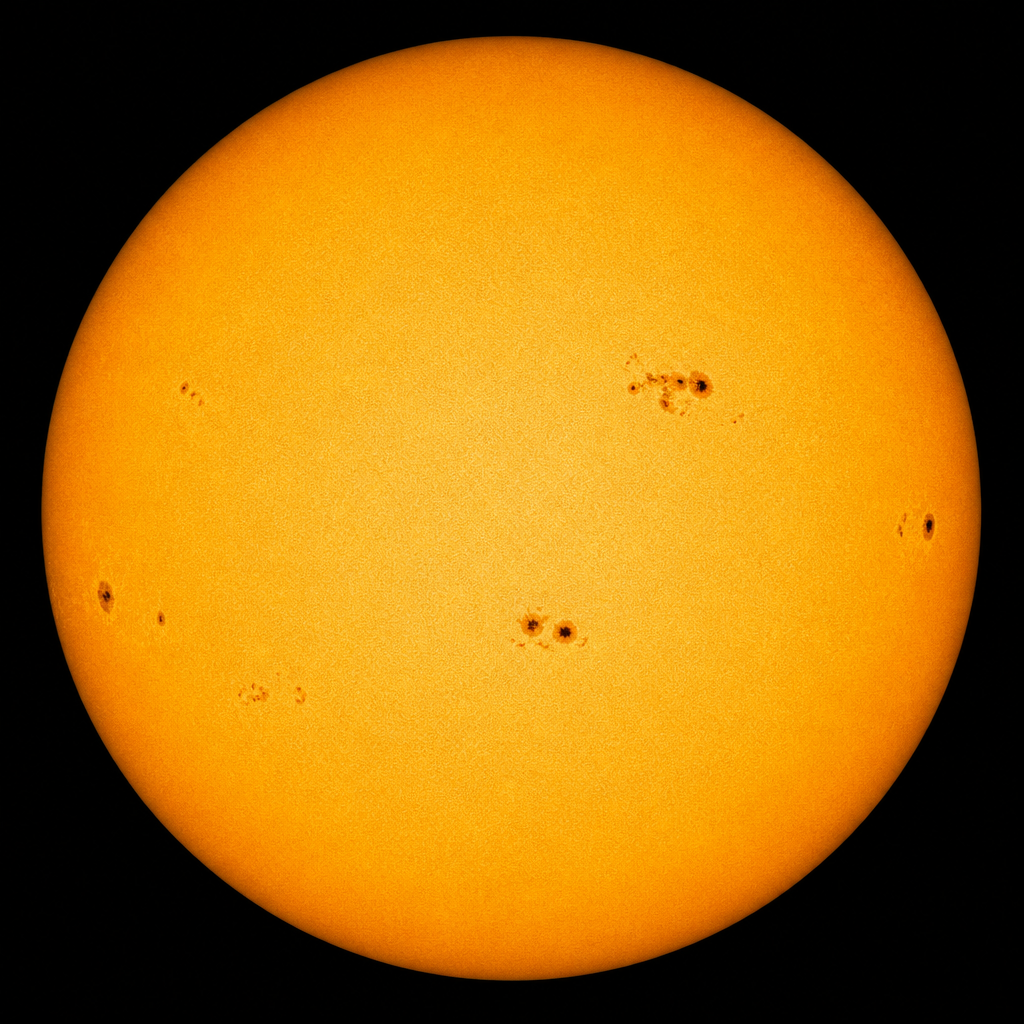
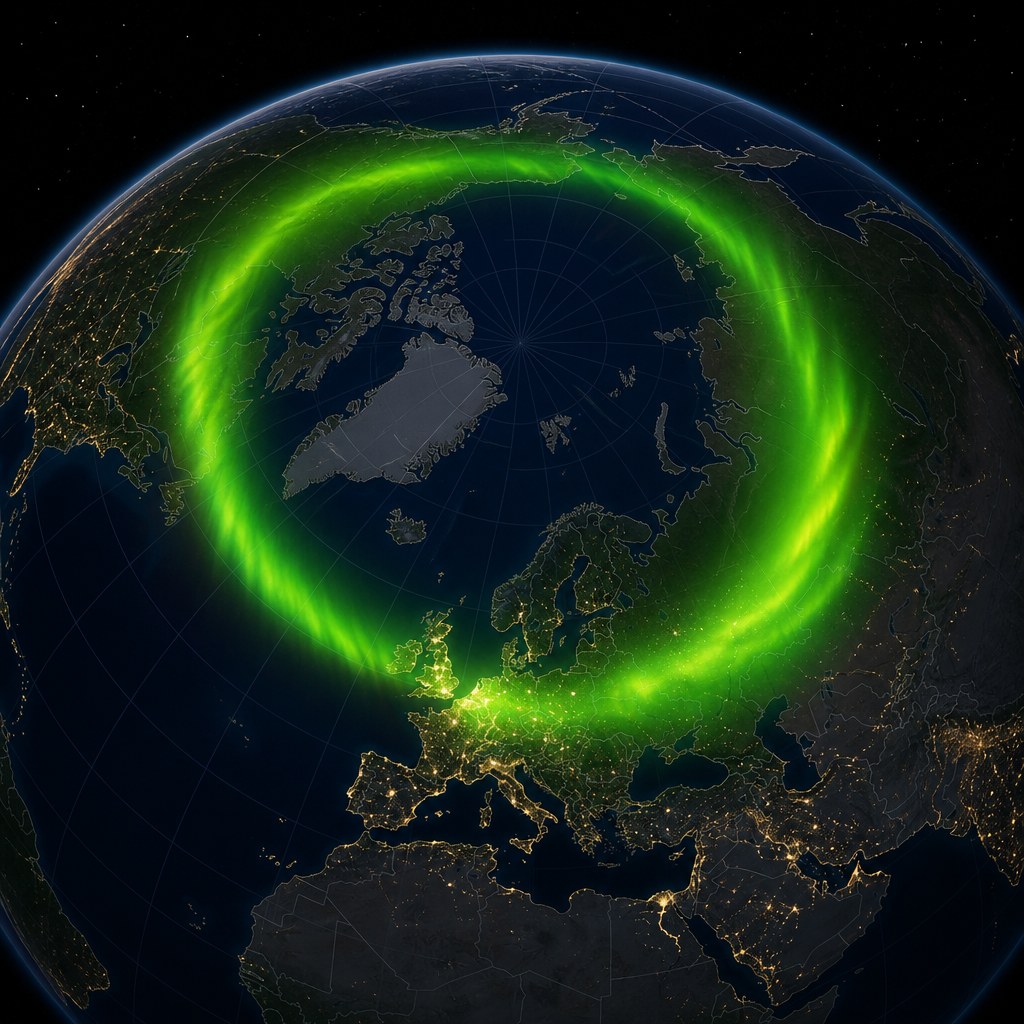
 Current Auroral Oval:


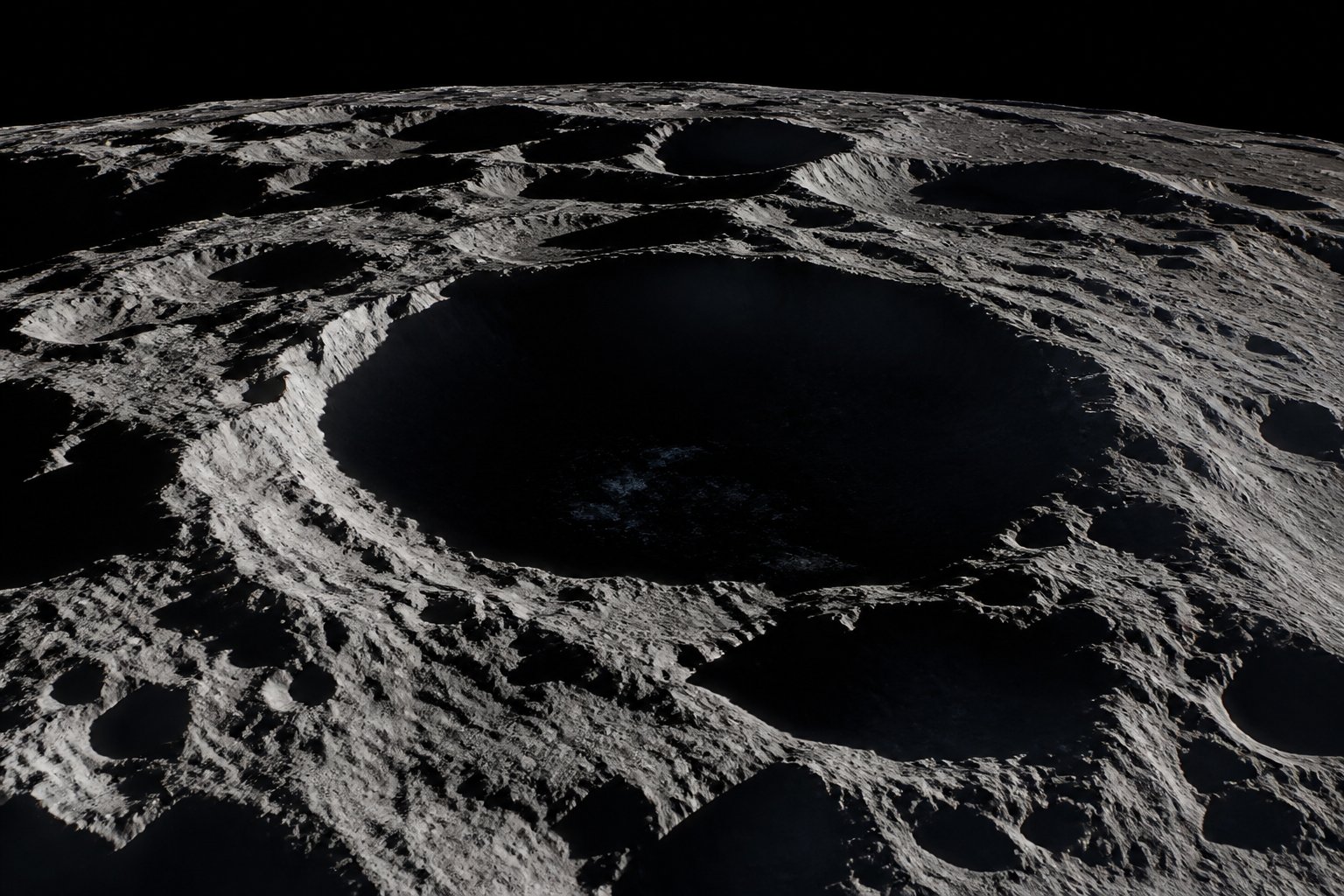
The Moon's south pole is a UK science target because the ice is a time capsule, not a flag
Permanently shadowed craters may hold water ice and a record of the inner Solar System. British instruments and laboratories are how that ice becomes evidence rather than a slogan.
The lunar south pole is fashionable because landing sites are scarce, sunlight is grazing, and ice in permanent shadow would be both a resource and a scientific archive. Scienception is interested in the archive. Water delivered by comets and wet asteroids, processed by billions of years of space weather, is a sample of the same inner Solar System that throws Perseids at Northumberland and meteorites at UKMON. A flag is a thinner story.
UK planetary groups already know how to interrogate extra-terrestrial ice and dust in laboratories. Diamond Light Source has a habit of looking at space materials at atomic scale. That terrestrial end of the pipeline is how a gram of polar ice becomes a paper instead of a press conference.
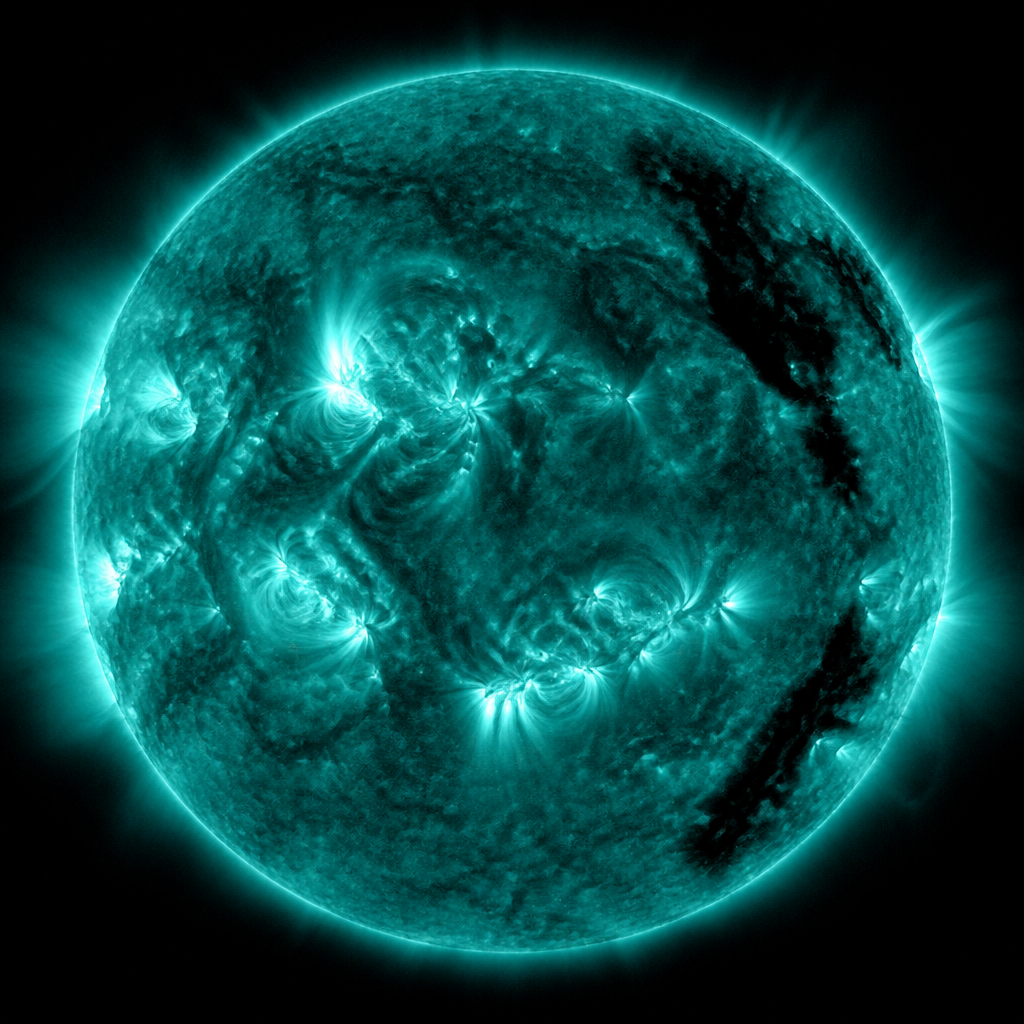
Space weather on the Moon is not an oval. It is solar wind implanting hydrogen, solar particle events sterilising a surface, and micrometeoroids gardening the regolith. Polar cold traps may preserve what equatorial dust forgets. That is a heliophysics sentence wearing a geology coat.
Illumination is an engineering weather
A lander on a rim lives in a world of long shadows and brief light. Power, thermal control and communications are all lighting problems. British smallsat and payload teams that already treat eclipse as a battery exam will recognise the mood, scaled up and slowed down.
Resource talk — fuel from ice — will dominate some coverage. File it as engineering speculation until a measured ice fraction exists. Science can proceed on smaller numbers. Hype cannot, or rather it can, and then it poisons the well.
A permanently shadowed crater is a freezer. The question is whether anyone brought a thermometer honest enough to read it.
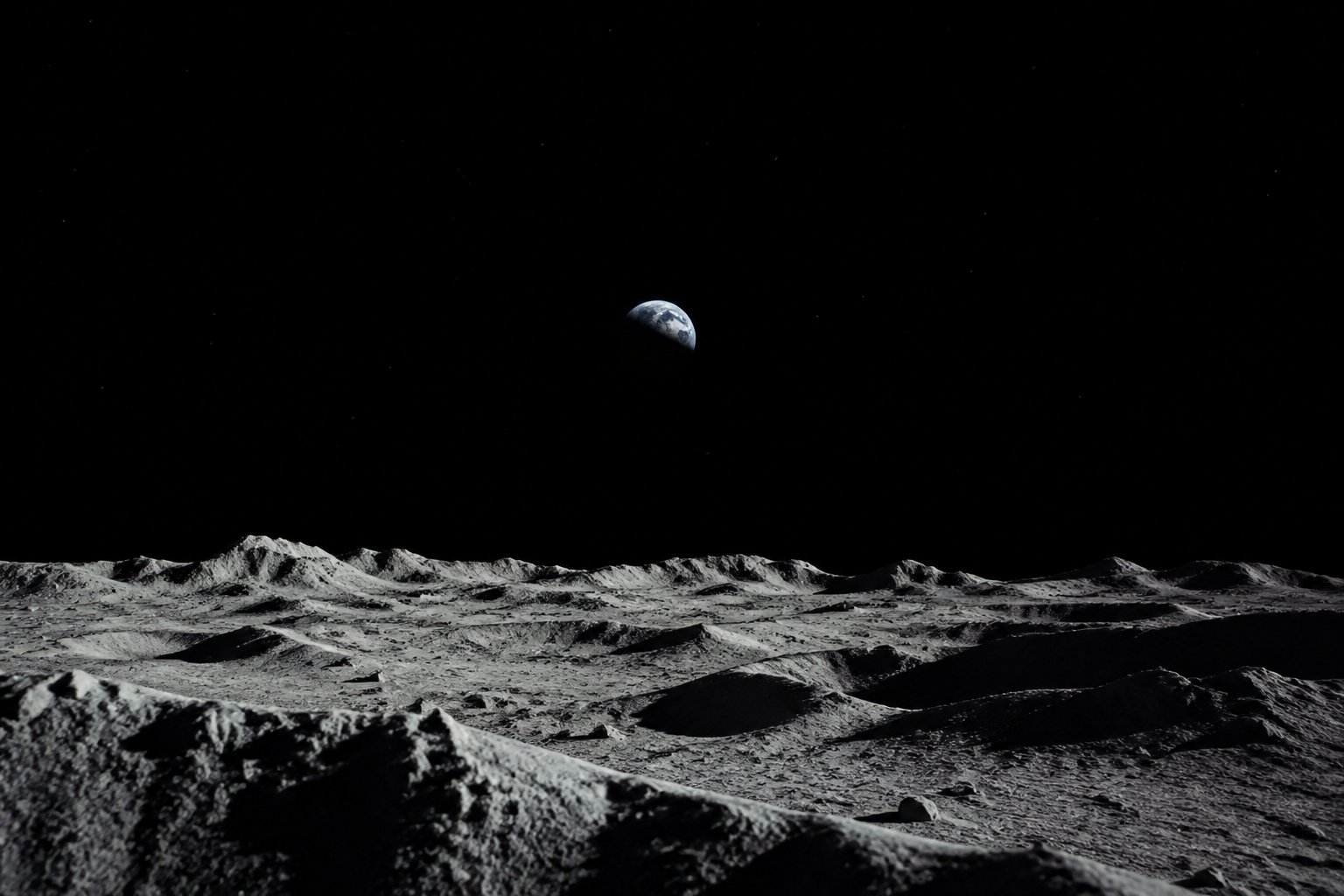
Meteorites already give the UK a cheap inner-Solar-System sample return. Polar lunar ice would be a complementary sample: volatiles that never had to survive an atmospheric fireball. Armagh's NEO work and UKMON's fireballs are not off-topic. They are the traffic that may have filled the freezer.
What Britain should actually fund
Instruments that measure, labs that receive, and people who can keep a chain of custody. Not a mural of an astronaut. If a UK payload flies, ask what it measures in the dark. If it does not fly, ask which ESA or NASA instrument British scientists will help calibrate. Both are real. One is louder.
Ethics of contamination and heritage sites will arrive as soon as boots do. Robotic polar science can still be done with a lighter footprint. Scienception will keep preferring the gram of ice to the speech.
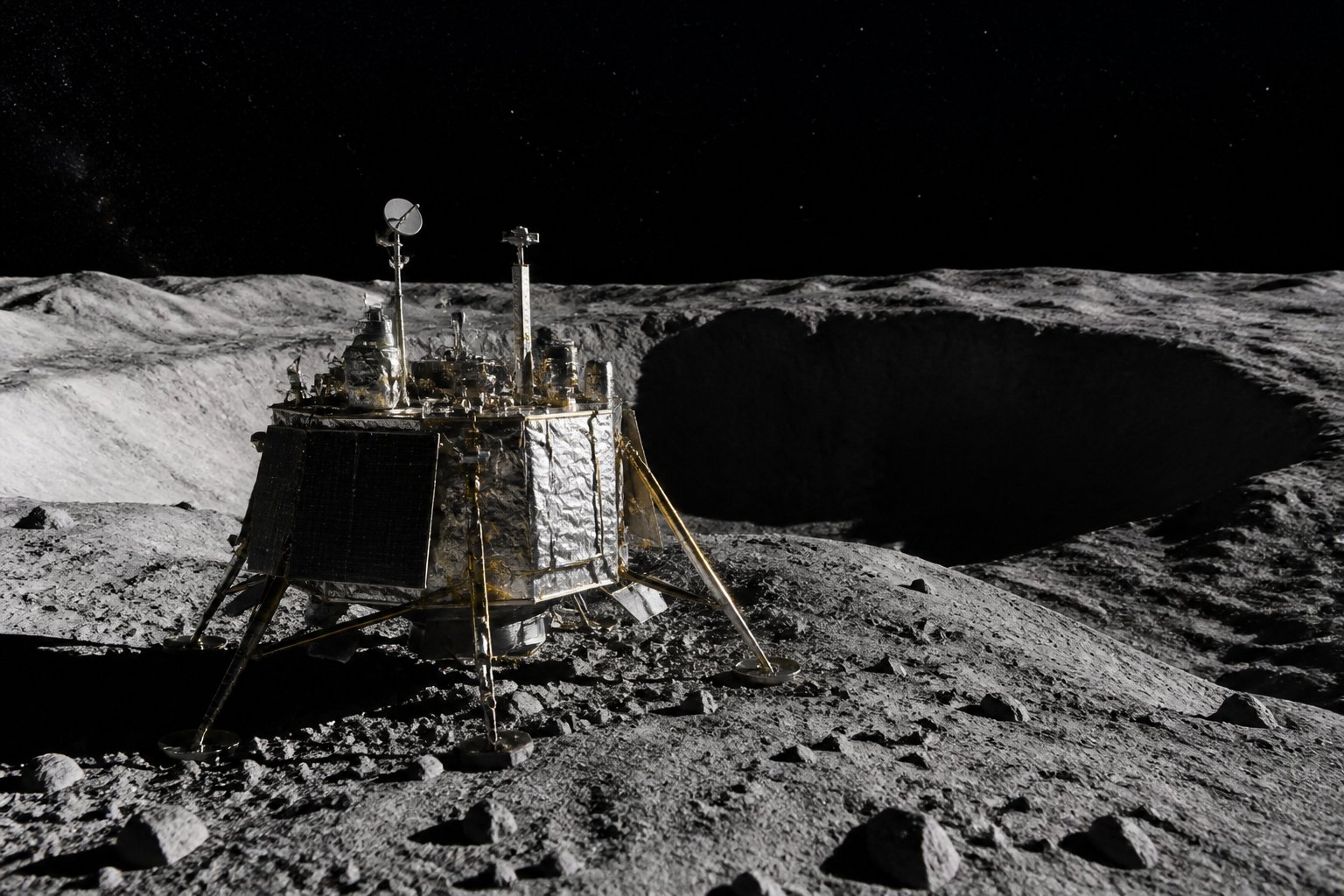
Schools can treat the south pole as a lighting-and-ice problem: draw the Sun on the horizon, mark the crater that never sees it, ask where water would stick. That is more honest than a colouring sheet of a flag.
We will come back when there is a published ice detection with uncertainty, a named instrument, and a British lab on the author list. Until then, treat every 'race to the pole' headline as sport. Sport is not a sample.
Further context for UK readers
Clementine, Lunar Prospector, LCROSS, Chandrayaan and later orbiters already sketched hydrogen at the poles. Sketch is the word. Ground truth is a different sport. Do not write as if the ice were a settled warehouse.
South pole-Aitken basin is a separate scientific prize: a window into the lunar interior. Mixing it with ice is convenient and sloppy. Name which prize a given landing site is for.
Solar-wind implanted volatiles versus comet-delivered ice is a discrimination problem. Spectroscopy and isotopes are how you tell. A shovel is not.
UK launch and spaceport stories do not automatically buy a polar payload. Do not launder a runway in Cornwall into a crater on the Moon. Different sentences.
If Artemis-era traffic increases, debris and exhaust at the poles become contamination variables. Planetary protection is not only Mars. Keep it in the polar ice story.
Open data from polar orbiters should be as easy to find as a MOSWOC watch. Hidden ice maps are how rumours start.
Ice as archive, not as slogan
Read this next to meteorites, NEOs and solar wind. The Moon's cold traps are a possible library of that traffic. Libraries need cataloguers. Scienception will keep asking for the catalogue.
Figures are illustrations, not a landing site designation. Corrections: info@scienception.com at Scienception LTD.
When a British-led measurement from the dark exists, it will lead the diary. Until then, we will keep the pole in the science column and out of the parade.
Regolith weather and a freezer
Solar-wind hydrogen implanted in quiet equatorial soil is a different reservoir from cold-trap ice. Mixing them in a paragraph is how you get a reader who thinks the whole Moon is damp. It is not. Most of it is a dry, sandblasted archive of particle weather. The poles may be the exception that makes the rule interesting.
Sample-return from a shadowed crater would be a chain-of-custody nightmare and a scientific prize. British labs that already handle meteorites know the nightmare. Invite them into the mission design early, or the ice will be a photo-op that melts in the wrong atmosphere.
Illumination maps of the south pole should be as public as a Met Office chart. Hidden lighting products are how landing-site rumours outrun measurements. Scienception will link official maps when they are the real maps, not when they are a render in a pitch deck.
Until then, treat every 'water factory on the Moon' headline as a resource wish wearing a science coat. We will keep hanging the coat up and asking for the ice fraction with an error bar.
Related on Scienception: Armagh and near-Earth objects · Diamond Light Source and space materials · UKMON fireballs and meteorites

