



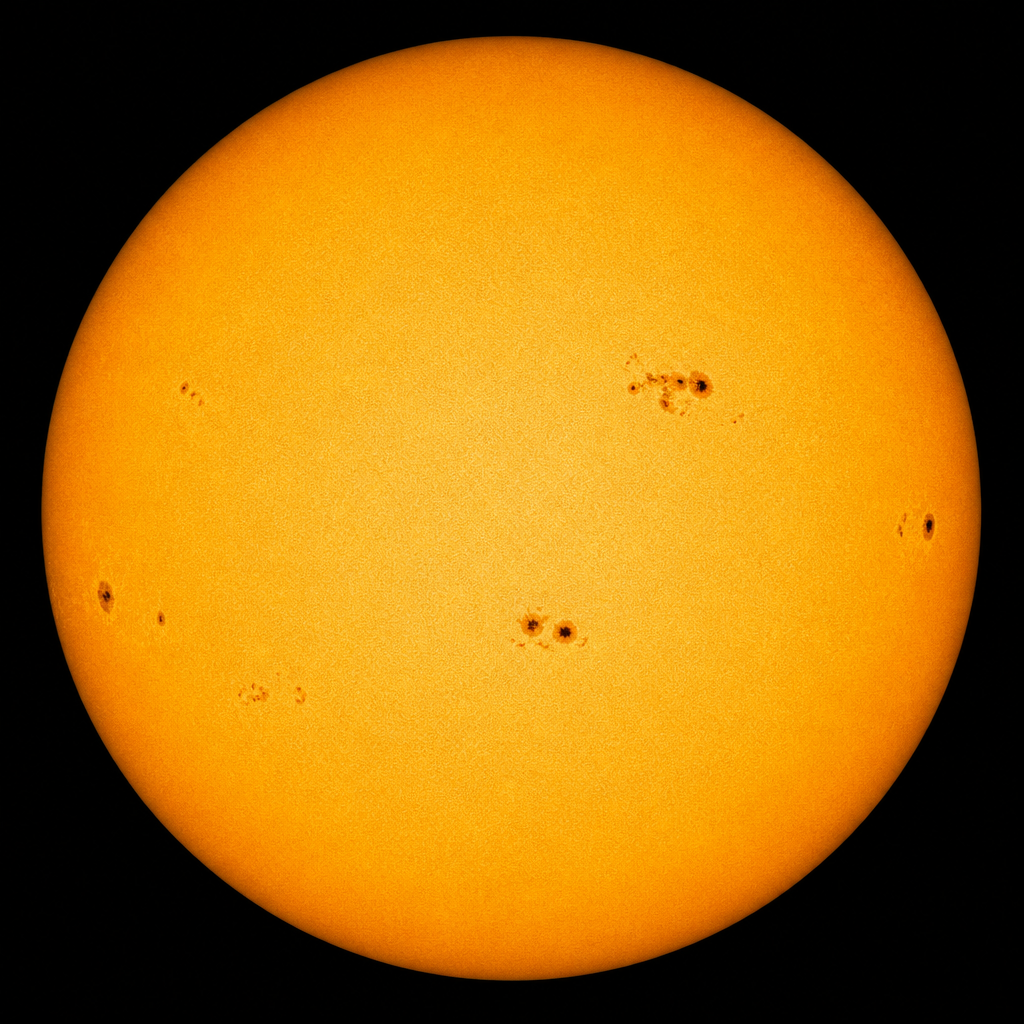
 Current Auroral Oval:
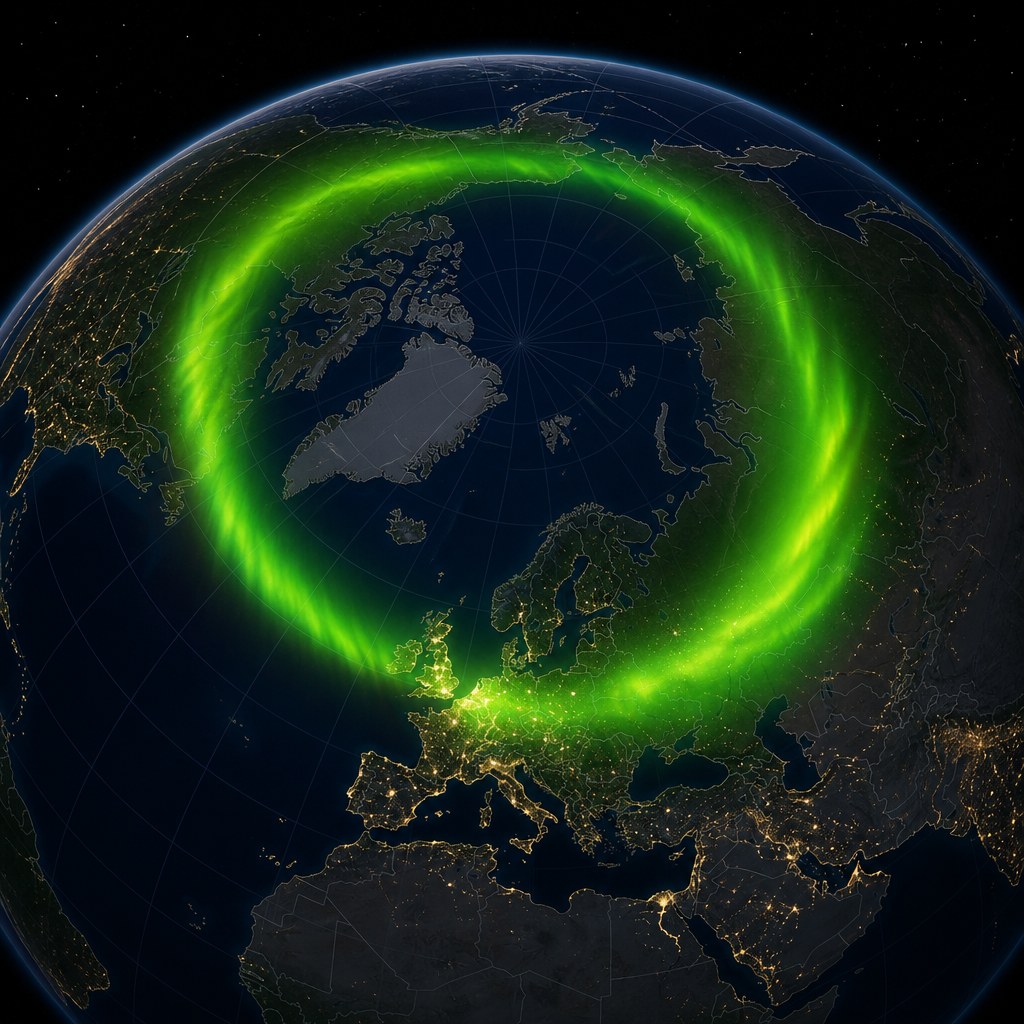


The 10.7 cm radio Sun is the index UK observers should actually quote
Sunspot number is famous. The 10.7 centimetre flux is the cleaner daily number for how lively the solar atmosphere is.
Every amateur page still leads with the sunspot number. It is a nineteenth-century index with charm and with known quirks of observer practice. The 10.7 cm solar radio flux — F10.7 — is a twentieth-century index with a cleaner operational life. It is measured daily at radio wavelengths around 2800 MHz and quoted in solar flux units. Ionospheric models eat it for breakfast. Scienception would like British stargazers to quote it at lunch.
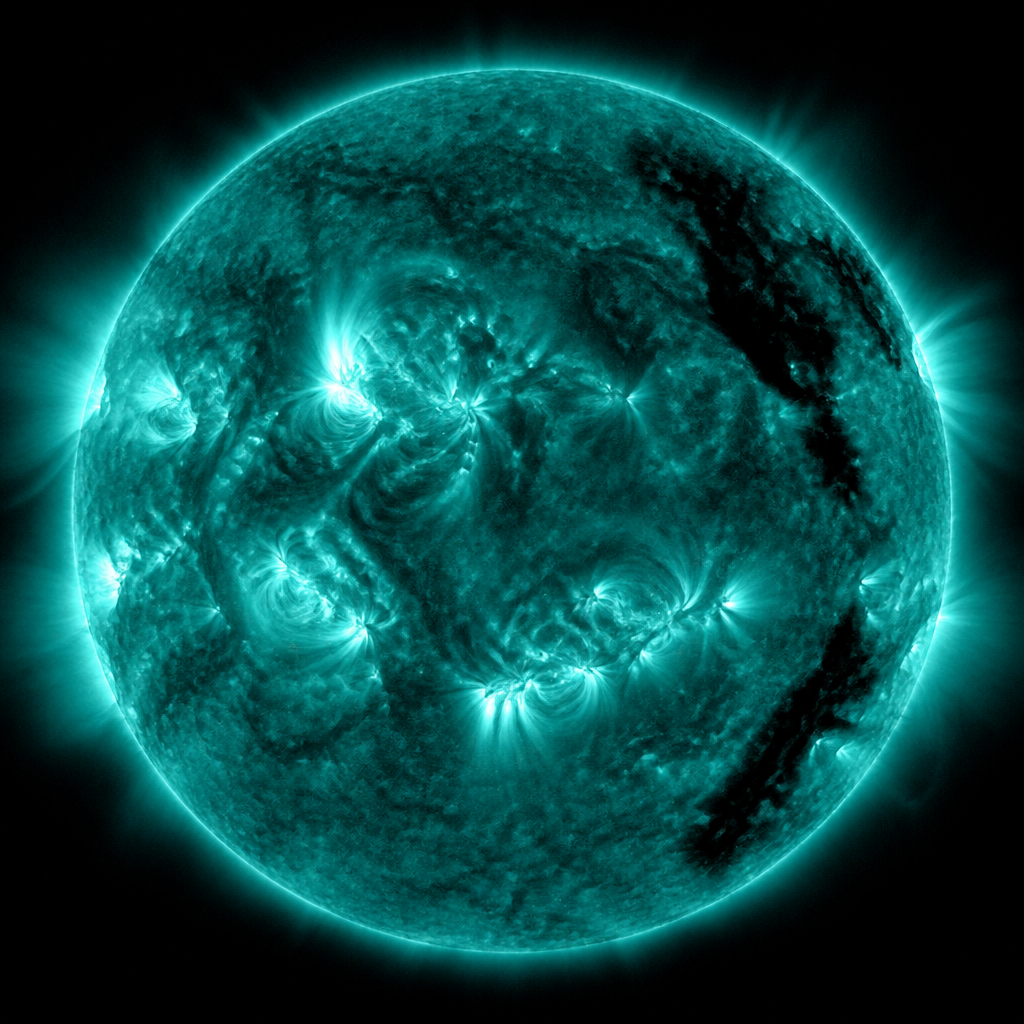
F10.7 rises and falls with the solar cycle because it senses thermal and non-thermal emission from the upper solar atmosphere. You can have a disk with modest spots and a still-elevated flux if plage and coronal structures are busy. You can also argue about calibration, but you are arguing about a physical measurement, not about whether a drawing counted a pore.
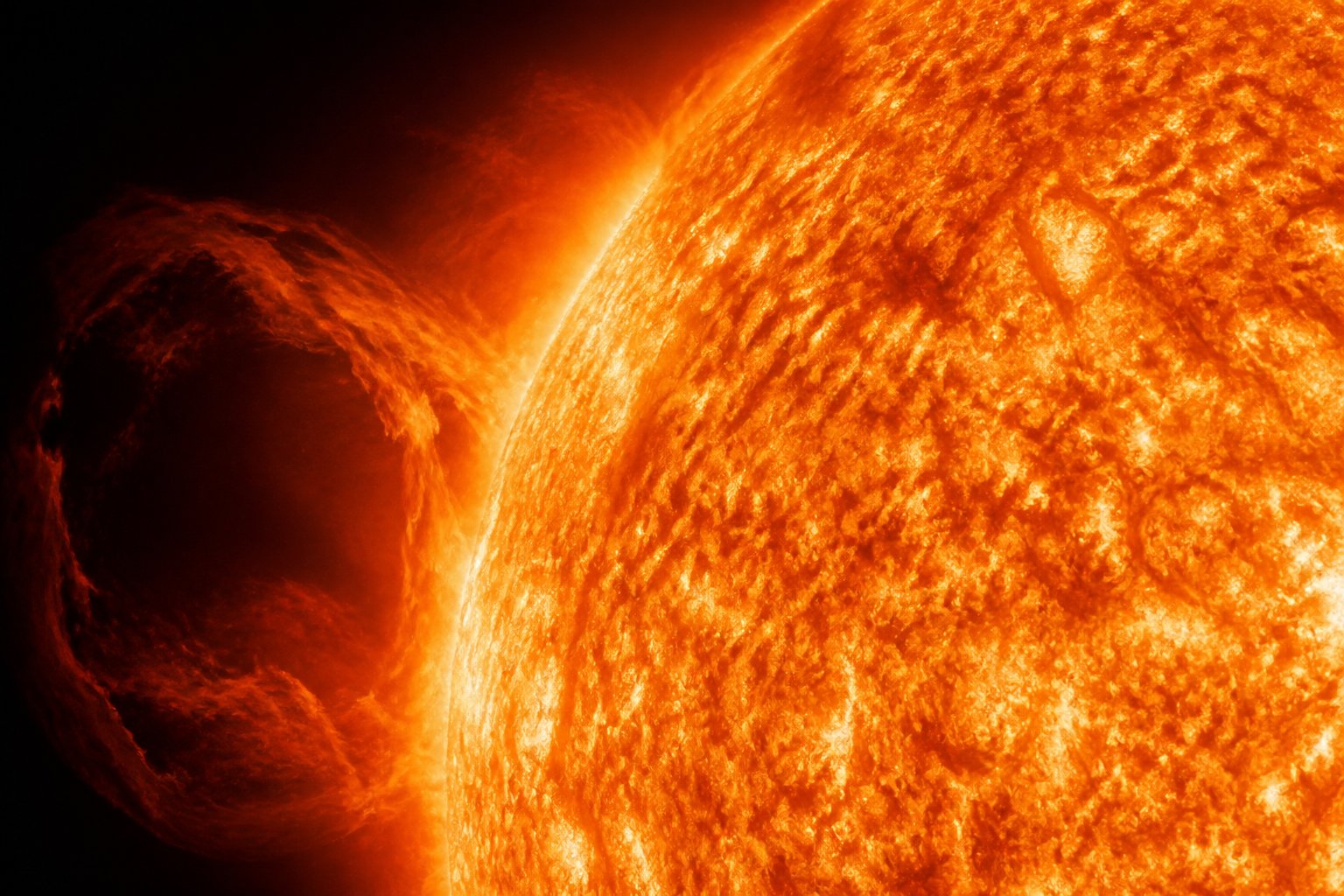
UK observers do not need to own a solar radio telescope. They need to stop treating a single sunspot photo as a forecast. Propagation on HF, satellite drag, and some GNSS delay models still lean on F10.7 or its cousins. If you want to know whether the ionosphere is 'on', this is a grown-up number.
A centimetre wavelength with a cult
Jodrell Bank and other UK radio sites are not the official F10.7 producers. The heritage measurement is associated with Canada. That does not make the index un-British to use. Science is allowed to be international. What would be silly is ignoring it because the dish is not in Cheshire.
Space-weather desks mix F10.7 with sunspot number, X-ray class, and solar-wind speed. None of them alone is a storm. Together they sketch a mood. A high flux plus a nasty active region plus a southward IMF is a sentence. A high flux alone is a climate.
If you only quote sunspot number, you are describing the Sun's acne. F10.7 is closer to a pulse.
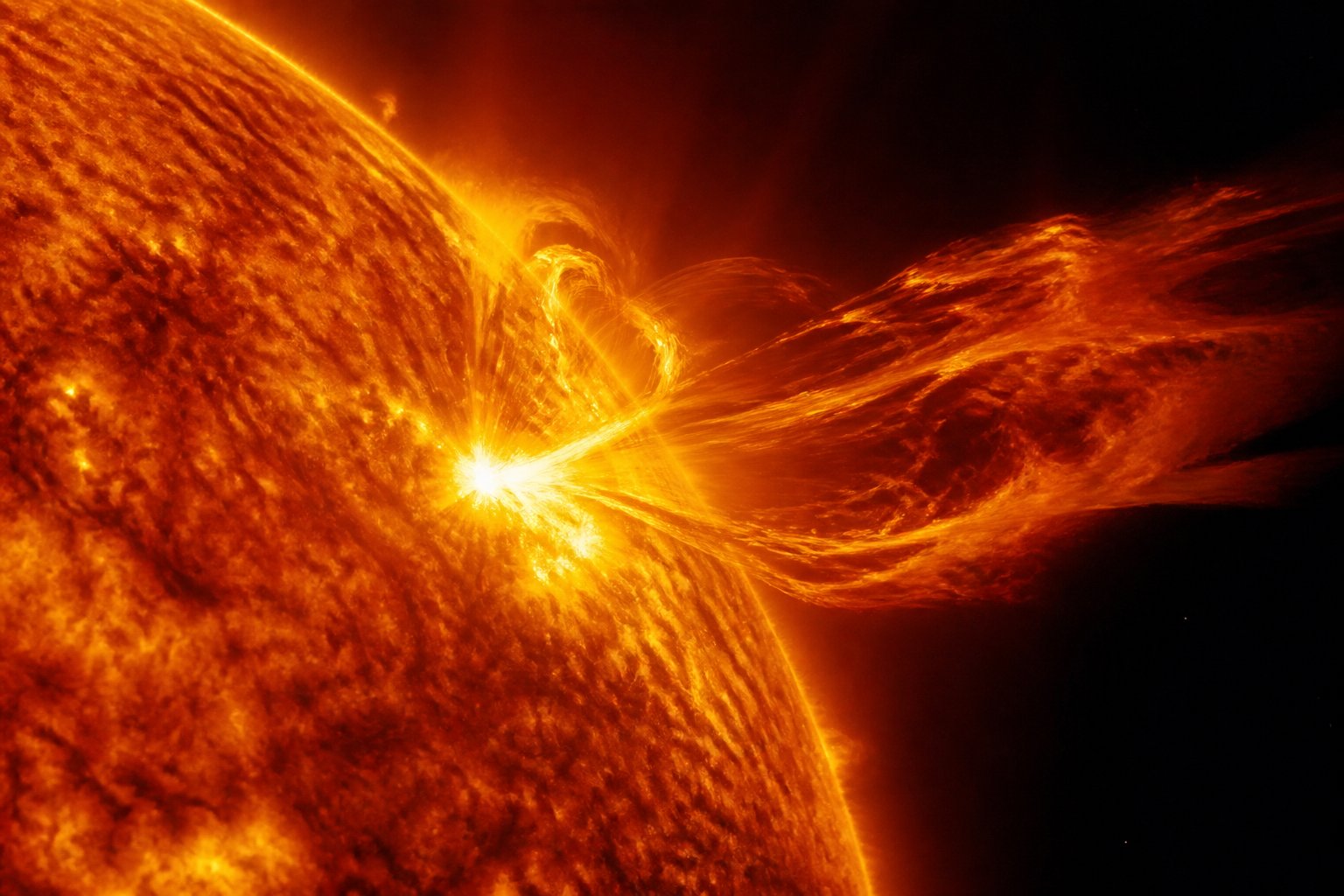
Teachers can use F10.7 as a time series in maths class. It is real data with a cycle, noise, and missing romance. Students who graph it understand solar maximum better than students who only see a red loop on social media.
How to use F10.7 without cargo-culting
There is a trap called persistence. Flux stays high for days. People then assume aurora tonight. Aurora cares about the magnetosphere's recent diet of Bz and speed, not about last Tuesday's radio brightness. Keep the indexes in their lanes.
Scienception will print F10.7 on the left rail because that is how operational pages have looked for a generation. We will also keep explaining it, because an unexplained number is just decoration.
If you run a school radio club, write F10.7 in the log header for a term. Watch how often 'bad conditions' line up with a dive or a spike. You will learn more than a year of generic space posters.
The Sun broadcasts in radio whether we listen or not. 10.7 centimetres is the station UK science journalism should keep tuned.
Further context for UK readers
Penticton's daily F10.7 is a foreign measurement we are allowed to use without a tariff. Citing it is not unpatriotic. Ignoring it because the dish is Canadian is unserious.
Ionospheric models in HF prediction software still want F10.7 or a clone. If your app asks for sunspot number only, it is approximating. Know that you are approximating.
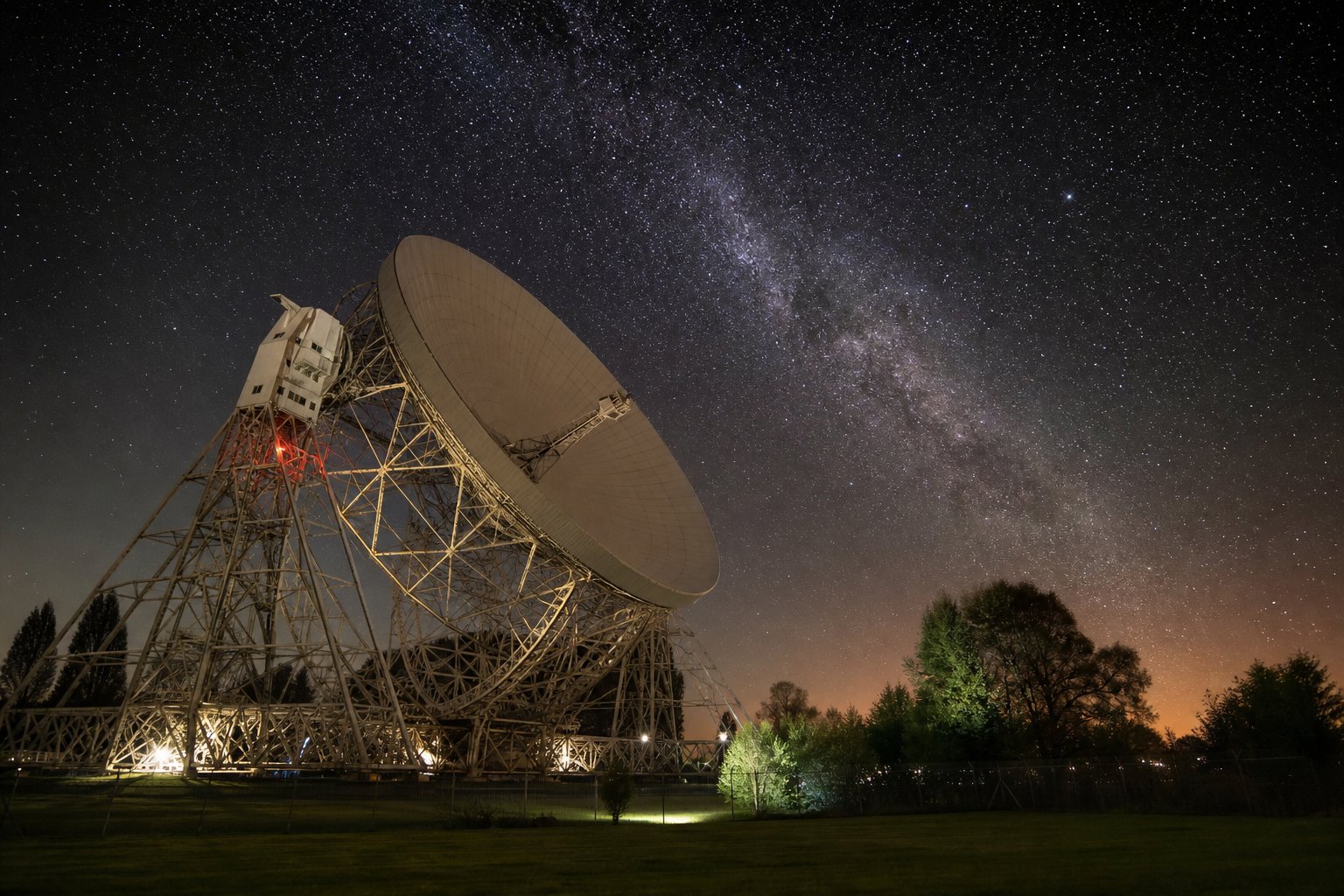
Jodrell's public identity is the Lovell dish. Its intellectual identity is calibration. That identity is why a Cheshire site still belongs in a solar-radio paragraph even when it is not the official flux station.
A high F10.7 with a quiet magnetosphere is a climate, not a storm. Repeat until the aurora group chat learns it. Scienception is willing to be tedious.
Teachers can overlay F10.7 on a sunspot-number plot and ask students why they disagree in places. Disagreement is the lesson. Agreement would be suspicious.
Satellite drag models also drink F10.7. Constellation operators who only watch Kp are watching the wrong cocktail for decay. The radio Sun is in the orbital weather too.
Historical reconstructions of F10.7 before the radio era are a research cottage industry. They matter for long space-climate papers. They do not matter for tonight's 40-metre band. Keep the timescales honest.
Put the number on the blackboard. 132 sfu means something once you have seen 70 and 200. Literacy is comparative.
How to read this on a UK science desk
What a careful UK reader should actually do with this story is slower than a social feed wants. The live wires are: Penticton F10.7, ionospheric models, satellite drag, sunspot disagreement, classroom time series. If a paragraph does not touch one of those wires, it is probably colour. Colour is allowed. It is not a substitute for a product page at the Met Office, BGS, UKRI, ESA, the UK Space Agency, NATS, the CAA, Ofcom, UKAEA, NHS England or the laboratory named in the sources list. Scienception prints editorial snapshots on the left-hand rail so the homepage feels like a conditions desk in the old space-weather style. Those figures are not a live operational feed. If you are making a decision about aviation, the grid, a licence, a clinical pathway or a launch commit, leave this tab and go to the authority, then come back for the argument.
British geography keeps deciding supposedly global science. Magnetic latitude, Atlantic cloud, a coal switchyard, a dark-sky park, a Clyde clean room, a synchrotron on a former airfield, an ice-shelf station, a parish lighting rule: these are not decorations on radio sun flux uk observers. They decide whether a result is operational for this country or merely interesting. A model that cannot be checked against a UK sensor is tourism. A policy that cannot be walked to a protocol is speech. We will keep dragging the global noun back to a named place.
There is a records problem in the background of this beat. Time series die when programmes end, when students leave, and when a dashboard is funded instead of a person who knows a sensor's quirks. The cheap way to look modern is a new visualisation. The expensive way that works is to keep the ugly log alive. Magnetograms, ionosondes, light curves, beam-test files, trusted research environments, licence PDFs and anomaly reports are how a democracy stays in the measurement business when the solar cycle, the debris environment or a carbon budget stops being polite.
The public conversation still swings between panic and shrug. Hold two true sentences at once. A minor geomagnetic watch is not a national blackout. A stored tonne of carbon is not a groundbreaking party. A nova that has not erupted is not a failure. A satellite train is not an invasion. Scienception will keep writing as if readers can cope with a caveat, a map, a table and a link. That is the minimum adult form of UK science news, and it is the house style for this article as much as for the conditions rail.
If you work in a school, use the primary links as a single homework: open the Met Office or BGS or ESA page, write down what the official product actually says, and compare it with our kicker. If you work in a control room, steal only the method: name the sensor, name the failure mode, name the British place that would feel it. If you only wanted a picture, look at the figures, then look at the sources. The figures are illustrations. The sources are how you check us. Corrections remain info@scienception.com at Scienception LTD.
Related on Scienception: Solar Orbiter's UK magnetometer is still teaching us how the Sun braids its field · G1 watch puts Shetland and Northern Ireland on aurora alert · BGS magnetometers map the quiet currents that stress the grid

