



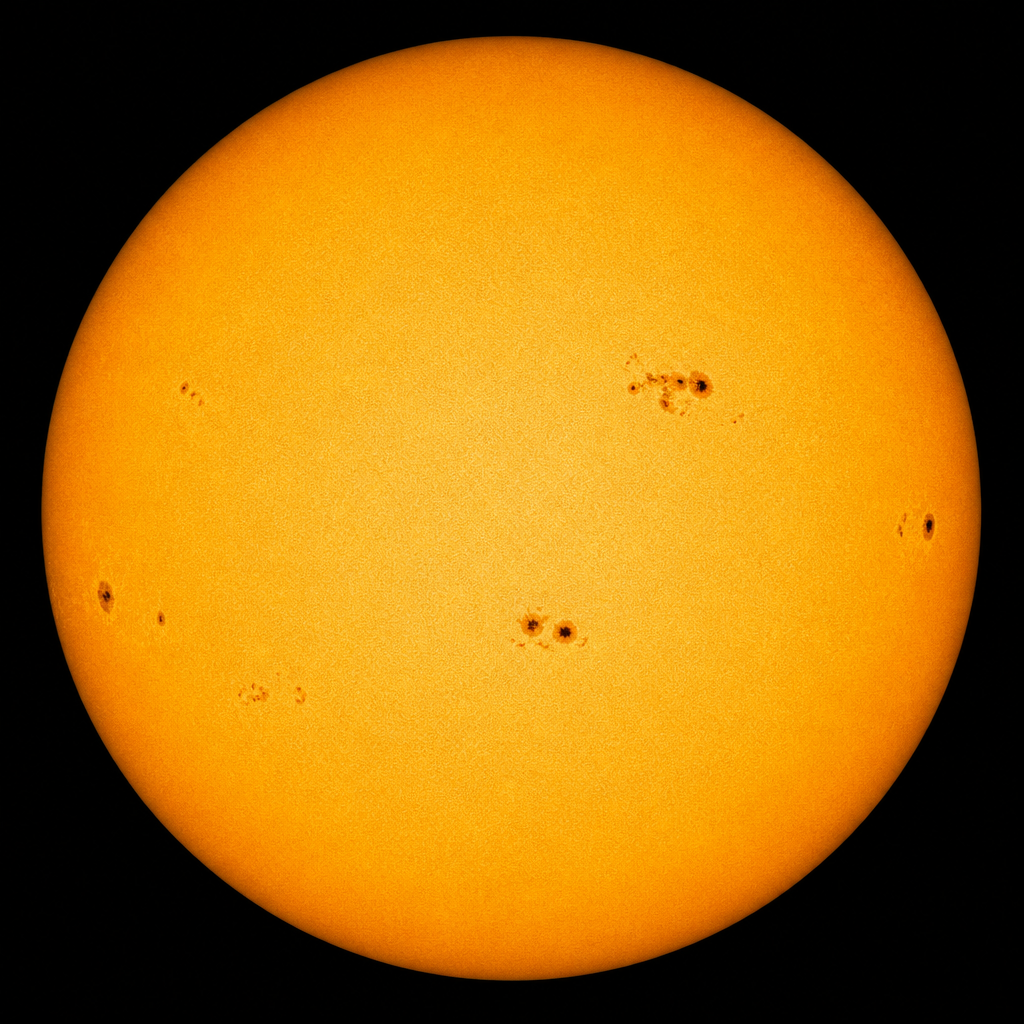
 Current Auroral Oval:
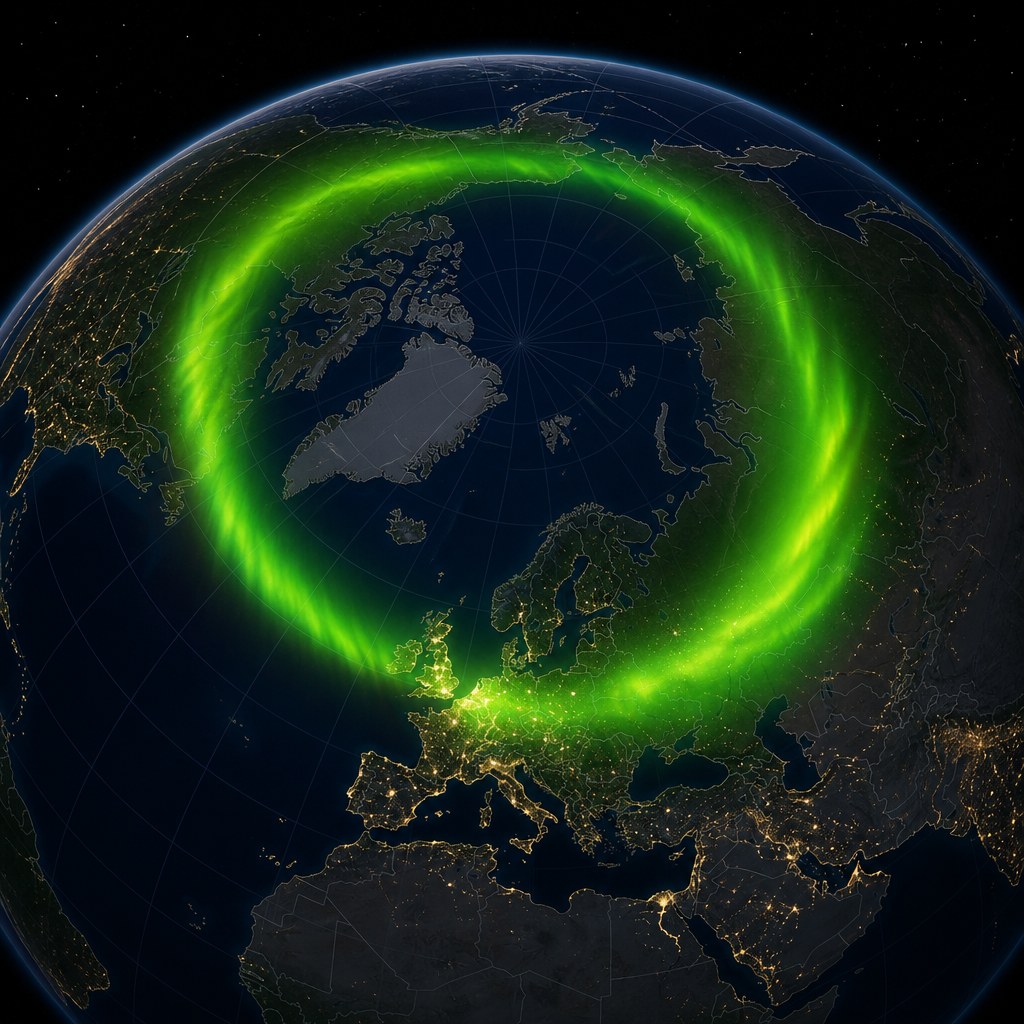


G1 watch puts Shetland and Northern Ireland on aurora alert
The Met Office Space Weather Operations Centre has issued a minor geomagnetic storm watch. High-latitude Britain is the place to look.
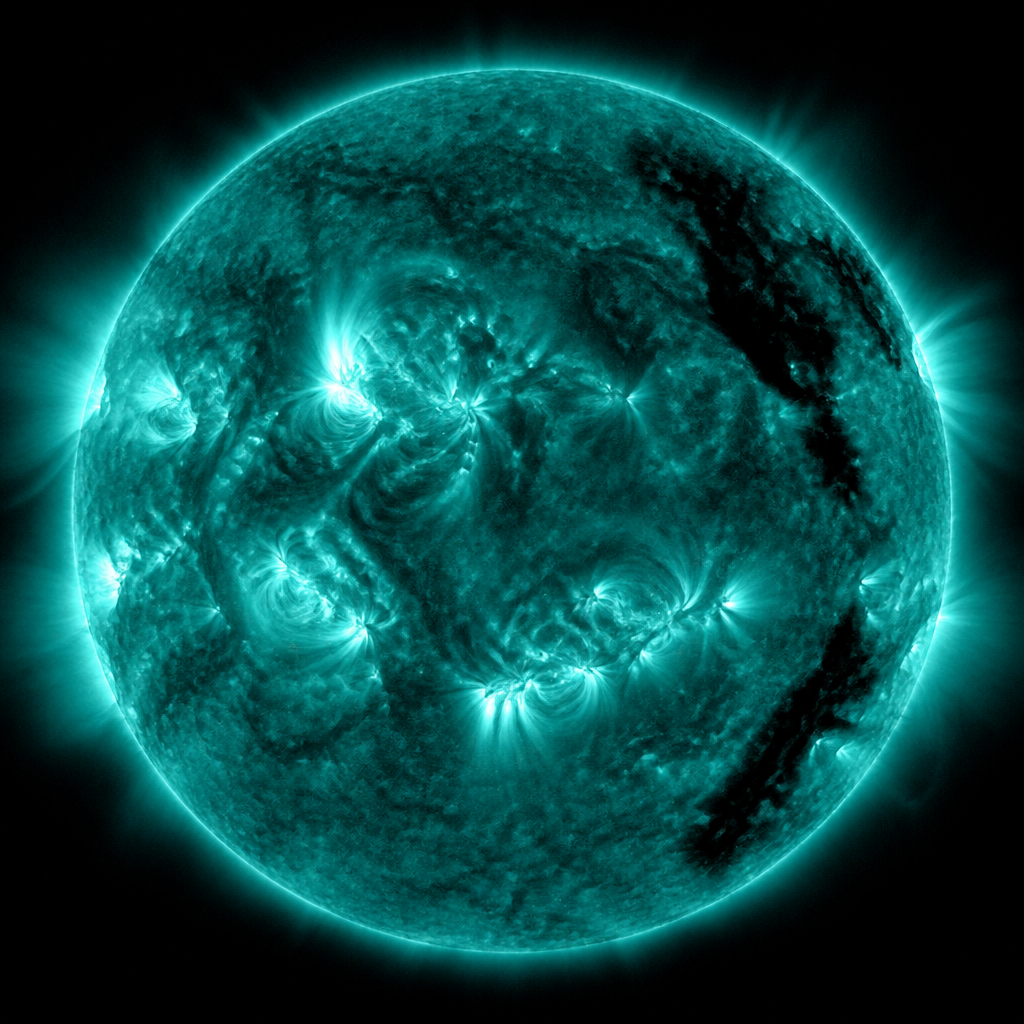
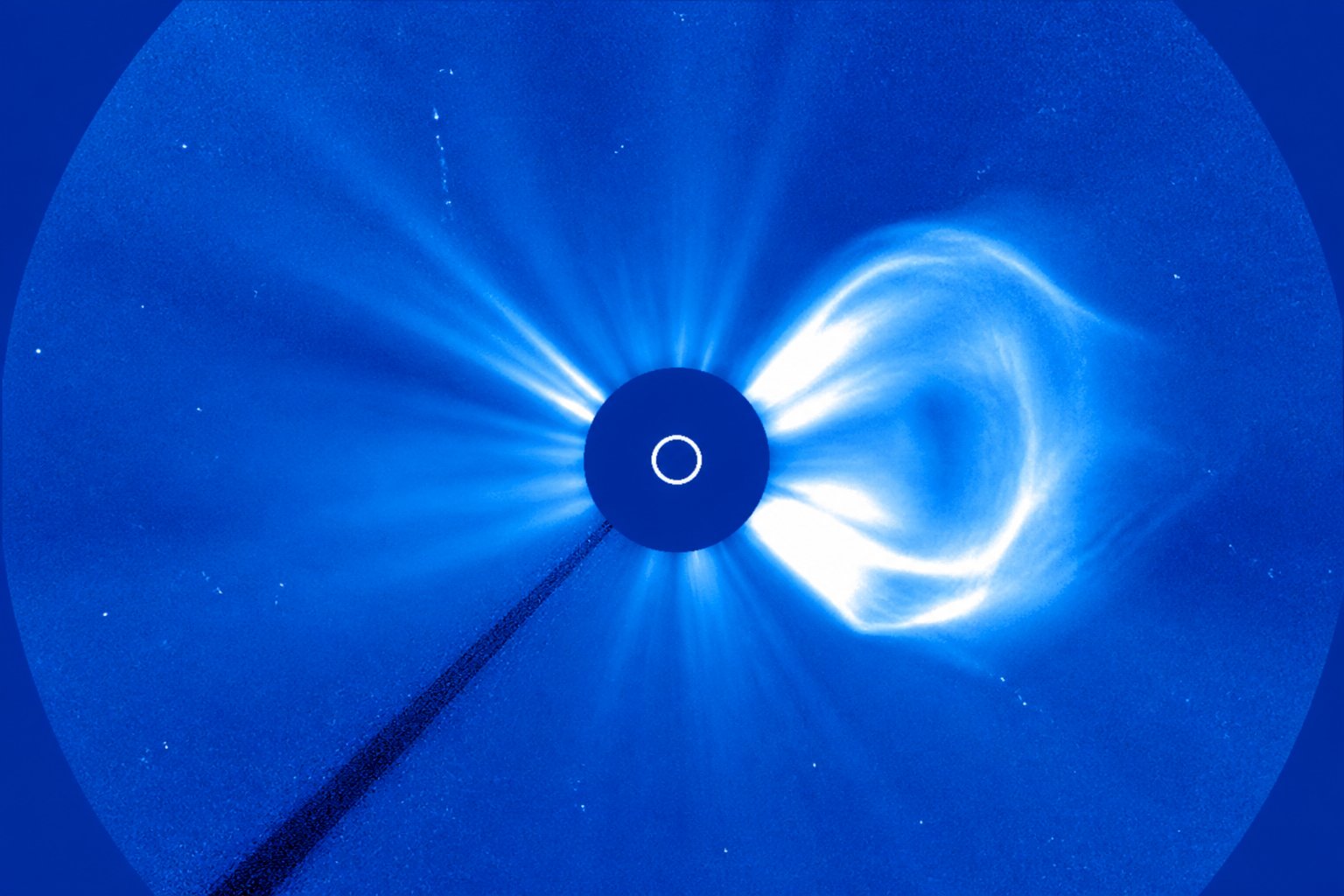
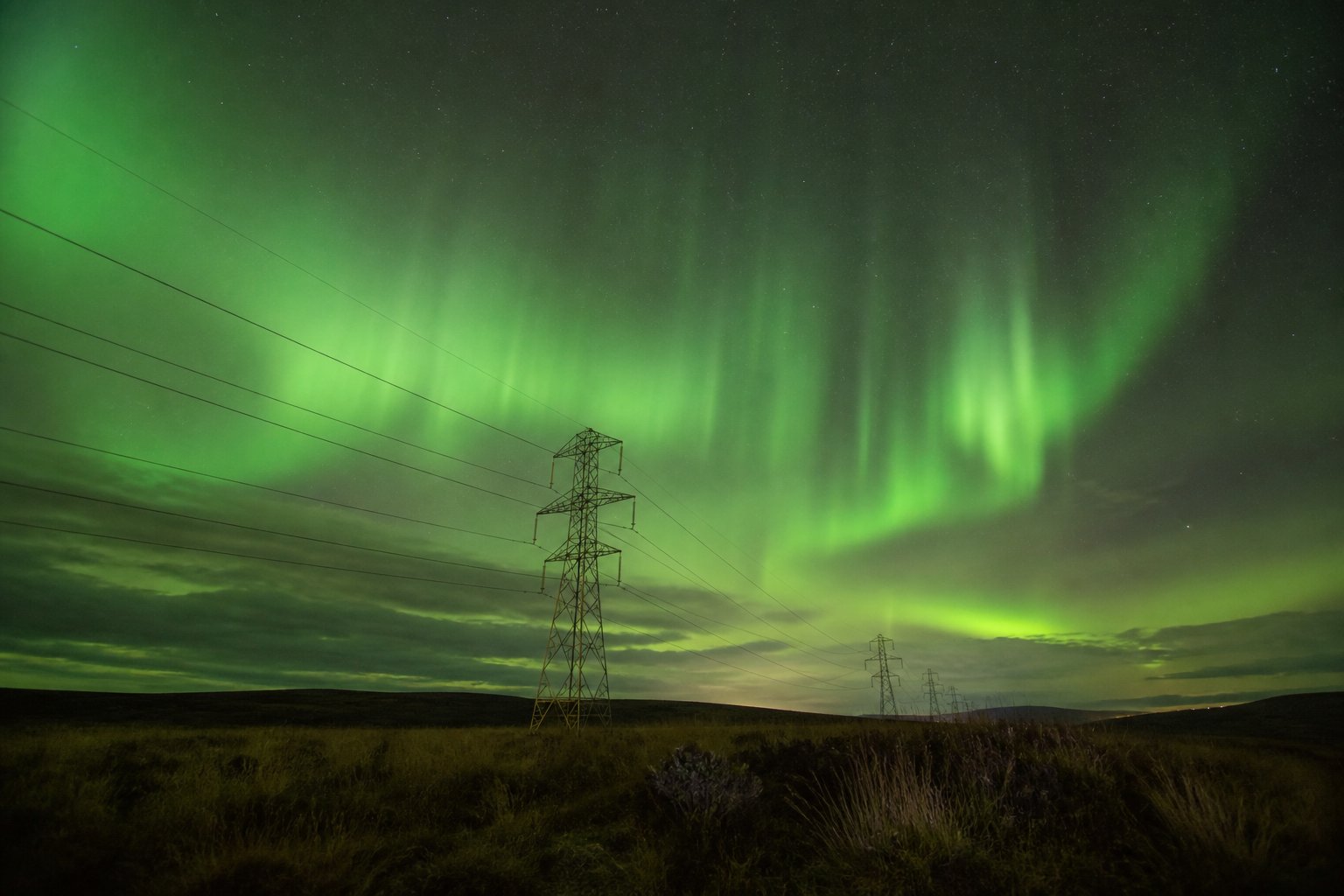
A glancing coronal mass ejection is due to brush Earth's magnetic field overnight, and the Met Office Space Weather Operations Centre (MOSWOC) in Exeter has posted a G1 — minor storm — watch. For most of England the practical effect will be a slightly restless magnetometer trace and nothing in the sky. For Shetland, Orkney, the Outer Hebrides and, with luck, the north coast of Northern Ireland, it is the first genuine aurora chance of the late-summer dark. Scienception is treating the watch as a high-latitude story, not a national light show.
G-scale language still leaks into British coverage from US products, but the underlying physics is local. When the interplanetary magnetic field turns south and solar-wind speed rises, currents in the ionosphere intensify. Those currents light the oval and, if they grow, drive geomagnetically induced currents in long conductors. MOSWOC's job is to translate spacecraft data into guidance that National Grid, NATS and the Ministry of Defence can actually use. Amateur photographers are a side effect, not the customer.
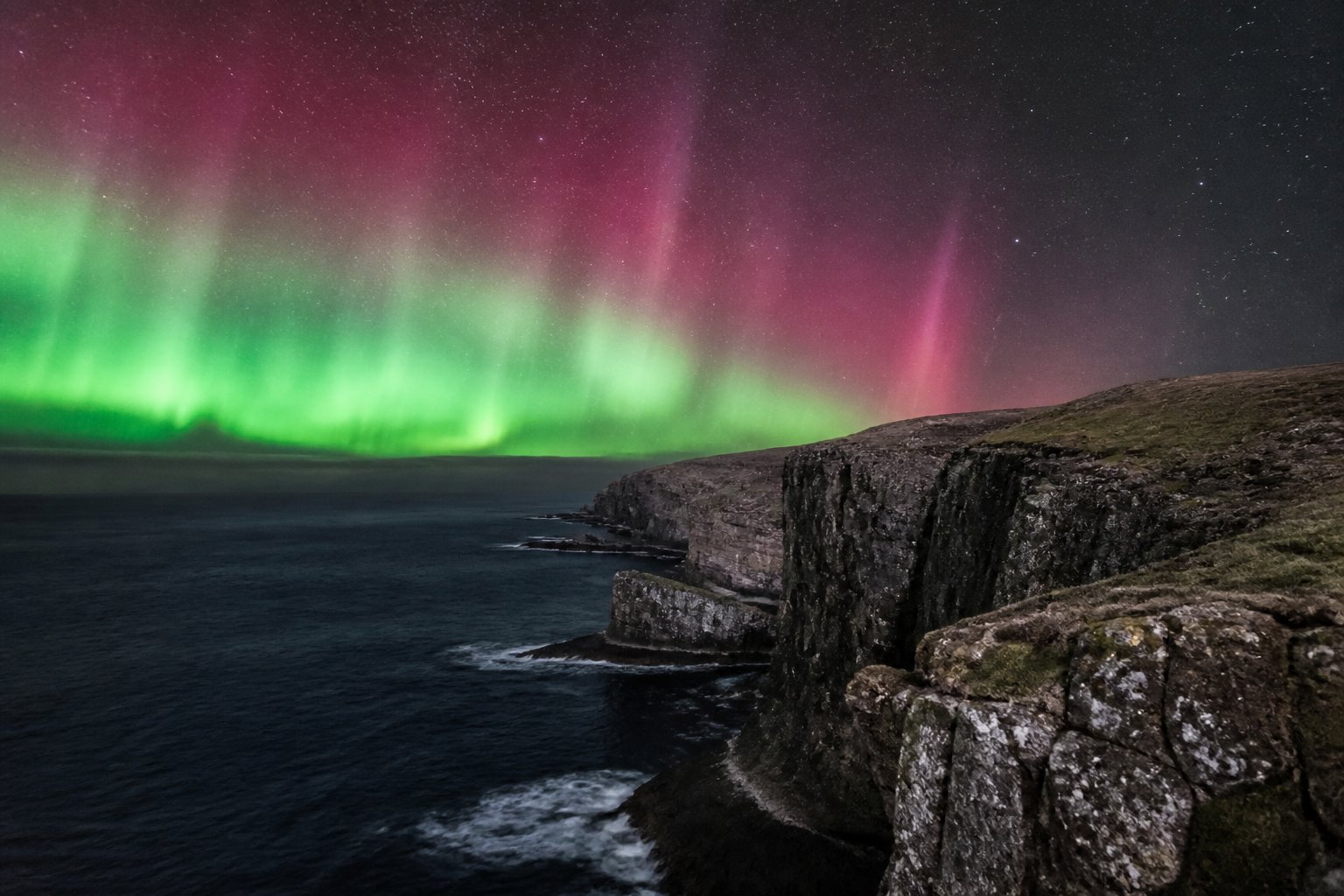
Lancaster University's AuroraWatch UK network remains the most honest public signal. A yellow alert means activity is elevated; red means a display is more likely from northern Scotland. The service is built on magnetometers, not social-media rumours. If the oval only reaches 62 degrees magnetic latitude, Lerwick has a chance and Manchester does not. That geographic honesty is why AuroraWatch still matters more than a viral phone picture taken under streetlights.
What a G1 watch actually means for the UK
Shetland sits under a part of the oval that can light up during quiet-to-unsettled conditions that would leave the Midlands dark. Islanders already know the difference between a G1 and a G3: the former is a green arc low on the northern horizon, the latter can send colour down the spine of Britain. Tonight's run of models favours the modest end. Cloud remains the real antagonist. The Met Office's own tropospheric forecast for the Northern Isles is a messy mix of clear slots and fast Atlantic fronts.
Further south the odds collapse quickly. County Antrim and north Donegal sometimes catch a glow when Kp sits near 5. Cumbria needs more. The Chilterns need a proper storm. Scienception will not pretend otherwise. The useful public message is simple: if you already live under dark northern skies, look north after local midnight; if you do not, enjoy the magnetometer plots and wait for a stronger event.
A G1 watch is not a promise of colour over Birmingham. It is a statement that the solar wind has become interesting enough for the auroral oval to bulge toward Scotland.
There is an infrastructure footnote. Even a G1 can nudge GPS positioning errors and high-frequency radio. NATS procedures already assume that GNSS can degrade without the sky turning green over Heathrow. Grid operators watch BGS indices more than they watch Instagram. A minor storm is a drill as much as a spectacle: it tests whether the watch-to-warning pipeline still works when the CME is only a glancing blow.
How to watch without chasing a rumour
Photographers should expose for a dark landscape, not for a neon curtain that may never arrive. A 15-second frame at moderate ISO on a tripod will record a faint arc that the eye barely sees. Phone night modes often invent purple. If the Bz component of the interplanetary field stays north, the whole watch can fizzle. That is not a forecasting failure. It is space weather.
MOSWOC updates are issued in UT. British Summer Time lags by one hour, which still trips people who set alarms from an American dashboard. Use the Met Office page, AuroraWatch, and the BGS observatory plots from Lerwick and Hartland. If the watch is upgraded to a warning, the oval may dip. If it is cancelled, go back to bed. Either way the Sun will throw another cloud at us before winter.
Schools in the Northern Isles have started treating aurora watches as a cheap, genuine STEM moment: a reason to talk about magnetic reconnection without a slide deck. That is the healthiest cultural response to space weather. Not panic about the grid. Not disappointment that London stayed orange. Just a northern sky that, on some nights, remembers it is connected to the Sun.
Tomorrow's archive page on Scienception will record whether the oval cooperated. The physics lesson stands regardless. Britain is a high-latitude country only in its northern third. The rest of us live in the cheap seats, and we should learn to love a good magnetometer.
Further context for UK readers
Exeter's MOSWOC desk sits inside a weather service that already knows how to talk to the public about rain. Space weather has not yet inherited that tone of voice. A G1 watch still arrives as a specialist product, parsed by aurora hunters and ignored by almost everyone else. The gap is cultural more than technical. The same organisation that can colour a flood warning on an app could, in principle, badge a geomagnetic watch with a latitude footnote. Until it does, Scienception will keep translating.
Lerwick Observatory's magnetometer is the island's unromantic oracle. When the field jumps, the oval is not a rumour. When it sits still, no amount of hopeful cloud-gaps will invent electrons. Islanders who grew up with both gales and green arcs already treat the two weathers as cousins. Mainland coverage still insists on treating aurora as a lottery ticket.
Orkney's darker parishes, especially away from Kirkwall's harbour lights, sometimes outperform Shetland on a given night simply because a front missed them. Microclimates beat solar-wind models at the last mile. That is not a reason to ignore the models. It is a reason to stand outside for twenty minutes instead of doom-scrolling a group chat.
Northern Ireland's case is politically and magnetically interesting. Magnetic latitude puts the north coast closer to the oval than Yorkshire. Light pollution in Belfast is a different antagonist from Lerwick's sodium. A faint glow over the Antrim coast is a success. A demand for curtains over the M2 is a category error.
Forecasters also watch solar-wind density, not only speed. A fast, empty stream can be prettier in a plot than a slower, dense one that actually couples. Coupling is the verb. Photographers who only quote kilometres per second are quoting half a sentence.
Historical UK displays in 1938, 1989 and 2003 still sit in newspaper archives as 'northern lights seen in the south'. Those were not G1 nights. Invoking them during a minor watch is how you train the public to ignore you next time. Keep the museum pieces in the museum until Kp is actually rude.
Radio amateurs on Shetland will hear the D-layer and the auroral oval as hiss and flutter. Their logs are a parallel dataset. If a school in Lerwick ran a simple HF receiver next to a magnetometer plot, the lesson would outlast the watch.
The glancing-CME problem is geometry. A halo in a coronagraph is not a promise. A model ensemble that disagrees by twelve hours is not incompetence. Report the spread. Scienception will keep printing the spread even when a single arrival time would look tidier on a homepage.
How to read this on a UK science desk
What a careful UK reader should actually do with this story is slower than a social feed wants. The live wires are: Lerwick magnetometer traces, Met Office tropospheric cloud, AuroraWatch colours, UT versus BST, National Grid as a silent customer. If a paragraph does not touch one of those wires, it is probably colour. Colour is allowed. It is not a substitute for a product page at the Met Office, BGS, UKRI, ESA, the UK Space Agency, NATS, the CAA, Ofcom, UKAEA, NHS England or the laboratory named in the sources list. Scienception prints editorial snapshots on the left-hand rail so the homepage feels like a conditions desk in the old space-weather style. Those figures are not a live operational feed. If you are making a decision about aviation, the grid, a licence, a clinical pathway or a launch commit, leave this tab and go to the authority, then come back for the argument.
British geography keeps deciding supposedly global science. Magnetic latitude, Atlantic cloud, a coal switchyard, a dark-sky park, a Clyde clean room, a synchrotron on a former airfield, an ice-shelf station, a parish lighting rule: these are not decorations on moswoc g1 shetland aurora. They decide whether a result is operational for this country or merely interesting. A model that cannot be checked against a UK sensor is tourism. A policy that cannot be walked to a protocol is speech. We will keep dragging the global noun back to a named place.
There is a records problem in the background of this beat. Time series die when programmes end, when students leave, and when a dashboard is funded instead of a person who knows a sensor's quirks. The cheap way to look modern is a new visualisation. The expensive way that works is to keep the ugly log alive. Magnetograms, ionosondes, light curves, beam-test files, trusted research environments, licence PDFs and anomaly reports are how a democracy stays in the measurement business when the solar cycle, the debris environment or a carbon budget stops being polite.
The public conversation still swings between panic and shrug. Hold two true sentences at once. A minor geomagnetic watch is not a national blackout. A stored tonne of carbon is not a groundbreaking party. A nova that has not erupted is not a failure. A satellite train is not an invasion. Scienception will keep writing as if readers can cope with a caveat, a map, a table and a link. That is the minimum adult form of UK science news, and it is the house style for this article as much as for the conditions rail.
If you work in a school, use the primary links as a single homework: open the Met Office or BGS or ESA page, write down what the official product actually says, and compare it with our kicker. If you work in a control room, steal only the method: name the sensor, name the failure mode, name the British place that would feel it. If you only wanted a picture, look at the figures, then look at the sources. The figures are illustrations. The sources are how you check us. Corrections remain info@scienception.com at Scienception LTD.
Related on Scienception: BGS magnetometers map the quiet currents that stress the grid · SWIMMR is the quiet programme that taught Britain to model storms · RAL Space still builds the UK's eyes on the solar wind

