



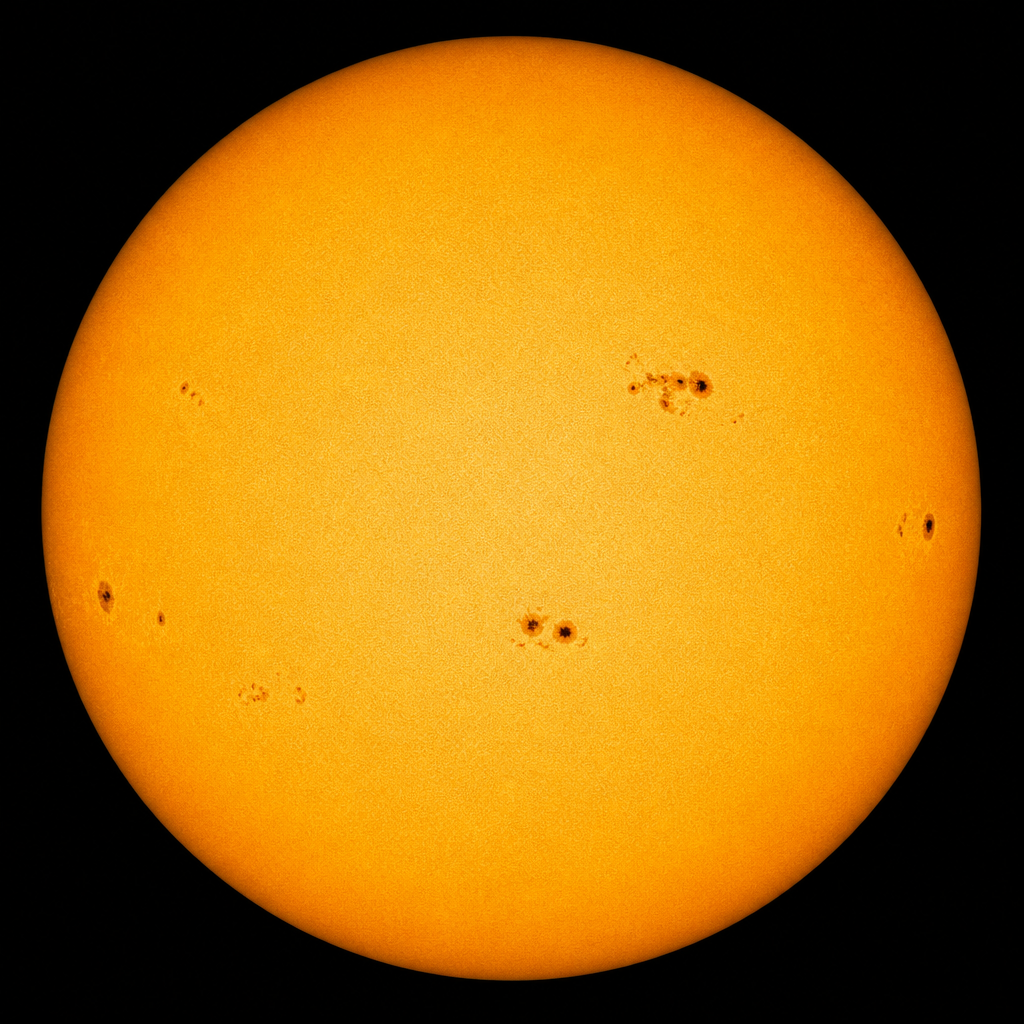
 Current Auroral Oval:


The Chilton ionosonde is still how Britain listens to the layer that steals radio
An unfashionable radar pointed at the sky over Oxfordshire remains one of the UK's longest ionospheric records. MOSWOC's HF problem starts in that record.
An ionosonde is a radar that looks up. It sweeps high-frequency pulses and listens for reflections from the E and F layers. The Chilton chain, now wrapped into the UK Solar System Data Centre culture at Harwell, is how Britain knows what the ionosphere was doing in 1969 and last Tuesday. Scienception is putting it on the desk because dashboards die and ionograms, if curated, do not.
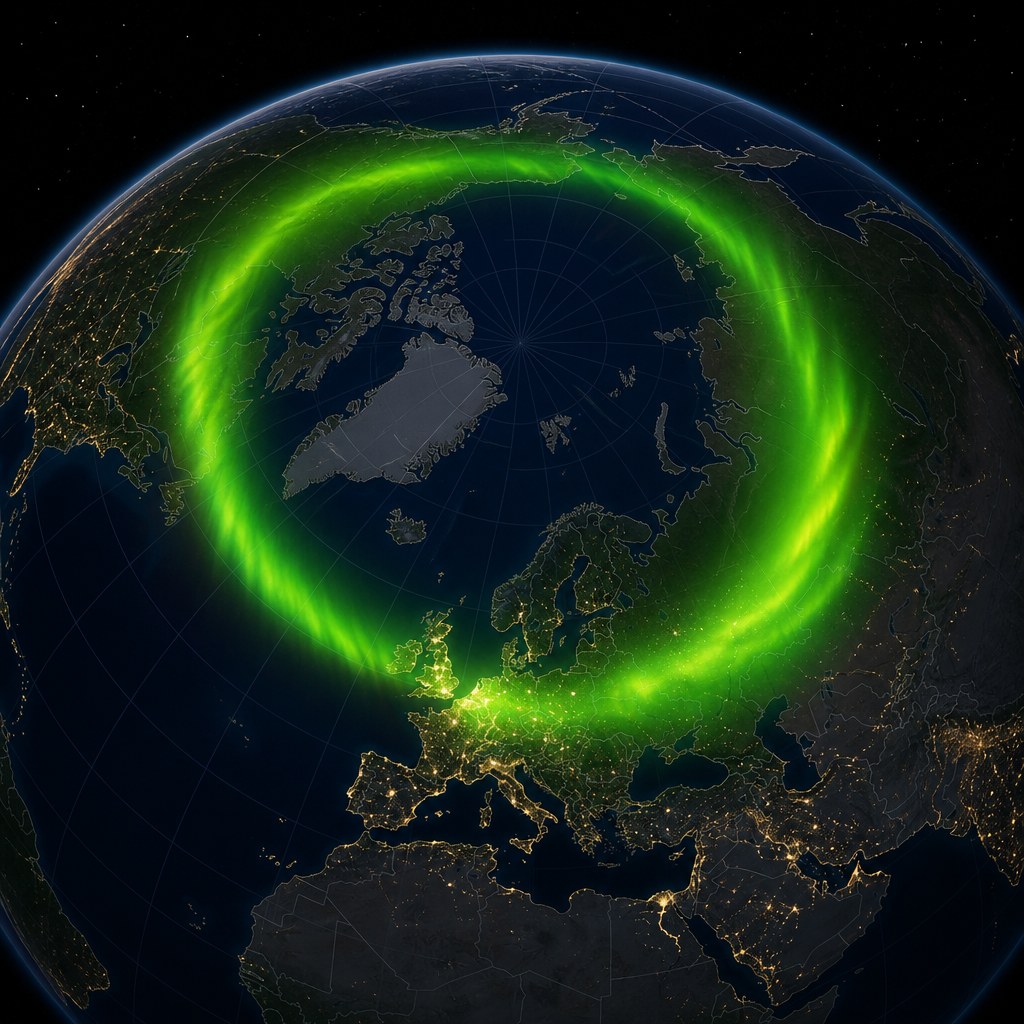
Space-weather news loves aurora. Operators love critical frequency. When foF2 drops or the D-layer soaks up a band, transatlantic HF and some emergency circuits notice before anyone in Birmingham sees green. SuperDARN sees convection. The ionosonde sees the local ceiling. You want both.
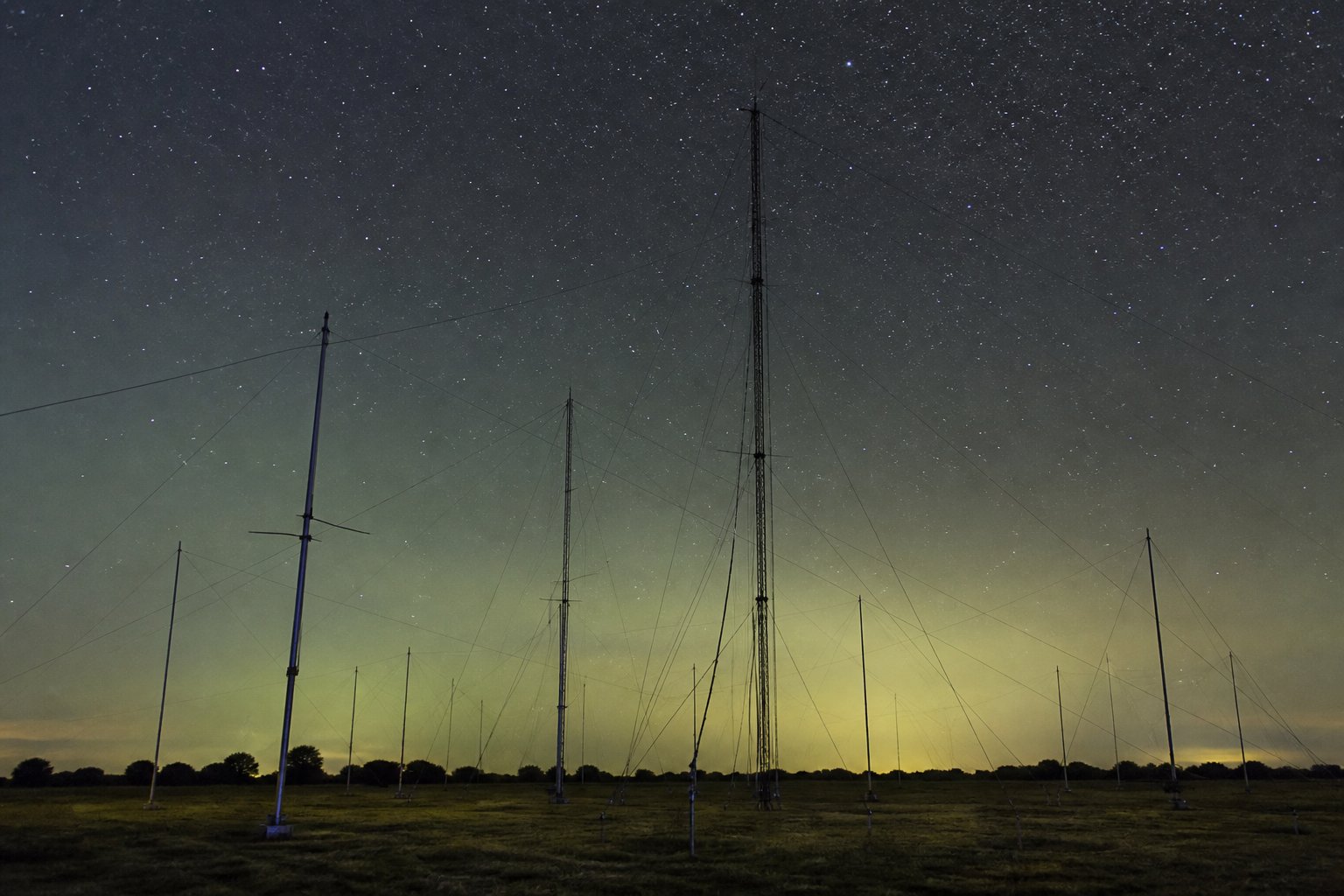
Chilton's latitude is not Shetland's. That is a feature. A mid-latitude UK ionosonde tells you what England's overhead plasma is doing while Lerwick tells you about the oval's southern edge. A country that only funds the pretty northern sensor will misread its own radio weather.
A record is a policy object
UKSSDC exists so that ionograms are not a postgraduate's USB stick. That sounds dull until you try to train a model of storm-time HF blackouts without a baseline. SWIMMR spent money teaching Britain to model. Models eat soundings. If the sounder is treated as heritage furniture, the model is a guess with a logo.
Ofcom, NATS and the Met Office do not all need to own the radar. They do need the series to continue in a form a forecaster can query at 3 a.m. Continuity is the news. A new visualisation is not.
The ionosphere is a weather system with a memory. Delete the ionosonde and you delete the memory, then act surprised when HF models drift.

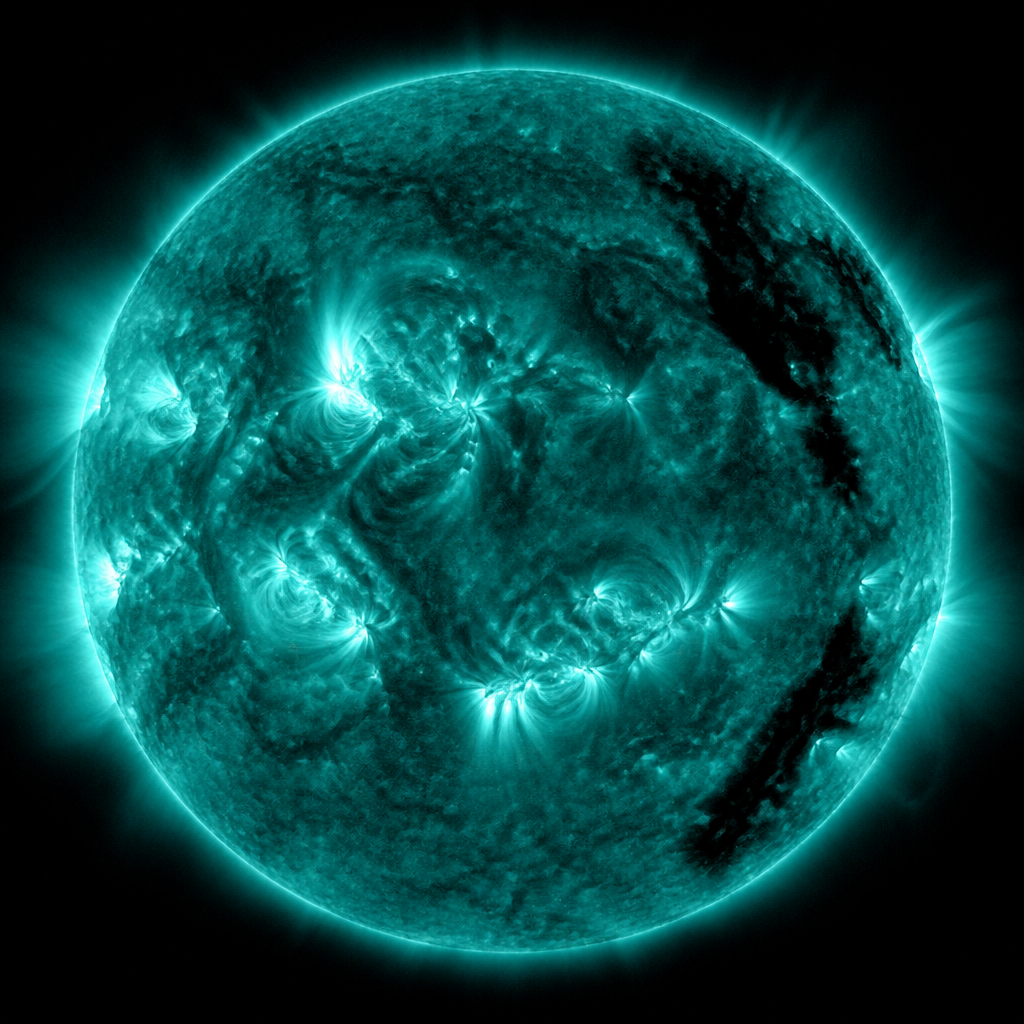
Solar flares ionise the D-layer on the dayside within minutes. That is the sudden ionospheric disturbance amateur operators already log as a dead band. The ionosonde's job in that hour is not to be dramatic. It is to show whether the F layer recovered, and how fast, over England. Recovery time is an operational number.
How this meets GNSS and SuperDARN
Scintillation is a small-scale roughness story. An ionosonde is a large-scale density story. NATS cares about both, in different sentences. Scienception will keep refusing to collapse them into 'the ionosphere was bad'. Bad how, at what height, for which service, over which UK latitude.
SuperDARN looks sideways across the polar cap. Chilton looks up. Together they are how you stop treating the North Atlantic as a mystery corridor. Separately they are two papers that never cite each other. Fund the citation.

Students should learn to read an ionogram the way geography students learn a synoptic chart. It is not niche. It is the chart for a layer that aviation and the military still use. A-level physics can cope.
If UKRI ever treats the ionosonde as optional, quote this page back at them. Optional is how you get a solar cycle later with no mid-latitude UK truth. MOSWOC cannot invent that truth from a US map.
Further context for UK readers
Slough and Chilton are names in a lineage of UK ionospheric work that predates the satellite era. Heritage is not an excuse to freeze the hardware. It is a reason to keep the calibration honest when boxes are replaced.
Portable ionosondes and ionospheric riometers fill gaps. They do not replace a long, well-sited series. Novelty sensors are how you get a press release. A fifty-year plot is how you get a climate of the ionosphere.
Radio amateurs already crowd-source HF blackouts. Their logs are a parallel dataset. Pairing a dead 20-metre band with a Chilton ionogram is a public lesson MOSWOC should steal.
Storm-time positive and negative ionospheric phases still confuse reporters. One storm lifts densities, another chews them. The ionogram is how you see which beast you have. Caption accordingly.
Harwell's wider campus — RAL Space, Diamond, satellite work — can make the ionosonde look like a rustic uncle. Uncle has the keys to the attic. Do not sell the attic.
International exchanges of ionograms are how you see a travelling ionospheric disturbance cross Europe. Britain should remain a node, not a consumer of other people's echoes.
A radar that should stay boring
Success for Chilton is another solar cycle of ugly, calibrated plots. Failure is a glossy 'space weather visualisation hub' that forgot to sound the sky.
Read SuperDARN, GNSS scintillation and F10.7 against the same day's ionogram. That triangle is a UK space-weather literacy test. Scienception will keep setting it.
Corrections: info@scienception.com at Scienception LTD. Figures are illustrations for Scienception.
What an ionogram is for at 3 a.m.
A forecaster who has to decide whether HF support over the eastern Atlantic will recover after a flare should not be opening a blog. They should be opening a sounding. If the UKSSDC interface is too awkward for that hour, the interface is the story. Instruments that cannot be queried in anger become museums.
Travelling ionospheric disturbances after a storm can cross the UK as a ripple in foF2. That ripple is a cousin of the gravity waves NLC photographers see higher up. Different layers, same atmosphere that refuses to sit still. A desk that covers both is not being eclectic. It is being vertical.
Military and civil HF users will not all appear in our sources list. That is not a reason to pretend the layer is a hobby. It is a reason to keep the public record good enough that unclassified users can still plan.
If a coronal-hole stream arrives and amateur 20-metre logs die while Chilton shows a depressed F layer, that pairing is a Scienception front-page instinct. Pair the datasets. Do not run two separate vibes.
Related on Scienception: SuperDARN and North Atlantic HF · GNSS scintillation and NATS · Coronal holes and amateur radio

