



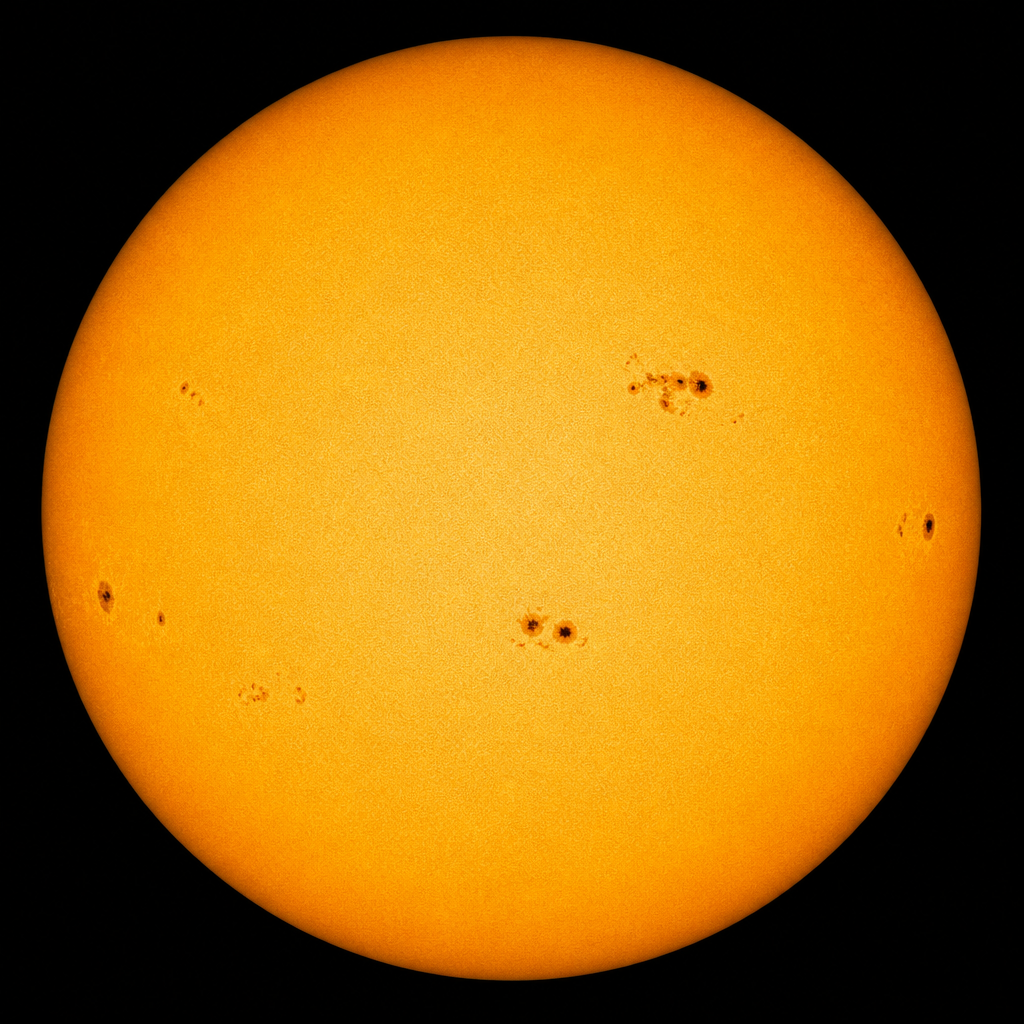
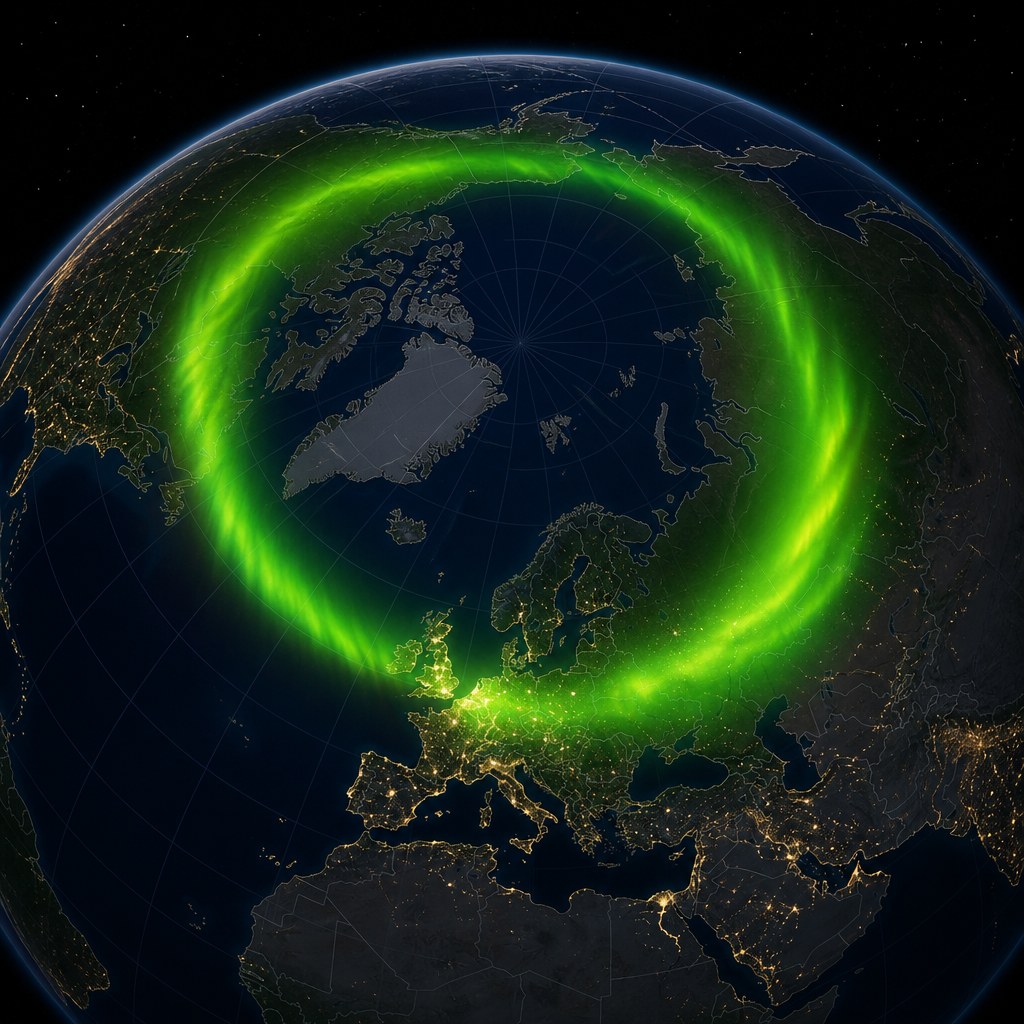
 Current Auroral Oval:


Noctilucent clouds over Scotland are space weather you can see without a magnetometer
Electric-blue clouds at the edge of space are a mesosphere story. High-latitude Britain still gets the best seats after midnight in high summer.
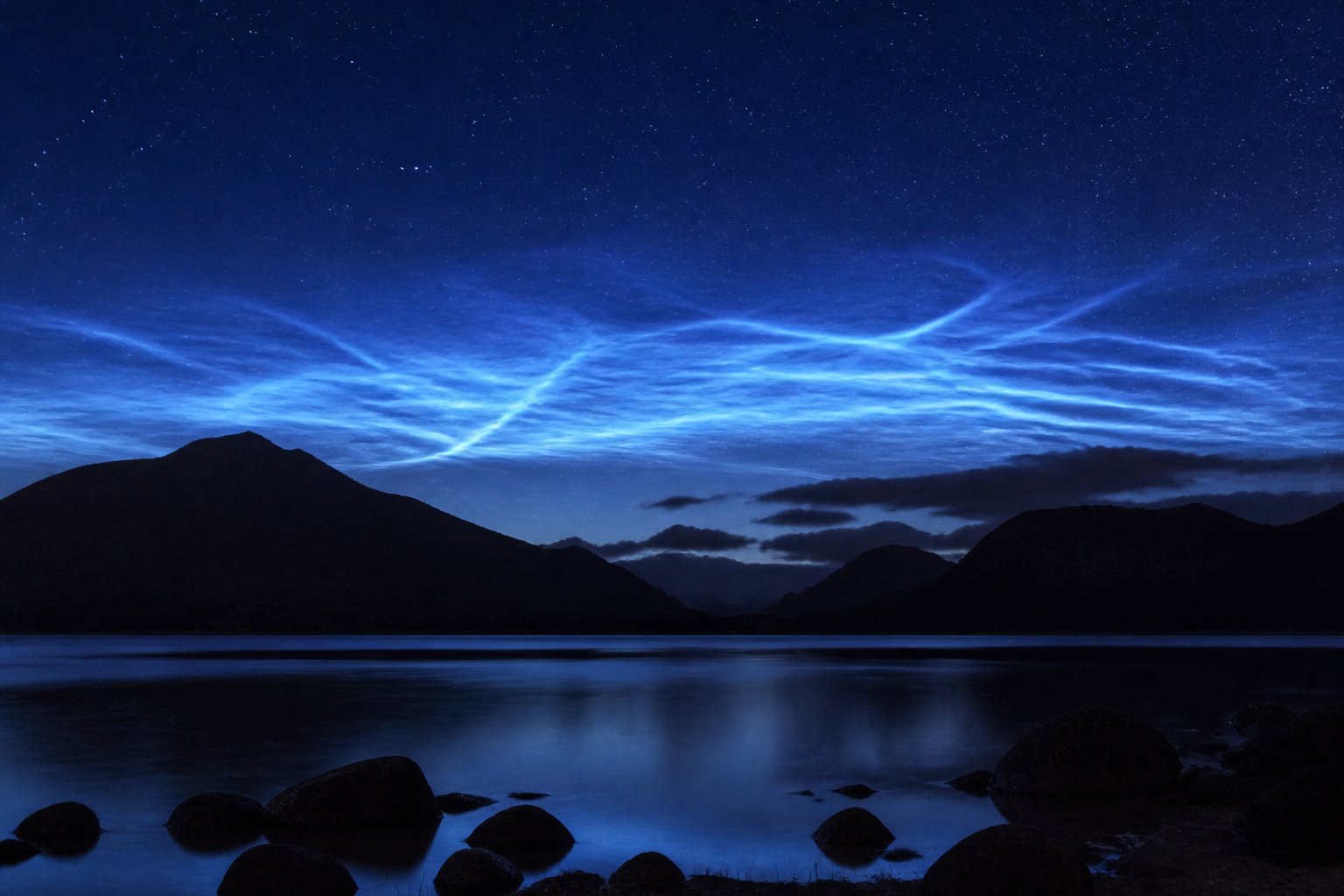
Noctilucent clouds are not aurora and not tropospheric weather. They are ice crystals around 80 kilometres up, in the mesosphere, catching sunlight after the land is dark. Scotland, Northern Ireland and northern England see them in the weeks around summer solstice because the geometry is kind and the mesosphere is cold enough. Scienception files them under space news because they live at the edge of the atmosphere the Sun and the circulation jointly run.
Observers still lose arguments in comment threads that call every blue glow an oval. NLCs are structured, often rippled, electric cyan, and they sit in the northern sky after midnight while remaining clouds are black. Aurora is a particle curtain. NLC is a scattering layer. Both can appear in the same Shetland week. They are not cousins you should mix on a caption.
The science is not only pretty. Polar mesospheric ice is a tracer of temperature, water, and maybe of metals from ablating meteors. Solar cycle and greenhouse shifts both have hypotheses attached. The honest UK sentence is that a photograph from Sutherland is a data point only if someone logs time, direction and structure. A viral story is not a climatology.
How to see them without inventing them
Look north, late, in June and July, from a dark shore or loch. Low on the horizon is normal. Overhead is a prize. If the glow is green and moving in rays, you have probably got aurora and should stop calling it NLC to win a group chat. If it is fibrous and electric blue and the magnetometers are asleep, you are in the mesosphere's theatre.
Light pollution in the Central Belt still wrecks the faint ones. That is the same CPRE night-blight story as Perseids, with a different calendar. A lay-by on the A9 is not automatically a good site. A bay with a northern water horizon often is.
Noctilucent clouds are the rare British sky show that belongs to climatology and meteor smoke as much as to astronomy clubs.
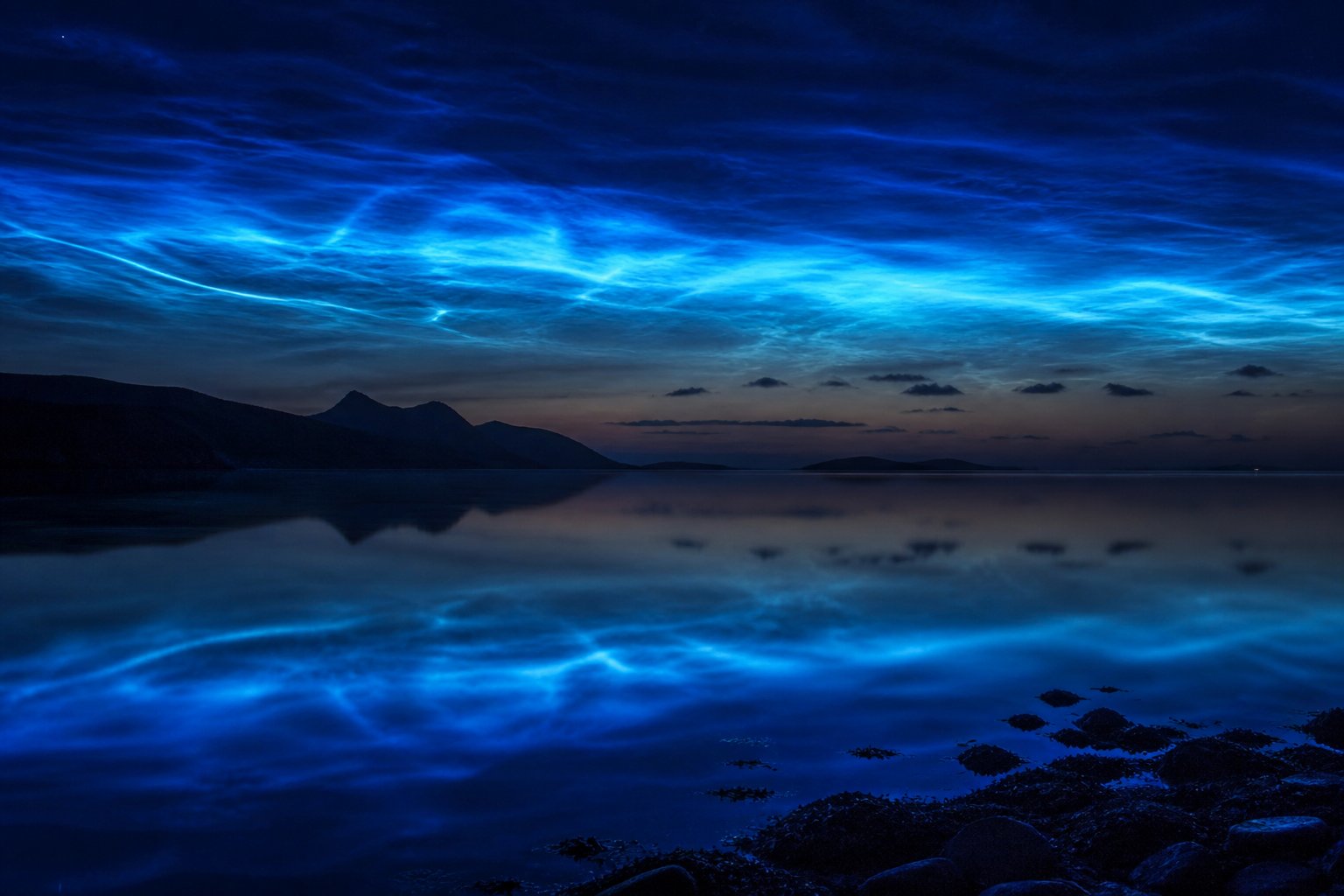
Gravity-wave ripples are the feature that makes an NLC scientifically rude. They write the wind field at a height rockets and lidars otherwise own. Amateur images with accurate timestamps have ended up in papers. That is a higher calling than a like count. It is also why Scienception would rather you shoot raw than apply a night-mode purple.
Space weather, but not Kp
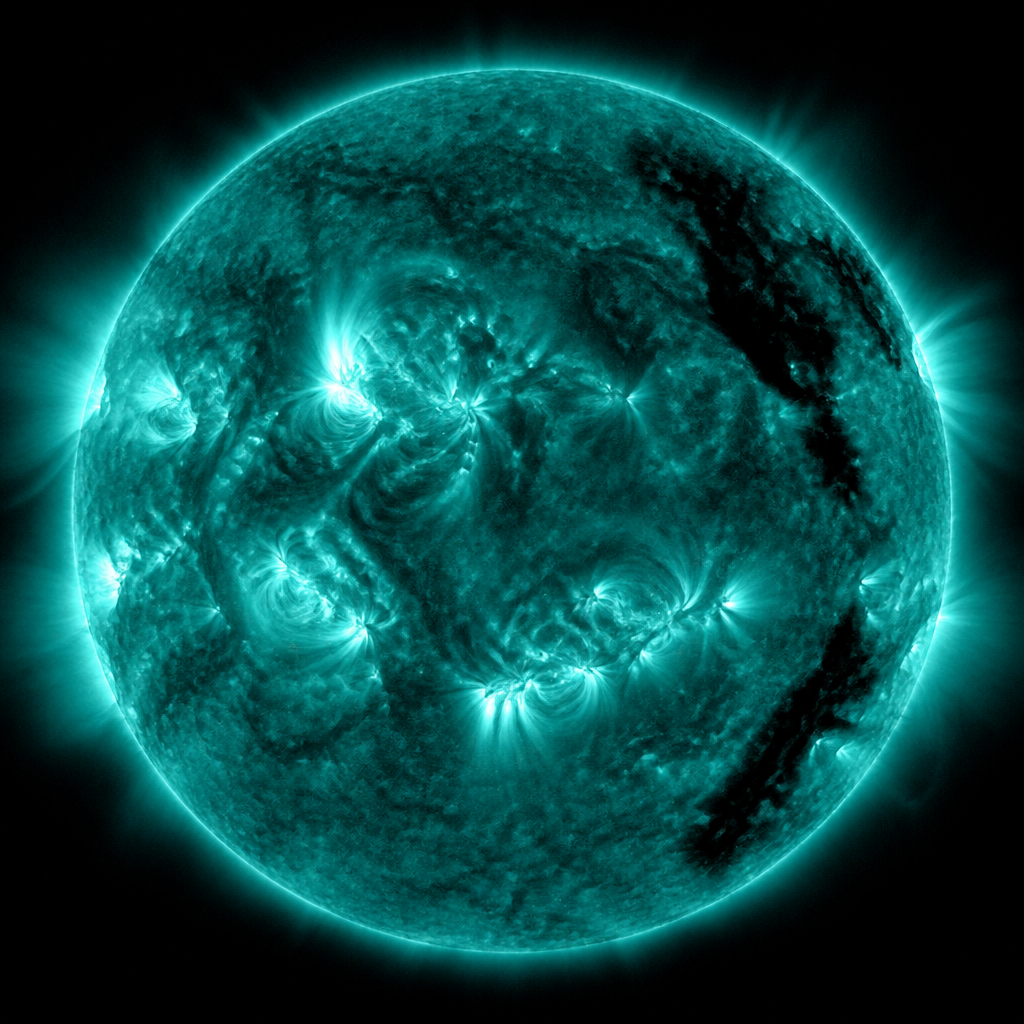
People who follow MOSWOC sometimes feel cheated that NLC do not care about Kp. Good. Not every edge-of-space light is a geomagnetic index. The mesosphere has its own weather. Solar ultraviolet and particle precipitation can still modulate it. That is coupling, just not the oval-and-grid kind this site usually leads with.
A summer with loud NLCs and a quiet oval is not a contradiction. It is two systems. Teach that in a classroom in Inverness and you have done more than a slide on 'atmosphere layers'.
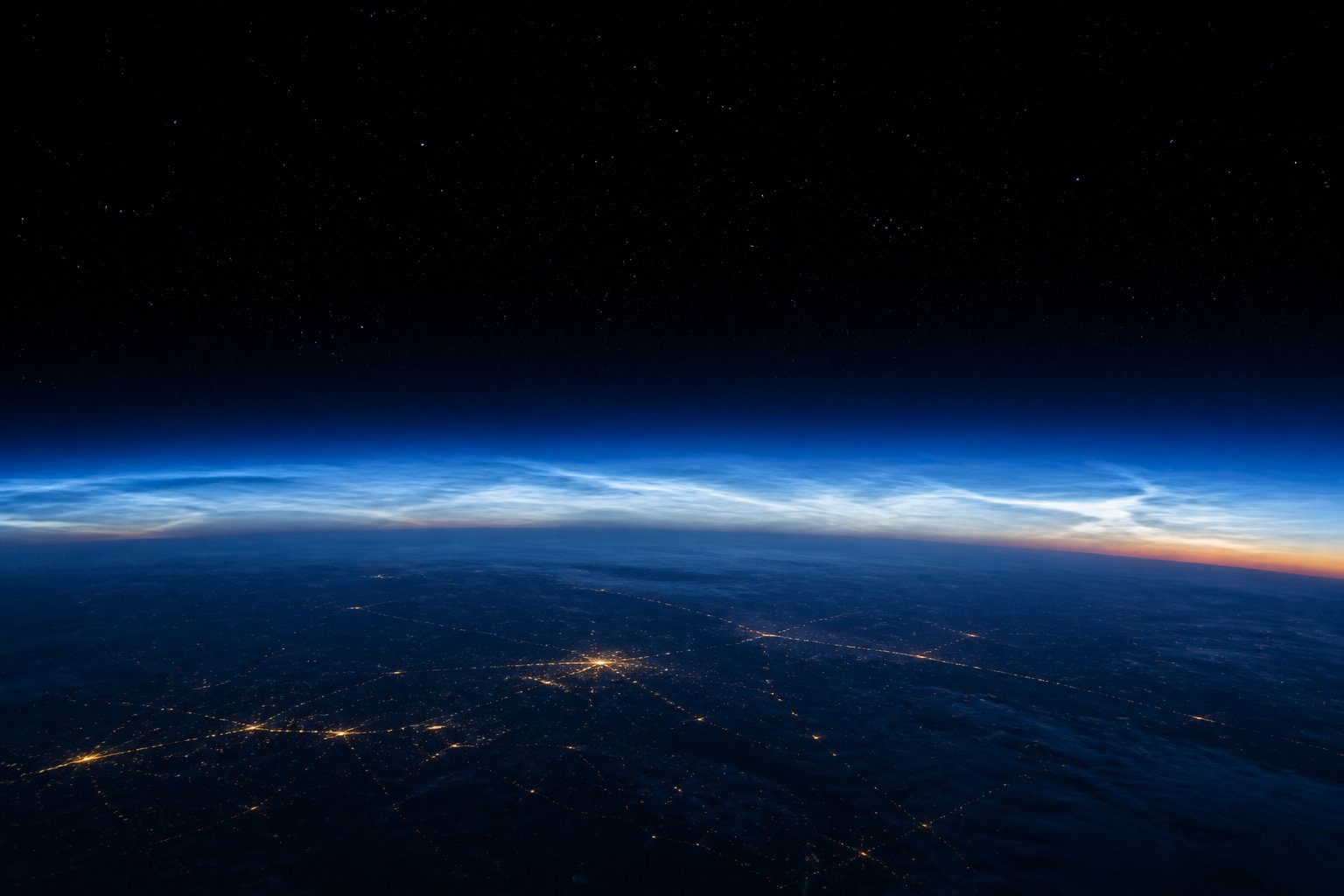
Satellite missions have watched the ice from above. Ground observers still own the texture. Britain should not outsource that texture to a single US satellite and then delete the BAA observing notes. Notes are how you know whether this July was odd.
If you only remember one operational fact: NLCs are a high-latitude summer night phenomenon. Booking a hotel in Cornwall in January to see them is a category error. Booking a clear slot in Wester Ross in late June is the job.
Further context for UK readers
The first documented NLCs after Krakatoa are a Victorian set-piece. Use them as history, not as proof that every modern display is a volcano. Water, temperature and nuclei are the living arguments.
Meteoric smoke as condensation nuclei is a space-news hinge. Perseids in August and NLCs in June share a dust story on different schedules. Scienception likes that hinge because it stops the sky being a set of disconnected spectacles.
Photographers who chase both aurora and NLC in the same week should keep two caption templates. Mixing them trains readers to distrust every sky picture. We already have enough of that from night-mode phones.
Climate attribution for mesospheric ice is tempting and premature in a news paragraph. Report the display. Point to the papers. Do not run a trend off three viral summers.
Northern Ireland's north coast sees them. So do the Pennines on a good night. The gradient is still northward. Honesty about that gradient is the same ethic we use for G1 aurora.
If a school logs NLCs against a simple thermometer and a note of wind, they have started a time series. Time series beat posters.
A summer desk, not a storm desk
Keep NLC on the observing beat. Do not force them into a MOSWOC watch. Do not ignore them because they lack a G-scale. They are how a lot of British people first notice that the atmosphere has an upstairs.
Use the Met Office explainer, the BAA section, and your own clock. If the sky is electric blue and fibrous after midnight in July, believe the mesosphere before you believe a group chat that says 'storm'.
Corrections: info@scienception.com at Scienception LTD. Figures are illustrations for Scienception.
A mesosphere beat with British place names
Shetland in late June can deliver NLCs and a late dusk that never quite commits to night. That geometry is why islanders sometimes see structure when the Midlands only see a rumour. The same latitude gradient we use for aurora applies, with a different physics and a different month. Print the month. Print the bearing.
Lidars and meteor radars elsewhere in Europe already watch the same height. A UK observing note that never talks to those instruments is a postcard. A note that timestamps ripples against a radar wind is a measurement. The BAA section is how amateurs still enter that conversation without a grant.
Phone cameras will keep inventing teal. If you cannot see structure with the eye after a few minutes of dark adaptation, be slow to publish a processed sheet as 'the sky'. Scienception would rather miss a faint display than train readers on artefacts.
When solar activity is high and NLCs are also loud, do not force a single cause. The mesosphere can be interesting on its own. Coincidence is allowed. Causal claims need a paper, not a thread.
Related on Scienception: Perseids over Northumberland · G1 watch for Shetland · Light pollution and Greenwich

