



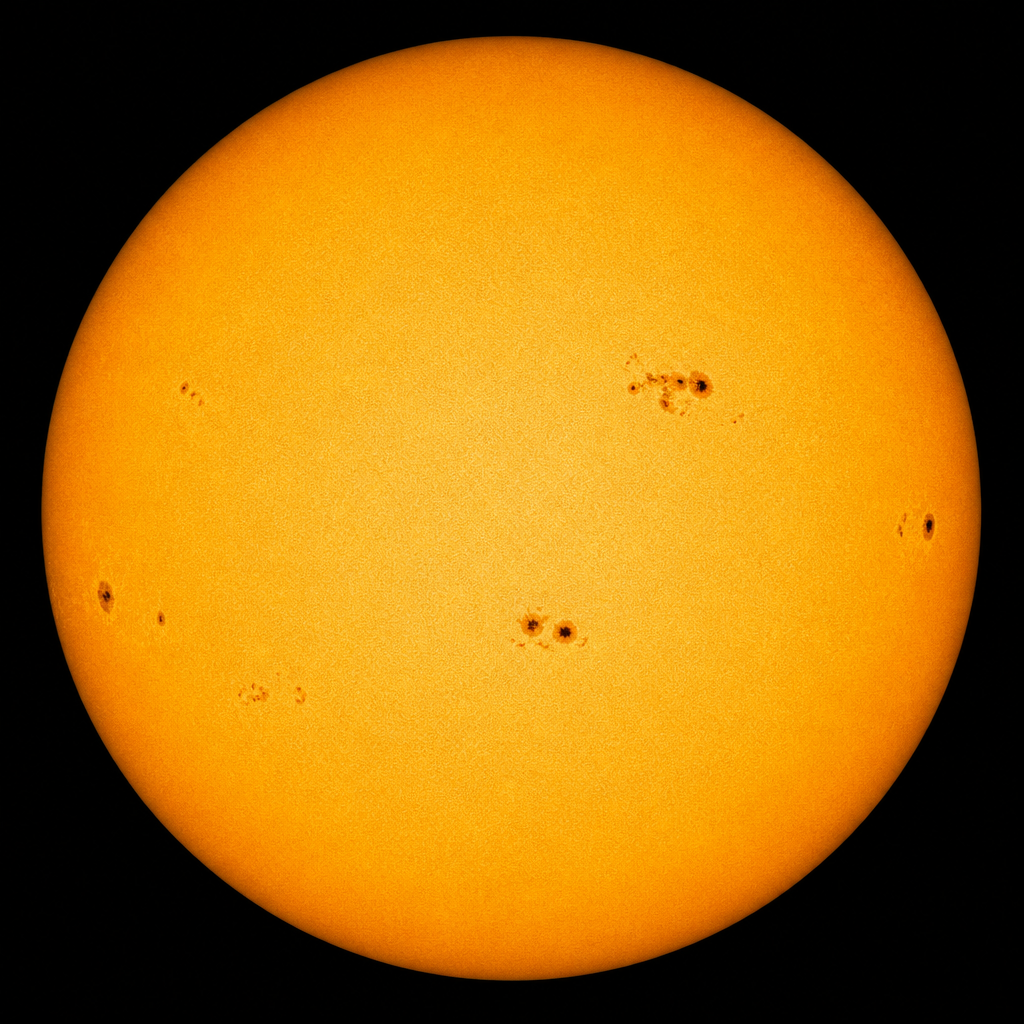
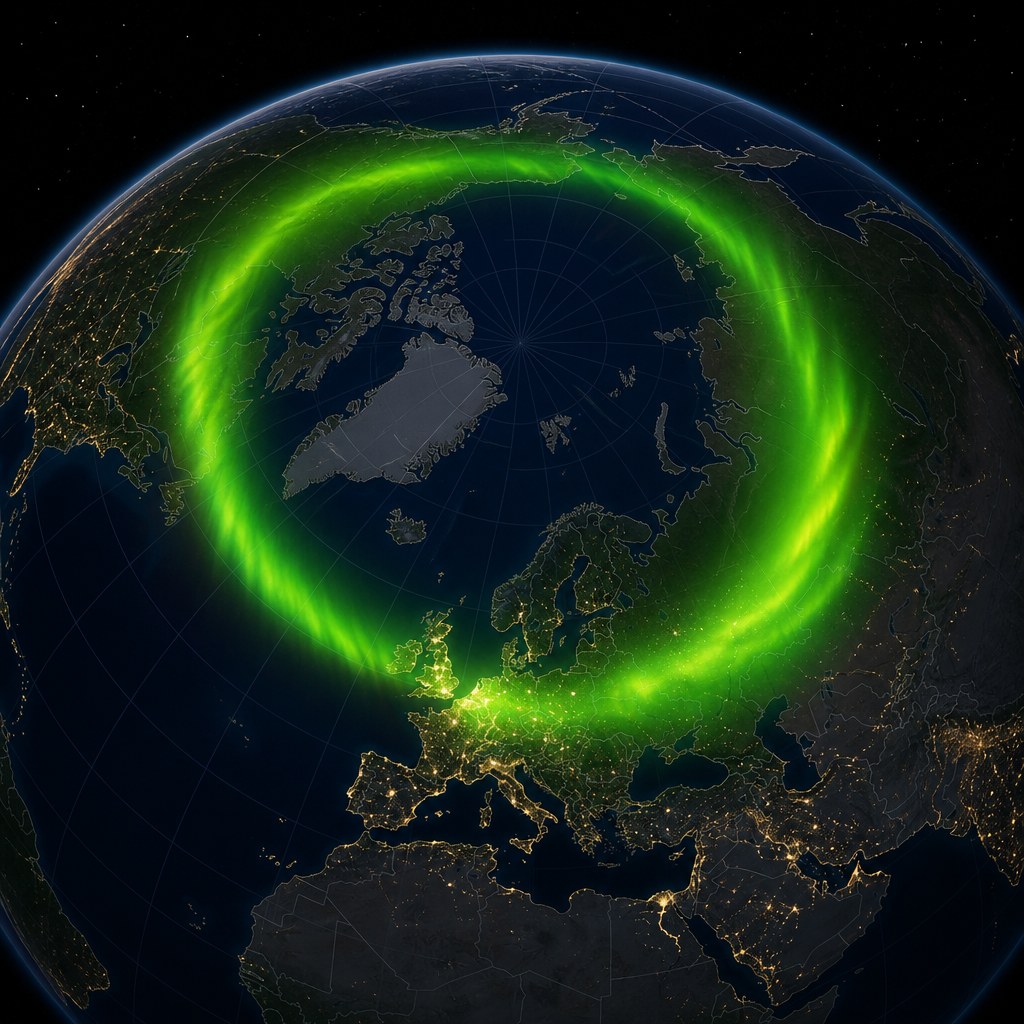
 Current Auroral Oval:
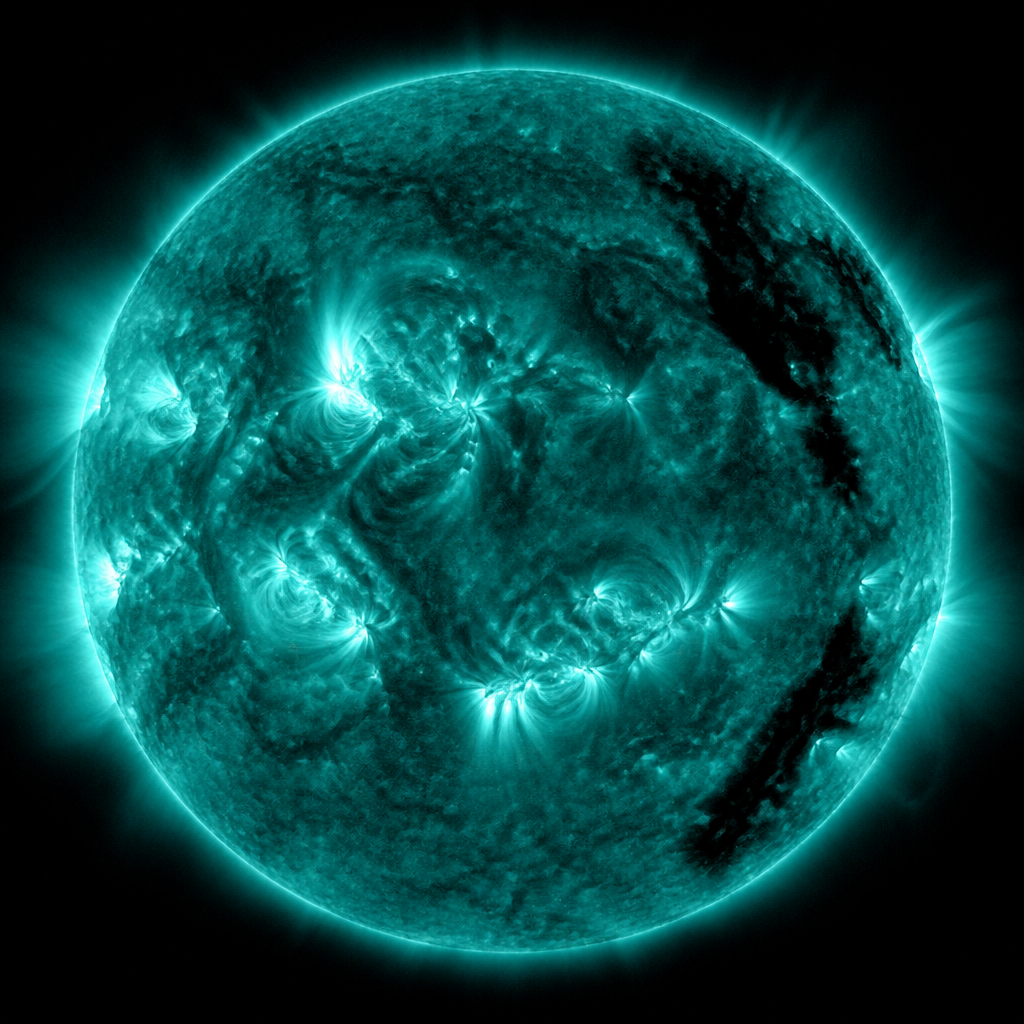


RAL Space still builds the UK's eyes on the solar wind
At Harwell, STFC's RAL Space group flies sensors that turn sunlight, plasma and magnetic fields into numbers a forecaster can trust.
Drive across the former airfield at Harwell and you could miss RAL Space entirely. The buildings do not advertise that Faraday cups, magnetometers and imagers from this campus have spent decades in the solar wind. Yet when Britain claims a seat on Solar Orbiter, Solar-C, or a dozen quieter ESA missions, the hardware argument often starts here. Scienception went looking for what that actually means on a Tuesday afternoon in Oxfordshire.
The solar wind is a plasma, not a breeze. To measure it you need to count particles by energy and angle, and you need a magnetometer quiet enough to see nanoteslas without seeing the spacecraft's own currents. Those are craft skills. They live in people who have already flown something that survived launch and then kept calibrating it for years. RAL Space still has those people.
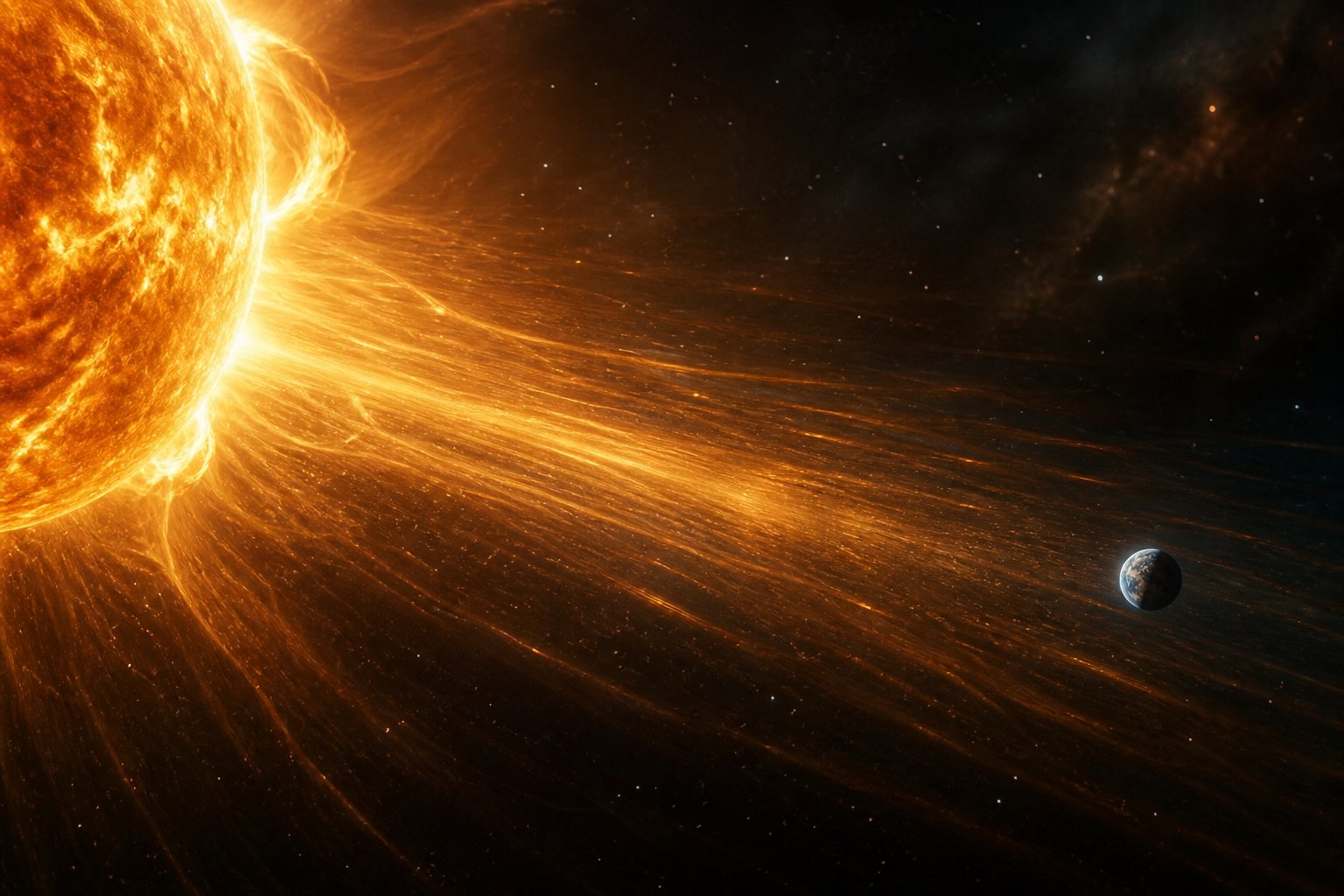
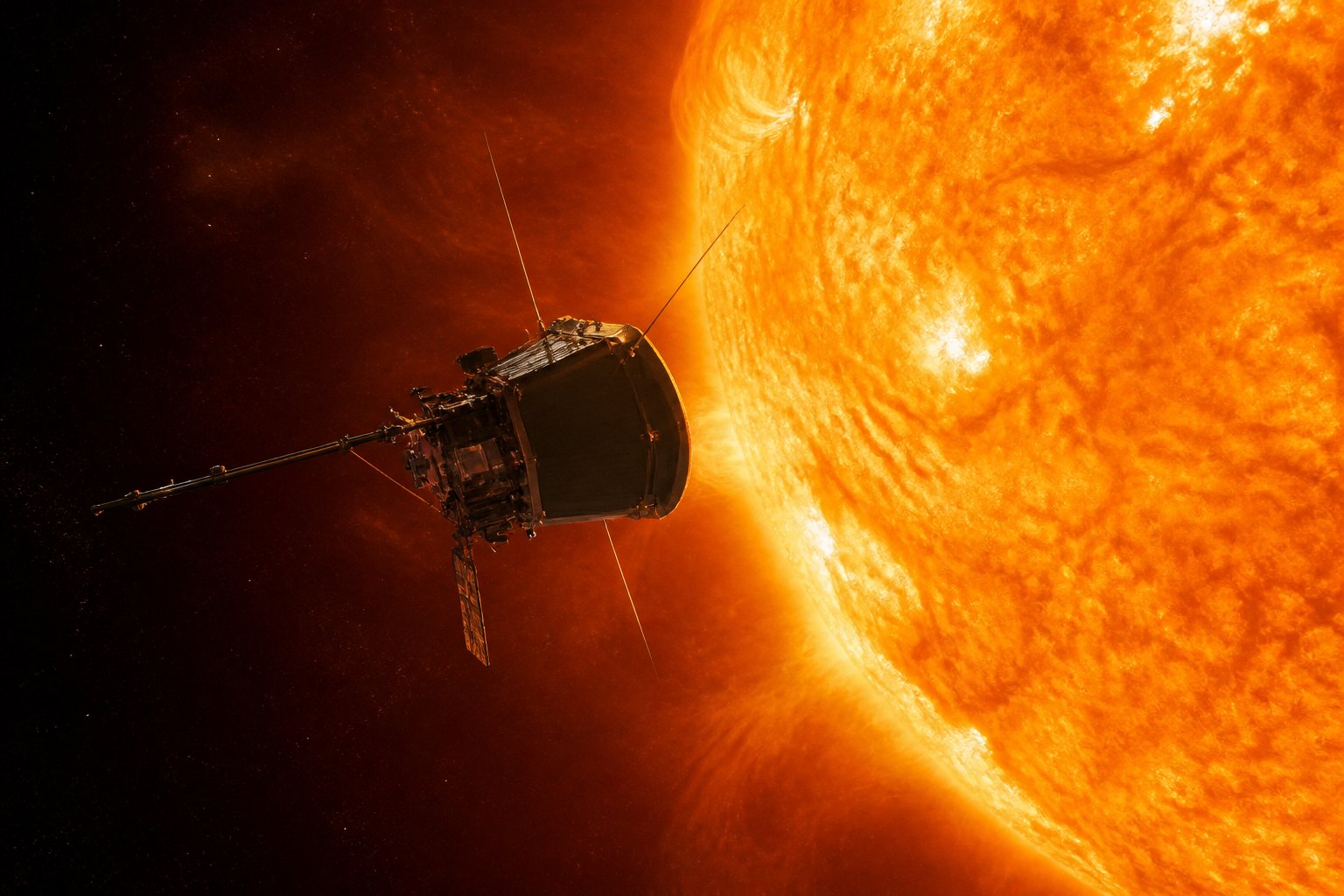
Pretty extreme-ultraviolet images from SDO are essential public education. They are not a substitute for in-situ data. A CME can look Earth-directed in a coronagraph and then miss, or look like a miss and then glance the magnetosphere. Spacecraft at L1 — currently a mix of ageing and newer platforms — give tens of minutes of warning. UK scientists help build and interpret those measurements even when the bus is not British.
A laboratory that still ships hardware
Harwell's advantage is clustering. Next door are satellite builders, data centres, and the Rutherford Appleton Laboratory's wider instrumentation culture. A student can walk from a vacuum chamber to a seminar on radiation-belt modelling without booking a flight. That density is rare in Europe and easy to undervalue in a spending review that prefers ribbon-cuttings.
Procurement remains the tax on excellence. ESA mission schedules slip. UK contribution lines get renegotiated. Engineers spend months on documentation that does not add a single electron-volt of resolution. The science still happens, but the cost of happening in Britain includes a bureaucracy that solar physicists did not invent and cannot abolish.
A coronagraph shows you the smoke. A solar-wind analyser tells you whether the smoke is about to hit the house.
There is a training pipeline problem. Plasma instrumentation is not a module you add to a computer-science degree. It is apprenticeships in all but name: years of watching a detector misbehave in a chamber. If those roles convert into short-term contracts, the next magnetometer will be bought from elsewhere. Scienception will keep saying that even when it bores a minister.
Why in-situ plasma beats a pretty picture
For space weather, the payoff is humble. Better electron measurements mean better charging alerts for operators. Better magnetic cleanliness means cleaner IMF data. Better calibration means MOSWOC is not guessing whether a jump is real. That is national capability dressed as a laboratory.
Visitors still ask to see 'the Sun pictures'. The staff will politely show a spectrogram. Learn to love the spectrogram. It is how the solar wind confesses.
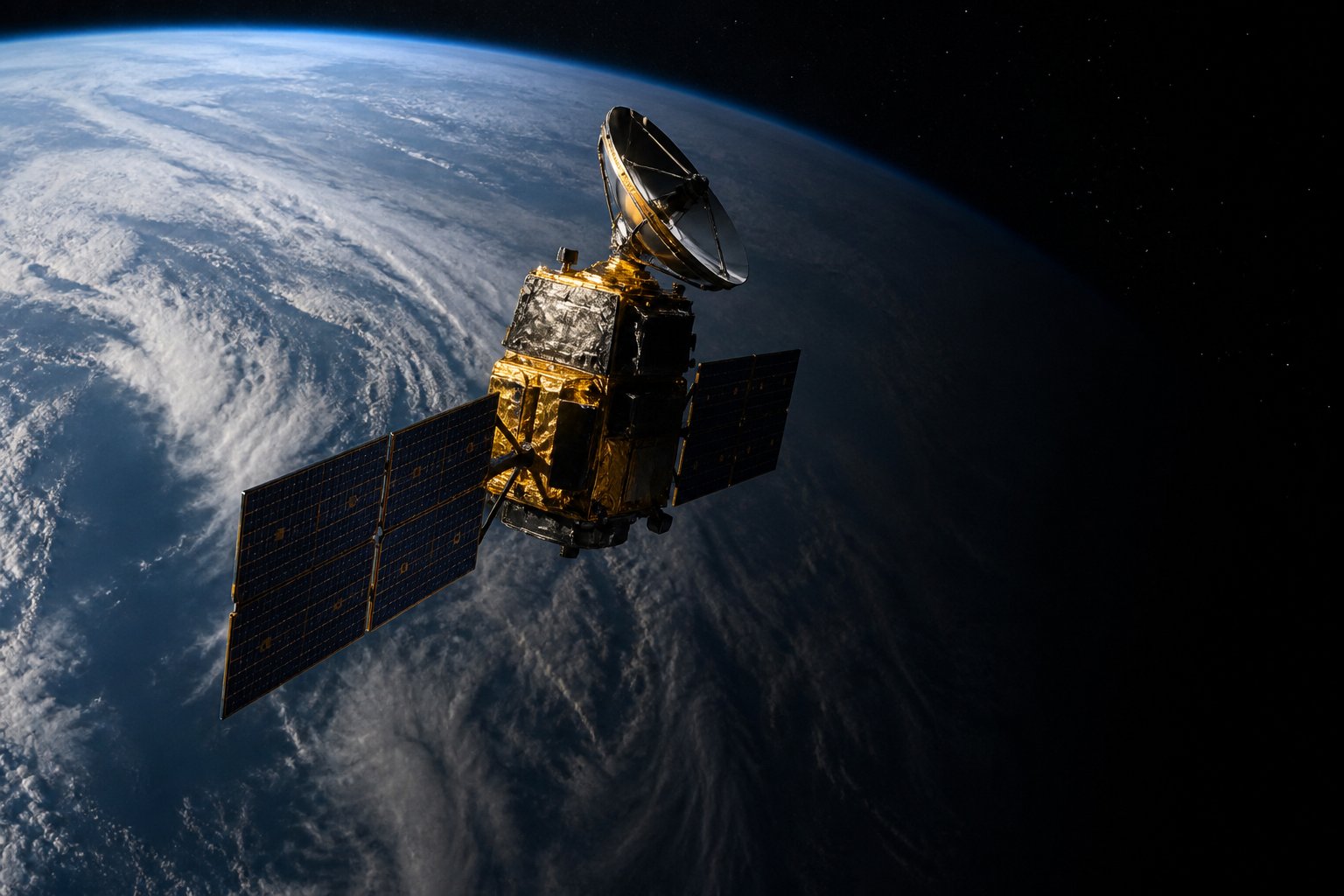
RAL Space also supports ground systems and data pipelines that never fly. A detector without a person who understands its quirks is a paperweight. The Harwell culture, at its best, refuses to separate those jobs.
Britain cannot launch heavy lift from Oxfordshire. It can still build the instruments that make a launch worth doing. On current evidence, Harwell remains one of the places where that sentence is true.
Further context for UK readers
Harwell's identity is a former airfield that became a campus. That conversion is itself a UK industrial story: runways into beamlines, hangars into clean rooms. RAL Space sits in that palimpsest. Visitors who only want a rocket selfie miss the point of Oxfordshire.
Solar-wind analysers fail in boring ways: contamination, high voltage, a door that does not stay shut in vacuum. The unglamorous reviews are where missions live or die. A newsroom that only covers launch is not covering the instrument.
Calibration on the ground is a lie detector for later. If you do not know your geometric factor in the chamber, you will invent solar-wind physics in flight. RAL's culture, at its best, is allergic to that invention.
STFC's broader laboratory system means a detector physicist can still find a colleague who knows radiation damage in silicon. That accident of geography is policy. Disperse it thoughtlessly and you will import the colleague later.
UK contributions to Solar Orbiter, Solar-C and various ESA payloads should be listed on classroom walls the way football squads are listed. Children can handle an instrument name. We keep giving them only a Union flag on a fairing.
Procurement time is part of the scientific method in this country. A two-year wait for a feedthrough is a data gap. Ministers who want 'agility' should sit in a parts-quality meeting.
Open data from UK-built sensors should be a default, with embargoes only where they are real. A sensor that flies and then sits in a private drawer is a failed public investment even if the paper was fine.
The solar wind will still be there if Harwell forgets how to count it. The forgetting would be the British part.
How to read this on a UK science desk
What a careful UK reader should actually do with this story is slower than a social feed wants. The live wires are: vacuum chambers, geometric factor, STFC neighbours, Solar Orbiter hardware, open data after flight. If a paragraph does not touch one of those wires, it is probably colour. Colour is allowed. It is not a substitute for a product page at the Met Office, BGS, UKRI, ESA, the UK Space Agency, NATS, the CAA, Ofcom, UKAEA, NHS England or the laboratory named in the sources list. Scienception prints editorial snapshots on the left-hand rail so the homepage feels like a conditions desk in the old space-weather style. Those figures are not a live operational feed. If you are making a decision about aviation, the grid, a licence, a clinical pathway or a launch commit, leave this tab and go to the authority, then come back for the argument.
British geography keeps deciding supposedly global science. Magnetic latitude, Atlantic cloud, a coal switchyard, a dark-sky park, a Clyde clean room, a synchrotron on a former airfield, an ice-shelf station, a parish lighting rule: these are not decorations on ral space solar wind harwell. They decide whether a result is operational for this country or merely interesting. A model that cannot be checked against a UK sensor is tourism. A policy that cannot be walked to a protocol is speech. We will keep dragging the global noun back to a named place.
There is a records problem in the background of this beat. Time series die when programmes end, when students leave, and when a dashboard is funded instead of a person who knows a sensor's quirks. The cheap way to look modern is a new visualisation. The expensive way that works is to keep the ugly log alive. Magnetograms, ionosondes, light curves, beam-test files, trusted research environments, licence PDFs and anomaly reports are how a democracy stays in the measurement business when the solar cycle, the debris environment or a carbon budget stops being polite.
The public conversation still swings between panic and shrug. Hold two true sentences at once. A minor geomagnetic watch is not a national blackout. A stored tonne of carbon is not a groundbreaking party. A nova that has not erupted is not a failure. A satellite train is not an invasion. Scienception will keep writing as if readers can cope with a caveat, a map, a table and a link. That is the minimum adult form of UK science news, and it is the house style for this article as much as for the conditions rail.
If you work in a school, use the primary links as a single homework: open the Met Office or BGS or ESA page, write down what the official product actually says, and compare it with our kicker. If you work in a control room, steal only the method: name the sensor, name the failure mode, name the British place that would feel it. If you only wanted a picture, look at the figures, then look at the sources. The figures are illustrations. The sources are how you check us. Corrections remain info@scienception.com at Scienception LTD.
Related on Scienception: SWIMMR is the quiet programme that taught Britain to model storms · Ariel is the UK's next long stare at other atmospheres · JWST's British fingerprints are still in the data, not only in the history

