



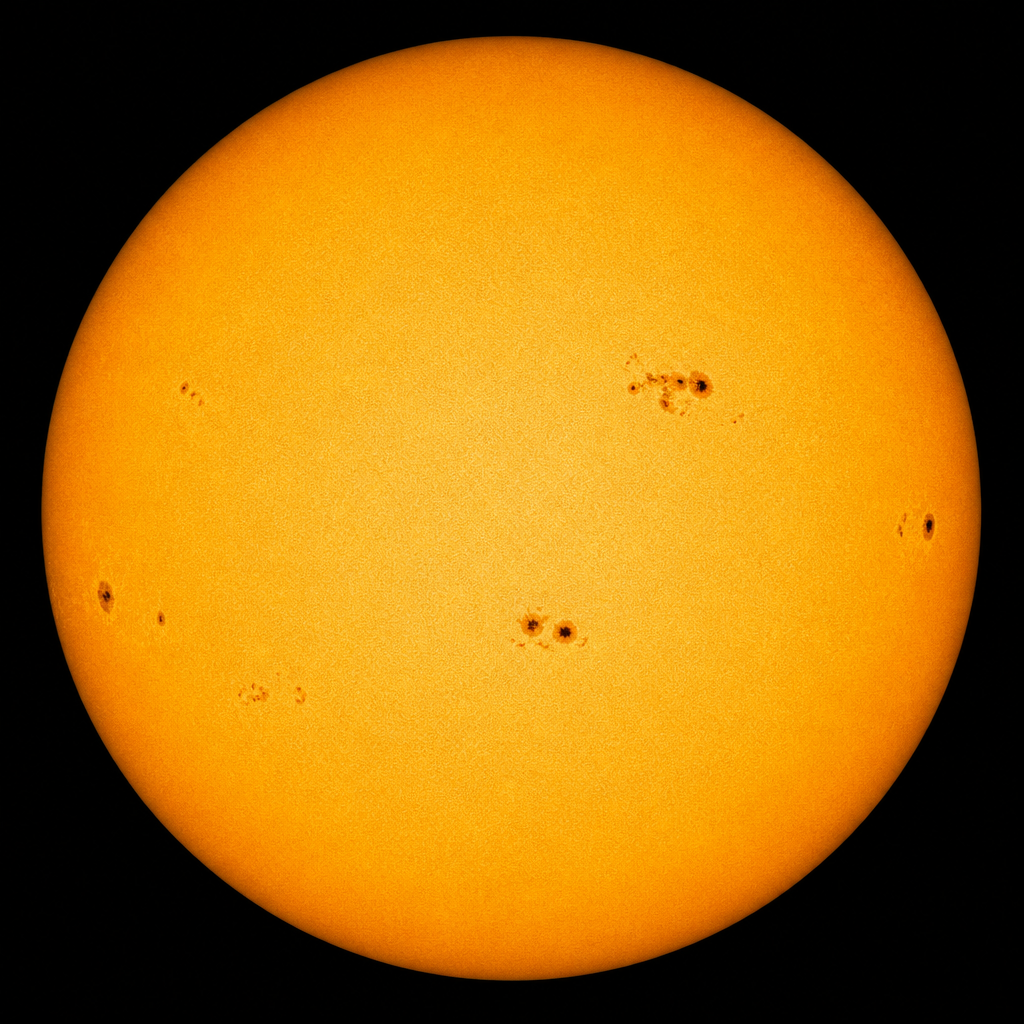
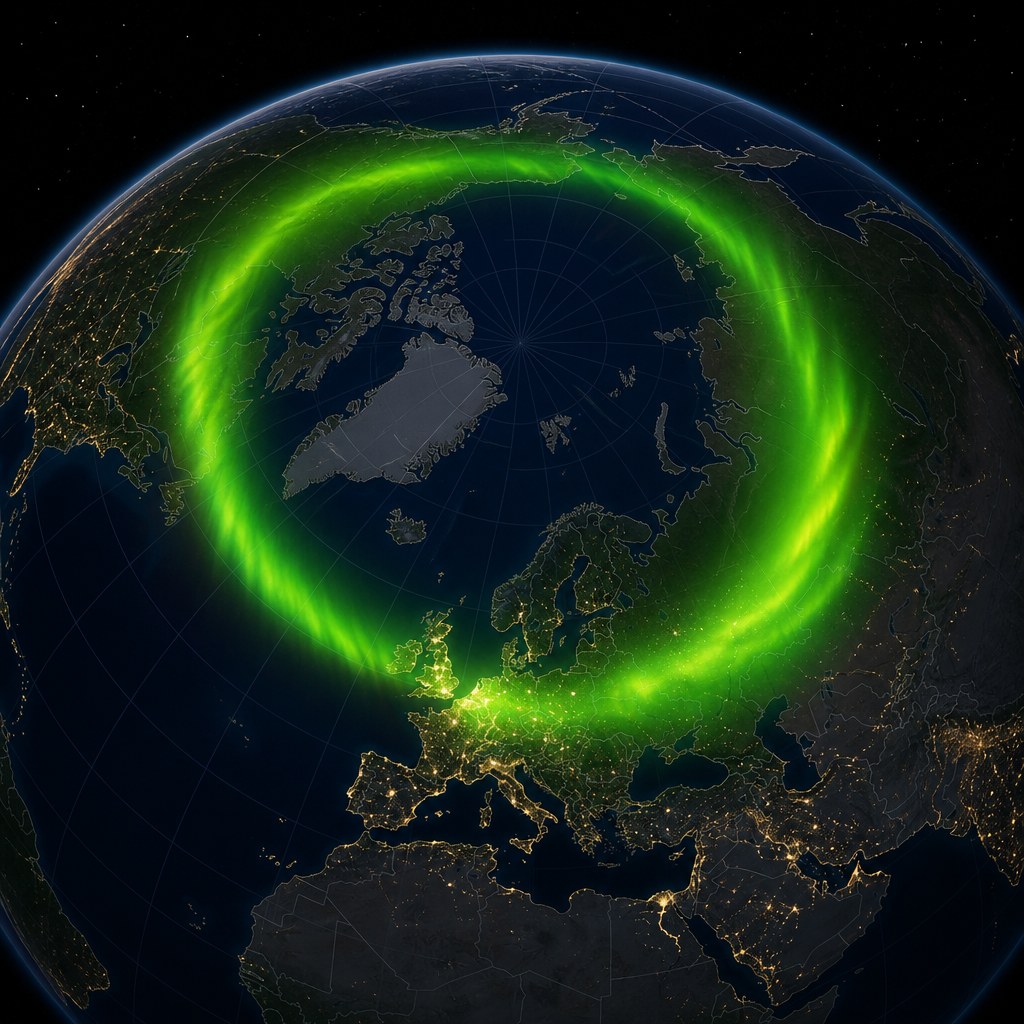
 Current Auroral Oval:
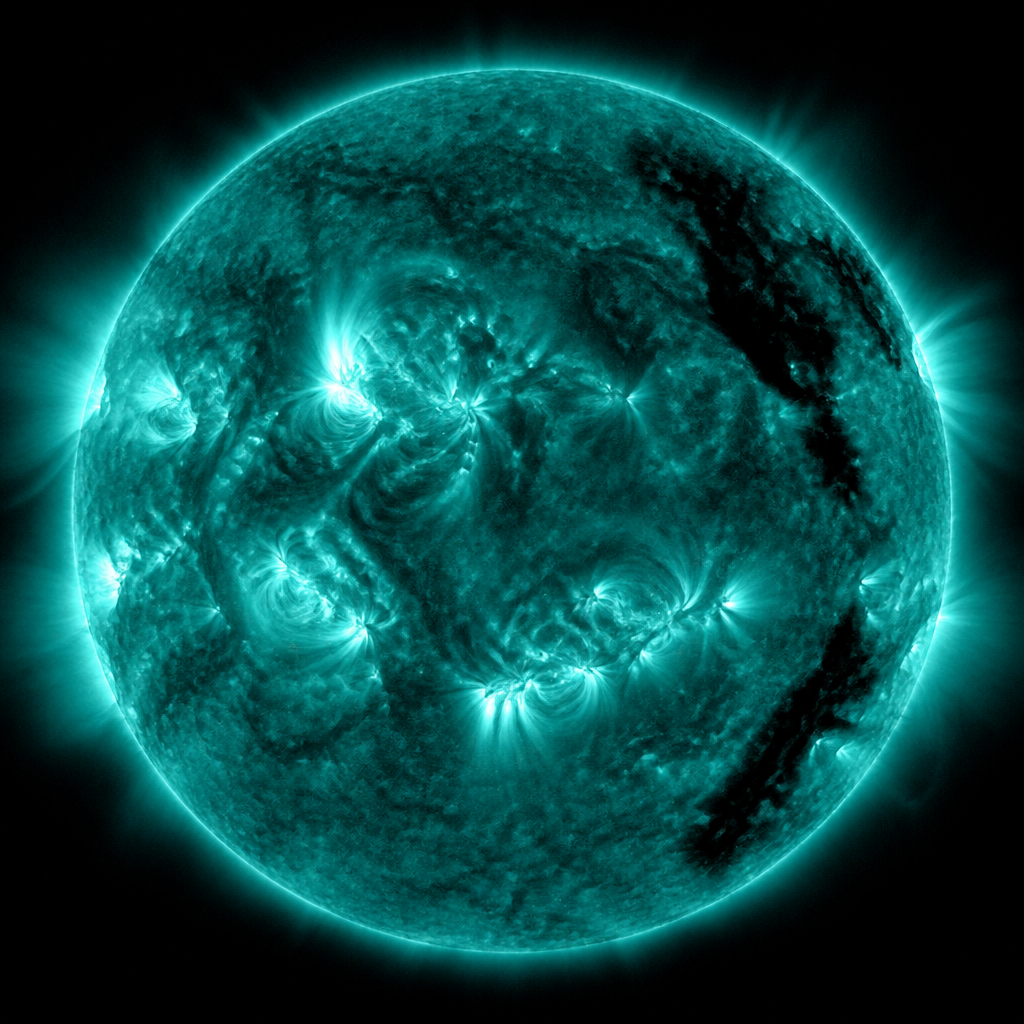


BepiColombo is teaching UK teams how a tiny magnetosphere survives a rude Sun
ESA and JAXA's Mercury mission is a cruise of gravity assists and a preview of plasma physics at the inner edge of the Solar System. British magnetometry culture belongs in that story.
Mercury holds a magnetic field it has no business holding, if you still think small planets should be magnetically dead. BepiColombo is the slow, hot mission built to ask why, and to watch a magnetosphere so small that the solar wind can shove it against the surface. Scienception is covering the flybys as inner-heliosphere space weather, not as a stamp-collecting tour of craters.
Solar Orbiter goes close to the Sun and listens to the field the wind carries. BepiColombo goes close to a planet that has to live in that wind with almost no room to spare. The UK groups who calibrate magnetometers understand both sentences. They are the same craft.
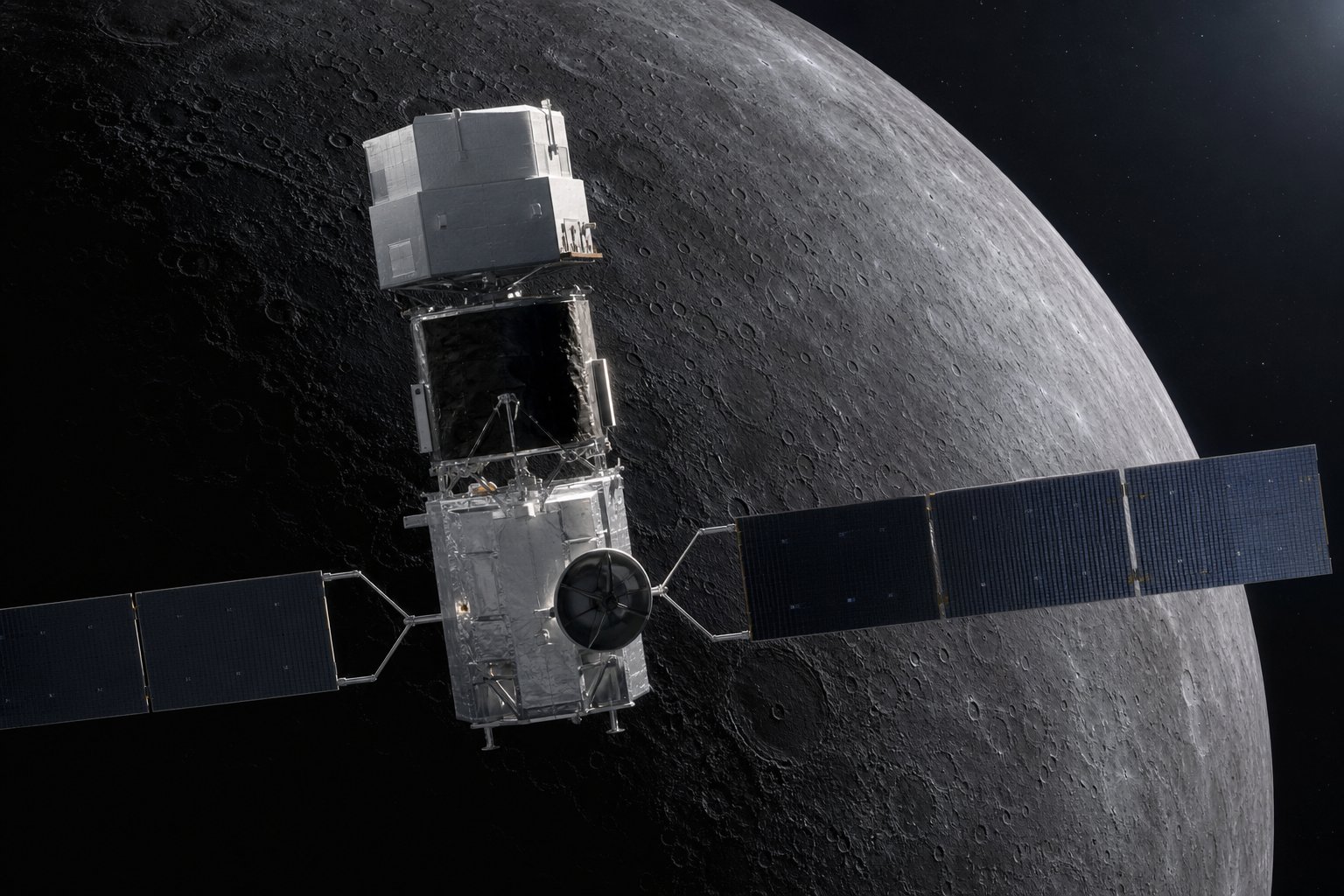
Cruise has been long on purpose. Gravity assists at Earth, Venus and Mercury itself are how you arrive without arriving as a melted brick. Each flyby is also a chance to practise plasma measurements in a real environment. Those rehearsals are the news between the highlight reels.
A magnetosphere you can almost touch
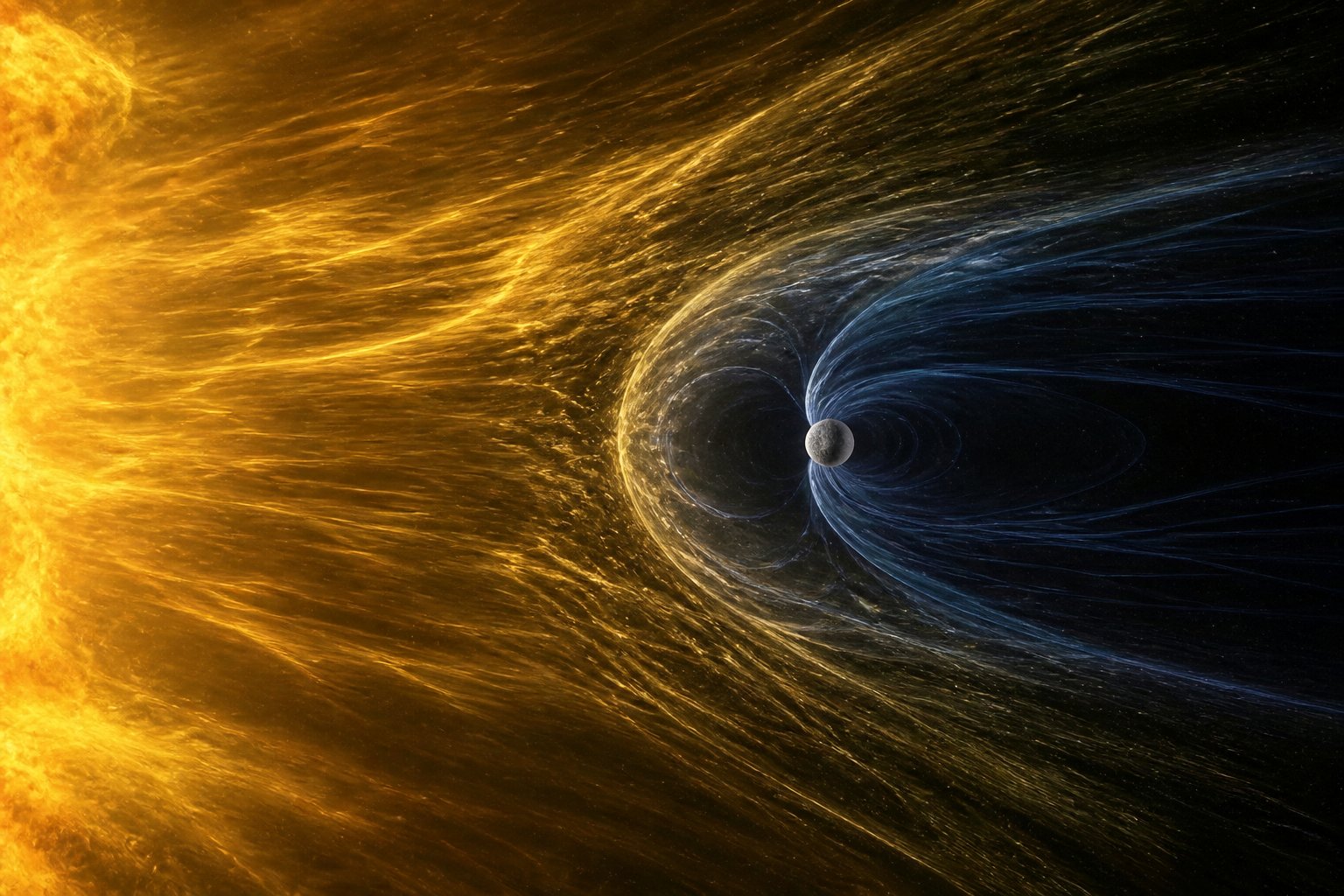
At Earth, the magnetopause sits tens of thousands of kilometres out. At Mercury it can sit so close that dayside reconnection is a contact sport. That is why the planet is a teaching aid for the physics MOSWOC sells in quieter form: southward field, reconnection, particle acceleration, a boundary that moves.
SMILE will image Earth's boundary from the outside. BepiColombo will sample Mercury's from the inside of a much meaner neighbourhood. Read them together and the word magnetosphere stops meaning 'the pretty blue drawing in a textbook'.
Mercury is what happens when you give a planet a magnetic field and almost no standoff distance. The solar wind does not politely go around.
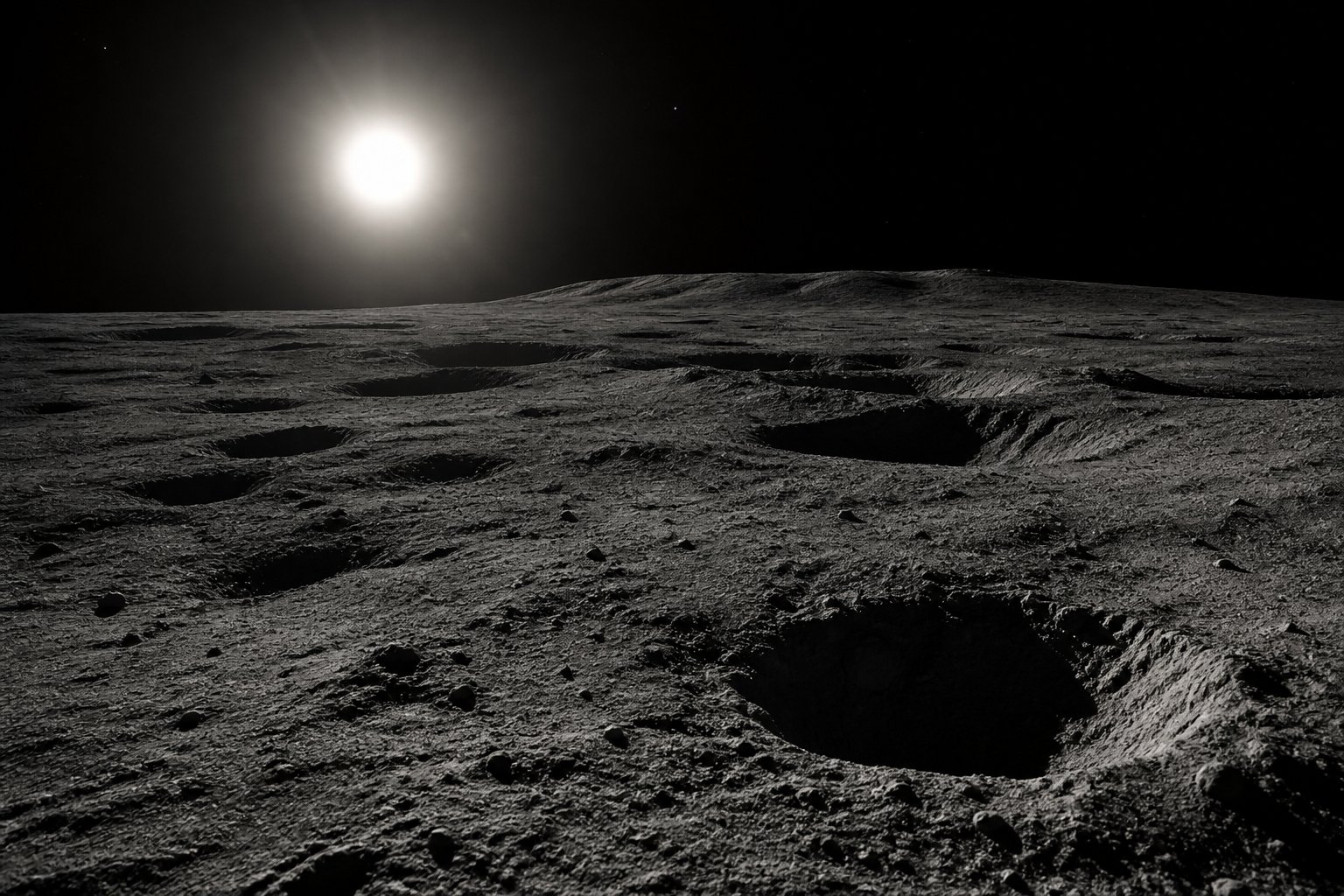
The exosphere is a tenuous spray of atoms knocked off the surface by photons, micrometeoroids and particles. It is space weather as a sandblaster. Surface-bound chemistry at Mercury is not geology in a vacuum. It is geology in a particle beam.
Why this is a UK science-desk story
Because inner-heliosphere literacy is how you stay good at Earth. A community that only ever models 1 AU will get rusty about the star. Mercury and Solar Orbiter are the gym. MOSWOC is the match.
Heat is an engineering story that belongs in the same article as plasma. If the stacked spacecraft cannot dump heat, the magnetometer's honesty does not matter. Readers who want only craters can skip this paragraph. Operators who build UK instruments should not.
Arrival in orbit will reset the headlines. The desk should already be filing flyby plasma papers. If we only show up for orbital insertion, we will have taught readers that cruise was empty. Cruise was the course.
Compare a Mercury reconnection event with a terrestrial G1 watch and you have a classroom. Same verbs, different scales. Scienception will keep making that comparison even when it is unfashionable next to a colour-enhanced crater.
Further context for UK readers
Mariner 10 and MESSENGER already proved Mercury was magnetically alive. BepiColombo is the two-spacecraft attempt to stop arguing from a single orbiter's point of view. Dual-point measurements are how you turn a lucky sample into a system.
JAXA's Mio is not an add-on sticker. Magnetospheric work at Mercury needs a specialist. European planetary cameras and Japanese plasma instincts in one stack is the point of the partnership, not a UN photo.
Gravity assists over populated Earth are a chance for radio telescopes and amateurs to listen. That is outreach with a telemetry soul. Do it without pretending a flyby is a UFO.
Crater chronology will still dominate some coverage. Fine. Put the particle weathering in the same piece or you have described a dead museum.
UK students who cut their teeth on BepiColombo fields will be useful at MSSL, Imperial and MOSWOC. Track the students, not only the spacecraft.
If a flyby returns a magnetopause crossing, print the crossing. It is the Mercury version of the thing SMILE wants to photograph at home.
Inner Solar System weather, filed under Mercury
Keep the Sun in the story. Mercury without the solar wind is a grey billiard ball. With the solar wind it is a lesson.
Sources first, renderings second. Corrections: info@scienception.com at Scienception LTD. Figures are illustrations for Scienception.
When orbit science starts, we will ask for the map of reconnection, not only the map of basins.
Heat, sodium, and a field that should not exist
Mercury's sodium tail, already imaged from Earth on occasion, is space weather you can mention in a pub: the Sun knocking atoms off a world so small they form a comet-like spray. If a UK telescope logs that tail during a BepiColombo flyby week, that is a homemade inner-heliosphere campaign. Print the amateur frame next to the spacecraft plot.
Dynamo theory that has to explain a tiny, offset field is not a Mercury-only puzzle. It keeps terrestrial dynamo people honest. Culham's plasma culture and planetary dynamo culture should be able to share a seminar. They study magnetised fluid in different cages.
Solar particle events at Mercury are a harsher version of the aviation dose story. There is no atmosphere to hide in. A detector that saturates is data. A detector that dies is a lesson for the next inner-system craft. File both.
Do not wait for a colour-enhanced basin mosaic to decide the mission has begun. The mission began at the first clean magnetopause crossing in cruise. We will keep pointing at that crossing even when the mosaic is prettier.
Related on Scienception: Solar Orbiter's UK magnetometer · RAL Space solar-wind instruments · SMILE and the terrestrial magnetopause

