



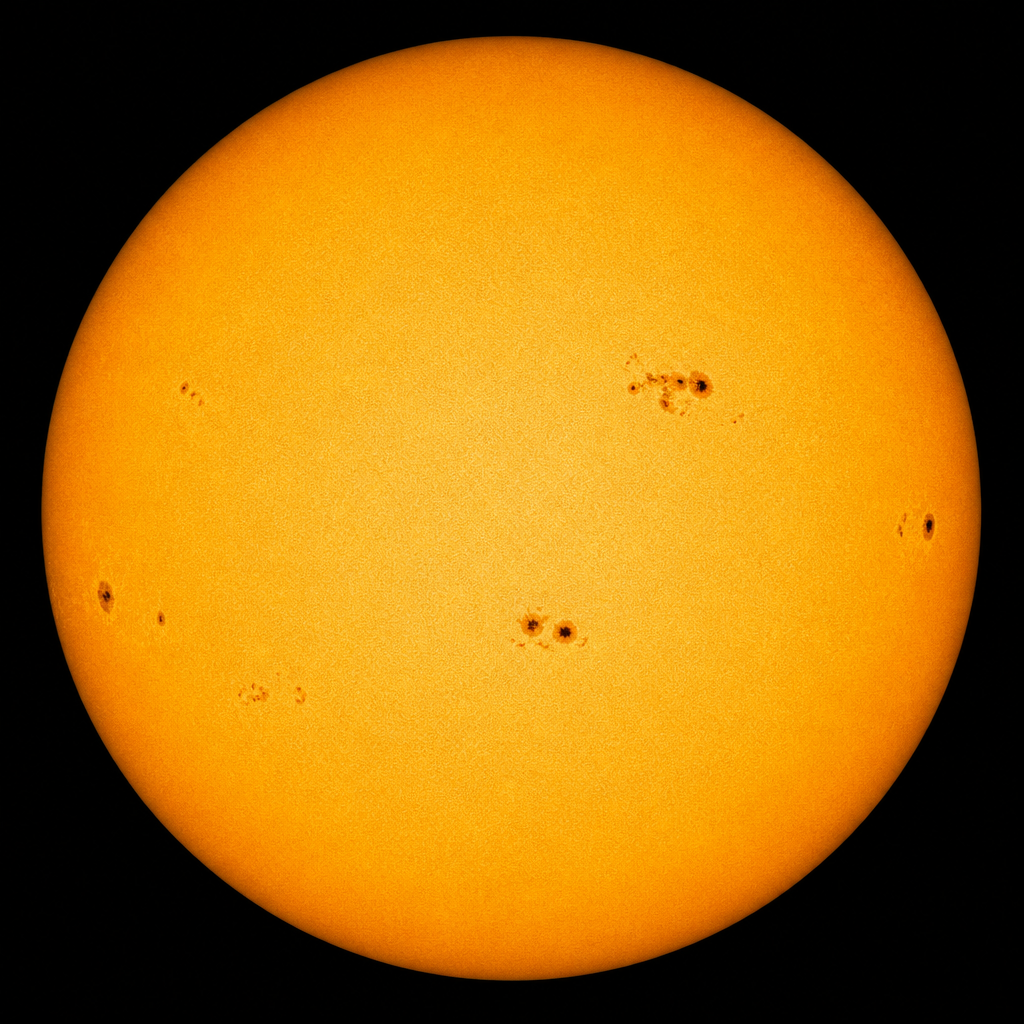
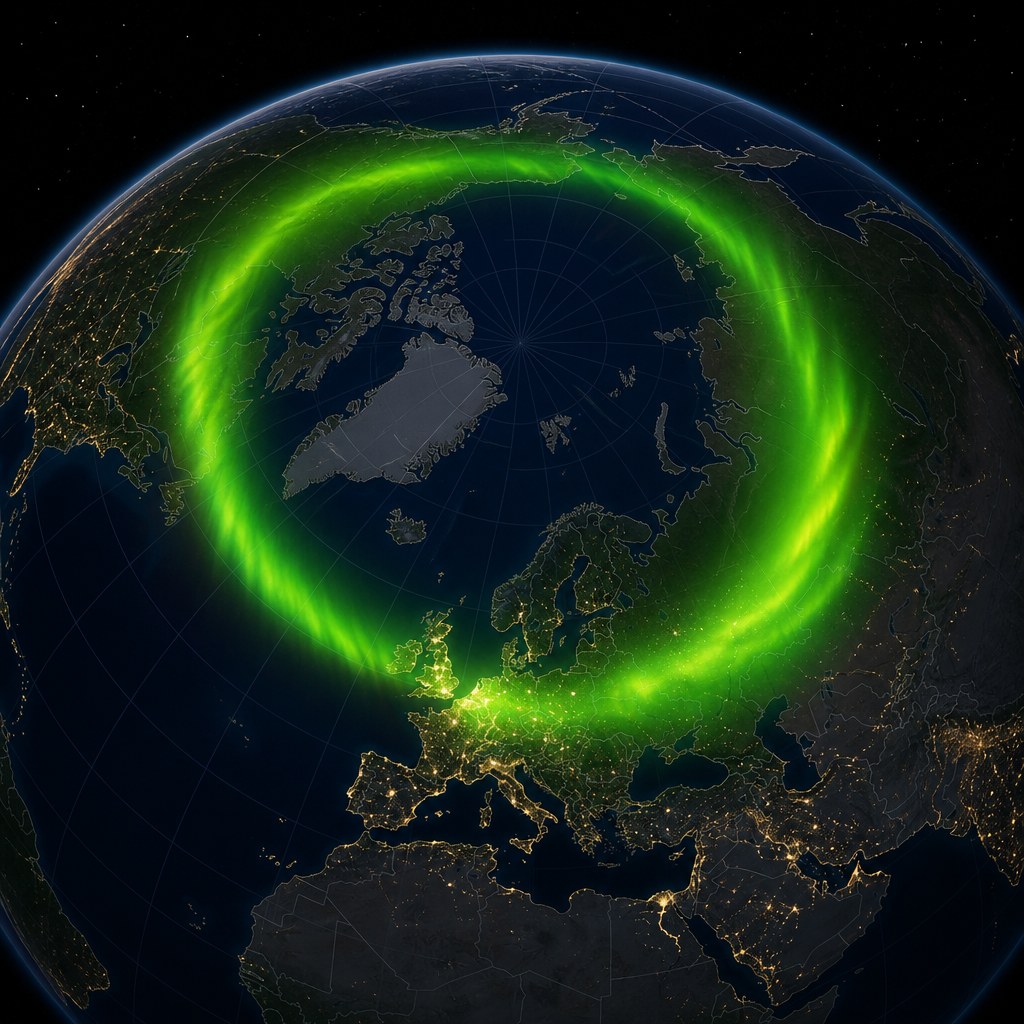
 Current Auroral Oval:


Ariel is the UK's next long stare at other atmospheres
ESA's Ariel mission, with a major British role, will survey exoplanet atmospheres in bulk. That is statistics, not a poster of one Earth twin.
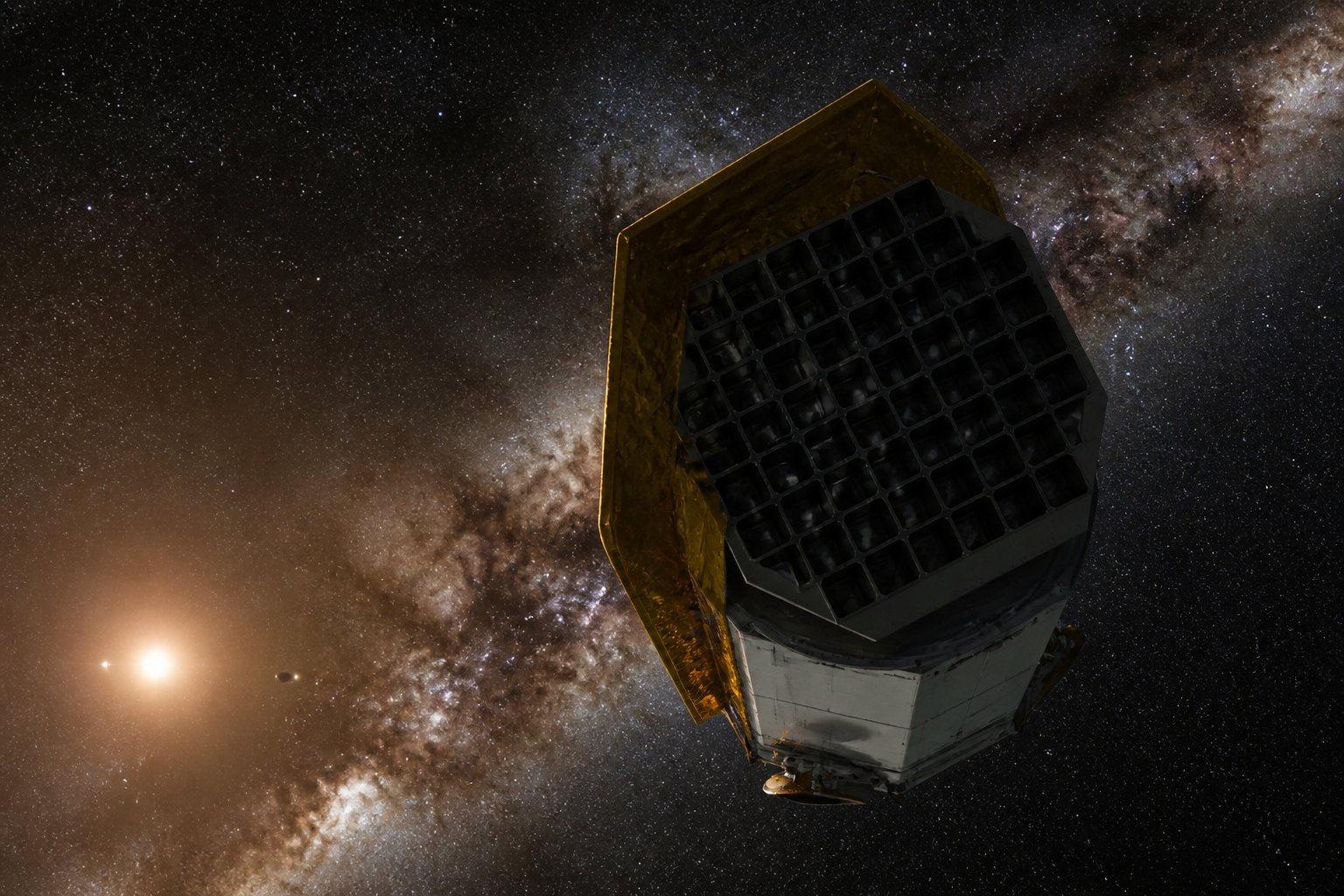
Ariel, the Atmospheric Remote-sensing Infrared Exoplanet Large-survey, is an ESA mission with the United Kingdom deep in the consortium. The point is not to find a second Earth for a press conference. The point is to measure the chemical fingerprints of hundreds of exoplanet atmospheres and to stop arguing from a sample of a famous few. Scienception files this under space science rather than space weather, and will not apologise. A science newsroom that only covers the Sun is a specialist blog.
Transits remain the workhorse: a planet crosses its star, a little light is filtered through the limb of an atmosphere, molecules leave marks. Repeat. The statistical power is the mission. Without it, we will keep over-interpreting whatever JWST happens to stare at this month.

UK groups have spent years on payload contributions, simulations and the political labour of staying on an ESA science programme through budget weather. That labour is unfashionable and is why the hardware exists. Students who only see the artist's impression miss the actual career.
A spectrometer with a national fingerprint
There is a data-rights culture to watch. A survey that cannot be used by a lecturer in Cardiff because the pipeline is a fortress is a failed public investment. Open tools should be a requirement, not a hope.
Exoplanet science has a hype problem. 'Habitable zone' is a thermal definition, not a hotel review. Ariel will not end that hype, but a table of molecular detections might embarrass the worst of it.
One exquisite planet is a short story. A thousand atmospheres are a science.
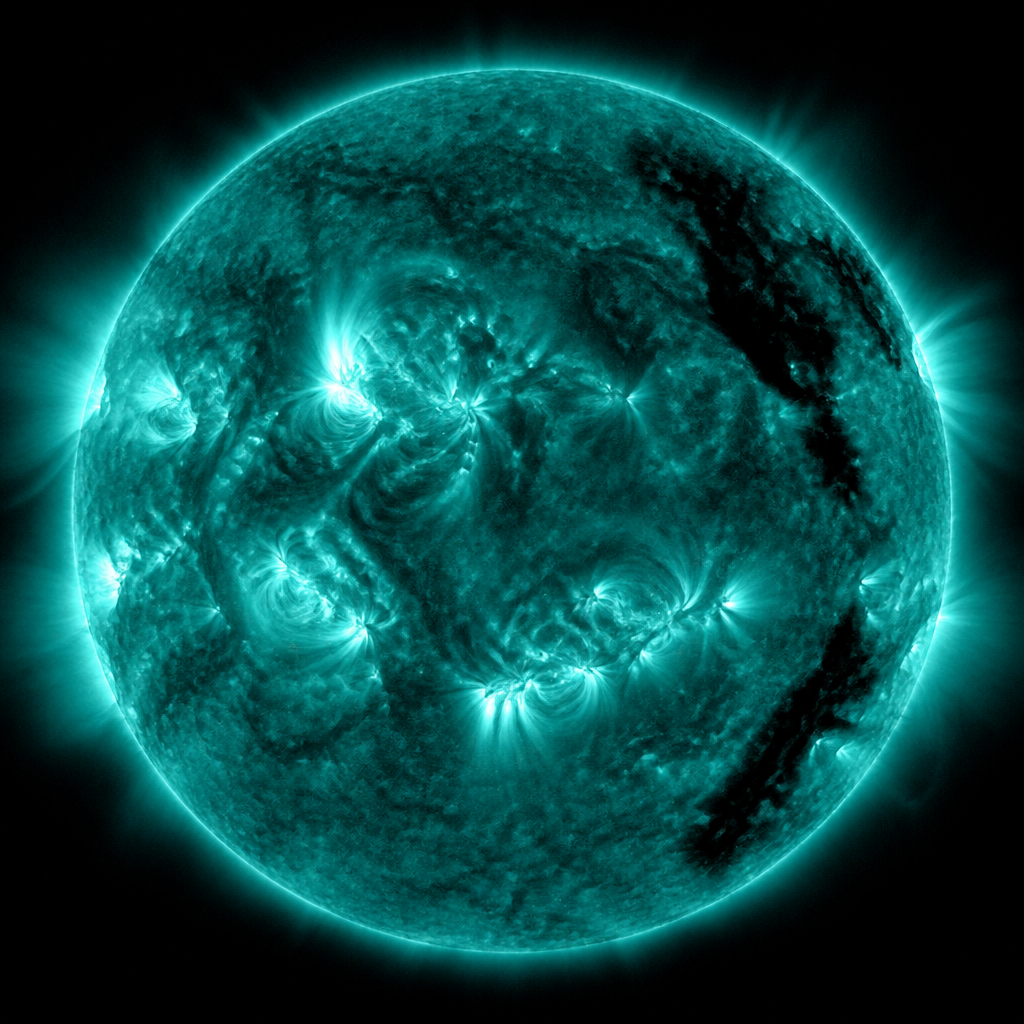
Space weather fans can still find a hook: stellar activity contaminates atmospheres. A flaring host star is a messy lamp. Understanding our Sun is how you understand someone else's noise. The desks talk.
Why a survey beats another 'most habitable' headline
If Ariel slips, the UK should not treat the slip as a reason to leave the table. Surveys are how small countries punch. Flagship imagers are how large countries punch. Know which fight you are in.
Public outreach should show a spectrum, not only a blue marble with extra continents. A spectrum is the truth-shaped object.
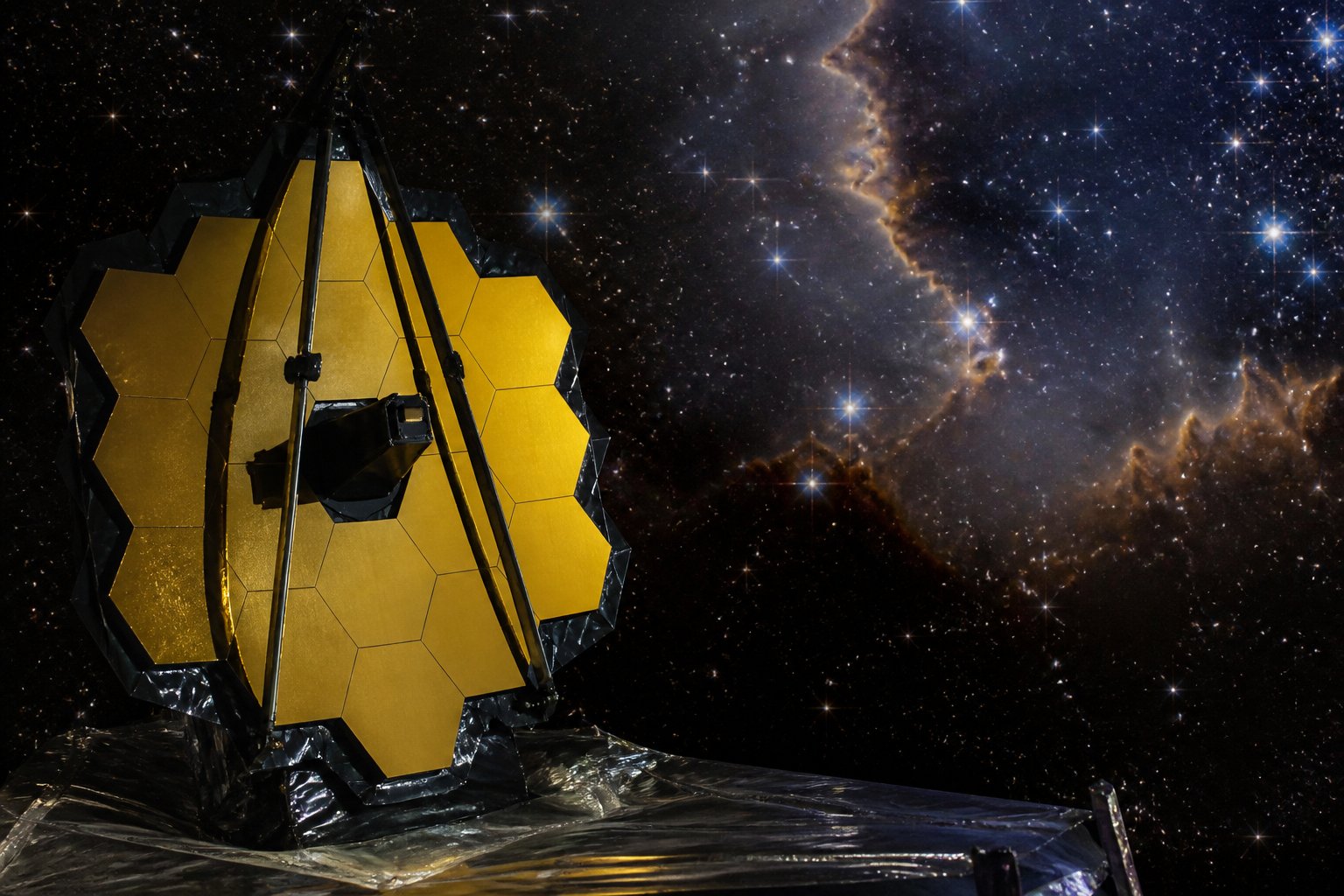
Scienception will cover instrument milestones and consortium papers. We will skip the countdown clocks unless a launch is actually imminent.
Other skies are a British scientific subject because we built a piece of the camera. That is the whole ethic.
Further context for UK readers
Consortia are how Europe builds surveys. A UK laboratory that only wants to be PI of a flagship will miss Ariel and then complain about relevance. Choose the sport.
Stellar activity is the noise floor of atmosphere measurements. Heliophysicists are not a different species. Invite them onto the science team without making it a slogan.
Data rights written in committee English decide whether a lecturer in Aberystwyth can teach with the catalogue. Fight for that lecturer in the committee.
Habitable-zone graphics have done damage. Ariel should be explained with a strip of spectra. If the public cannot handle a strip, we have failed them, not the other way round.
Slip is not scandal until someone lies about it. Demand the true schedule. Do not demand a fantasy one.
UK industry that cuts metal for Ariel should be named in classrooms. Named metal is how kids learn that space is jobs.
A thousand atmospheres is a statistical civilisation. One blue marble is a bedtime story. Pay for the civilisation.
Scienception will skip the Earth-twin countdown. We will not skip the consortium paper.
How to read this on a UK science desk
What a careful UK reader should actually do with this story is slower than a social feed wants. The live wires are: transit statistics, stellar activity noise, data rights, spectra not marbles, consortium slots. If a paragraph does not touch one of those wires, it is probably colour. Colour is allowed. It is not a substitute for a product page at the Met Office, BGS, UKRI, ESA, the UK Space Agency, NATS, the CAA, Ofcom, UKAEA, NHS England or the laboratory named in the sources list. Scienception prints editorial snapshots on the left-hand rail so the homepage feels like a conditions desk in the old space-weather style. Those figures are not a live operational feed. If you are making a decision about aviation, the grid, a licence, a clinical pathway or a launch commit, leave this tab and go to the authority, then come back for the argument.
British geography keeps deciding supposedly global science. Magnetic latitude, Atlantic cloud, a coal switchyard, a dark-sky park, a Clyde clean room, a synchrotron on a former airfield, an ice-shelf station, a parish lighting rule: these are not decorations on ariel exoplanet uk. They decide whether a result is operational for this country or merely interesting. A model that cannot be checked against a UK sensor is tourism. A policy that cannot be walked to a protocol is speech. We will keep dragging the global noun back to a named place.
There is a records problem in the background of this beat. Time series die when programmes end, when students leave, and when a dashboard is funded instead of a person who knows a sensor's quirks. The cheap way to look modern is a new visualisation. The expensive way that works is to keep the ugly log alive. Magnetograms, ionosondes, light curves, beam-test files, trusted research environments, licence PDFs and anomaly reports are how a democracy stays in the measurement business when the solar cycle, the debris environment or a carbon budget stops being polite.
The public conversation still swings between panic and shrug. Hold two true sentences at once. A minor geomagnetic watch is not a national blackout. A stored tonne of carbon is not a groundbreaking party. A nova that has not erupted is not a failure. A satellite train is not an invasion. Scienception will keep writing as if readers can cope with a caveat, a map, a table and a link. That is the minimum adult form of UK science news, and it is the house style for this article as much as for the conditions rail.
If you work in a school, use the primary links as a single homework: open the Met Office or BGS or ESA page, write down what the official product actually says, and compare it with our kicker. If you work in a control room, steal only the method: name the sensor, name the failure mode, name the British place that would feel it. If you only wanted a picture, look at the figures, then look at the sources. The figures are illustrations. The sources are how you check us. Corrections remain info@scienception.com at Scienception LTD.
Related on Scienception: SWIMMR is the quiet programme that taught Britain to model storms · RAL Space still builds the UK's eyes on the solar wind · JWST's British fingerprints are still in the data, not only in the history

