



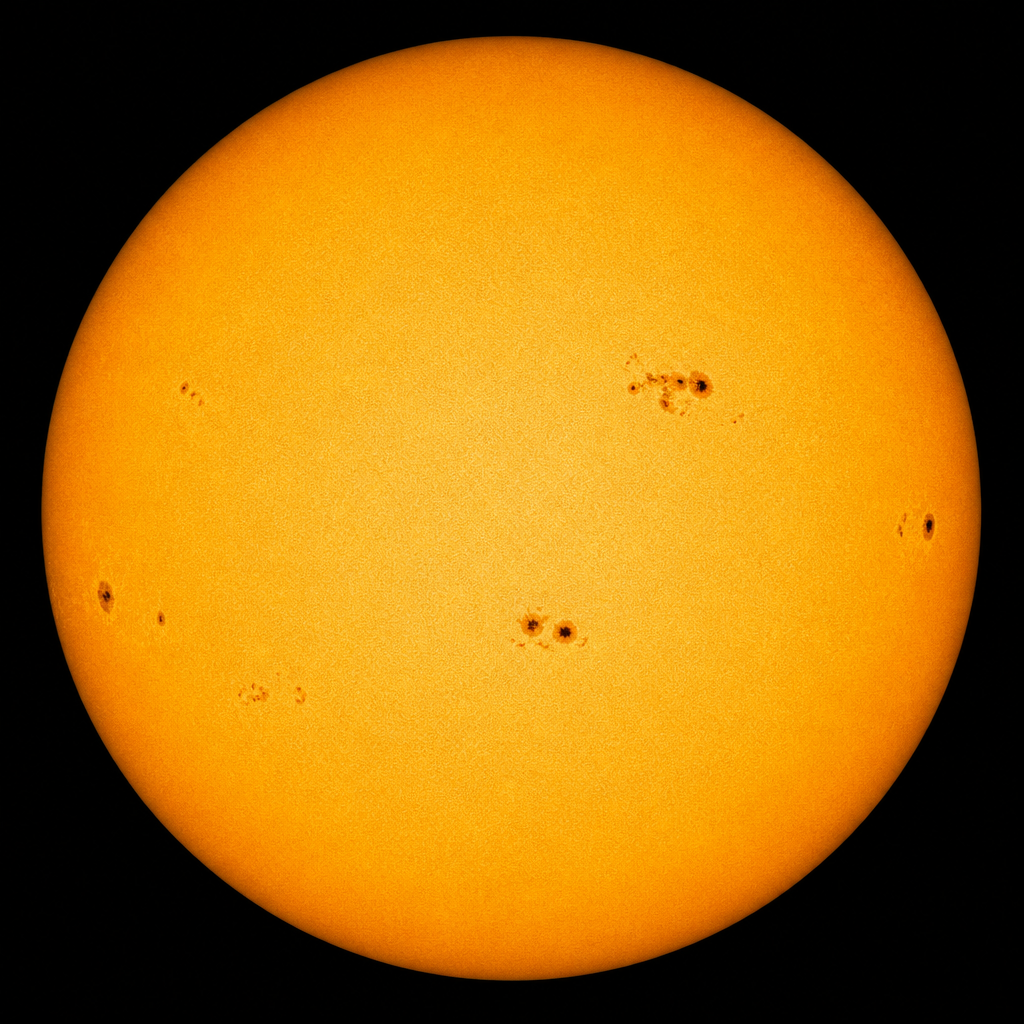
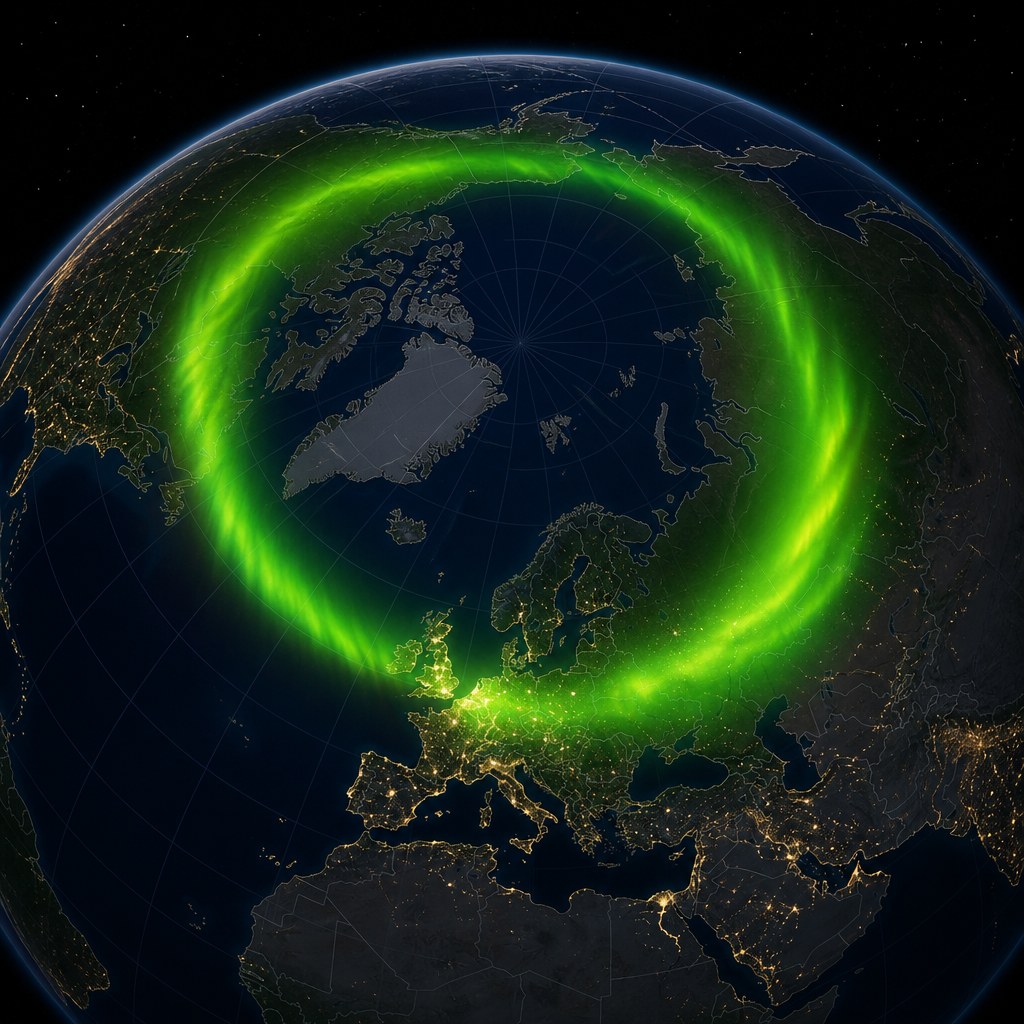
 Current Auroral Oval:
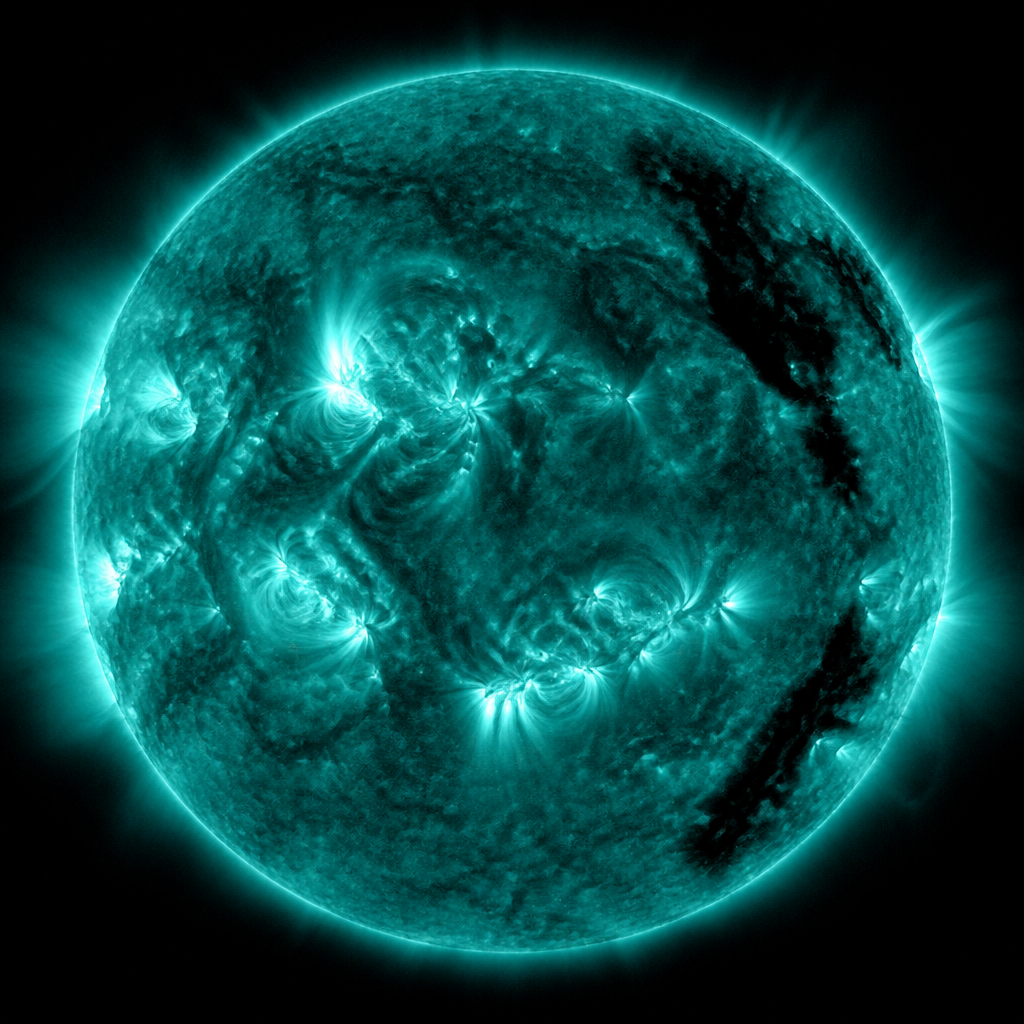


Solar Orbiter's UK magnetometer is still teaching us how the Sun braids its field
Imperial College London's magnetometer on ESA's Solar Orbiter is returning a close-up of the heliospheric magnetic field that textbooks only sketched.
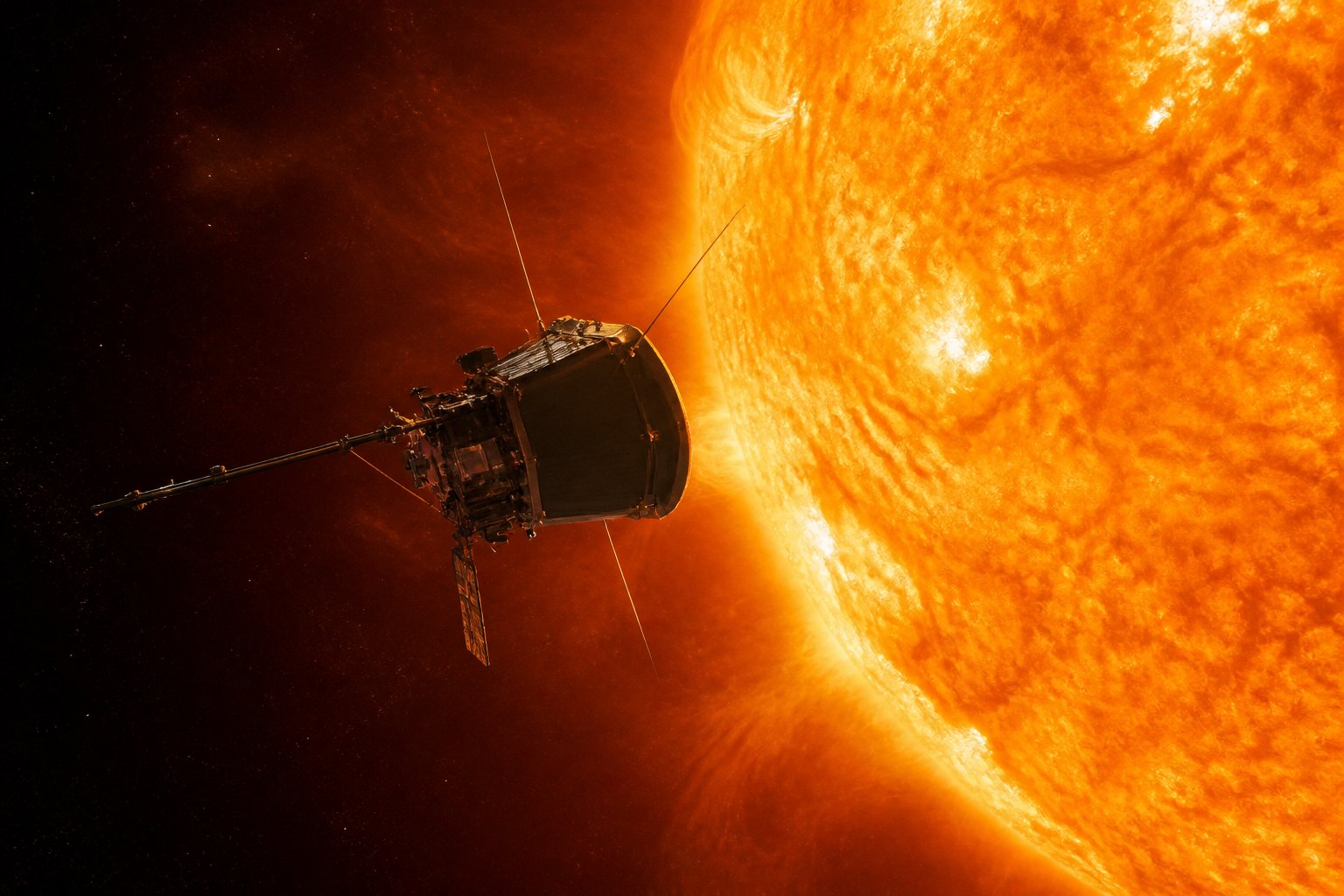
Solar Orbiter was never a British mission, and that is fine. It is an ESA spacecraft with a UK fingerprint in several instruments, the magnetometer among them. Imperial College London has a long habit of putting magnetometers into the solar wind, from earlier Helios-era thinking through Ulysses and Cluster. Orbiter's version has to survive a heat shield, a complicated electromagnetic environment, and a trajectory that climbs out of the ecliptic. Scienception cares because the data are already rearranging how we talk about the interplanetary magnetic field.
The headline discovery language around 'switchbacks' — sudden flips in the magnetic field — predates Orbiter, thanks to Parker Solar Probe. Orbiter's contribution is context: composition, wider orbits, and a European data culture that UK students can actually enter. Together the missions show a young solar wind that is still braided and bursty, not a tidy garden hose.
Why should a grid engineer in Warwickshire care? Because the north-south component of the IMF, Bz, is the on-switch for geomagnetic storms. If the field near the Sun is already full of folds, then L1 measurements are a last-minute verdict, not a long-range prophecy. Better physics at 0.3 astronomical units improves the story we tell about uncertainty. It does not give you next week's aurora calendar.
A British instrument at a difficult address
Imperial's team still has to fight the spacecraft. Currents, moving appendages and heater cycles all mimic magnetic signals. Magnetic cleanliness is a religion. Papers that look like pure science sit on months of subtracting the satellite from itself. That work is rarely televised. It is the difference between a discovery and a noise spike.
UK industry and academia both needed Orbiter to succeed. A failed magnetometer would have been a quiet embarrassment with a loud funding consequence. Instead the instrument is part of a dataset that heliophysicists will mine for a decade. That is the actual special relationship with ESA: we show up with hardware that works.
Every switchback in the solar wind is a reminder that the Sun's magnetic field is not a smooth dipole drawn for a GCSE poster.
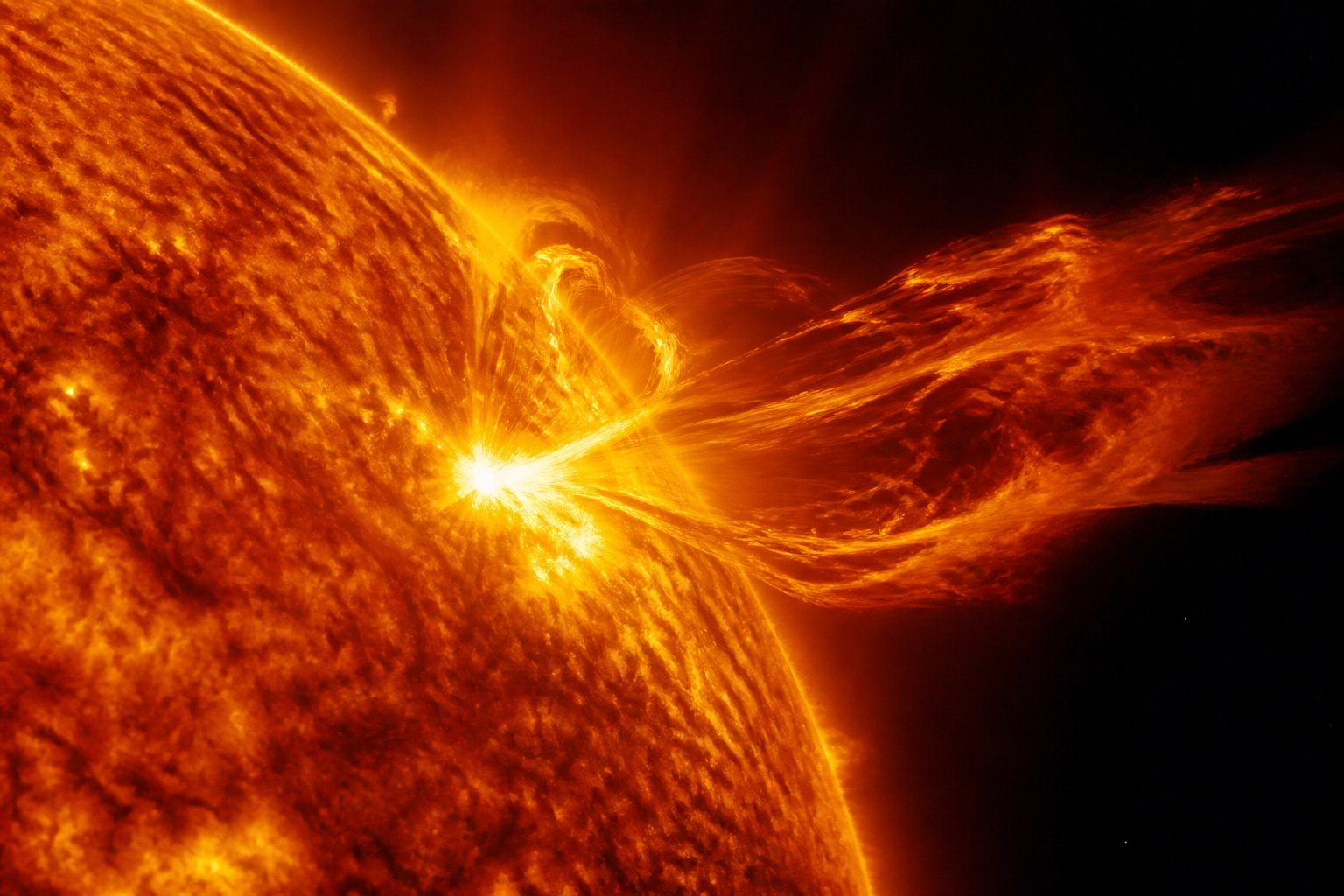
There is a public-communications trap. Close-up solar images are gorgeous. Magnetometer time series look like seismographs. Scienception will keep publishing both, with captions that refuse to pretend a field-line cartoon is a photograph.
Switchbacks, current sheets and the forecast problem
Students at Imperial and collaborating UK universities now write theses on current sheets thinner than models expected. Those theses are how the next MOSWOC guidance will eventually change — slowly, after verification, not after a press release.
Orbiter will keep raising its heliographic latitude. Polar fields, which set the solar cycle's mood, are still under-sampled. Britain has a ticket to that view because it built a sensor and then kept calibrating it. That is a strategy. It should be repeated.
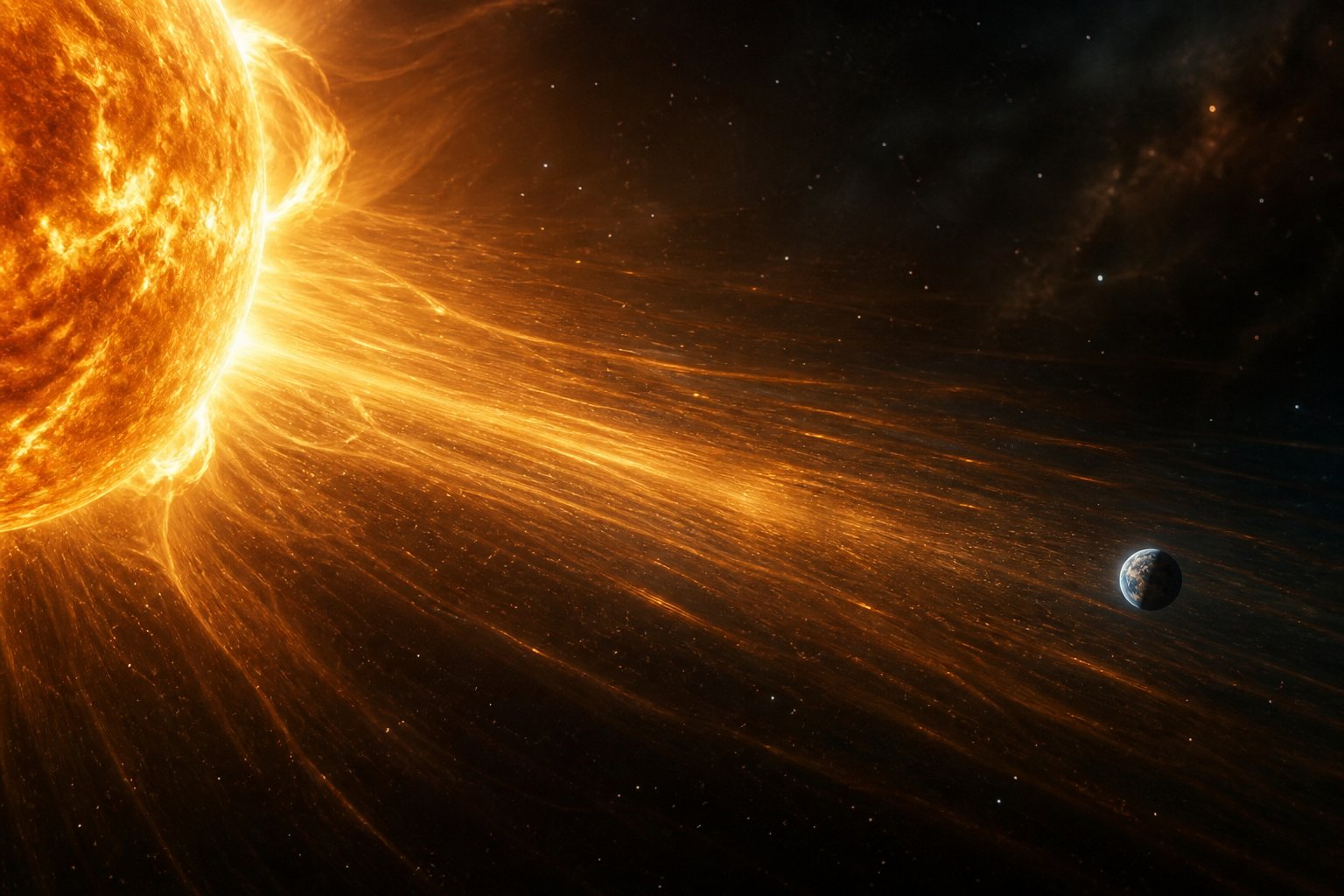
If you only remember one number, remember this: spacecraft at L1 give you less than an hour. Everything else is climatology. Orbiter is climatology of a ferocious quality.
The Sun will not become tidy because we flew closer. It will become legible. Legibility is what a science desk is for.
Further context for UK readers
Imperial College's magnetometer heritage is a relay of names students still meet in footnotes. The point of the relay is not nostalgia. It is a workshop that still knows how to wind a core and then distrust it.
Parker Solar Probe and Solar Orbiter are often pitted against each other in popular copy. They are a pair. Perihelion heroics plus a slower, broader European orbit is how you stop over-fitting one spacecraft's personality.
Heliospheric current sheets are where the field reverses on large scales. Orbiter's magnetometer keeps finding structure inside the structure. Textbooks will thin those paragraphs slowly. Journalism should not pretend the textbook already updated.
UK Space Agency communications like flags on hardware. Fine. The better metric is whether a British PhD can still get a co-author slot without emigrating. Watch that metric.
Magnetic cleanliness reviews are comic until they are not. A heater cycle that mimics a switchback can waste a year of theory. Engineers who insist on another test are the adults in the room.
Data pipelines from ESA archives into UK laptops are part of the instrument. If the archive is painful, the hardware's IQ falls. Fund the archive.
Public talks should show a time series with a gap in it. Gaps teach trust. Smooth cartoons teach the opposite.
Closer to the Sun we learned the wind is messier. That sentence is the entire mission, and it is enough.
How to read this on a UK science desk
What a careful UK reader should actually do with this story is slower than a social feed wants. The live wires are: Imperial cores, Parker as a pair, current sheets, magnetic cleanliness, ESA archives. If a paragraph does not touch one of those wires, it is probably colour. Colour is allowed. It is not a substitute for a product page at the Met Office, BGS, UKRI, ESA, the UK Space Agency, NATS, the CAA, Ofcom, UKAEA, NHS England or the laboratory named in the sources list. Scienception prints editorial snapshots on the left-hand rail so the homepage feels like a conditions desk in the old space-weather style. Those figures are not a live operational feed. If you are making a decision about aviation, the grid, a licence, a clinical pathway or a launch commit, leave this tab and go to the authority, then come back for the argument.
British geography keeps deciding supposedly global science. Magnetic latitude, Atlantic cloud, a coal switchyard, a dark-sky park, a Clyde clean room, a synchrotron on a former airfield, an ice-shelf station, a parish lighting rule: these are not decorations on solar orbiter uk magnetometer. They decide whether a result is operational for this country or merely interesting. A model that cannot be checked against a UK sensor is tourism. A policy that cannot be walked to a protocol is speech. We will keep dragging the global noun back to a named place.
There is a records problem in the background of this beat. Time series die when programmes end, when students leave, and when a dashboard is funded instead of a person who knows a sensor's quirks. The cheap way to look modern is a new visualisation. The expensive way that works is to keep the ugly log alive. Magnetograms, ionosondes, light curves, beam-test files, trusted research environments, licence PDFs and anomaly reports are how a democracy stays in the measurement business when the solar cycle, the debris environment or a carbon budget stops being polite.
The public conversation still swings between panic and shrug. Hold two true sentences at once. A minor geomagnetic watch is not a national blackout. A stored tonne of carbon is not a groundbreaking party. A nova that has not erupted is not a failure. A satellite train is not an invasion. Scienception will keep writing as if readers can cope with a caveat, a map, a table and a link. That is the minimum adult form of UK science news, and it is the house style for this article as much as for the conditions rail.
If you work in a school, use the primary links as a single homework: open the Met Office or BGS or ESA page, write down what the official product actually says, and compare it with our kicker. If you work in a control room, steal only the method: name the sensor, name the failure mode, name the British place that would feel it. If you only wanted a picture, look at the figures, then look at the sources. The figures are illustrations. The sources are how you check us. Corrections remain info@scienception.com at Scienception LTD.
Related on Scienception: The 10.7 cm radio Sun is the index UK observers should actually quote · G1 watch puts Shetland and Northern Ireland on aurora alert · BGS magnetometers map the quiet currents that stress the grid

