



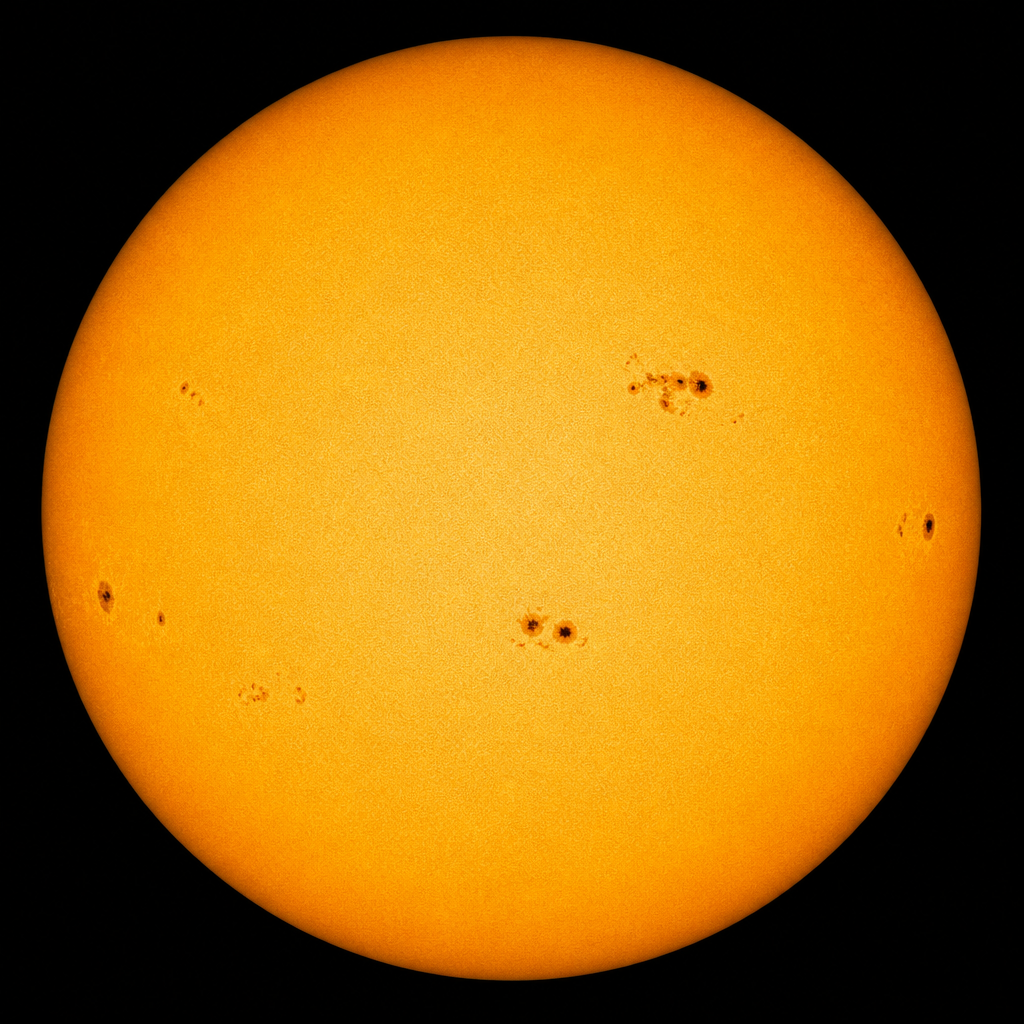
 Current Auroral Oval:
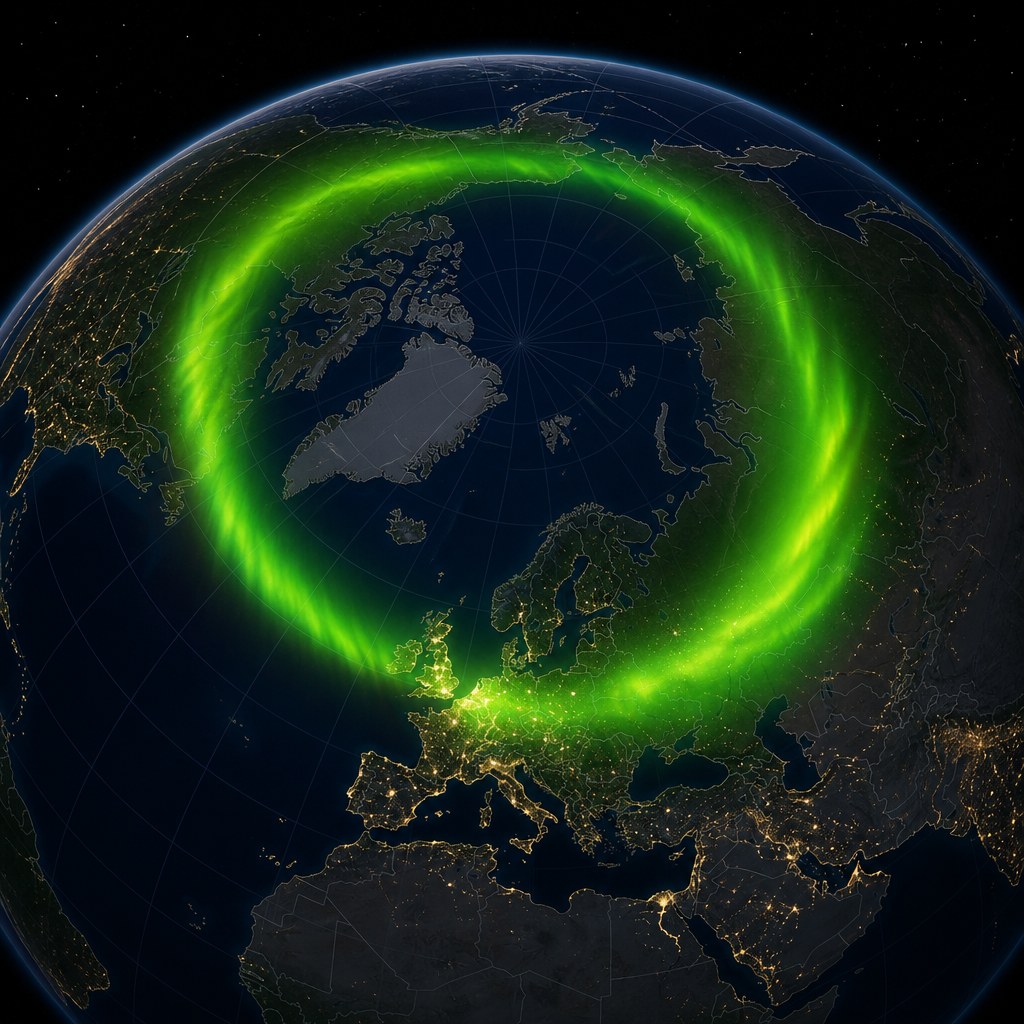
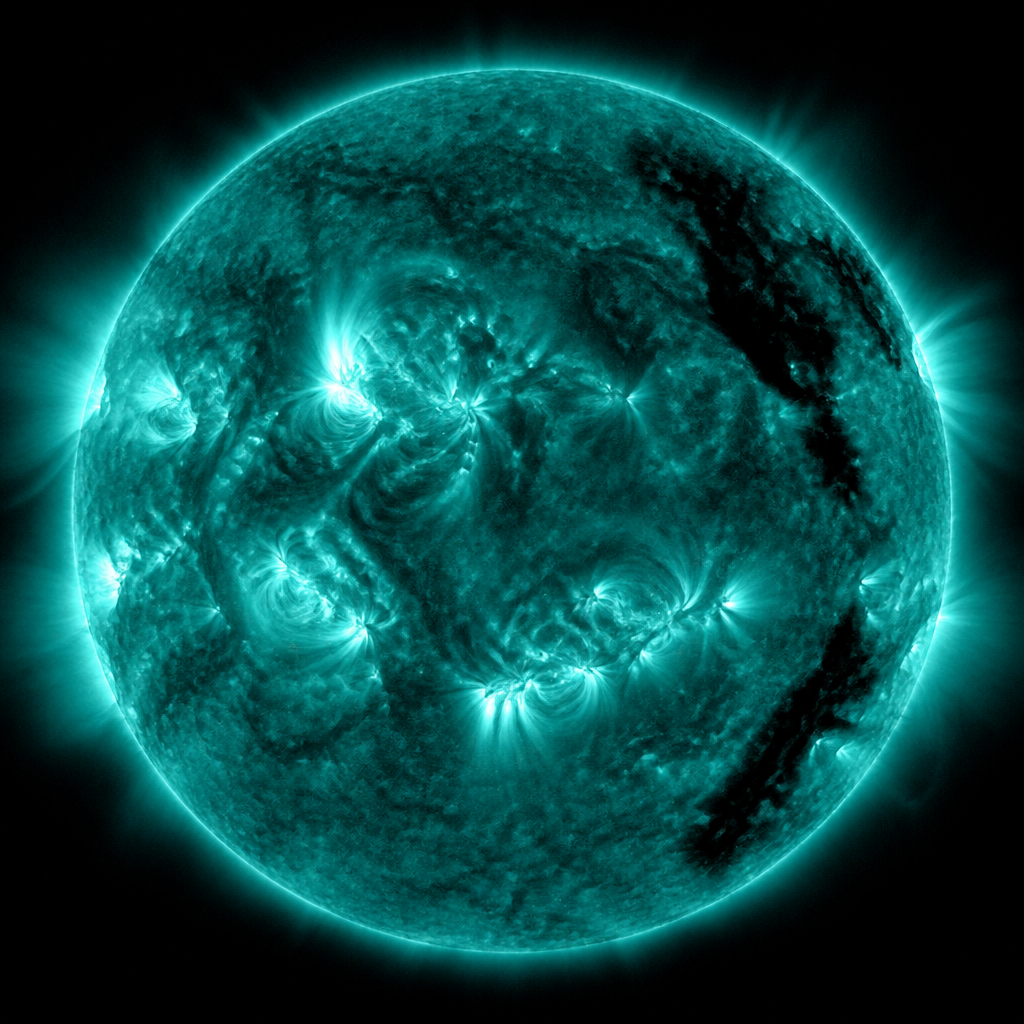


UKRI's next heliophysics grants will decide whether Britain still measures the Sun
Space-weather modelling dies in the gaps between grant rounds. The settlement is the story.
Heliophysics in the UK lives in the cracks between STFC, NERC, the Met Office, and UKSA. That can be a healthy ecosystem or a way for everyone to decide a proposal is someone else's problem. Scienception reads grant settlements as space-weather news because SWIMMR-type integration dies when the next call is 'not our theme'.
Studentships are the real index. A country with a dozen well-supervised doctoral students in solar-terrestrial physics still has a future MOSWOC. A country with two, on short contracts, has a future of importing slides.
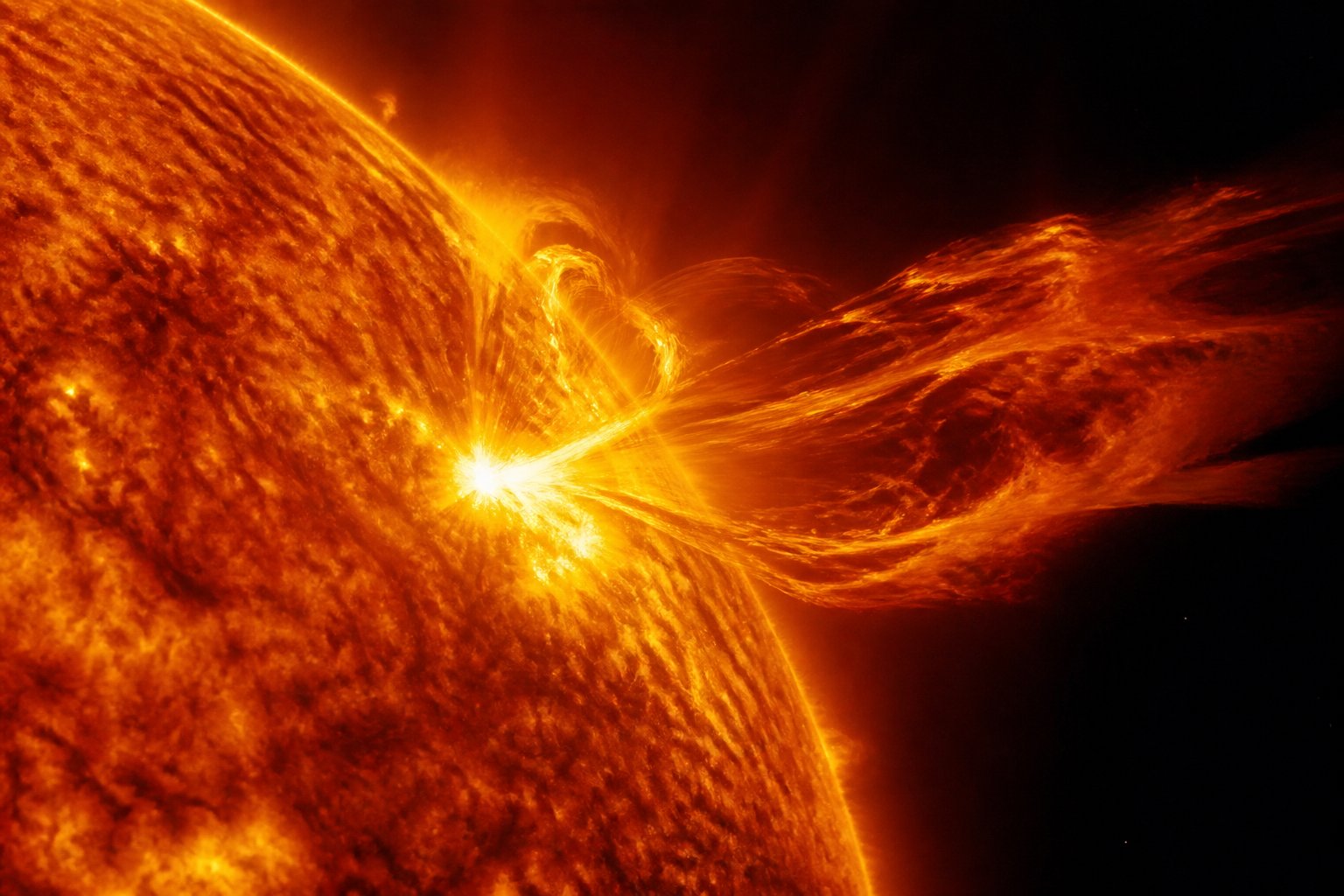
Capital items — ionosondes, magnetometers, a share of a satellite instrument — look expensive until you price a transformer. The comparison is allowed. It should not be vulgar. It should be explicit.
A discipline that falls between stools
International subscriptions to ESA science and to data centres are not optional extras. They are how a medium country sees the Sun. Leaving a consortium to save a line item is how you go blind politely.
Reviewer culture matters. If solar-terrestrial work is judged by people who only know galaxies, the scores will be picturesque and wrong. Panels need mixed blood.
You cannot buy a forecast culture in the week after a blackout. You buy it in the unfashionable years.
Industry co-funding can help and can distort. A company should not own a public magnetometer's silence. Data policy belongs in the grant, not in a side letter.
What to fund if you actually want forecasts
Scienception will report who got funded when the lists are public, and what fell off when they are not. The falling-off is the story.
If a settlement boosts AI and cuts instrumentation, we will say that you cannot train a model on measurements you stopped taking.
Researchers should write proposals in operational English as well as in journal English. Operators should sit on a few panels. Both sentences will annoy someone. Good.
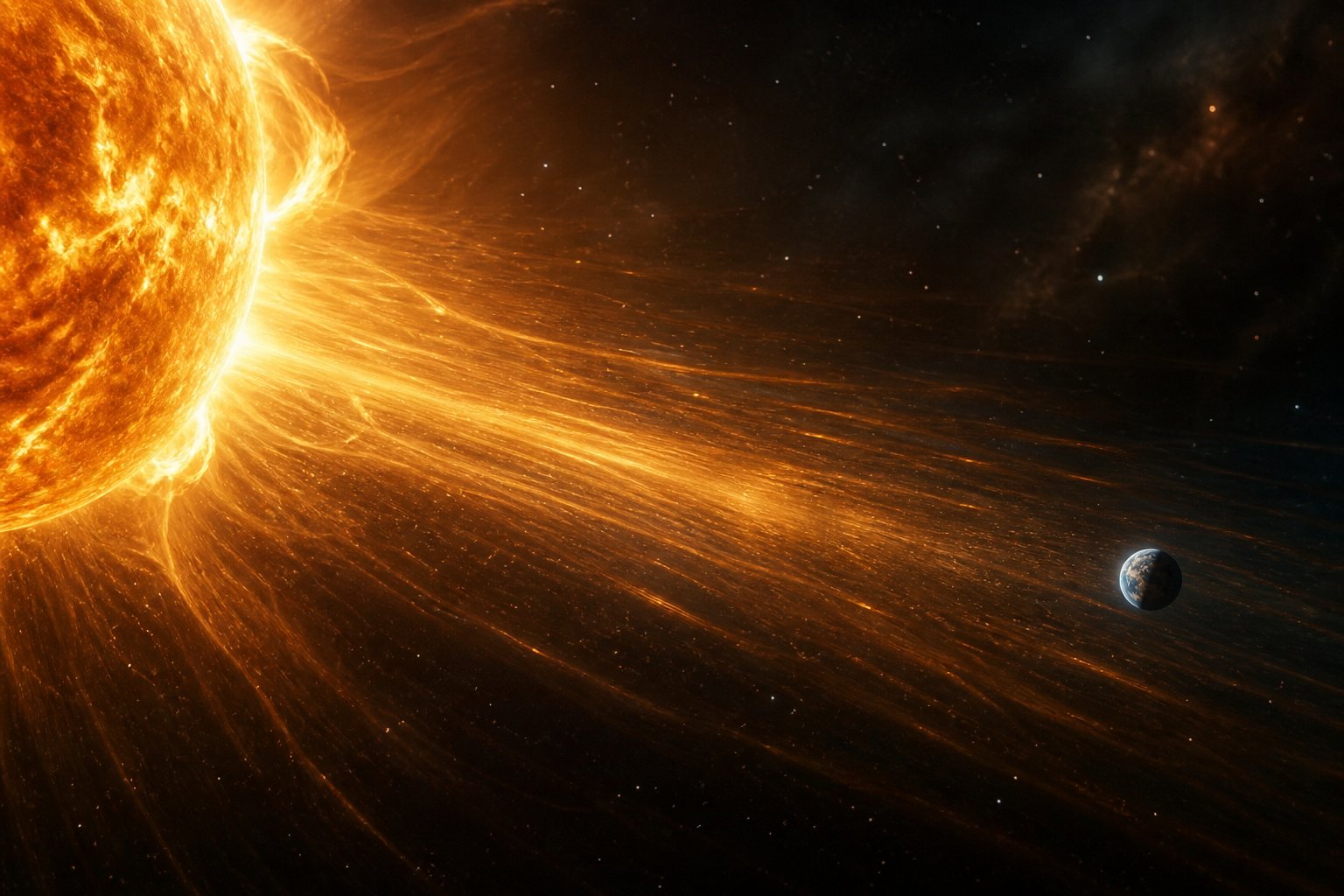
The Sun is not a UKRI customer. It will erupt anyway. Grants decide whether we are spectators or measurers.
Further context for UK readers
Heliophysics falls between STFC and NERC like a coin down a grate. Someone has to own the grate. A joint theme with teeth is the adult option.
Studentship counts are the index. If they fall, MOSWOC's future night shift thins. That is a national-risk sentence, not a special-pleading sentence.
Capital for ionosondes is cheaper than a transformer. The comparison is allowed if you do not shout it. Whisper it in the spending review.
ESA subscriptions are how we see. Cutting them is a blindness with a press release about sovereignty.
Panels need solar-terrestrial blood. Galaxy-only panels will score the field as a failed galaxy proposal. That is a category error with a spreadsheet.
Industry co-funding cannot buy a public magnetometer's silence. Put data policy in the grant text.
If AI is boosted and instruments are cut, say that you cannot train on a measurement you stopped making.
The Sun is not a customer of UKRI. It erupts anyway. Grants decide whether we measure or watch television.
How to read this on a UK science desk
What a careful UK reader should actually do with this story is slower than a social feed wants. The live wires are: STFC NERC grate, studentships, ionosonde capital, panel blood, measurements before models. If a paragraph does not touch one of those wires, it is probably colour. Colour is allowed. It is not a substitute for a product page at the Met Office, BGS, UKRI, ESA, the UK Space Agency, NATS, the CAA, Ofcom, UKAEA, NHS England or the laboratory named in the sources list. Scienception prints editorial snapshots on the left-hand rail so the homepage feels like a conditions desk in the old space-weather style. Those figures are not a live operational feed. If you are making a decision about aviation, the grid, a licence, a clinical pathway or a launch commit, leave this tab and go to the authority, then come back for the argument.
British geography keeps deciding supposedly global science. Magnetic latitude, Atlantic cloud, a coal switchyard, a dark-sky park, a Clyde clean room, a synchrotron on a former airfield, an ice-shelf station, a parish lighting rule: these are not decorations on ukri heliophysics grants. They decide whether a result is operational for this country or merely interesting. A model that cannot be checked against a UK sensor is tourism. A policy that cannot be walked to a protocol is speech. We will keep dragging the global noun back to a named place.
There is a records problem in the background of this beat. Time series die when programmes end, when students leave, and when a dashboard is funded instead of a person who knows a sensor's quirks. The cheap way to look modern is a new visualisation. The expensive way that works is to keep the ugly log alive. Magnetograms, ionosondes, light curves, beam-test files, trusted research environments, licence PDFs and anomaly reports are how a democracy stays in the measurement business when the solar cycle, the debris environment or a carbon budget stops being polite.
The public conversation still swings between panic and shrug. Hold two true sentences at once. A minor geomagnetic watch is not a national blackout. A stored tonne of carbon is not a groundbreaking party. A nova that has not erupted is not a failure. A satellite train is not an invasion. Scienception will keep writing as if readers can cope with a caveat, a map, a table and a link. That is the minimum adult form of UK science news, and it is the house style for this article as much as for the conditions rail.
If you work in a school, use the primary links as a single homework: open the Met Office or BGS or ESA page, write down what the official product actually says, and compare it with our kicker. If you work in a control room, steal only the method: name the sensor, name the failure mode, name the British place that would feel it. If you only wanted a picture, look at the figures, then look at the sources. The figures are illustrations. The sources are how you check us. Corrections remain info@scienception.com at Scienception LTD.
Studentships are the index of whether MOSWOC has a future night shift. Ionosondes are cheaper than transformers and less photogenic than dashboards. If panels are staffed only by people who judge galaxies, heliophysics will look like a failed galaxy proposal. The Sun is not a UKRI customer. Grants decide whether Britain measures it or watches someone else's plot. Count the studentships if you want the honest index.
Related on Scienception: Starlink trains are now part of British weather, and the forecast is crowded · Greenwich can still teach the sky, if CPRE's night-blight maps are taken seriously · STEP at West Burton is a power-station ghost being asked to become a torus

