



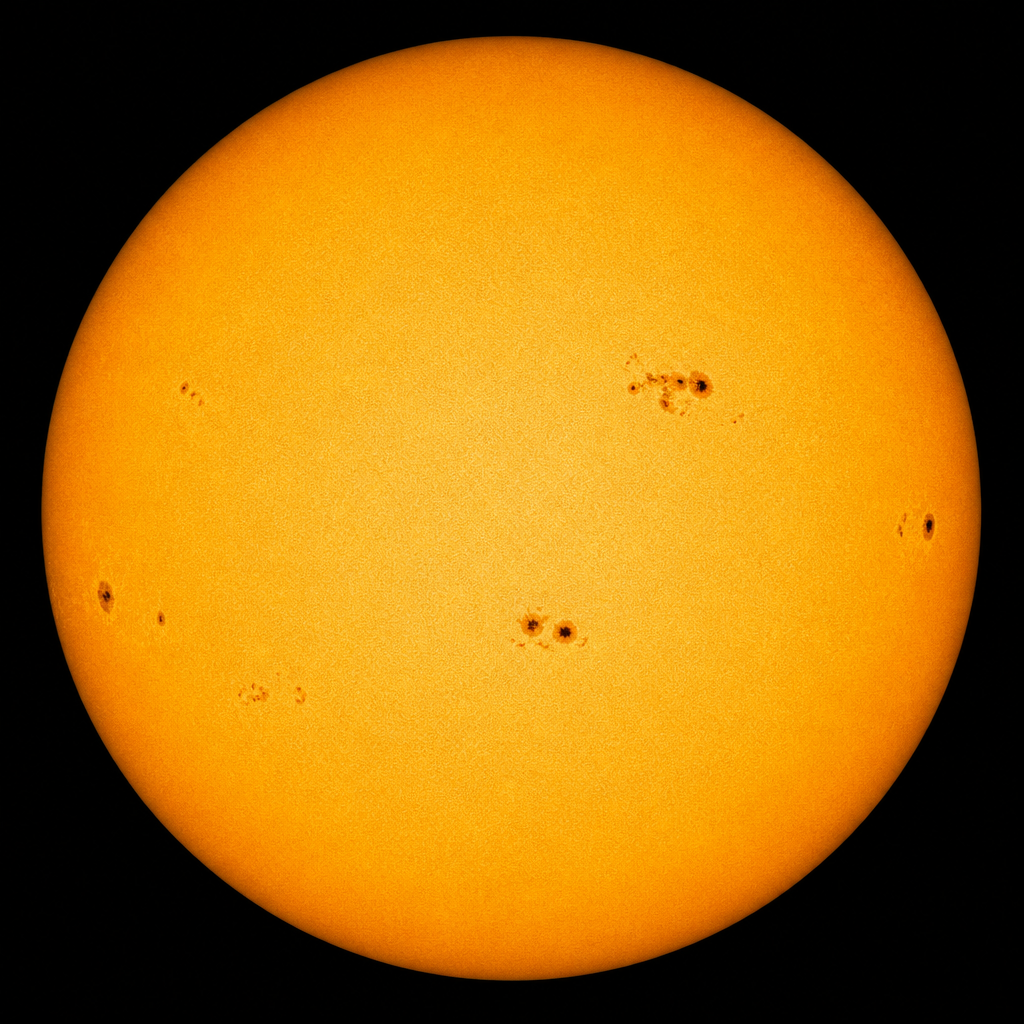
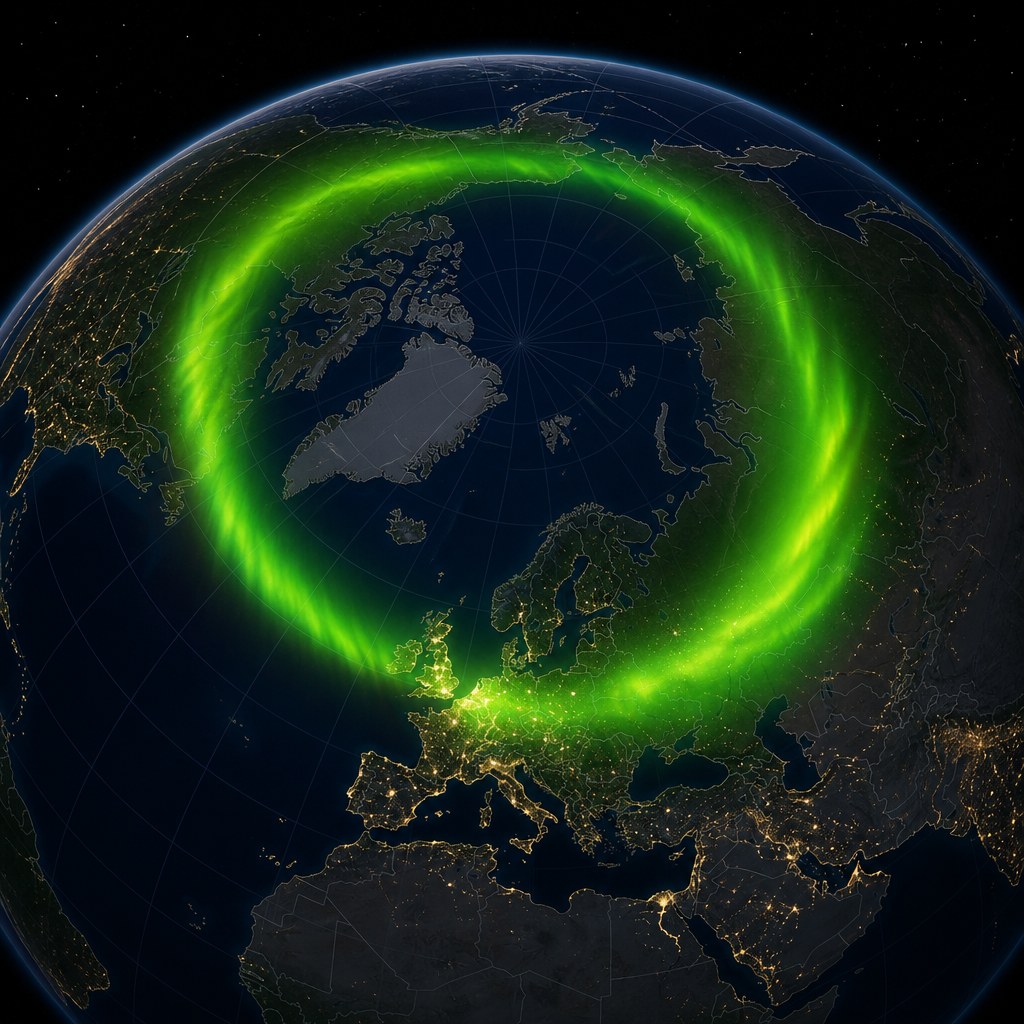
 Current Auroral Oval:


Greenwich can still teach the sky, if CPRE's night-blight maps are taken seriously
The Royal Observatory is a public square for astronomy. Light pollution is the weather that square cannot command.
The Royal Observatory at Greenwich is the most visited astronomy site in the country, which means it is also the most compromised. London's skyglow has been a fact for longer than most visitors have been alive. The scientific instruments moved out decades ago. The public mission stayed. Scienception thinks that mission now includes telling the truth about light pollution, using CPRE's night-blight maps as a primary source rather than as a sad poster.
LED conversions were sold as green. Many were brighter, bluer, and worse for the sky and for insects. A competent conversion is shielded, warm, and dimmable. An incompetent one is a flood. Councils still buy incompetence because it is in the catalogue. That is not a physics problem. It is a procurement problem.
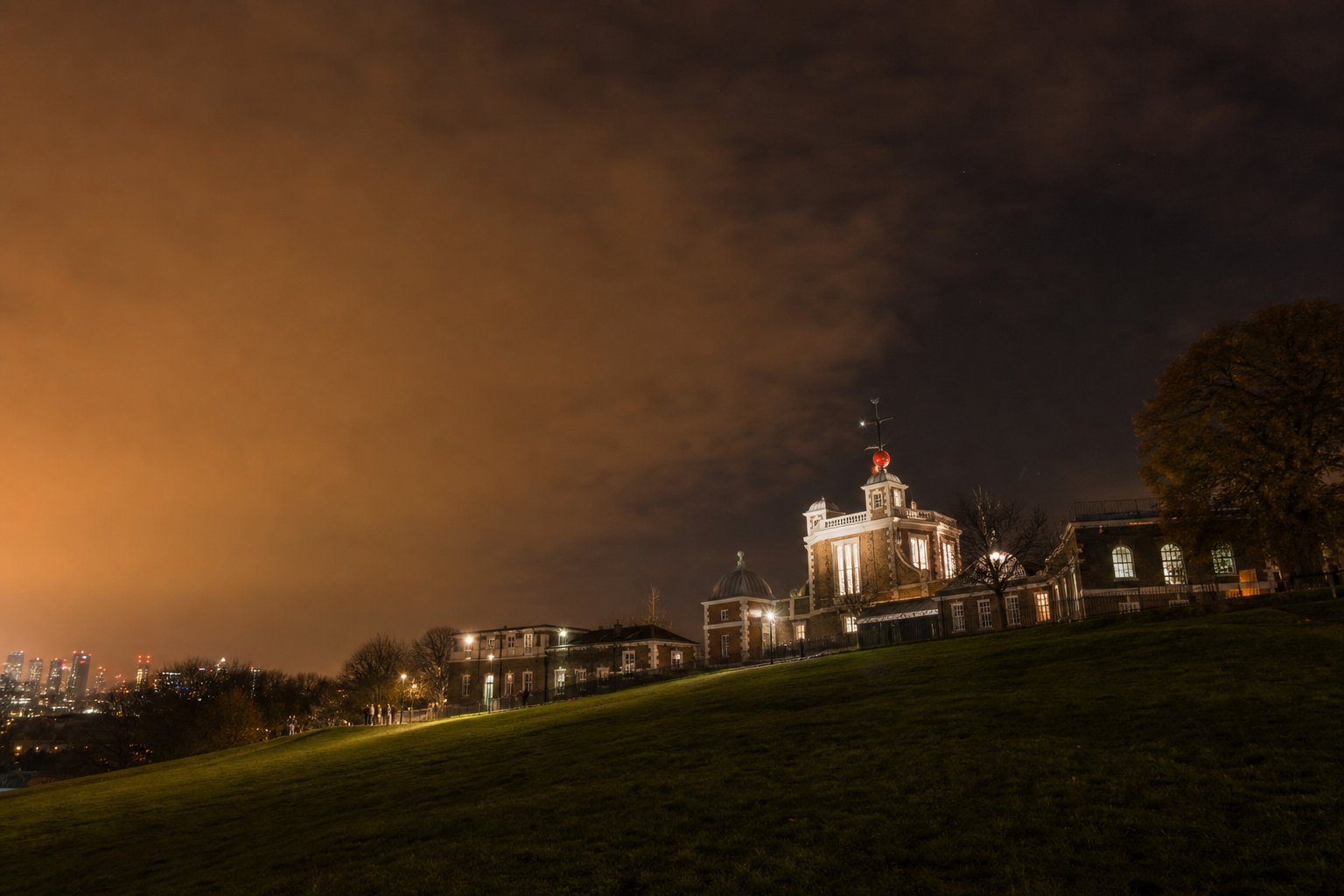
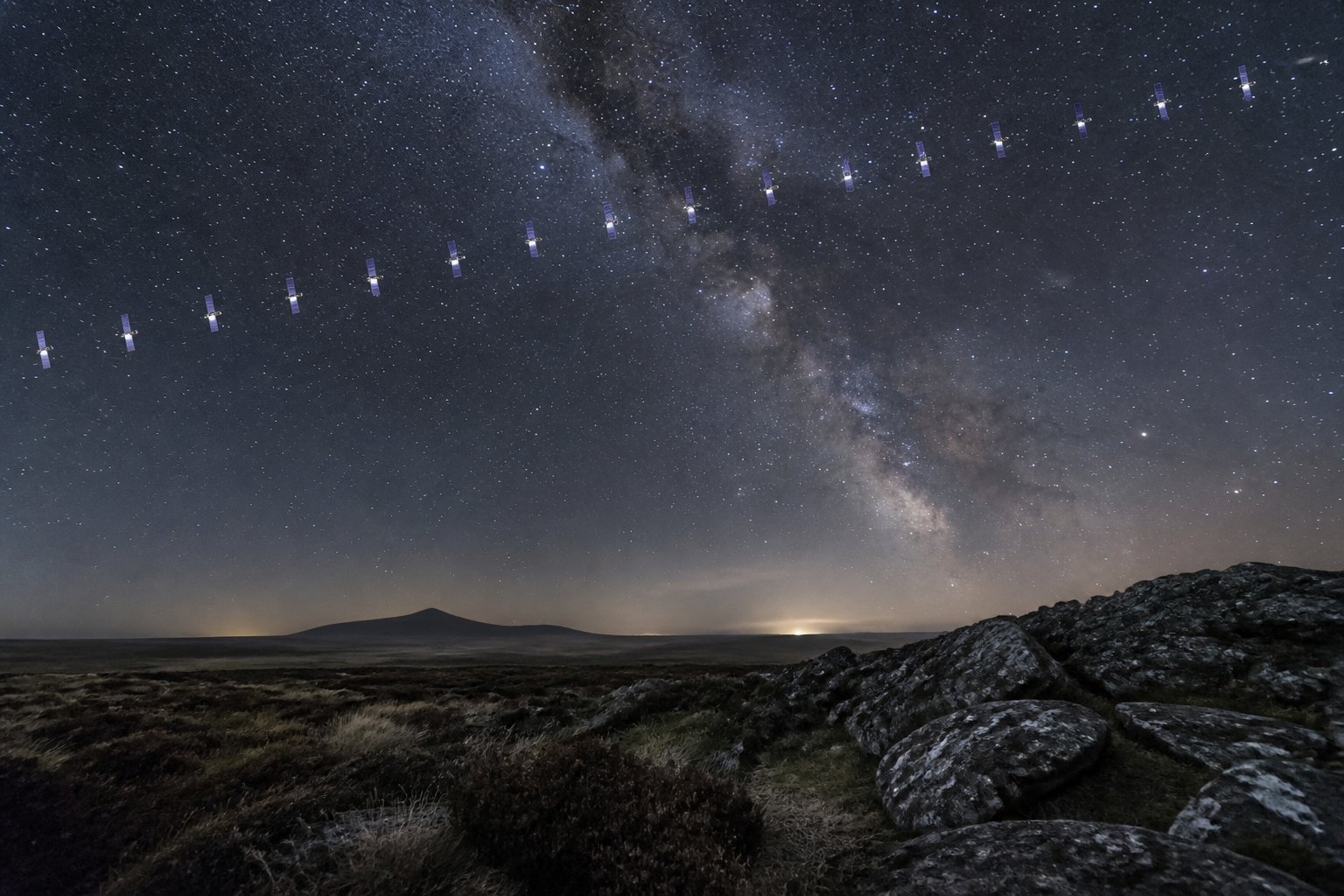
CPRE's maps show that truly dark skies in England are fragments. National parks and a few AONBs hold the fragments. The rest is orange-white mush. A child in Greenwich can still learn the Moon, the planets, and a handful of constellations. They cannot learn the Milky Way as a naked-eye object on a typical night. Say that without sneering at the child.
A hill that invented longitude and now fights LEDs
Astronomy outreach that only happens in London will slowly become planetarium outreach. Planetariums are wonderful. They are not the sky. A national culture needs both, plus coaches to Northumberland.
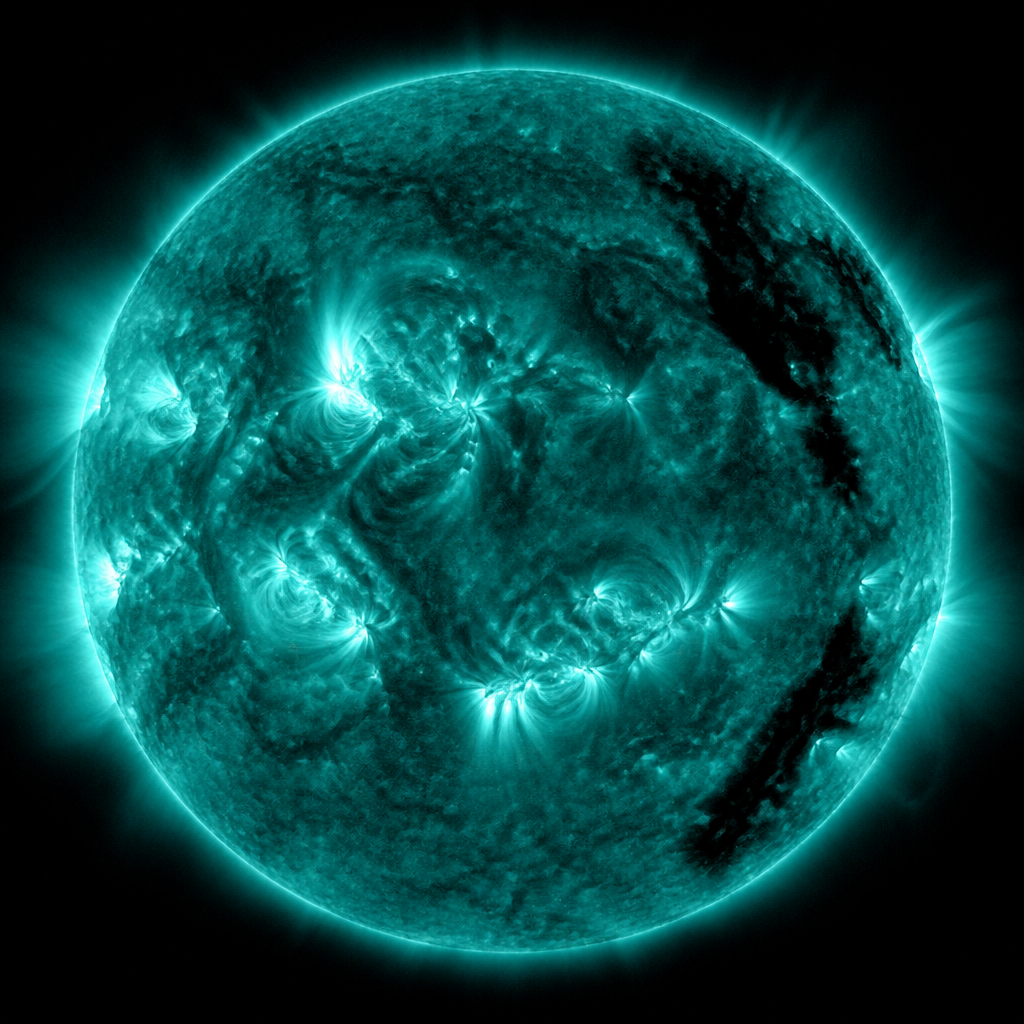
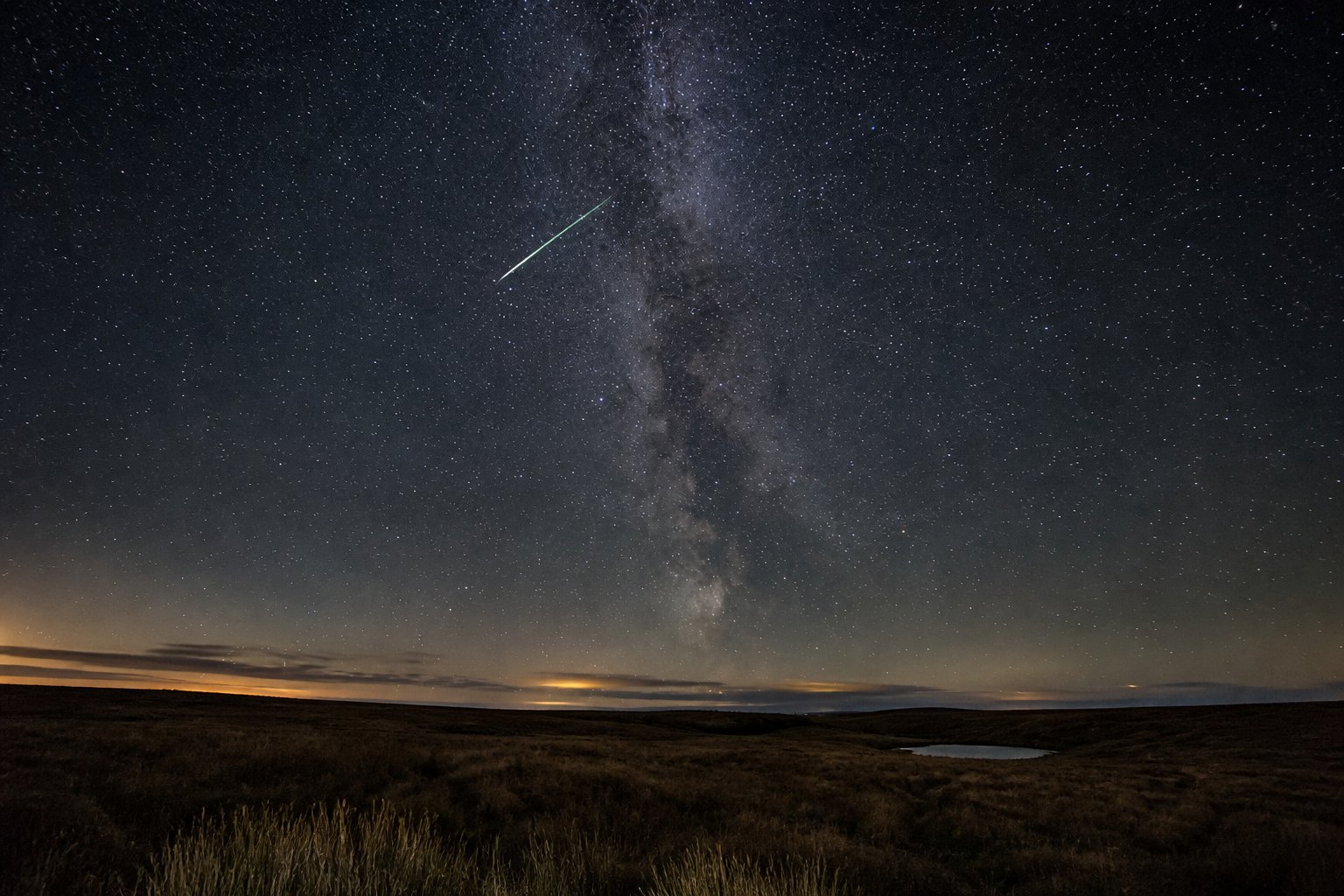
Space weather is visible from cities only in rare storms. The 2024 G5-class nights proved that a serious oval can beat skyglow. Most nights, skyglow wins. A science site should celebrate the rare storm and still campaign for the ordinary dark.
You cannot run a public observatory on nostalgia while the horizon gets brighter every procurement cycle of street lighting.
Planning guidance on lighting exists and is unevenly used. Parish councils can do more than they think with a shielding rule. Scienception will keep repeating the boring advice: full cut-off, warm colour temperature, no decorative uplight.
Policy levers that actually dim a street
Greenwich's museums can lead by example on their own hill. Every unshielded fitting on a heritage site is a small betrayal of the subject in the galleries.
If you only have one night a year to show someone the sky, do not spend it under a floodlit car park. Spend it on a train north, or on a Moon that can fight the city on its own.
Light pollution is public-health, ecology and astronomy at once. Siloing it as a hobbyist moan is how the mush spreads.
The Prime Meridian still runs through the hill. The darker meridian now runs through Kielder. A serious country would shorten that distance with a switch.
Further context for UK readers
The Prime Meridian is a tourist line. The brighter sky above it is a policy line. Walk both.
Warm, shielded, dimmable LEDs exist. The catalogue also contains weapons-grade floodlights labelled 'heritage'. Procurement officers are astronomers now, whether they know it or not.
CPRE maps should hang in council chambers. They are as legitimate as flood maps. Darkness is a public good with a spatial distribution.
A child who never sees the Milky Way can still become a physicist. They should not have to. Ambition is not only careers. It is a sky.
Rare G5 nights in cities are a gift and a trap. They convince people the sky is fine. Most nights it is not. Keep the campaign on the most nights.
Greenwich's own fittings are a moral exhibit. Fix them. Then lecture others. The order matters.
Parish shielding rules are unglamorous and effective. Print a template. Scienception would rather be useful than lyrical here.
The darker meridian is in the parks. Shorten the distance with a switch, not with another exhibition about longitude.
How to read this on a UK science desk
What a careful UK reader should actually do with this story is slower than a social feed wants. The live wires are: LED conversions, CPRE maps, G5 trap, parish shielding, Kielder meridian. If a paragraph does not touch one of those wires, it is probably colour. Colour is allowed. It is not a substitute for a product page at the Met Office, BGS, UKRI, ESA, the UK Space Agency, NATS, the CAA, Ofcom, UKAEA, NHS England or the laboratory named in the sources list. Scienception prints editorial snapshots on the left-hand rail so the homepage feels like a conditions desk in the old space-weather style. Those figures are not a live operational feed. If you are making a decision about aviation, the grid, a licence, a clinical pathway or a launch commit, leave this tab and go to the authority, then come back for the argument.
British geography keeps deciding supposedly global science. Magnetic latitude, Atlantic cloud, a coal switchyard, a dark-sky park, a Clyde clean room, a synchrotron on a former airfield, an ice-shelf station, a parish lighting rule: these are not decorations on greenwich light pollution cpre. They decide whether a result is operational for this country or merely interesting. A model that cannot be checked against a UK sensor is tourism. A policy that cannot be walked to a protocol is speech. We will keep dragging the global noun back to a named place.
There is a records problem in the background of this beat. Time series die when programmes end, when students leave, and when a dashboard is funded instead of a person who knows a sensor's quirks. The cheap way to look modern is a new visualisation. The expensive way that works is to keep the ugly log alive. Magnetograms, ionosondes, light curves, beam-test files, trusted research environments, licence PDFs and anomaly reports are how a democracy stays in the measurement business when the solar cycle, the debris environment or a carbon budget stops being polite.
The public conversation still swings between panic and shrug. Hold two true sentences at once. A minor geomagnetic watch is not a national blackout. A stored tonne of carbon is not a groundbreaking party. A nova that has not erupted is not a failure. A satellite train is not an invasion. Scienception will keep writing as if readers can cope with a caveat, a map, a table and a link. That is the minimum adult form of UK science news, and it is the house style for this article as much as for the conditions rail.
If you work in a school, use the primary links as a single homework: open the Met Office or BGS or ESA page, write down what the official product actually says, and compare it with our kicker. If you work in a control room, steal only the method: name the sensor, name the failure mode, name the British place that would feel it. If you only wanted a picture, look at the figures, then look at the sources. The figures are illustrations. The sources are how you check us. Corrections remain info@scienception.com at Scienception LTD.
Related on Scienception: Starlink trains are now part of British weather, and the forecast is crowded · STEP at West Burton is a power-station ghost being asked to become a torus · UKRI's next heliophysics grants will decide whether Britain still measures the Sun

