



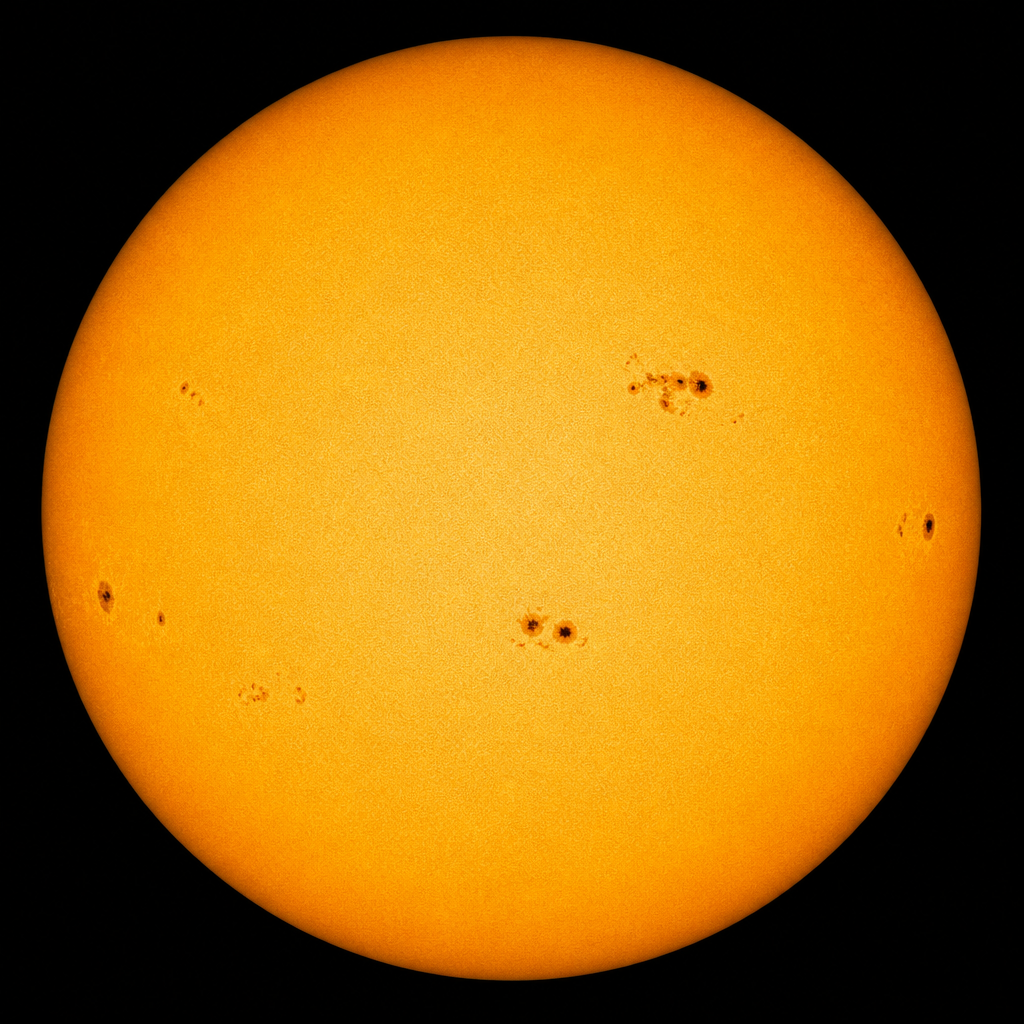
 Current Auroral Oval:


STEP at West Burton is a power-station ghost being asked to become a torus
The UK's prototype fusion plant programme chose a former coal site in Nottinghamshire. Delivery, not the announcement, is the remaining news.
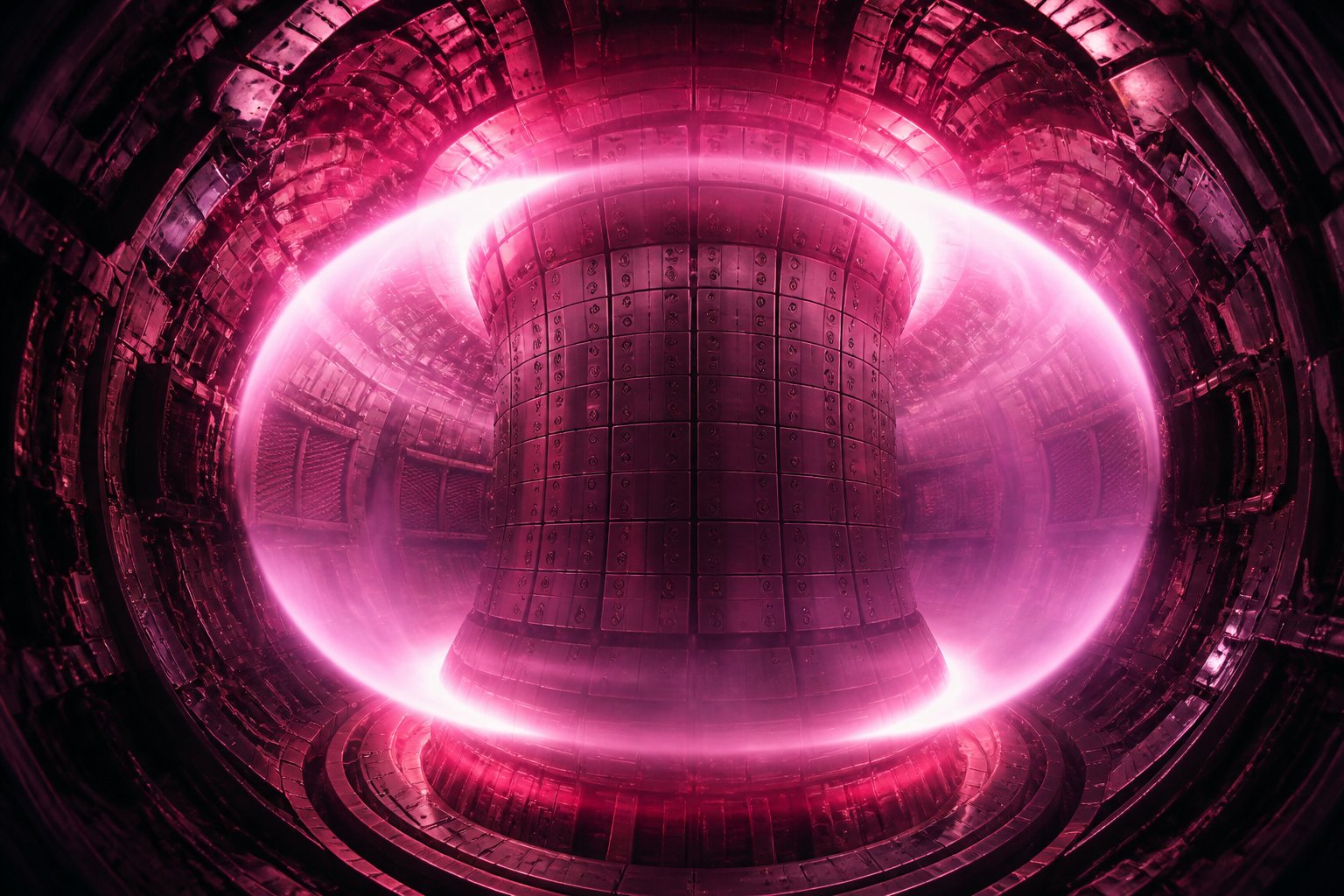
STEP — Spherical Tokamak for Energy Production — is the UK's attempt to design a prototype fusion power plant. The siting decision at West Burton in Nottinghamshire reused a landscape that already speaks electricity. Cooling towers and transmission corridors are a kind of honesty: this is meant to be energy, not only a laboratory. Scienception will cover STEP as an industrial and scientific delivery story, which means we will be boring about dates.
A prototype is allowed to be late. A prototype is not allowed to be mythical. The difference is published engineering milestones versus recycled artist's impressions. When the programme prints a milestone, we will print it. When it prints a vibe, we will wait.
Skills in welding, cryogenics, tritium handling and control systems do not appear because a minister visited. They appear because colleges and UKAEA trained them in time. The East Midlands will notice whether that happens.
A coal landscape with a plasma brief
Fusion critics are sometimes cheap. Fusion advocates are sometimes cheaper. The adult position is that a spherical tokamak plant is a high-risk, high-knowledge project with a real plasma programme behind it at Culham. Risk is not a smear. It is the project.
Grid connection is the uncelebrated prize of the site. Physics without a switchyard is a paper. A switchyard without a plasma is a museum of coal. STEP is trying to avoid both fates.
Siting fusion on a coal station is poetically tidy. Building fusion on a coal station is a decades-long industrial argument.
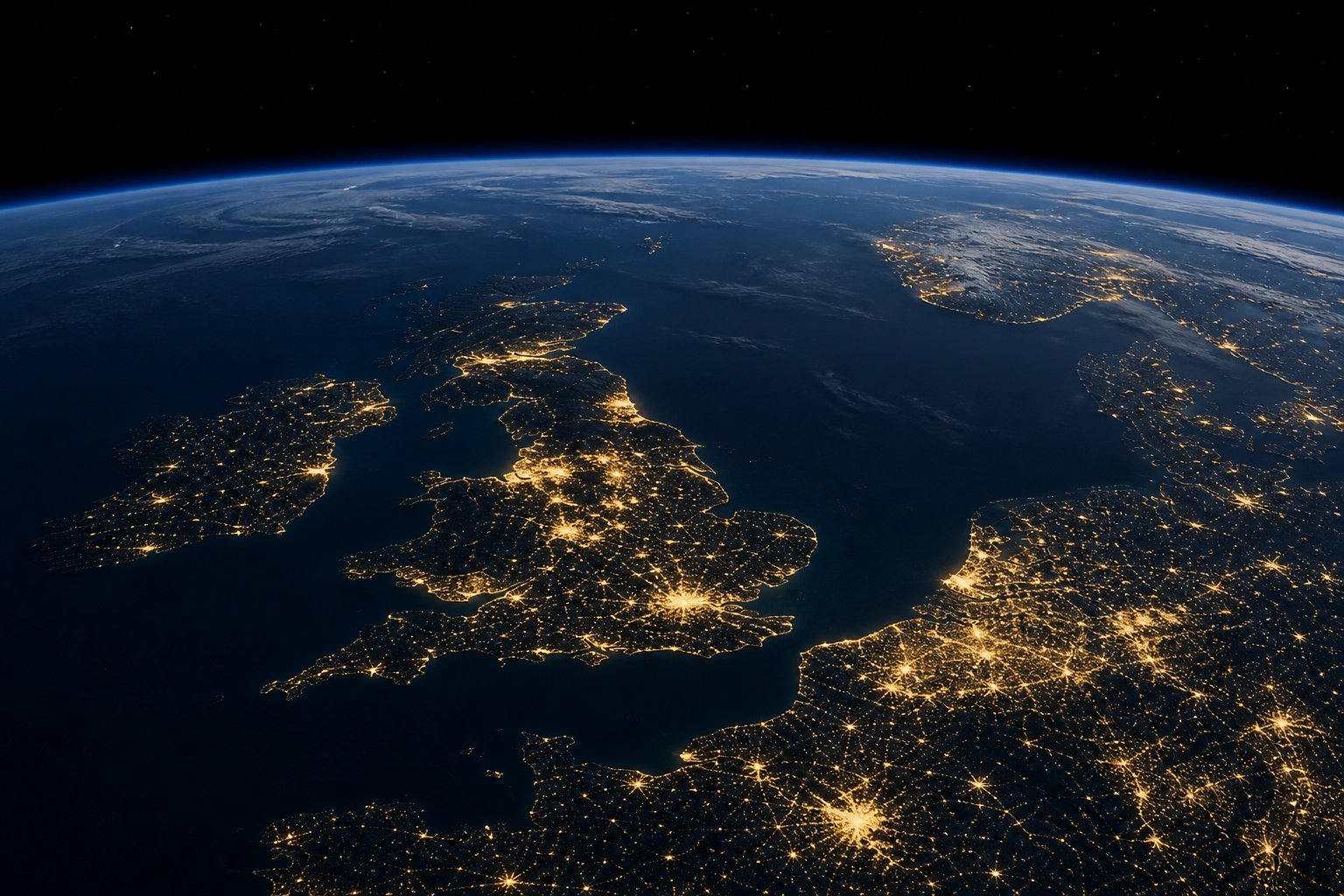
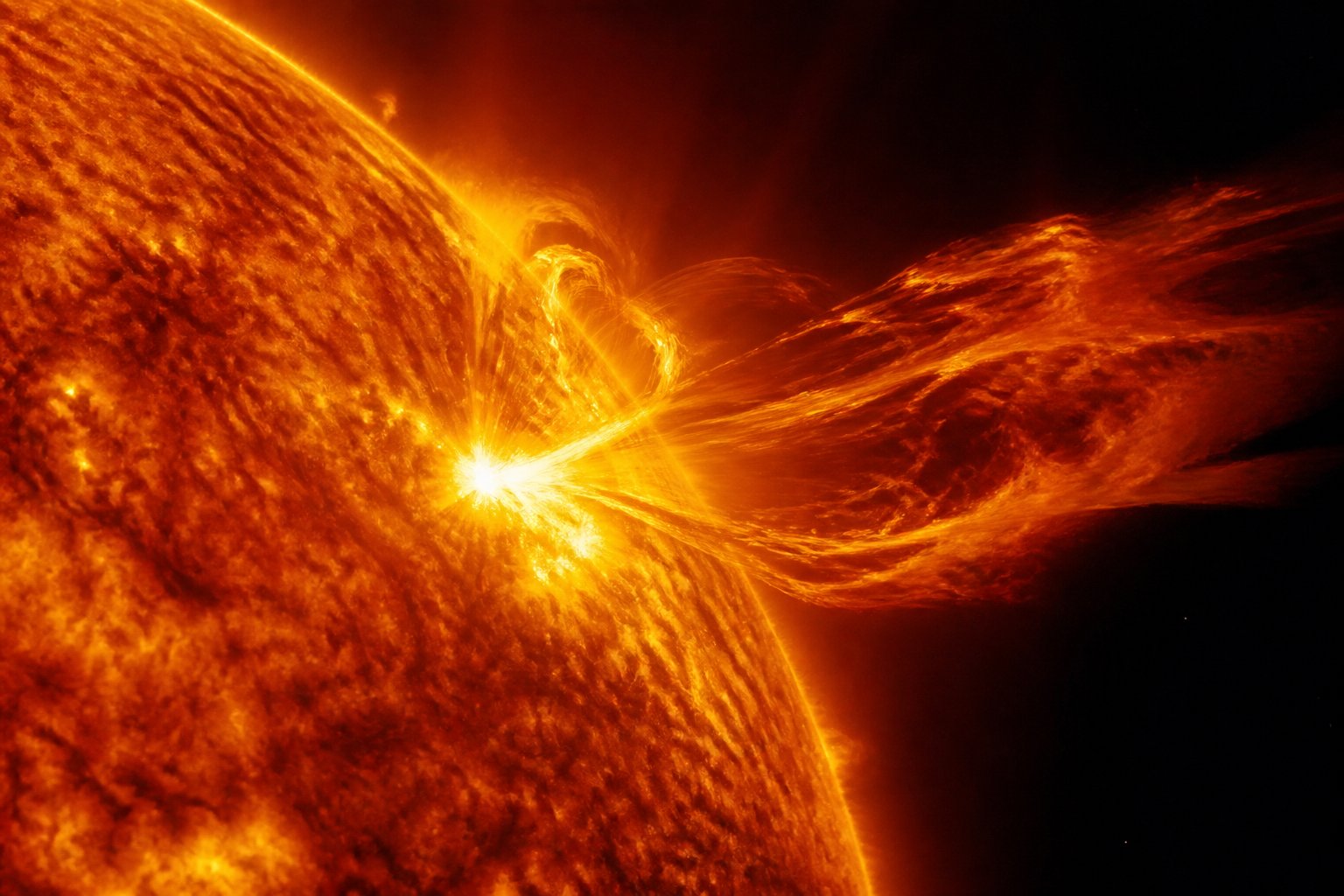
There is no space-weather angle worth forcing, except this: national energy literacy should include both the Sun's weather and the human attempt to bottle a cousin of the Sun. A newsroom can hold both.
Dates, skills and the honesty test
Communities around Gainsborough and Retford have a right to traffic, safety and employment facts, not only to a brand. Journalism that only interviews the project office is unpaid comms.
Scienception will not set a commercial operation year in a headline. We will set a list of questions and return to them.
If STEP dies, the death should be an autopsy, not a silence. If it lives, the living will look like procurement. Prepare yourself.
West Burton used to burn the Carboniferous. It is being asked to burn, in a manner of speaking, hydrogen isotopes. The poetry writes itself. The welding does not.
Further context for UK readers
Nottinghamshire already knows what a power station smells like. It will know if the next one is late. Do not gaslight a coal community with plasma art.
Milestones that can be photographed — a building, a coil, a licence — are the only milestones that count in public. Feelings are not milestones.
Tritium, cryogenics and welding apprenticeships are the plot. If the plot is missing, the programme is a press office.
Grid connection is the inherited treasure of West Burton. Physics that cannot plug in is a pamphlet. A switchyard without a plasma is a museum. STEP is the attempt not to be either.
Critics who say fusion is always thirty years away are sometimes lazy. Advocates who say 'this time is different' without a date they can lose are also lazy. Scienception will keep both lazinesses off the homepage.
Energy literacy can include the Sun's weather and the attempt to bottle a cousin. That is a full education. It is not a branding mashup.
If STEP dies, demand an autopsy with documents. If it lives, it will look like procurement. Prepare your aesthetic.
The Carboniferous used to burn here. The next fire, if it happens, will be isotopes. Welding is the sentence that connects them.
How to read this on a UK science desk
What a careful UK reader should actually do with this story is slower than a social feed wants. The live wires are: coal site honesty, tritium apprenticeships, switchyard, milestone photographs, autopsy if death. If a paragraph does not touch one of those wires, it is probably colour. Colour is allowed. It is not a substitute for a product page at the Met Office, BGS, UKRI, ESA, the UK Space Agency, NATS, the CAA, Ofcom, UKAEA, NHS England or the laboratory named in the sources list. Scienception prints editorial snapshots on the left-hand rail so the homepage feels like a conditions desk in the old space-weather style. Those figures are not a live operational feed. If you are making a decision about aviation, the grid, a licence, a clinical pathway or a launch commit, leave this tab and go to the authority, then come back for the argument.
British geography keeps deciding supposedly global science. Magnetic latitude, Atlantic cloud, a coal switchyard, a dark-sky park, a Clyde clean room, a synchrotron on a former airfield, an ice-shelf station, a parish lighting rule: these are not decorations on step fusion west burton. They decide whether a result is operational for this country or merely interesting. A model that cannot be checked against a UK sensor is tourism. A policy that cannot be walked to a protocol is speech. We will keep dragging the global noun back to a named place.
There is a records problem in the background of this beat. Time series die when programmes end, when students leave, and when a dashboard is funded instead of a person who knows a sensor's quirks. The cheap way to look modern is a new visualisation. The expensive way that works is to keep the ugly log alive. Magnetograms, ionosondes, light curves, beam-test files, trusted research environments, licence PDFs and anomaly reports are how a democracy stays in the measurement business when the solar cycle, the debris environment or a carbon budget stops being polite.
The public conversation still swings between panic and shrug. Hold two true sentences at once. A minor geomagnetic watch is not a national blackout. A stored tonne of carbon is not a groundbreaking party. A nova that has not erupted is not a failure. A satellite train is not an invasion. Scienception will keep writing as if readers can cope with a caveat, a map, a table and a link. That is the minimum adult form of UK science news, and it is the house style for this article as much as for the conditions rail.
If you work in a school, use the primary links as a single homework: open the Met Office or BGS or ESA page, write down what the official product actually says, and compare it with our kicker. If you work in a control room, steal only the method: name the sensor, name the failure mode, name the British place that would feel it. If you only wanted a picture, look at the figures, then look at the sources. The figures are illustrations. The sources are how you check us. Corrections remain info@scienception.com at Scienception LTD.
Related on Scienception: Starlink trains are now part of British weather, and the forecast is crowded · Greenwich can still teach the sky, if CPRE's night-blight maps are taken seriously · UKRI's next heliophysics grants will decide whether Britain still measures the Sun

