



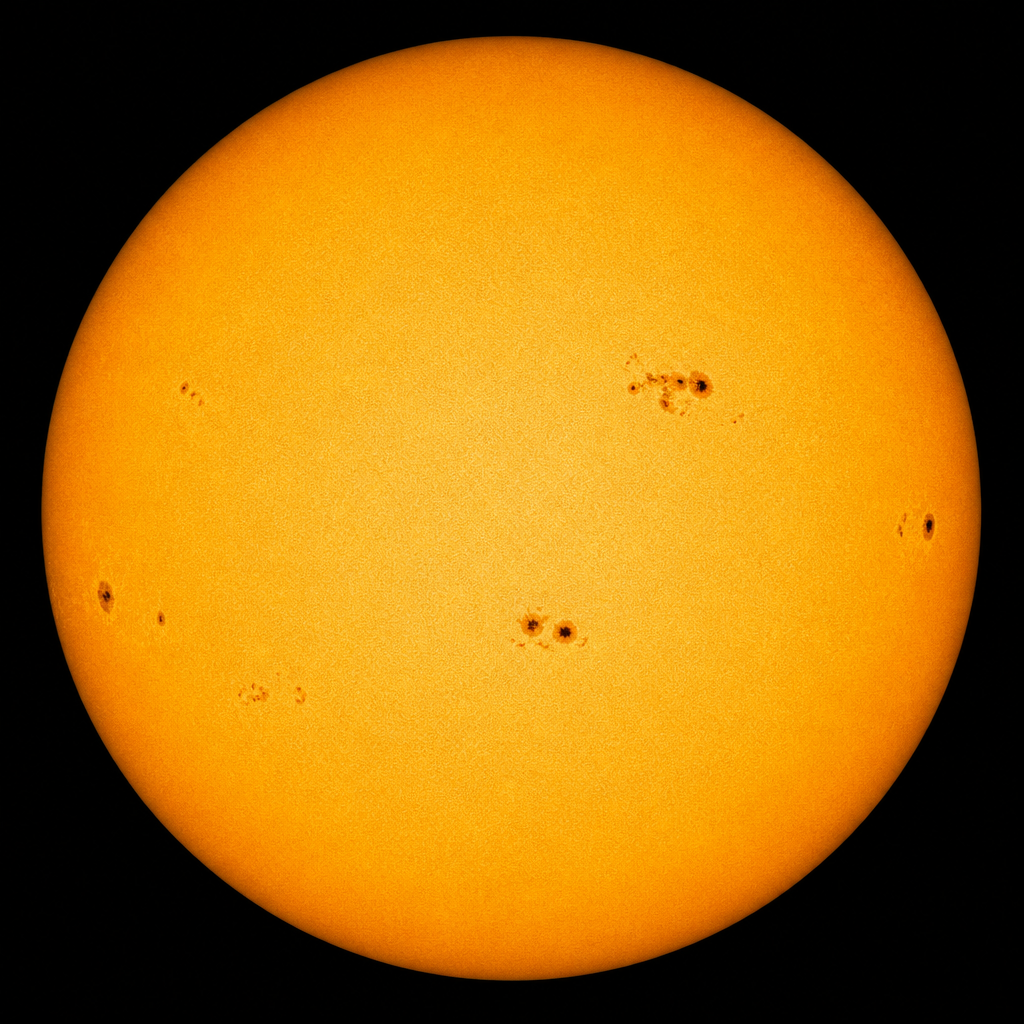
 Current Auroral Oval:
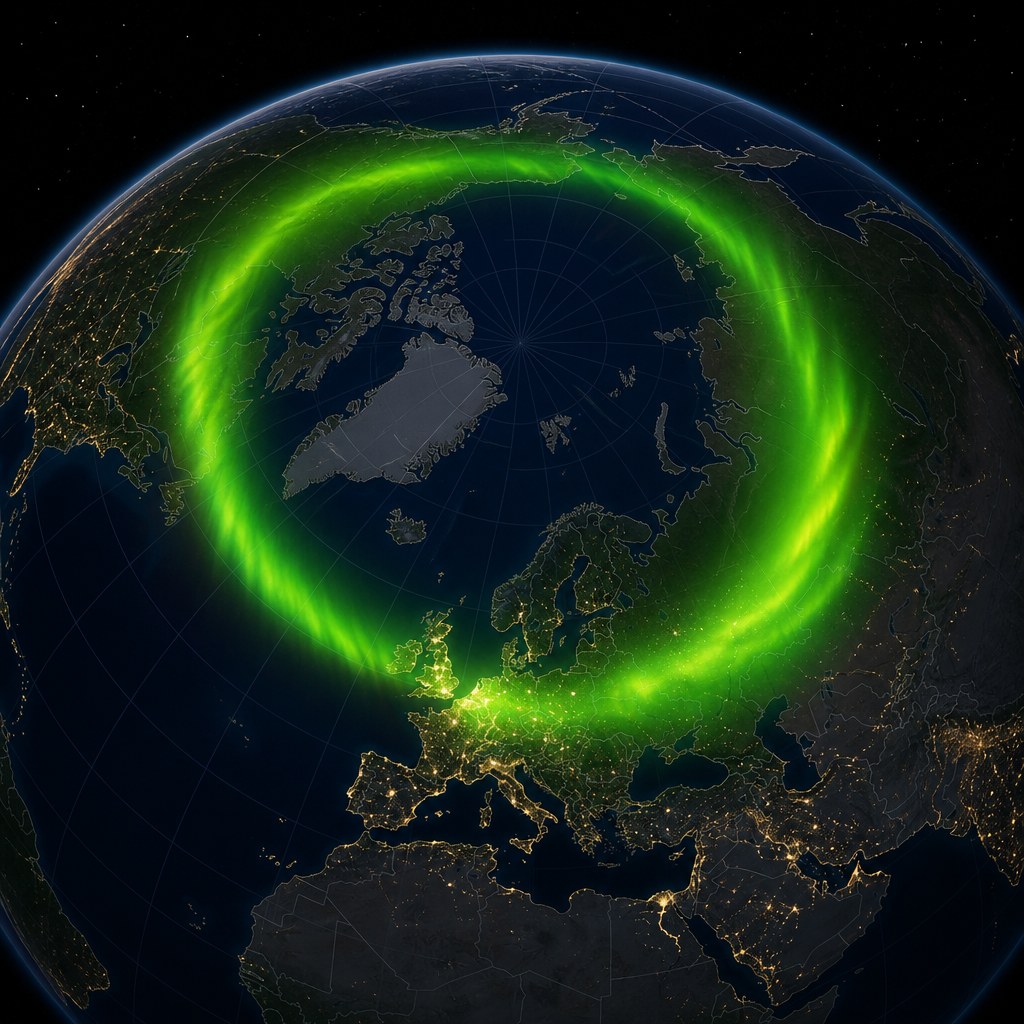



Spaceport Cornwall is still a science story about horizontal payloads, not a postcard of a runway
Newquay's spaceport bet remains horizontal launch: aircraft, small satellites, and the unglamorous work of getting UK experiments to altitude.
Spaceport Cornwall sits on an idea that still makes engineering sense: use a long runway at Newquay, fly a carrier aircraft, drop a launcher over water, and put small payloads into orbit without standing a rocket next to a village. The first chapter of that idea was bruising. The science chapter is not finished. Scienception is interested in the payloads, because a spaceport that does not fly experiments is a marketing campus with good pasties.
Horizontal launch suits certain masses and orbits. It does not replace a polar launch from Shetland for every customer. UK strategy documents that pretend otherwise are writing a brochure. The honest version is a mixed architecture: Cornwall for some, Saxavord for others, rideshares on foreign vehicles for most. Science teams already know this. They book what flies.

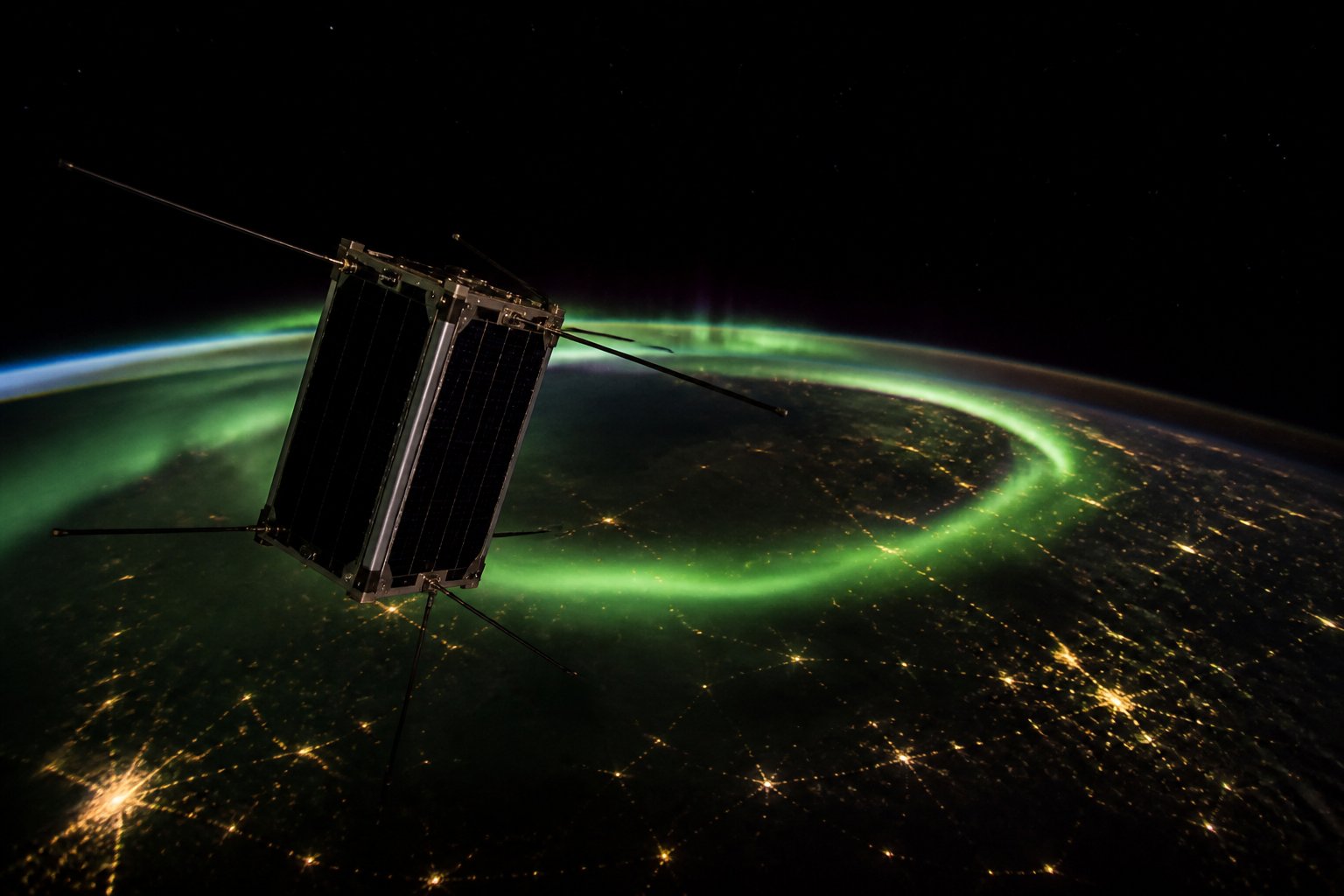
University cubesats and technology demonstrators are the realistic Cornwall customer, not a crewed fantasy. Those missions need thermal vacuum tests, licensing, and a dispenser that does not kill the antenna on separation. The spaceport's value is a licensed site and a community that has already argued with the CAA. Those arguments have a half-life. They should be spent on flights.
A runway with a licence and a long memory
Cornwall's wider economy wants jobs that are not only seasonal. Aerospace clusters can do that if they include technicians, not only ribbon-cutters. Apprenticeships in composites and avionics would be a better souvenir than another visitor-centre rendering.
There is a space-weather angle even here. Launch commit criteria include geomagnetic and solar radiation conditions for some trajectories and for range safety communications. A site on the Atlantic edge still lives under an ionosphere. MOSWOC is not only for aurora tourists.
A horizontal spaceport succeeds when a boring instrument gets to orbit on time. It fails when the brand outruns the flight rate.
Failure is data. A lost mission that publishes a clean failure investigation teaches more than a delayed success that hides the anomaly report. Scienception will keep asking for the report.
What a science payload actually needs
Environmental and community consent is not a nuisance. Coastal Cornwall has a right to know what is flying over the water and what falls back. Transparency is how you fly again.
Compare the cadence with European small-launch rivals and the UK still looks like a proof of concept. Proofs of concept are allowed. They are not a strategy on their own.
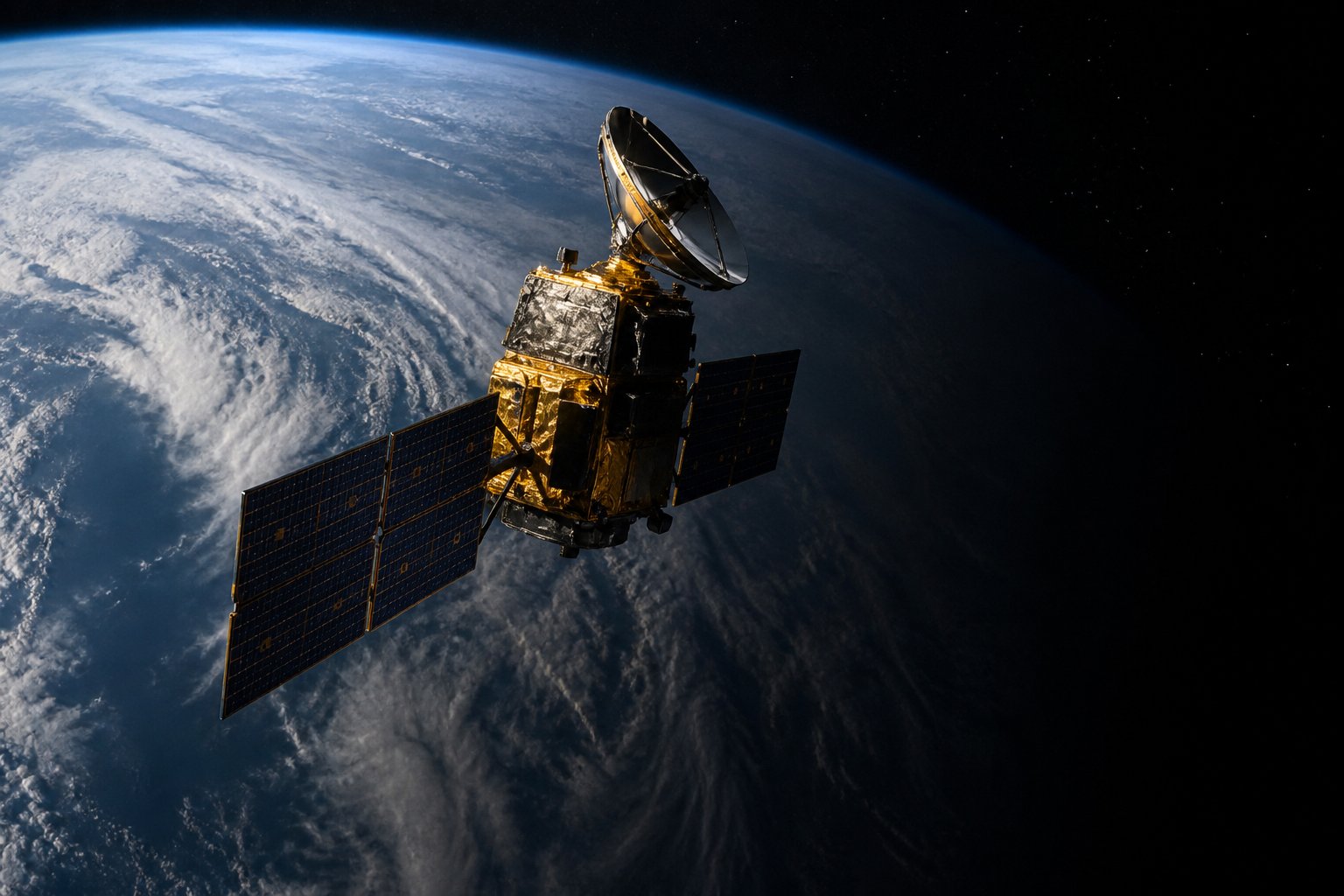
If a bioscience or climate-monitoring cubesat leaves Newquay in the next few years, that is the headline we want. A celebrity in a high-vis jacket is not.
The runway was always there. The question is whether Britain still knows how to use a runway as a space instrument.
Further context for UK readers
Newquay's civilian airport identity and its spaceport identity share a runway and argue about noise. That argument is legitimate. A science payload does not get to skip it. Community minutes are part of the mission documentation whether a PI likes it or not.
Horizontal launch's physics is air-drop and then a rocket that has to ignite where the weather is Atlantic. Scrubs will be meteorological more often than solar. Still write solar into the commit criteria so nobody invents a tradition of ignoring it.
UKSA can buy publicity or it can buy flights. The receipts will say which. Scienception reads receipts.
University cubesats that missed a Cornwall slot will fly as rideshares from India or the US. That is not treason. It is a cadence problem. Say so without humiliation and without flag-waving.
Range safety over water is an ethical technology. Models of debris ditches should be public enough that a fisher can ask a question. Secrecy here reads as contempt.
Cornwall's colleges can grow avionics technicians if someone funds the benches. A spaceport without benches is a brand on a windy hill.
The first successful science paper from a Newquay-launched instrument will be the actual opening night. Until then, keep the bunting in the cupboard.
A runway is a national instrument if you use it. Disuse is also a policy. It just looks like grass.
How to read this on a UK science desk
What a careful UK reader should actually do with this story is slower than a social feed wants. The live wires are: Newquay runway, Atlantic drop, CAA arguments, cubesat thermal vac, receipts versus bunting. If a paragraph does not touch one of those wires, it is probably colour. Colour is allowed. It is not a substitute for a product page at the Met Office, BGS, UKRI, ESA, the UK Space Agency, NATS, the CAA, Ofcom, UKAEA, NHS England or the laboratory named in the sources list. Scienception prints editorial snapshots on the left-hand rail so the homepage feels like a conditions desk in the old space-weather style. Those figures are not a live operational feed. If you are making a decision about aviation, the grid, a licence, a clinical pathway or a launch commit, leave this tab and go to the authority, then come back for the argument.
British geography keeps deciding supposedly global science. Magnetic latitude, Atlantic cloud, a coal switchyard, a dark-sky park, a Clyde clean room, a synchrotron on a former airfield, an ice-shelf station, a parish lighting rule: these are not decorations on spaceport cornwall payloads. They decide whether a result is operational for this country or merely interesting. A model that cannot be checked against a UK sensor is tourism. A policy that cannot be walked to a protocol is speech. We will keep dragging the global noun back to a named place.
There is a records problem in the background of this beat. Time series die when programmes end, when students leave, and when a dashboard is funded instead of a person who knows a sensor's quirks. The cheap way to look modern is a new visualisation. The expensive way that works is to keep the ugly log alive. Magnetograms, ionosondes, light curves, beam-test files, trusted research environments, licence PDFs and anomaly reports are how a democracy stays in the measurement business when the solar cycle, the debris environment or a carbon budget stops being polite.
The public conversation still swings between panic and shrug. Hold two true sentences at once. A minor geomagnetic watch is not a national blackout. A stored tonne of carbon is not a groundbreaking party. A nova that has not erupted is not a failure. A satellite train is not an invasion. Scienception will keep writing as if readers can cope with a caveat, a map, a table and a link. That is the minimum adult form of UK science news, and it is the house style for this article as much as for the conditions rail.
If you work in a school, use the primary links as a single homework: open the Met Office or BGS or ESA page, write down what the official product actually says, and compare it with our kicker. If you work in a control room, steal only the method: name the sensor, name the failure mode, name the British place that would feel it. If you only wanted a picture, look at the figures, then look at the sources. The figures are illustrations. The sources are how you check us. Corrections remain info@scienception.com at Scienception LTD.
Related on Scienception: Saxavord's latitude is a launch asset and a space-weather classroom · Glasgow's smallsat factories now sell radiation hardness as a feature · SSTL's Earth-observation buses still have to live in a rude plasma

