




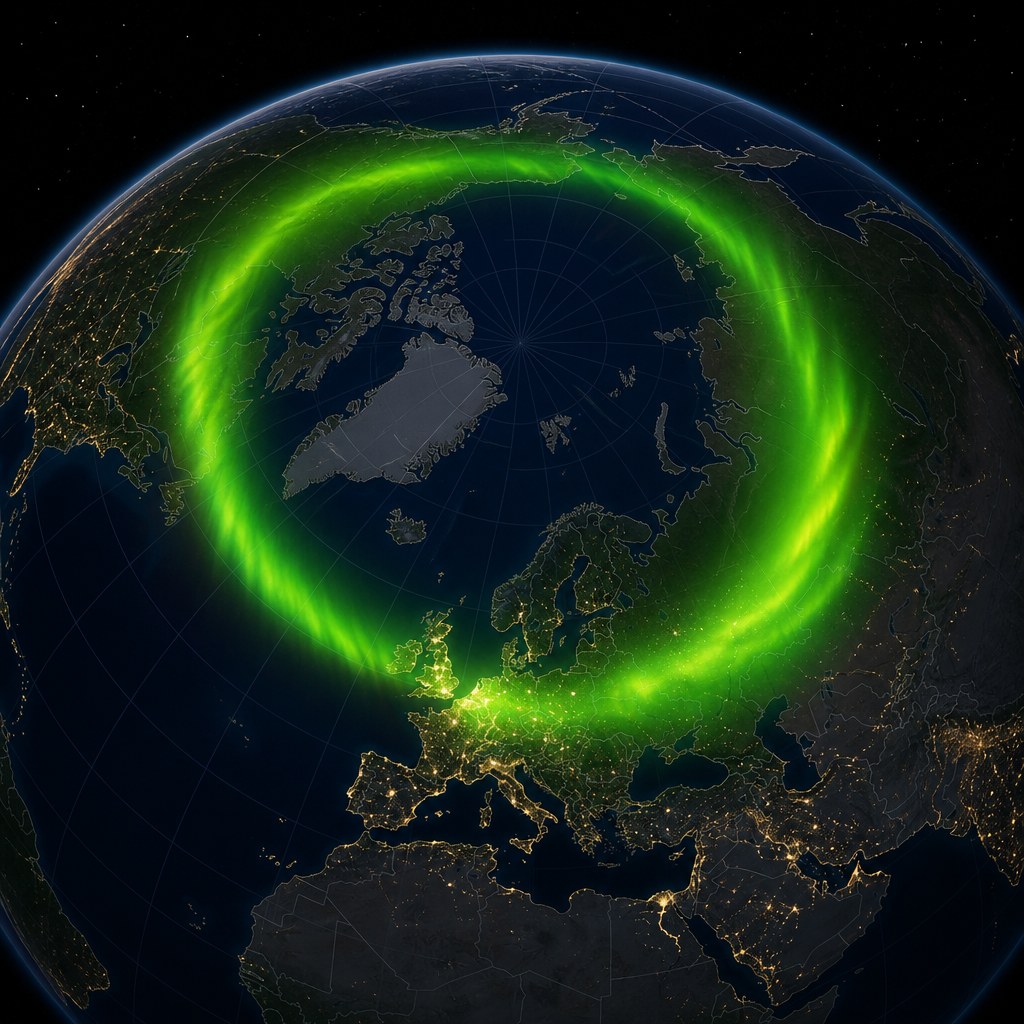
 Current Auroral Oval:



Glasgow's smallsat factories now sell radiation hardness as a feature
Clyde-side manufacturers learned that a cubesat which dies in the inner belt is not a cute failure. It is a lost measurement.
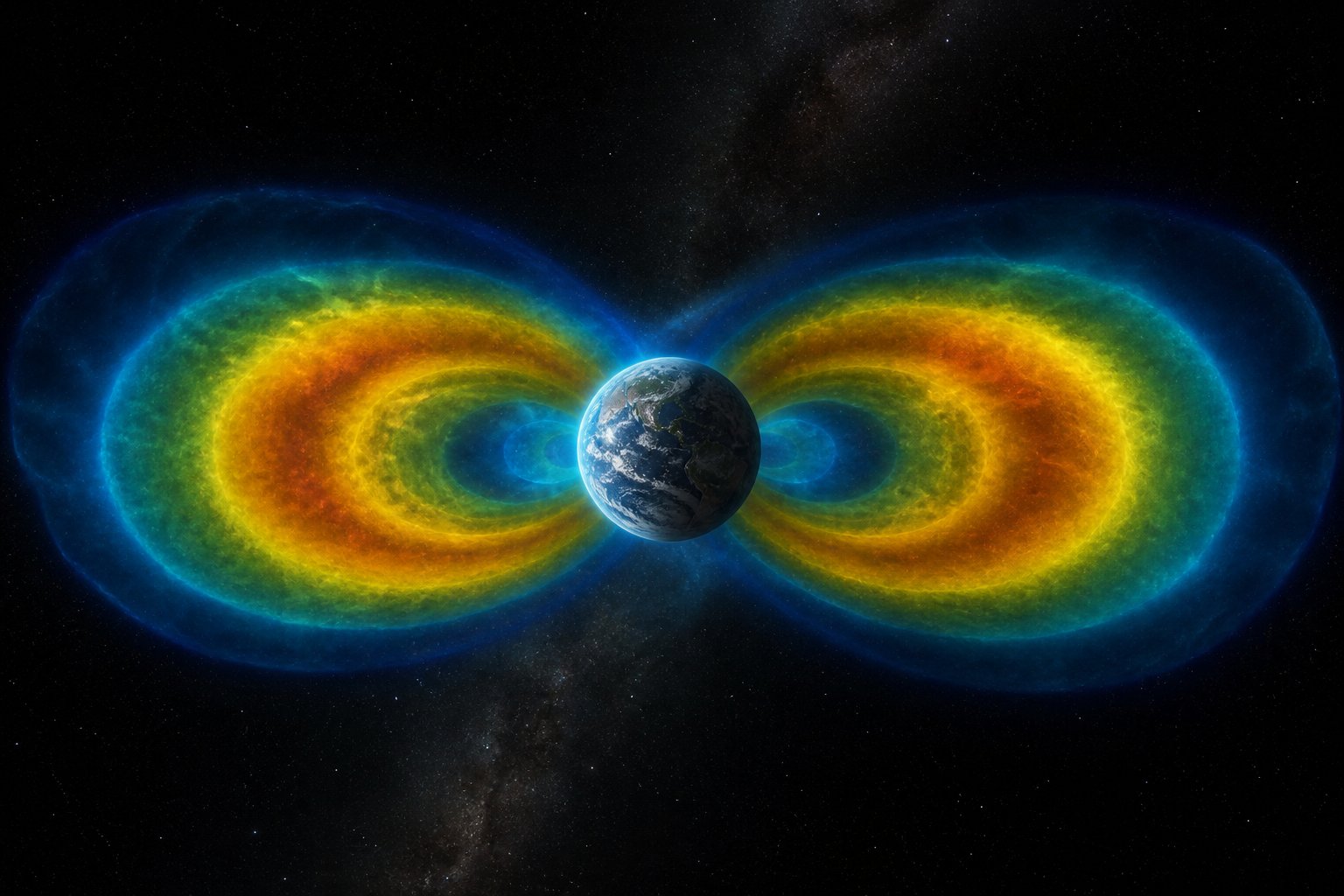
Glasgow and the wider central belt became, against a certain kind of English intuition, one of Europe's small-satellite neighbourhoods. Buses, components, and the people who can populate a bill of materials all sit within a short train ride. The first era was 'good enough for low Earth orbit'. The second era, which Scienception is watching, is radiation: total ionising dose, displacement damage, single-event upsets. A constellation that refreshes every five years still needs electronics that survive solar-particle weather.
Consumer parts fly because they are cheap and fast. Some of them survive. Some of them latch up over the South Atlantic Anomaly and take the mission with them. The adult conversation is which functions get a hardened part, which get watchdog architecture, and which get accepted as statistically doomed. That conversation is now happening in Scottish companies that used to advertise only mass and lead time.
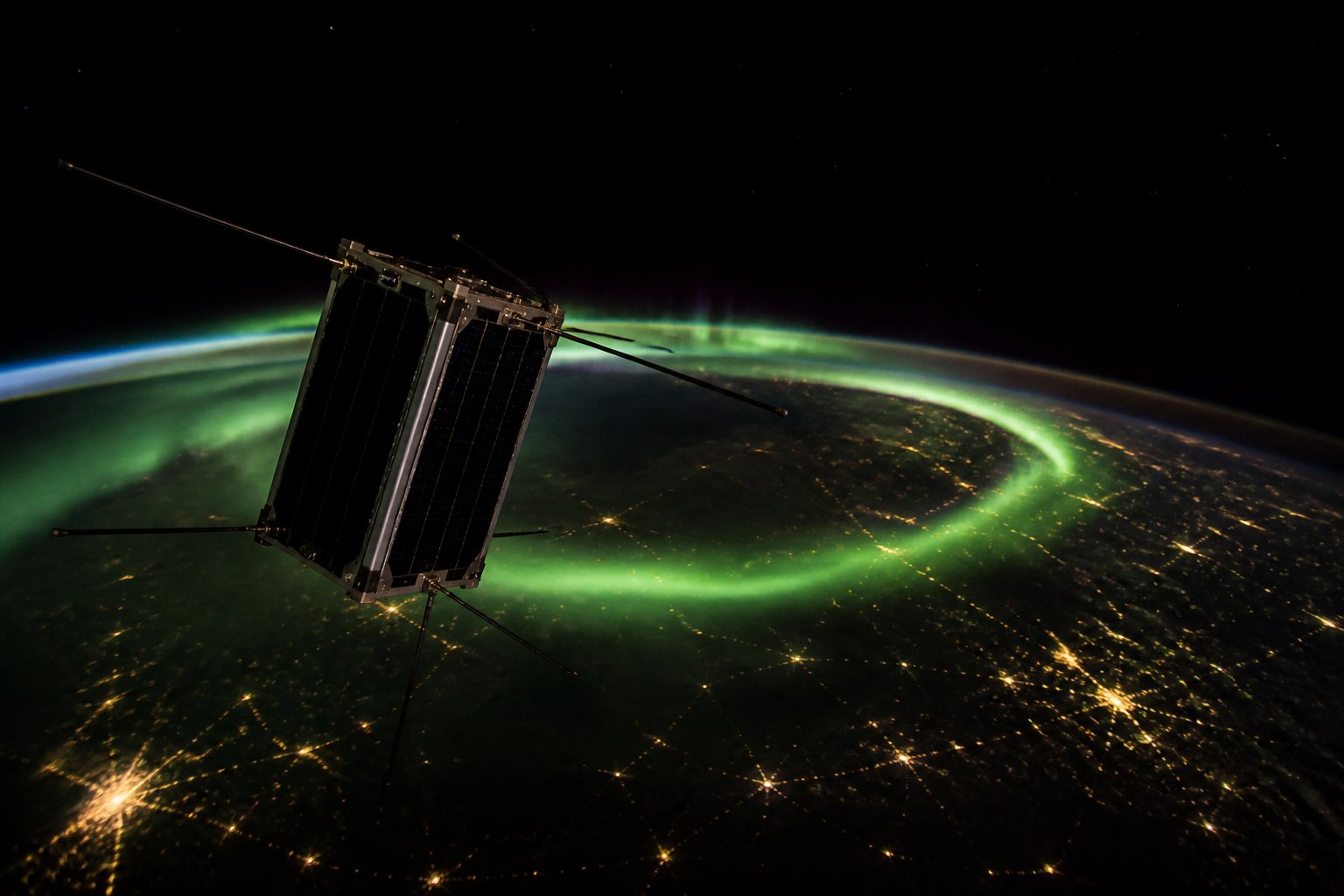
Test facilities are a bottleneck. Beam time at proton and heavy-ion sources is booked. Cobalt-60 irradiations are unglamorous and essential. A UK strategy that wants a sovereign smallsat line without a sovereign test culture is a strategy written by someone who has never killed a memory chip on purpose.
From kits to total ionising dose
Solar Cycle 25 raised the stakes. Higher fluences of energetic particles arrive in bursts. Operators who launched into the quiet of solar minimum are meeting a different sky. Anomaly reports that mention 'single-event functional interrupt' are space-weather stories even when the company would rather say 'glitch'.
There is an educational pipeline from University of Glasgow, Strathclyde and nearby colleges into these shops. Keep it. A radiation effects engineer is not a six-week bootcamp.
If your flight computer has never seen a cobalt-60 source or a proton beam, you are flying hope.
ESA hardness-assurance guides still read like scripture because they are, for once, scripture that would have saved money. Scienception will cite them without apology.
What 'NewSpace' still gets wrong
Customers now ask for SEE rates the way they once asked for camera resolution. That is maturity. The remaining immaturity is promising a five-year life in MEO with a LEO parts list.
Walk through a Glasgow clean room and you will see children of the CubeSat specification standing next to machines that could have been made in any electronics plant. The space part is the test plan.
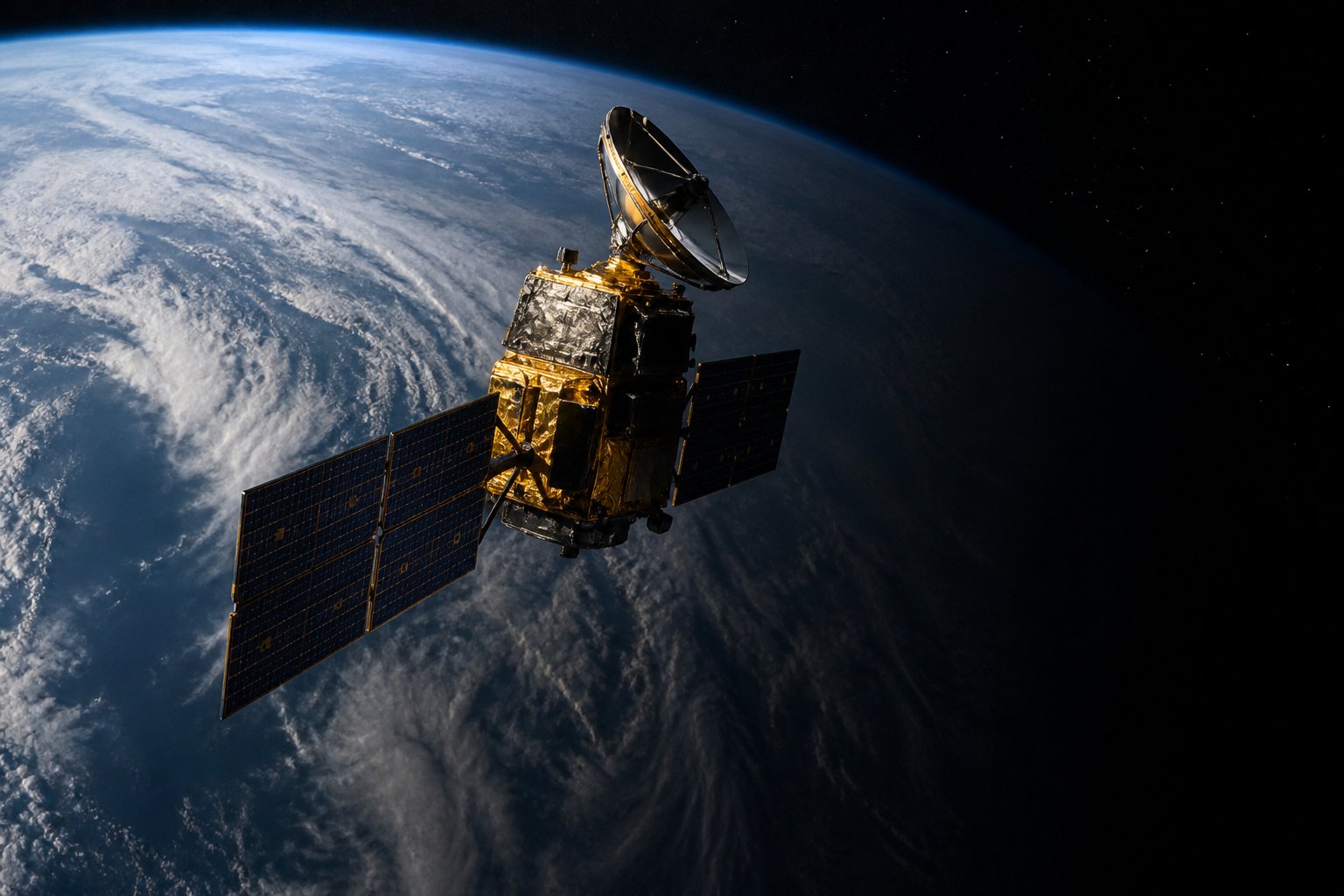
If a Scottish bus survives a solar energetic particle event that kills a competitor, that should be a case study, not a whisper. Publish the anomaly. Sell the lesson.
Radiation is the solar wind's way of marking homework. Glasgow has started doing the homework. The Sun will grade it in orbit.
Further context for UK readers
Clyde shipbuilding metaphors are overused and still a little true: metal, labour, and a river that used to mean the world. Smallsats are lighter. The labour is not.
The South Atlantic Anomaly is a teacher. Boards that reset there are sitting an exam the designer skipped. Publish the reset. Shame is a quality process.
Strathclyde and Glasgow universities feed the shops. Keep visa routes for the ones who are not from Paisley. A cluster that cannot hire globally will not stay a cluster.
Solar maximum is an unplanned test campaign for everyone who launched into the quiet. Anomaly reviews in 2024-2026 should be taught as a cohort, like a vintage of wine that was all corked in the same way.
Cobalt-60 is not glamorous. Students who refuse the unglamorous will design pretty coffins. Make the irradiation facility visit compulsory.
UK Space Agency grants that skip hardness-assurance as a line item are grants for debris. Say that in the panel.
A Glasgow bus that documents its SEE rate is a European product. A Glasgow bus that shrugs is a toy. The river has seen both kinds of ship.
Radiation is the Sun marking homework. The marker does not care about your pitch deck.
How to read this on a UK science desk
What a careful UK reader should actually do with this story is slower than a social feed wants. The live wires are: SAA resets, Strathclyde pipeline, cobalt-60, Cycle 25 vintage, SEE rates. If a paragraph does not touch one of those wires, it is probably colour. Colour is allowed. It is not a substitute for a product page at the Met Office, BGS, UKRI, ESA, the UK Space Agency, NATS, the CAA, Ofcom, UKAEA, NHS England or the laboratory named in the sources list. Scienception prints editorial snapshots on the left-hand rail so the homepage feels like a conditions desk in the old space-weather style. Those figures are not a live operational feed. If you are making a decision about aviation, the grid, a licence, a clinical pathway or a launch commit, leave this tab and go to the authority, then come back for the argument.
British geography keeps deciding supposedly global science. Magnetic latitude, Atlantic cloud, a coal switchyard, a dark-sky park, a Clyde clean room, a synchrotron on a former airfield, an ice-shelf station, a parish lighting rule: these are not decorations on glasgow smallsat radiation. They decide whether a result is operational for this country or merely interesting. A model that cannot be checked against a UK sensor is tourism. A policy that cannot be walked to a protocol is speech. We will keep dragging the global noun back to a named place.
There is a records problem in the background of this beat. Time series die when programmes end, when students leave, and when a dashboard is funded instead of a person who knows a sensor's quirks. The cheap way to look modern is a new visualisation. The expensive way that works is to keep the ugly log alive. Magnetograms, ionosondes, light curves, beam-test files, trusted research environments, licence PDFs and anomaly reports are how a democracy stays in the measurement business when the solar cycle, the debris environment or a carbon budget stops being polite.
The public conversation still swings between panic and shrug. Hold two true sentences at once. A minor geomagnetic watch is not a national blackout. A stored tonne of carbon is not a groundbreaking party. A nova that has not erupted is not a failure. A satellite train is not an invasion. Scienception will keep writing as if readers can cope with a caveat, a map, a table and a link. That is the minimum adult form of UK science news, and it is the house style for this article as much as for the conditions rail.
If you work in a school, use the primary links as a single homework: open the Met Office or BGS or ESA page, write down what the official product actually says, and compare it with our kicker. If you work in a control room, steal only the method: name the sensor, name the failure mode, name the British place that would feel it. If you only wanted a picture, look at the figures, then look at the sources. The figures are illustrations. The sources are how you check us. Corrections remain info@scienception.com at Scienception LTD.
Related on Scienception: Spaceport Cornwall is still a science story about horizontal payloads, not a postcard of a runway · Saxavord's latitude is a launch asset and a space-weather classroom · SSTL's Earth-observation buses still have to live in a rude plasma

