



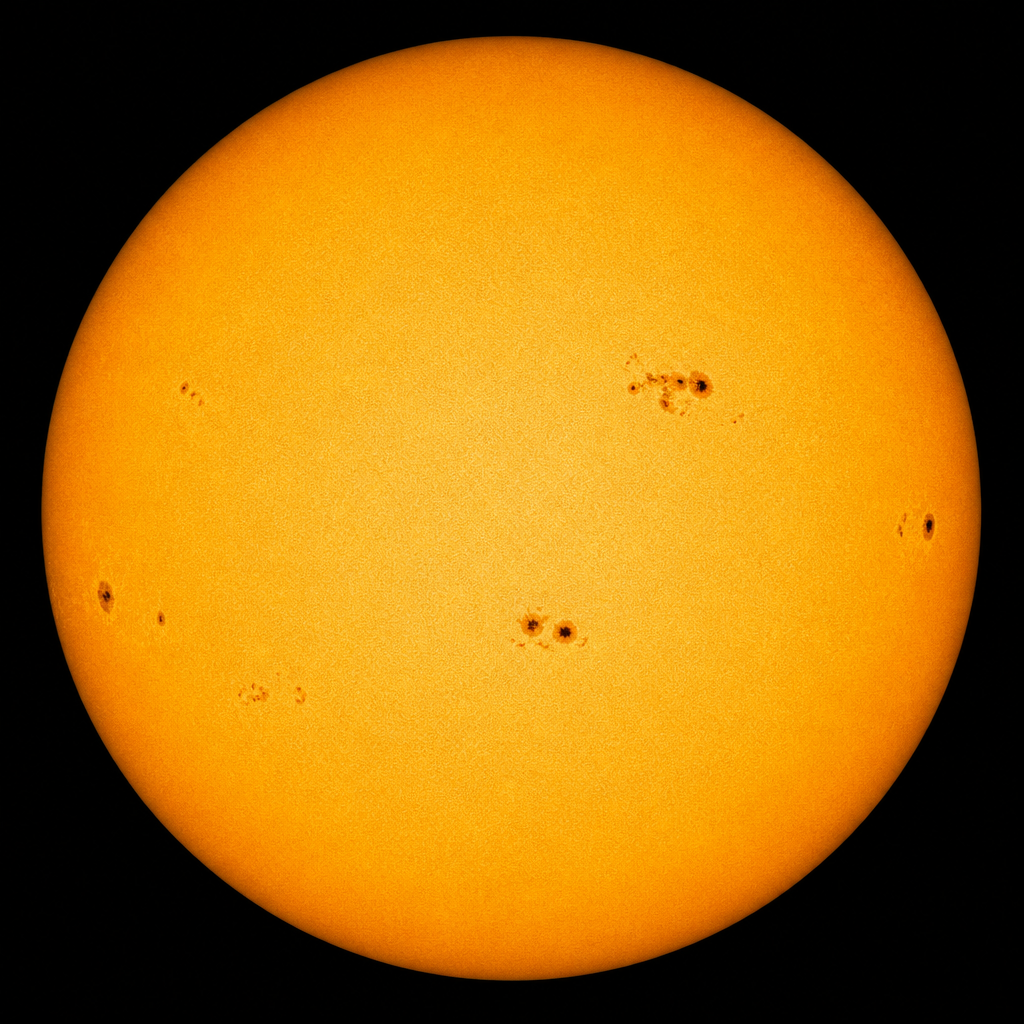
 Current Auroral Oval:
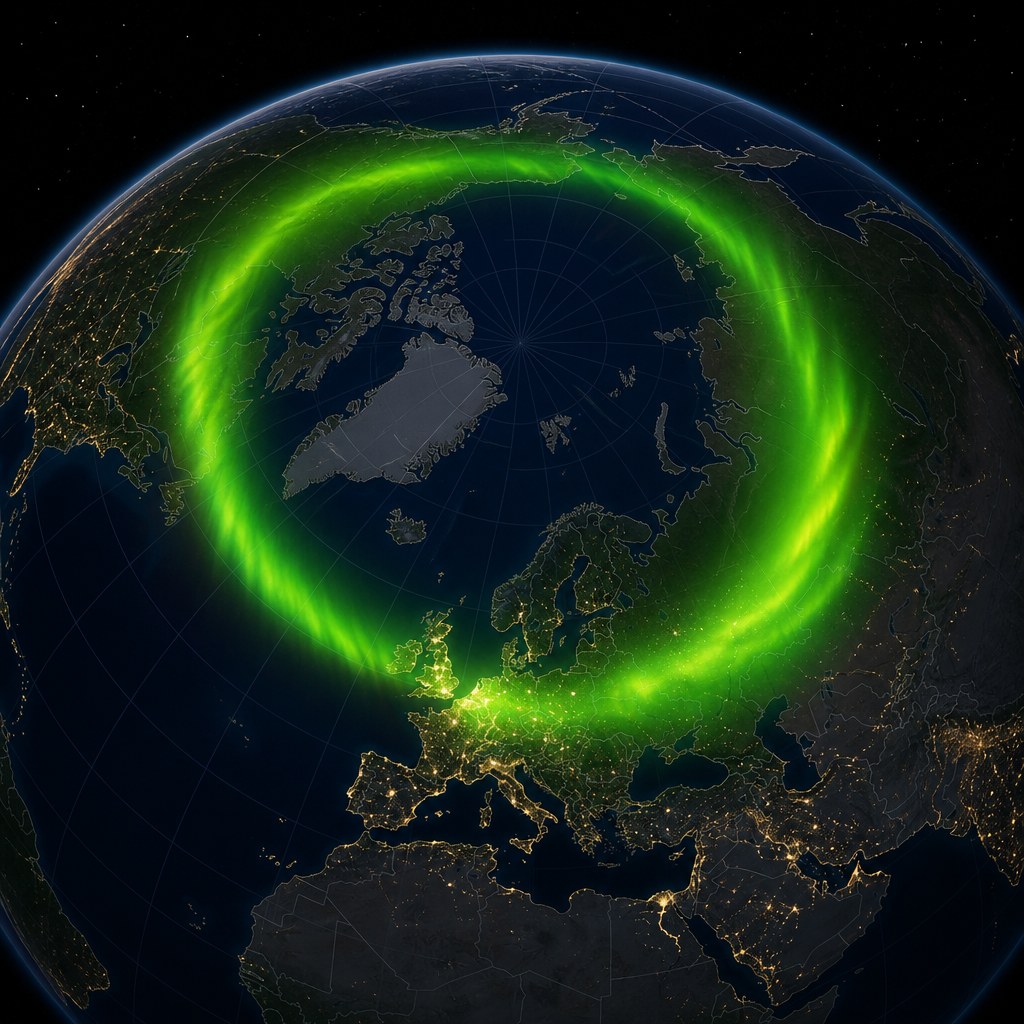
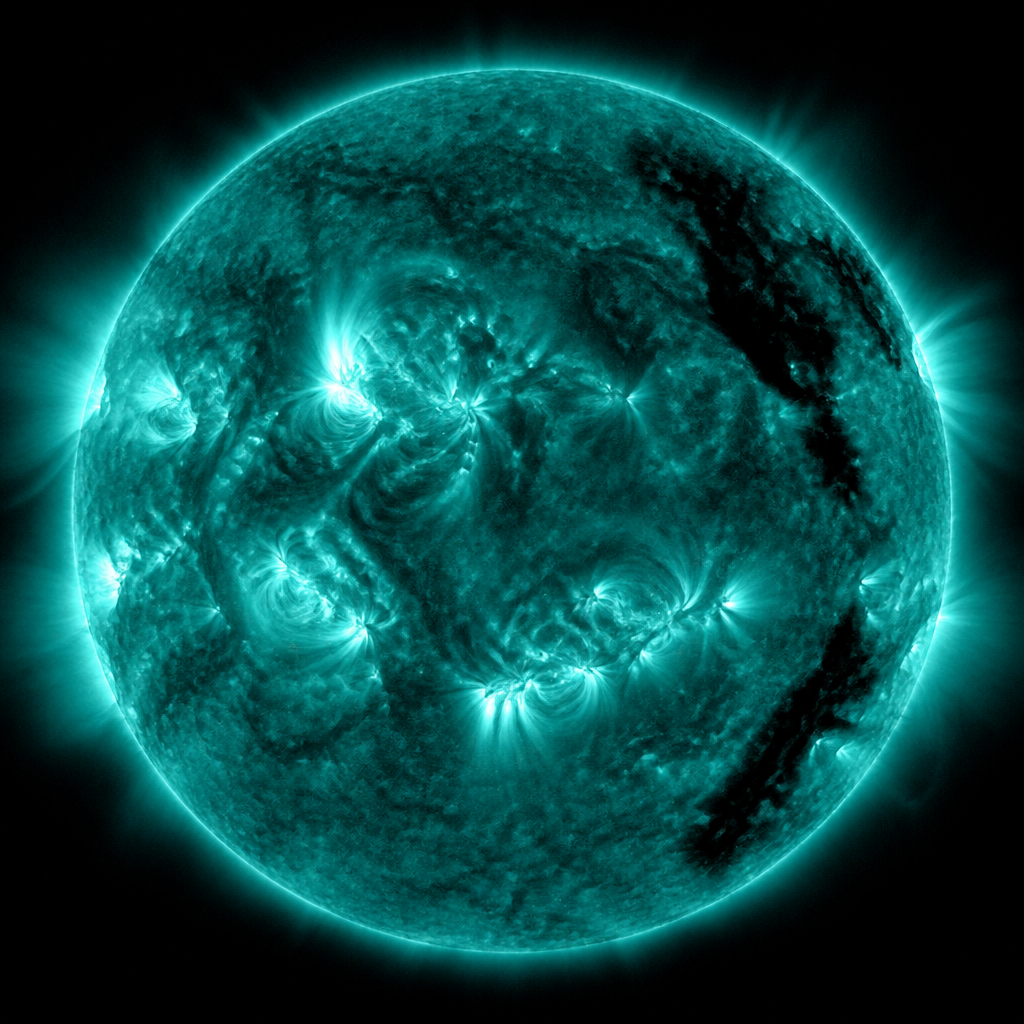


Skynet's next solar storm will be a resilience exam, not a parade
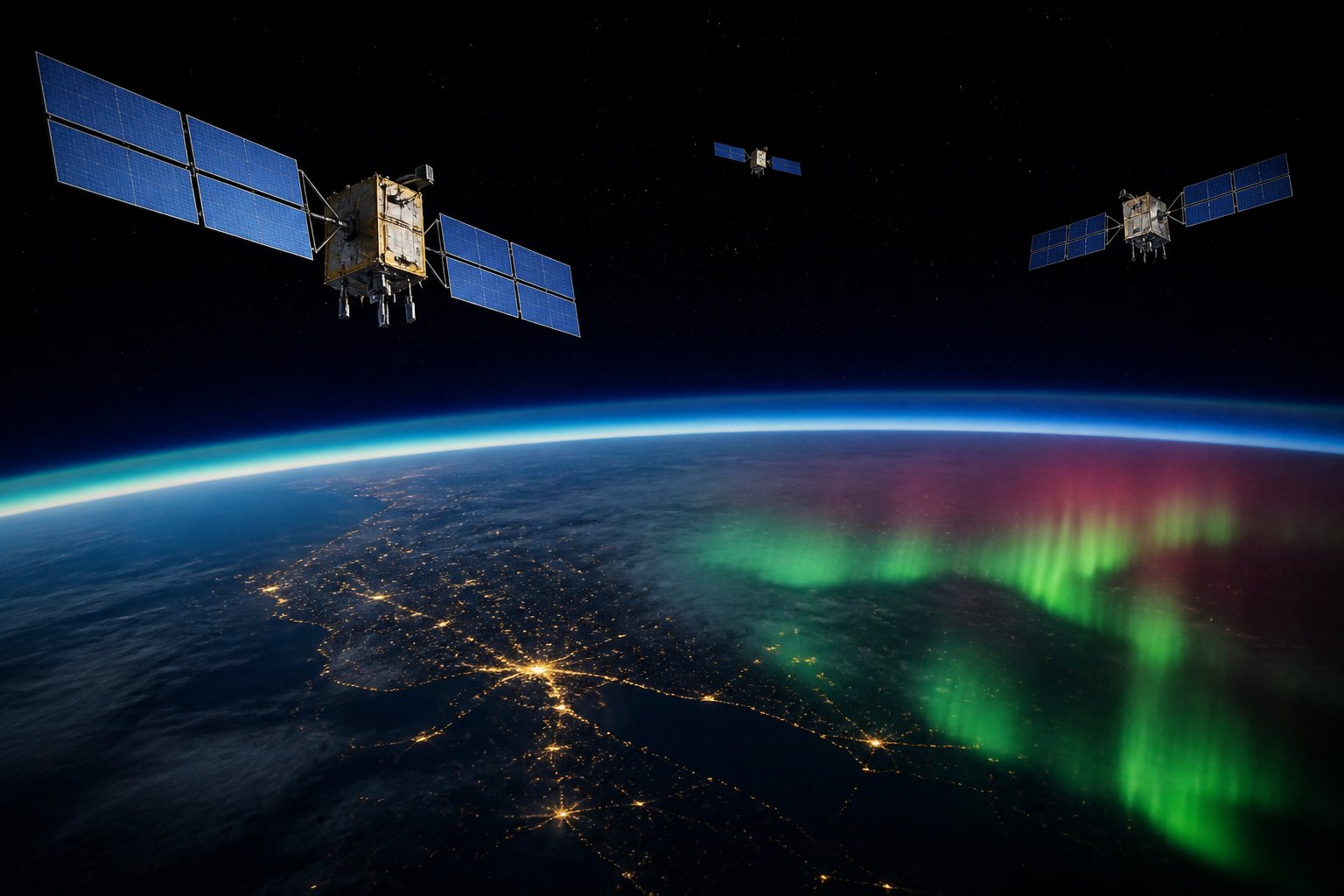
UK military satellite communications have to ride through ionospheric scintillation and surface charging. The unclassified story is still worth telling.
Skynet is the UK's military satellite-communications programme, a chain of spacecraft and ground infrastructure that has to work when the ionosphere is rude. Unclassified writing about it tends to oscillate between brochure and silence. Scienception will stay on the physics: scintillation on UHF and higher, charging, and the need for procedures when MOSWOC says the magnetosphere is open.
Military SATCOM already assumes jamming and equipment failure. Space weather is the failure mode that does not have a human opponent and still wins nights. Polar and near-polar paths are worse. That matters for aircraft and ships that are not sitting in a gentle mid-latitude garden.
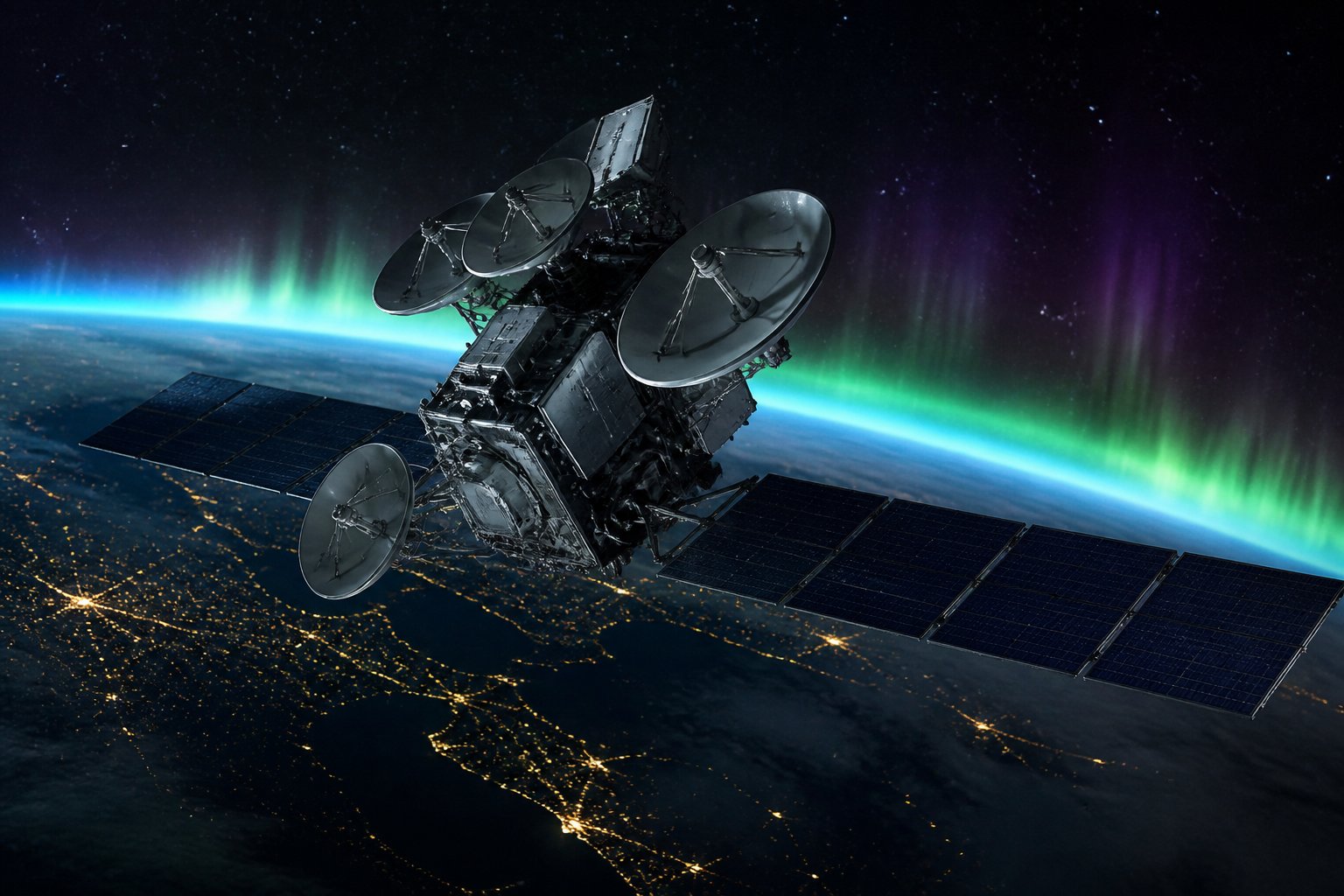
Ground segments in the UK see the same ionosphere as NATS, with different stigmas for an outage. Diversity of frequency, orbit and routing is the engineering answer. Diversity is expensive. Storms are how you justify it without a war.
A constellation that cannot take a day off
There is a civil crossover. Commercial SATCOM and Skynet experience the same Sun. Lessons about fade and charging should move, carefully, across that fence. A total fence is how both sides repeat expensive surprises.
Solar energetic particles also hit solar arrays and sensors. Degradation is a life budget. A severe event is an accounting event. Operators who have never run a storm drill on paper will do their first drill in operations. That is a choice.
A parade is optional. A link budget in a geomagnetic storm is not.
Public oversight still needs a sentence that is not a secret: did the last major storm cause a loss of service, a degradation, or a shrug? If the answer is always classified, the science public cannot learn. Some of the physics is not classified. Print that.
What can be said in public
Training for operators should include a magnetogram. Not because they will become geophysicists, but so that a red AuroraWatch and a MOSWOC warning are not a surprise PowerPoint.
Industry partners building the next Skynet increment will be judged on availability numbers that include the Sun. Write the Sun into the requirement now.
Scienception is a civilian science site. We do not need diagrams of terminals. We need the admission that space weather is part of national resilience, sitting beside floods and pandemic planning in the unglamorous folder.
The next severe storm will not wait for an equipment refresh. Resilience is the kit you already flew plus the drill you already ran.
Further context for UK readers
Unclassified writing must stop at the fence. Physics does not. Scintillation on a military UHF path is still electrons. We can say electrons.
Polar flights and ships already live with HF and SATCOM as a braid. Cut one braid in a storm and the other must hold. That is a requirement, not a metaphor.
Diversity of orbit is expensive and is how you stop a single charging event from becoming a silence. Accountants hate diversity until the silence.
Civil operators and military operators share a Sun and rarely share a post-event workshop. That is waste. Host one. Leave the classified bits in the corridor.
A public sentence after a major storm — degraded, lost, shrugged — would teach. If the sentence cannot be said, say that it cannot be said. Do not fill the space with a flag.
Training that never shows a magnetogram produces operators who treat MOSWOC as weather for someone else. Show the magnetogram.
Scienception is civilian. We will not draw the terminals. We will keep putting SATCOM in the space-weather sentence until it sounds obvious.
Resilience is a drill you already ran. The Sun is a drill sergeant with no timetable.
How to read this on a UK science desk
What a careful UK reader should actually do with this story is slower than a social feed wants. The live wires are: UHF scintillation, polar paths, diversity of orbit, unclassified sentences, magnetogram training. If a paragraph does not touch one of those wires, it is probably colour. Colour is allowed. It is not a substitute for a product page at the Met Office, BGS, UKRI, ESA, the UK Space Agency, NATS, the CAA, Ofcom, UKAEA, NHS England or the laboratory named in the sources list. Scienception prints editorial snapshots on the left-hand rail so the homepage feels like a conditions desk in the old space-weather style. Those figures are not a live operational feed. If you are making a decision about aviation, the grid, a licence, a clinical pathway or a launch commit, leave this tab and go to the authority, then come back for the argument.
British geography keeps deciding supposedly global science. Magnetic latitude, Atlantic cloud, a coal switchyard, a dark-sky park, a Clyde clean room, a synchrotron on a former airfield, an ice-shelf station, a parish lighting rule: these are not decorations on skynet solar storm satcom. They decide whether a result is operational for this country or merely interesting. A model that cannot be checked against a UK sensor is tourism. A policy that cannot be walked to a protocol is speech. We will keep dragging the global noun back to a named place.
There is a records problem in the background of this beat. Time series die when programmes end, when students leave, and when a dashboard is funded instead of a person who knows a sensor's quirks. The cheap way to look modern is a new visualisation. The expensive way that works is to keep the ugly log alive. Magnetograms, ionosondes, light curves, beam-test files, trusted research environments, licence PDFs and anomaly reports are how a democracy stays in the measurement business when the solar cycle, the debris environment or a carbon budget stops being polite.
The public conversation still swings between panic and shrug. Hold two true sentences at once. A minor geomagnetic watch is not a national blackout. A stored tonne of carbon is not a groundbreaking party. A nova that has not erupted is not a failure. A satellite train is not an invasion. Scienception will keep writing as if readers can cope with a caveat, a map, a table and a link. That is the minimum adult form of UK science news, and it is the house style for this article as much as for the conditions rail.
If you work in a school, use the primary links as a single homework: open the Met Office or BGS or ESA page, write down what the official product actually says, and compare it with our kicker. If you work in a control room, steal only the method: name the sensor, name the failure mode, name the British place that would feel it. If you only wanted a picture, look at the figures, then look at the sources. The figures are illustrations. The sources are how you check us. Corrections remain info@scienception.com at Scienception LTD.
Related on Scienception: BGS magnetometers map the quiet currents that stress the grid · SuperDARN radars watch the ionosphere that blackouts North Atlantic HF · GNSS scintillation is now a NATS problem, not a hobbyist complaint

