



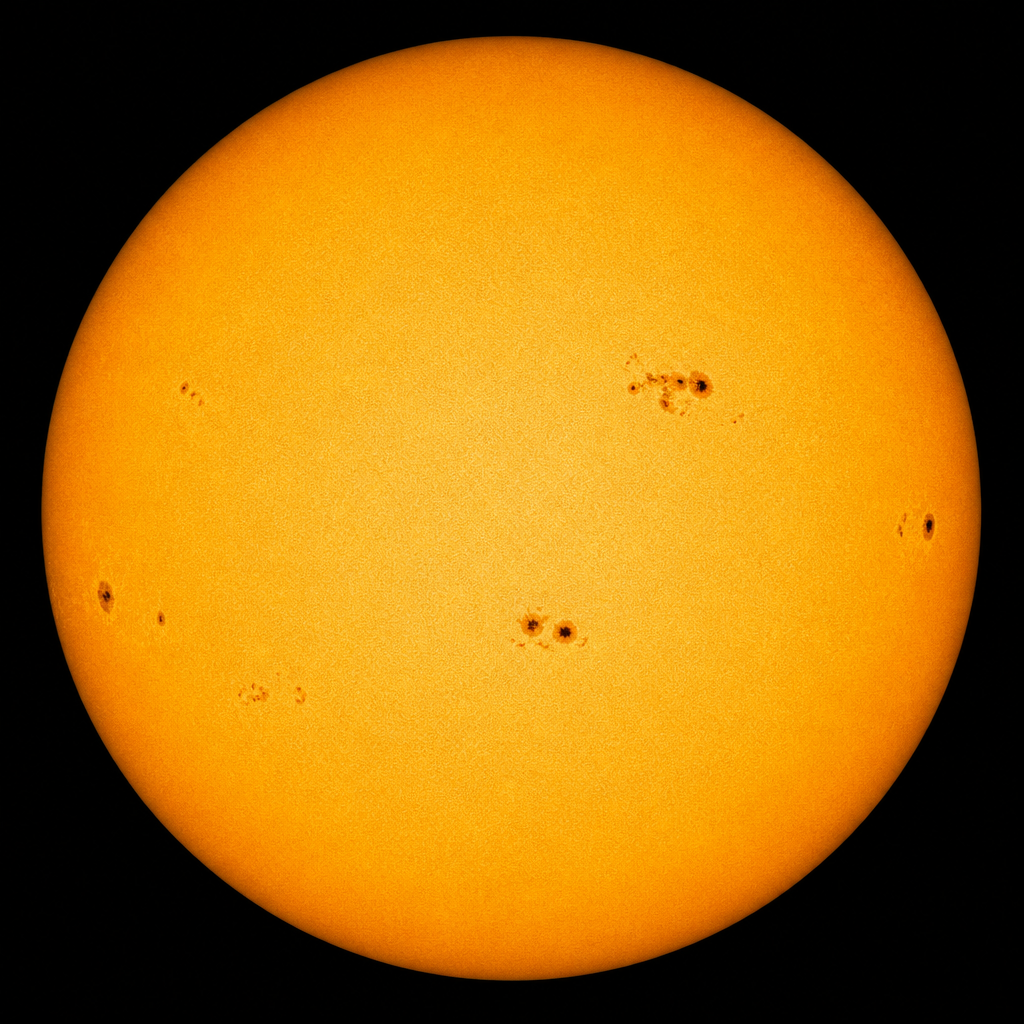
 Current Auroral Oval:
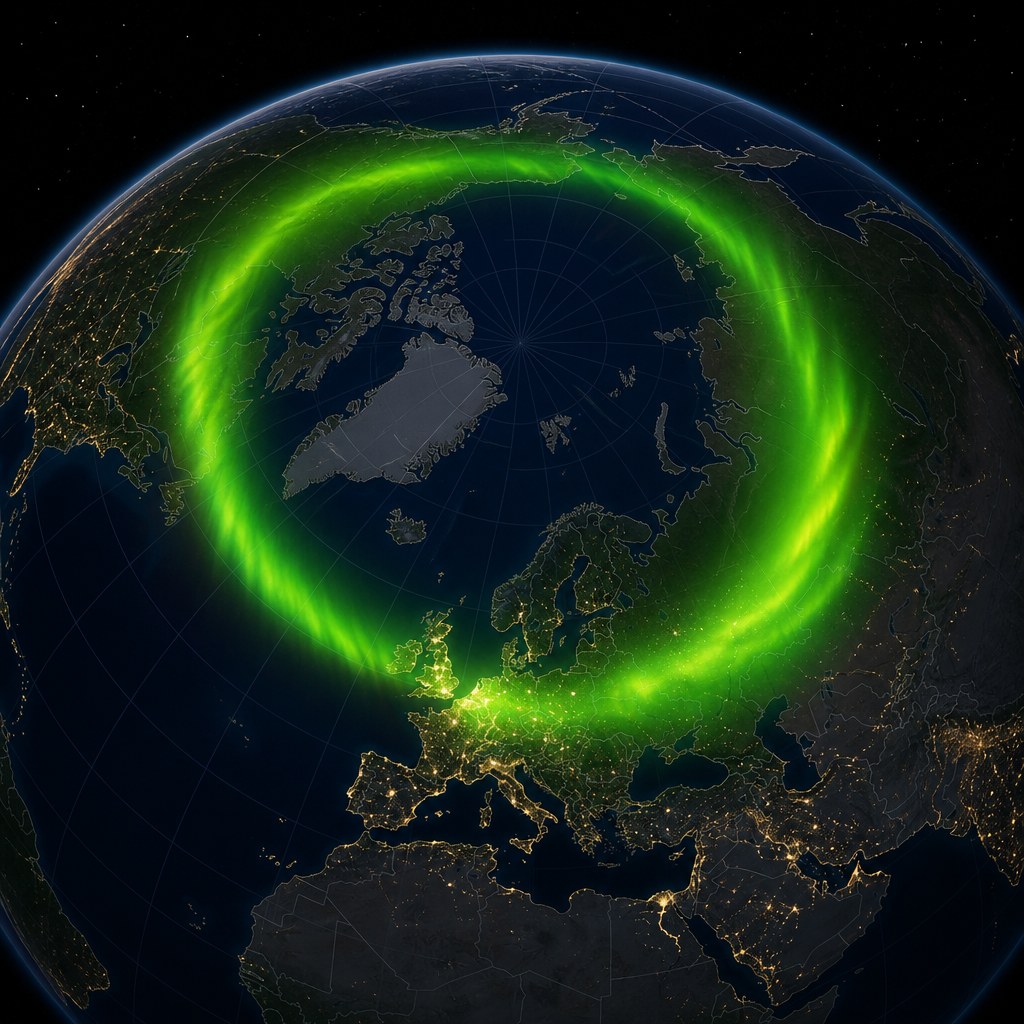
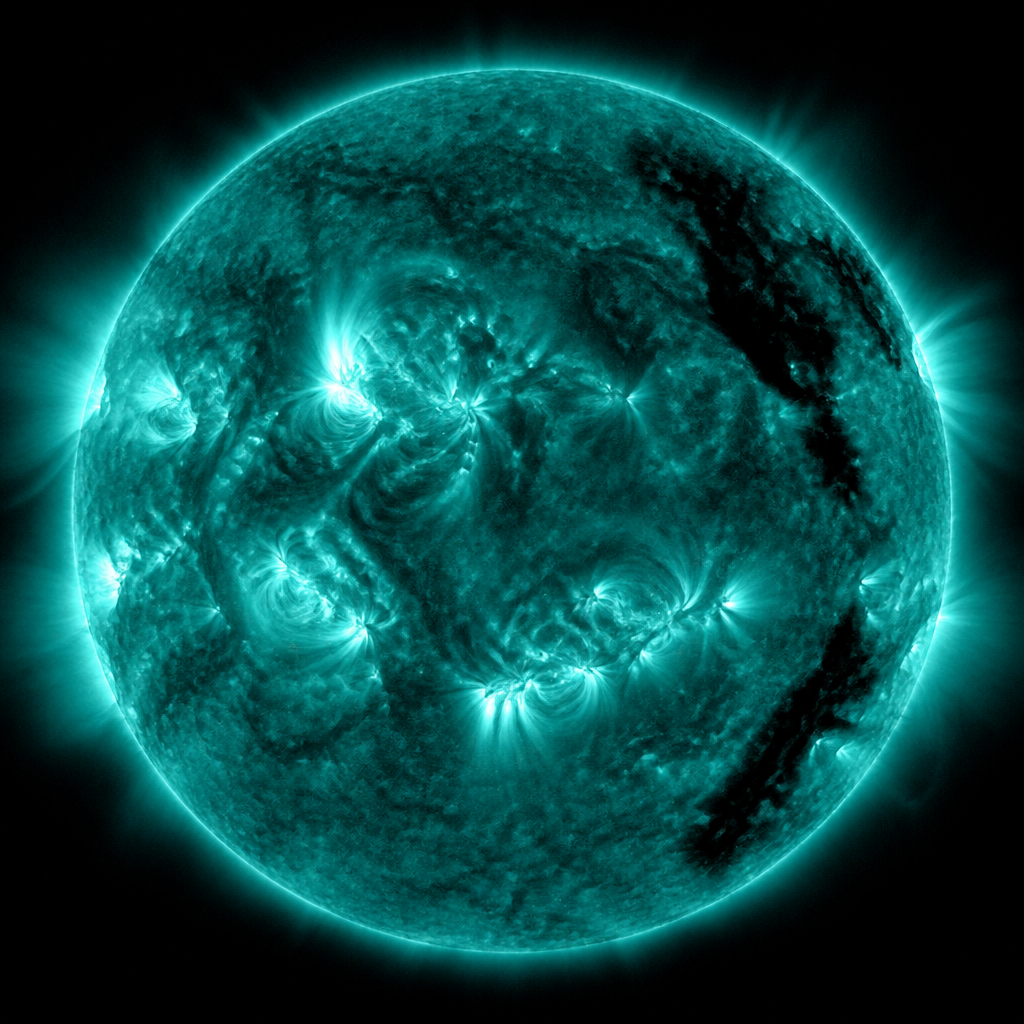


Opinion: Britain needs a civilian space-weather siren for the grid
Floods have warnings the public understands. Magnetic storms still have magnetograms the public does not. That gap is a choice.
This is an opinion. The rest of Scienception is reported. I think the United Kingdom should have a civilian, official, boringly consistent space-weather warning product that sits next to the weather warnings people already understand. Not a red-sky panic. Not a social-media aurora lottery. A scale with actions, owned by the Met Office, fed by BGS, and explained in English that a control-room shift and a curious teenager can both use.
We already have MOSWOC. We already have AuroraWatch UK, which is a gift from Lancaster. We already have the National Risk Register listing space weather. What we do not have is a public object with the cultural status of a flood warning. The gap means that when a severe storm arrives, the public will learn from whoever shouts. That is a bad teacher.
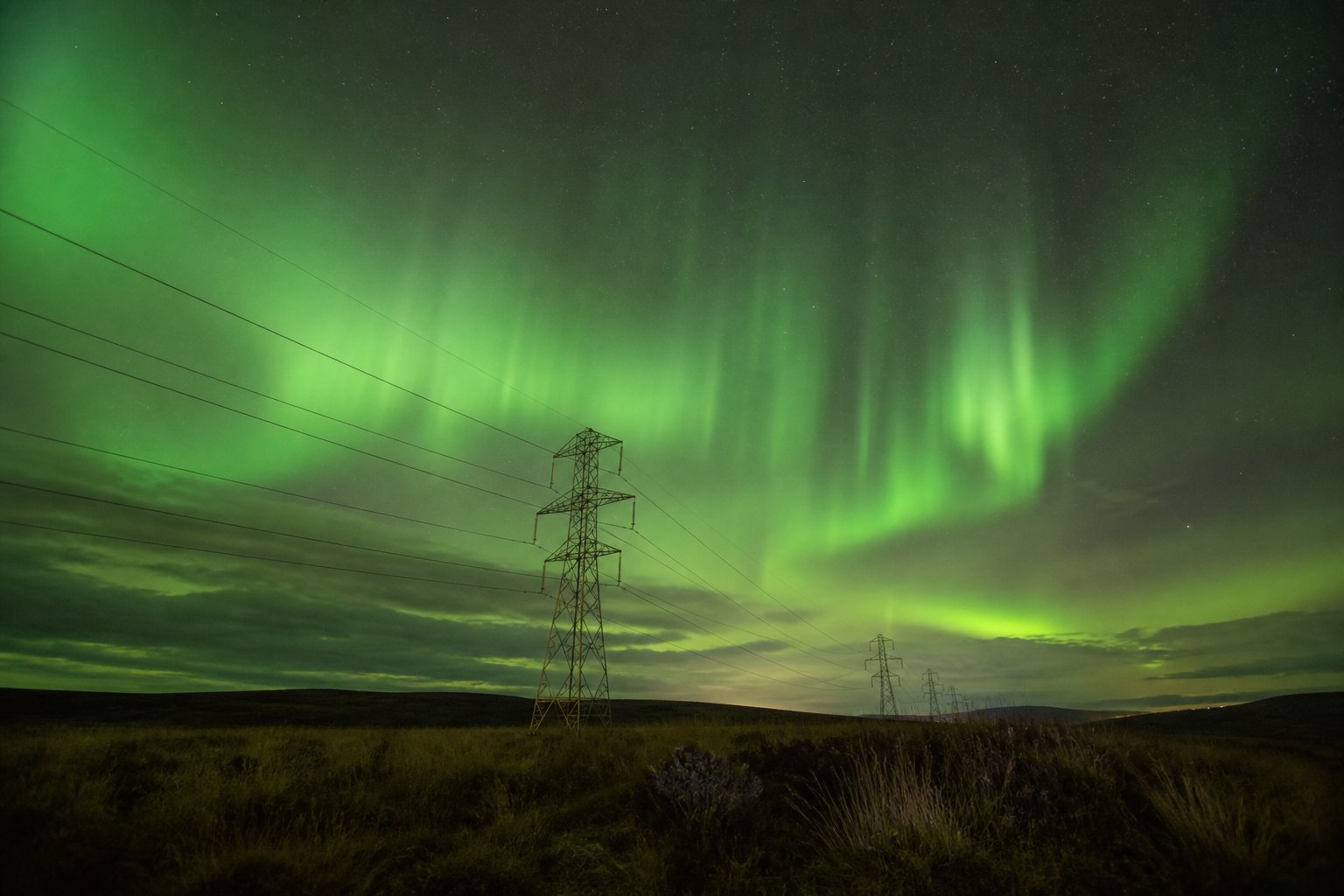
A siren, literally, is the wrong tool. You do not evacuate a town because Kp hit 7. You do want National Grid, hospitals with GNSS clocks, aviation, and radio users to hear the same named level at the same time. You want journalists to have a primary source that is not an American dashboard with American place names.
What a siren is not
Critics will say that a public scale produces aurora traffic jams on the A9. They are not entirely wrong. The answer is to pair the scale with geographic honesty: high-latitude versus mid-latitude expected impacts, in words a motorist can hate and still understand. Honesty reduces jams more than silence does. Silence produces rumours, and rumours produce convoys.
I am not asking for classified grid data on the internet. I am asking for a traffic-light that means 'operators are in a known protocol' rather than 'someone on a forum saw green'. The first is resilience. The second is folklore.
I do not want a panic button. I want a sentence on the Met Office app that means the same thing in Lerwick and in Lewes.
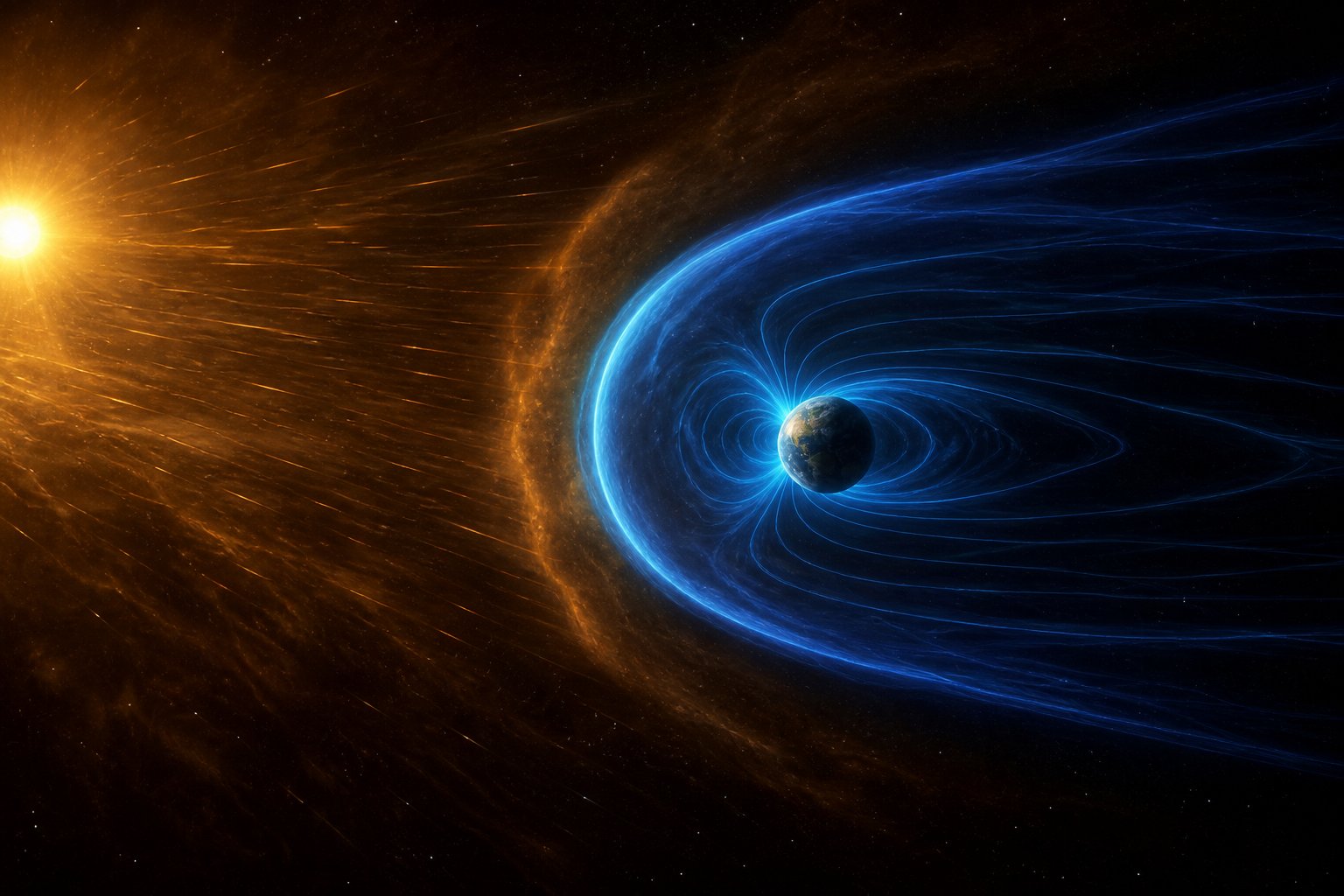
Cost is not the blocker. The blocker is fear of looking silly on a night when Bz stays north and the oval fails to perform. Weather services already live with that fear every time a snow warning under-delivers. They still warn. Space weather should borrow that professional skin, including the post-event verification tables.
What we should actually build
Education has to come first by a little. A warning nobody understands is noise. Schools in Scotland and Northern Ireland could teach the oval the way they teach the Gulf Stream: a local fact. England could admit it is usually in the cheap seats. That admission is not an insult. It is geography.
If this sounds like I want MOSWOC on the evening news, I do, on the rare nights it belongs there. Most nights it belongs as a small badge on an app. Most nights nothing happens. That is success. Success should be visible as a quiet badge, not only as a crisis.
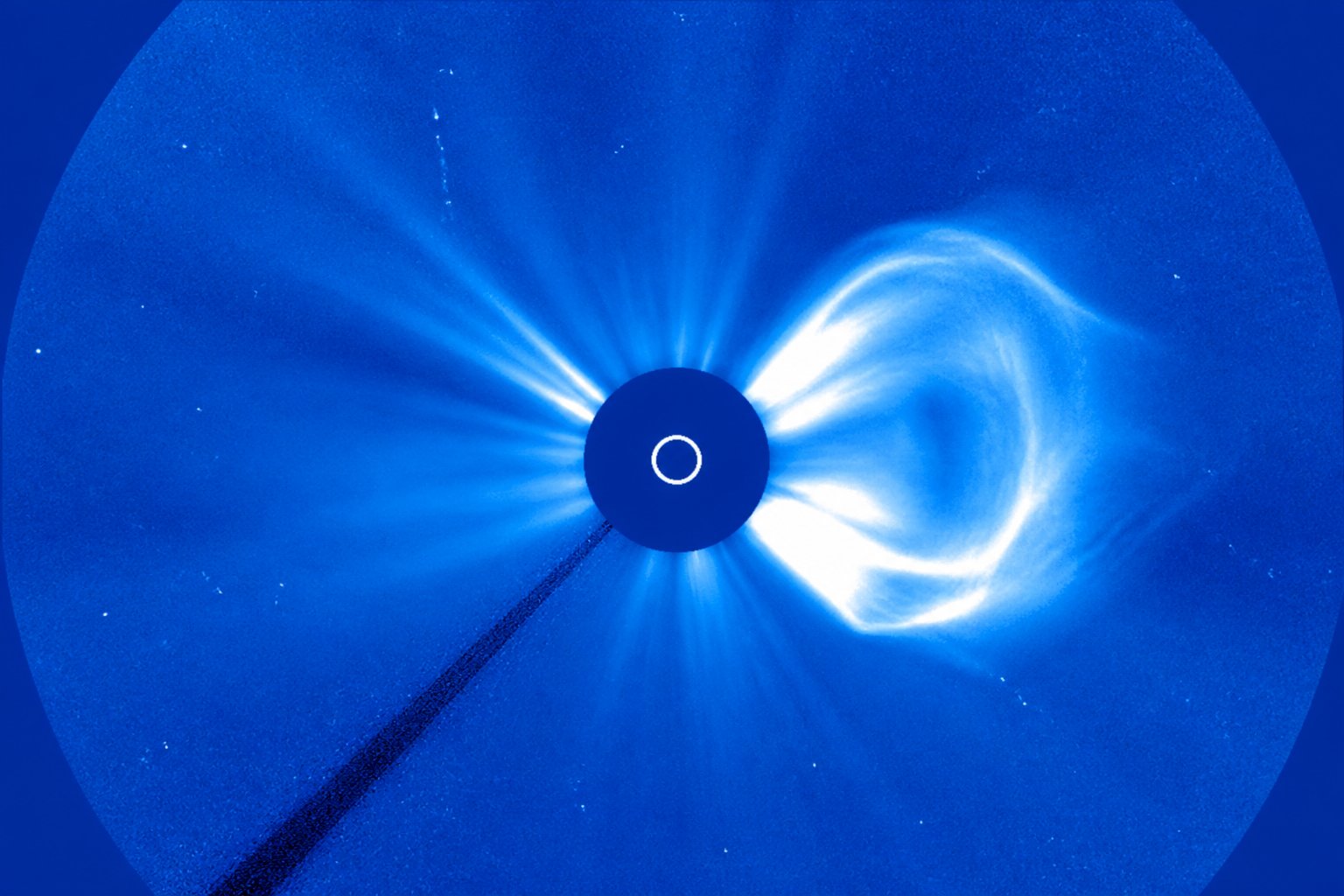
Scienception will keep printing magnetograms either way. I would rather print them next to an official sentence than next to a vacuum.
The Sun will not wait until we are ready. A civilian scale is how a democracy looks ready without pretending it can command the solar wind. I would like us to look ready.
Further context for UK readers
I want verification tables after missed watches, the way weather already admits a busted snow warning. Without verification, a scale becomes a brand. Brands deserve suspicion.
Geographic honesty is the anti-jam. Tell England it is usually in the cheap seats. Tell Shetland the opposite. People can hate a sentence and still use it.
Hospitals with GNSS clocks, radio amateurs, and grid desks should hear the same named level. That is the civilian part. Not a crowd looking at the sky on the A9.
Fear of looking silly is not a scientific reason to stay quiet. It is a professional risk weather already priced in. Price it in.
Schools can teach the oval like the Gulf Stream: a local fact with a map. That is the education that makes a warning land.
I do not want classified current on the internet. I want a badge that means a protocol is on. Protocols can be unnamed and still signalled.
Scienception will keep printing magnetograms. I would rather they sit next to an official sentence than next to a vacuum that fills with rumours.
Readiness is not command of the solar wind. It is a democracy that can say a true, dull sentence in time. I would like that sentence.
How to read this on a UK science desk
What a careful UK reader should actually do with this story is slower than a social feed wants. The live wires are: verification tables, cheap seats honesty, protocol badge, school oval, dull true sentence. If a paragraph does not touch one of those wires, it is probably colour. Colour is allowed. It is not a substitute for a product page at the Met Office, BGS, UKRI, ESA, the UK Space Agency, NATS, the CAA, Ofcom, UKAEA, NHS England or the laboratory named in the sources list. Scienception prints editorial snapshots on the left-hand rail so the homepage feels like a conditions desk in the old space-weather style. Those figures are not a live operational feed. If you are making a decision about aviation, the grid, a licence, a clinical pathway or a launch commit, leave this tab and go to the authority, then come back for the argument.
British geography keeps deciding supposedly global science. Magnetic latitude, Atlantic cloud, a coal switchyard, a dark-sky park, a Clyde clean room, a synchrotron on a former airfield, an ice-shelf station, a parish lighting rule: these are not decorations on opinion civilian space weather siren. They decide whether a result is operational for this country or merely interesting. A model that cannot be checked against a UK sensor is tourism. A policy that cannot be walked to a protocol is speech. We will keep dragging the global noun back to a named place.
There is a records problem in the background of this beat. Time series die when programmes end, when students leave, and when a dashboard is funded instead of a person who knows a sensor's quirks. The cheap way to look modern is a new visualisation. The expensive way that works is to keep the ugly log alive. Magnetograms, ionosondes, light curves, beam-test files, trusted research environments, licence PDFs and anomaly reports are how a democracy stays in the measurement business when the solar cycle, the debris environment or a carbon budget stops being polite.
The public conversation still swings between panic and shrug. Hold two true sentences at once. A minor geomagnetic watch is not a national blackout. A stored tonne of carbon is not a groundbreaking party. A nova that has not erupted is not a failure. A satellite train is not an invasion. Scienception will keep writing as if readers can cope with a caveat, a map, a table and a link. That is the minimum adult form of UK science news, and it is the house style for this article as much as for the conditions rail.
If you work in a school, use the primary links as a single homework: open the Met Office or BGS or ESA page, write down what the official product actually says, and compare it with our kicker. If you work in a control room, steal only the method: name the sensor, name the failure mode, name the British place that would feel it. If you only wanted a picture, look at the figures, then look at the sources. The figures are illustrations. The sources are how you check us. Corrections remain info@scienception.com at Scienception LTD.
Related on Scienception: G1 watch puts Shetland and Northern Ireland on aurora alert · BGS magnetometers map the quiet currents that stress the grid · SWIMMR is the quiet programme that taught Britain to model storms

