



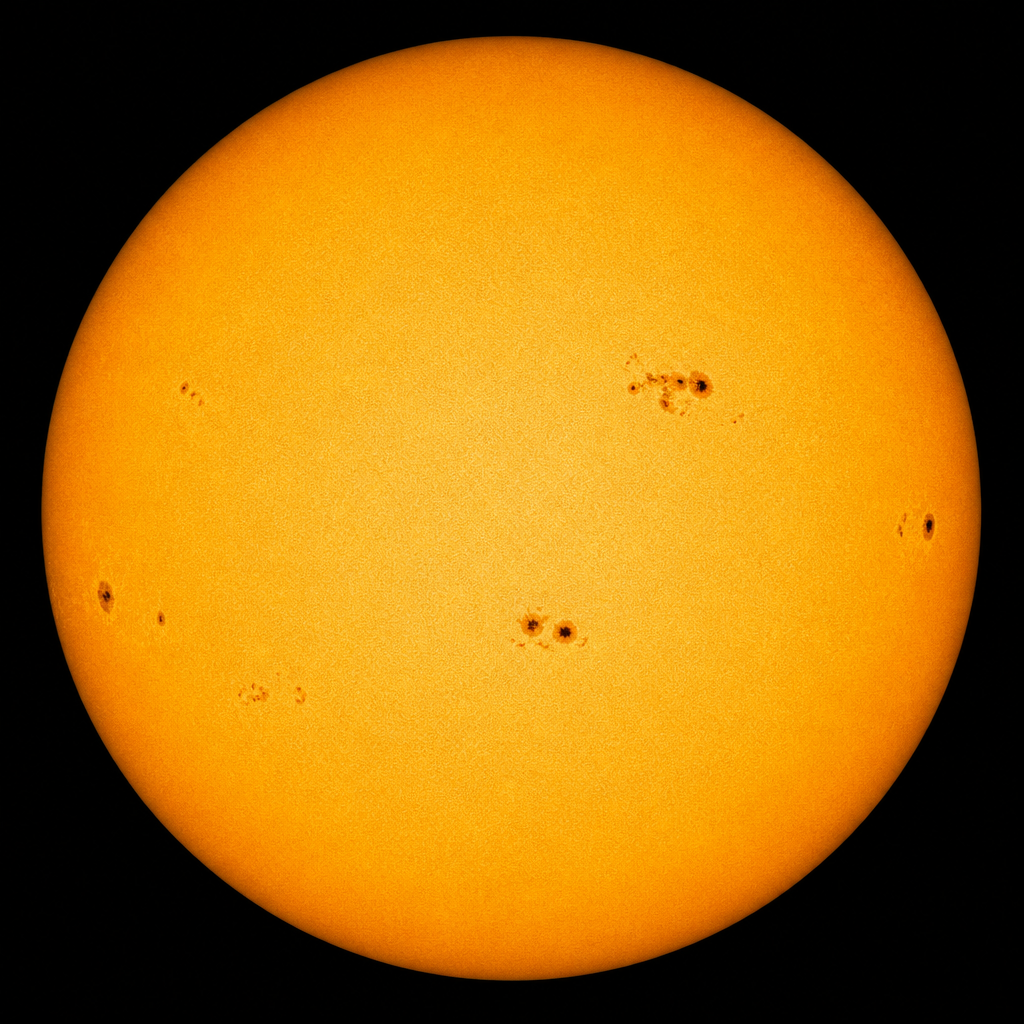
 Current Auroral Oval:



Ofcom's satellite licences are now a debris and spectrum story
The regulator that once looked like a broadband office is part of how Britain decides who may fill the sky.
Ofcom licenses communications and, in the UK system, sits at the junction of spectrum, satellite filings and the public interest. As constellations multiply, that junction is where debris policy either becomes real or remains a conference slide. Scienception will cover licensing as space environment news, because a satellite that cannot be identified, coordinated, or de-orbited is weather we made ourselves.
Spectrum coordination is already international and slow. Adding megaconstellations made it slower and ruder. Radio astronomers and weather-satellite operators are not hobbies in this fight. They are users of the same commons.
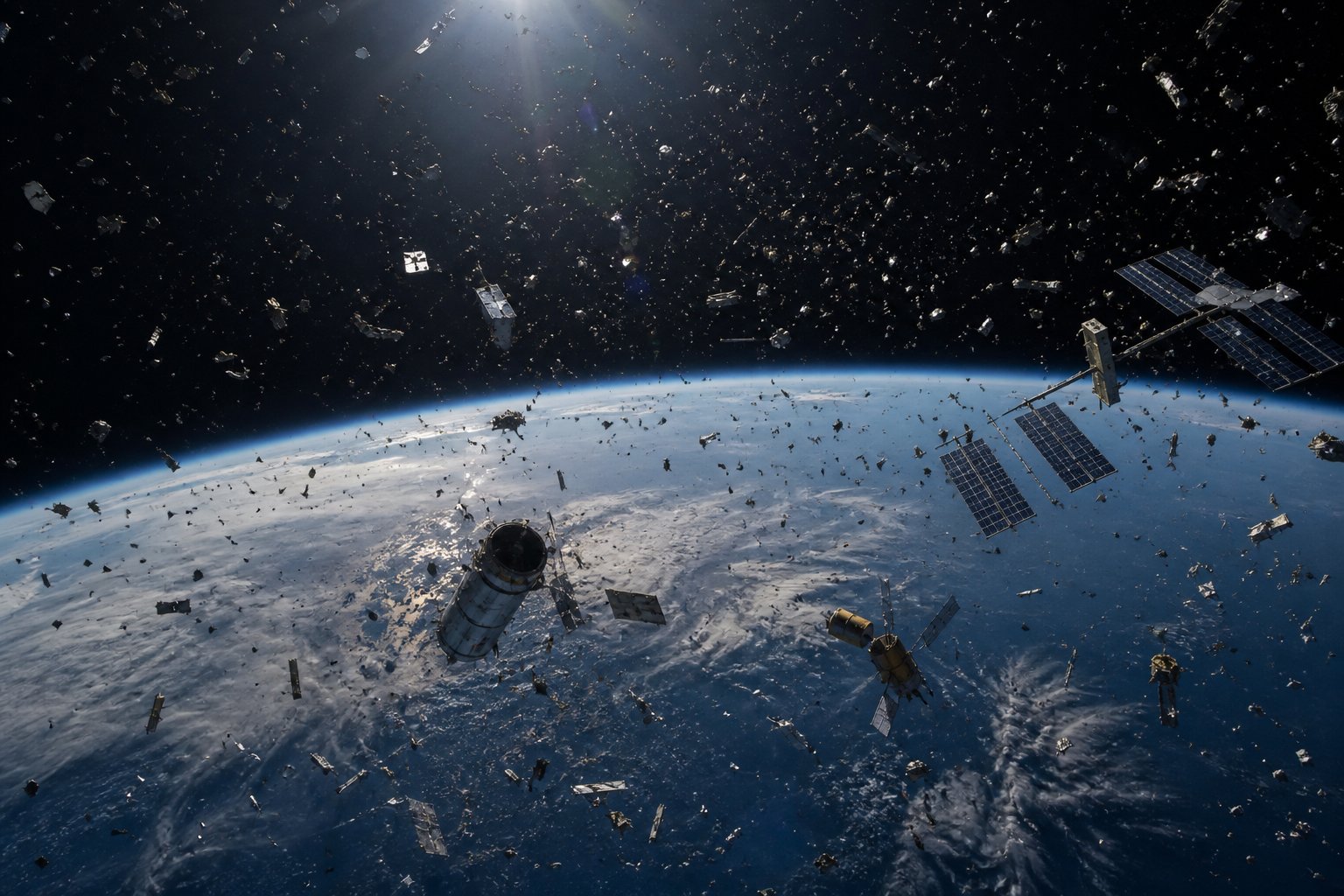
Debris mitigation guidelines exist at ISO, IADC and ESA. The question is whether a UK licence bites when a plan is fantasy. A disposal that depends on a solar cycle cooperating is a disposal with a probability. Write the probability in the file.
Spectrum is a commons with a queue
Kessler syndrome is an overused phrase. Collisional cascading is real in some orbital bands. Journalism should use the band, the number density, and the uncertainty, not the movie name, every time.
UK launch from Shetland or Cornwall does not help if the operator then parks a dead bus on a crowded plane. Launch is not virtue. End-of-life is virtue.
If de-orbit is not in the licence, de-orbit is a vibe. Vibes do not survive solar maximum drag models.
There is an enforcement problem. A foreign operator with a UK ground station is a lever. An operator with no UK footprint is a speech. Diplomacy and Ofcom have different toolkits. Pretending they are the same toolkit is how you get a press release.
Debris as a licence condition, not a sermon
Scienception will read licence consultations so you do not have to, and we will quote the debris paragraph when it exists. When it does not, that is the lede.
Amateurs filing for smallsat spectrum deserve a process that is neither a toy nor a trap. A process that only corporations can survive will be captured. A process with no teeth will be litter.
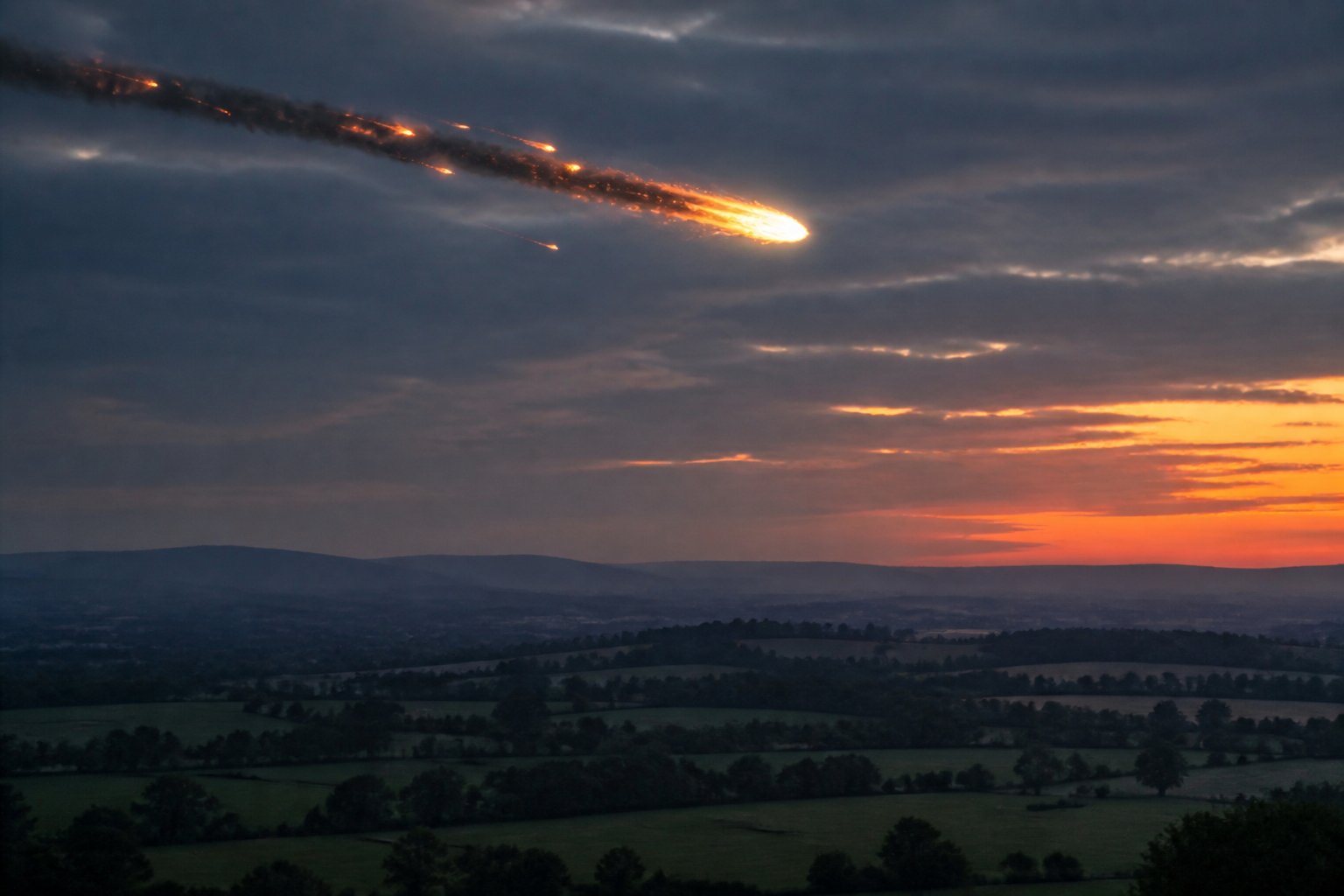
Solar activity changes orbital decay. A licence written at solar minimum can be wrong at maximum. Regulators need a heliophysicist on speed dial. That sentence should not sound exotic.
The sky is getting fatter with hardware. A grown-up country licenses the fat, measures it, and makes it leave.
Further context for UK readers
A UK ground station is a lever. Use it. A speech about debris without a lever is a sermon. Sermons do not de-orbit.
IADC guidelines in a licence without a probability for disposal are vibes. Solar-cycle drag makes the probability move. Write the movement.
Kessler is a movie word. Band, density, uncertainty are grown-up words. Use the grown-up words.
Launch from Britain is not virtue if the bus then dies on a crowded plane. End-of-life is virtue.
Radio astronomers and weather satellites are commons users. A licence that forgets them is a capture.
Smallsat amateurs deserve a process that is neither toy nor trap. Capture and litter are both failures.
A heliophysicist on Ofcom's speed dial should not sound exotic. Drag is solar. Debris is solar. The regulator is in our beat now.
License the fat in the sky, measure it, make it leave. That is a sentence a commons can live with.
How to read this on a UK science desk
What a careful UK reader should actually do with this story is slower than a social feed wants. The live wires are: ground-station lever, disposal probability, IADC teeth, commons users, solar drag in the file. If a paragraph does not touch one of those wires, it is probably colour. Colour is allowed. It is not a substitute for a product page at the Met Office, BGS, UKRI, ESA, the UK Space Agency, NATS, the CAA, Ofcom, UKAEA, NHS England or the laboratory named in the sources list. Scienception prints editorial snapshots on the left-hand rail so the homepage feels like a conditions desk in the old space-weather style. Those figures are not a live operational feed. If you are making a decision about aviation, the grid, a licence, a clinical pathway or a launch commit, leave this tab and go to the authority, then come back for the argument.
British geography keeps deciding supposedly global science. Magnetic latitude, Atlantic cloud, a coal switchyard, a dark-sky park, a Clyde clean room, a synchrotron on a former airfield, an ice-shelf station, a parish lighting rule: these are not decorations on ofcom satellite licensing debris. They decide whether a result is operational for this country or merely interesting. A model that cannot be checked against a UK sensor is tourism. A policy that cannot be walked to a protocol is speech. We will keep dragging the global noun back to a named place.
There is a records problem in the background of this beat. Time series die when programmes end, when students leave, and when a dashboard is funded instead of a person who knows a sensor's quirks. The cheap way to look modern is a new visualisation. The expensive way that works is to keep the ugly log alive. Magnetograms, ionosondes, light curves, beam-test files, trusted research environments, licence PDFs and anomaly reports are how a democracy stays in the measurement business when the solar cycle, the debris environment or a carbon budget stops being polite.
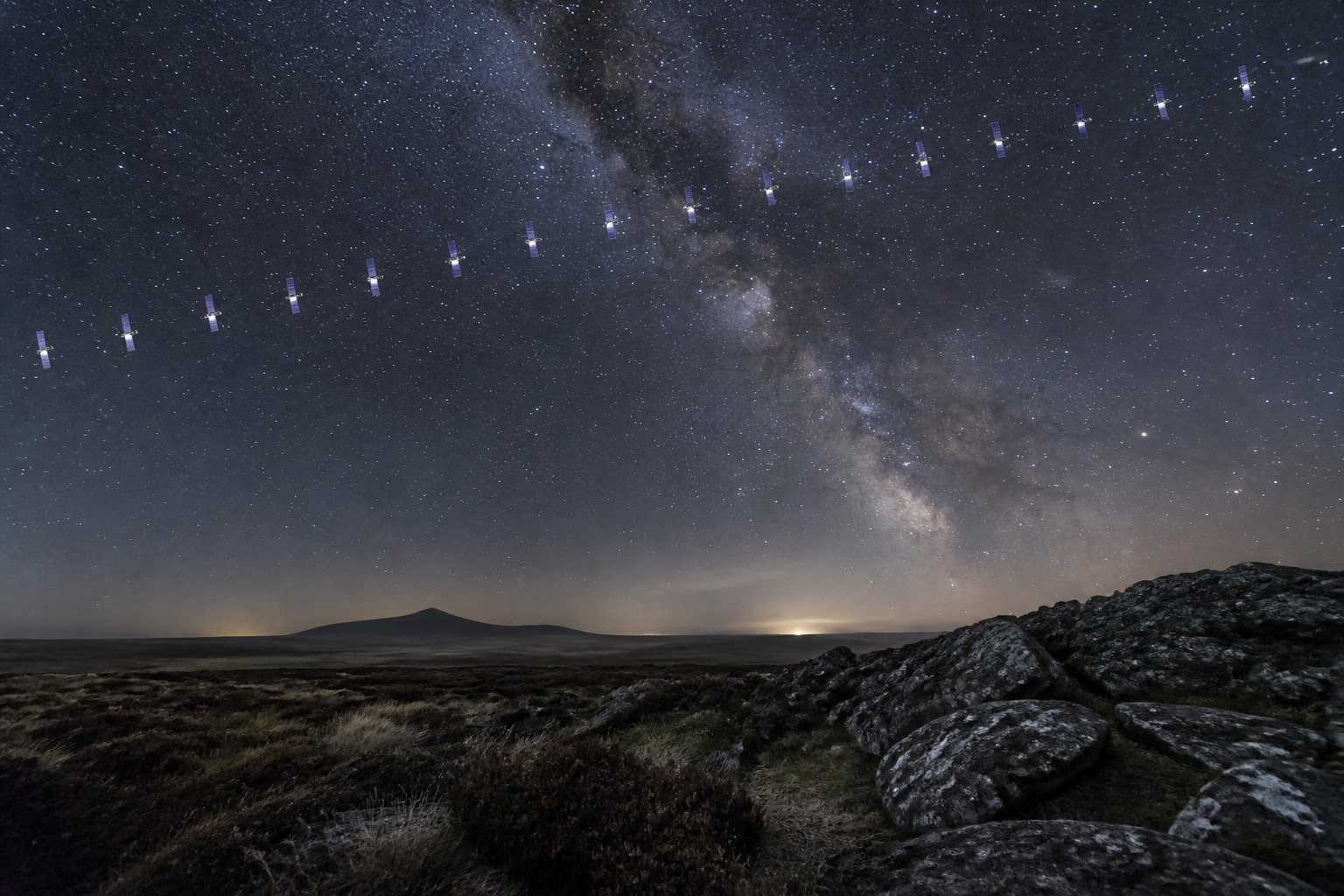
The public conversation still swings between panic and shrug. Hold two true sentences at once. A minor geomagnetic watch is not a national blackout. A stored tonne of carbon is not a groundbreaking party. A nova that has not erupted is not a failure. A satellite train is not an invasion. Scienception will keep writing as if readers can cope with a caveat, a map, a table and a link. That is the minimum adult form of UK science news, and it is the house style for this article as much as for the conditions rail.
If you work in a school, use the primary links as a single homework: open the Met Office or BGS or ESA page, write down what the official product actually says, and compare it with our kicker. If you work in a control room, steal only the method: name the sensor, name the failure mode, name the British place that would feel it. If you only wanted a picture, look at the figures, then look at the sources. The figures are illustrations. The sources are how you check us. Corrections remain info@scienception.com at Scienception LTD.
Spectrum is a commons with a queue, and debris is an environmental outcome of a licence. If disposal depends on a solar cycle behaving, write the probability in the file. A UK ground station is a lever; a speech is not. Scienception will keep reading the debris paragraph of consultations, and will lead with its absence when it is missing.
Related on Scienception: Starlink trains are now part of British weather, and the forecast is crowded · Greenwich can still teach the sky, if CPRE's night-blight maps are taken seriously · STEP at West Burton is a power-station ghost being asked to become a torus

