



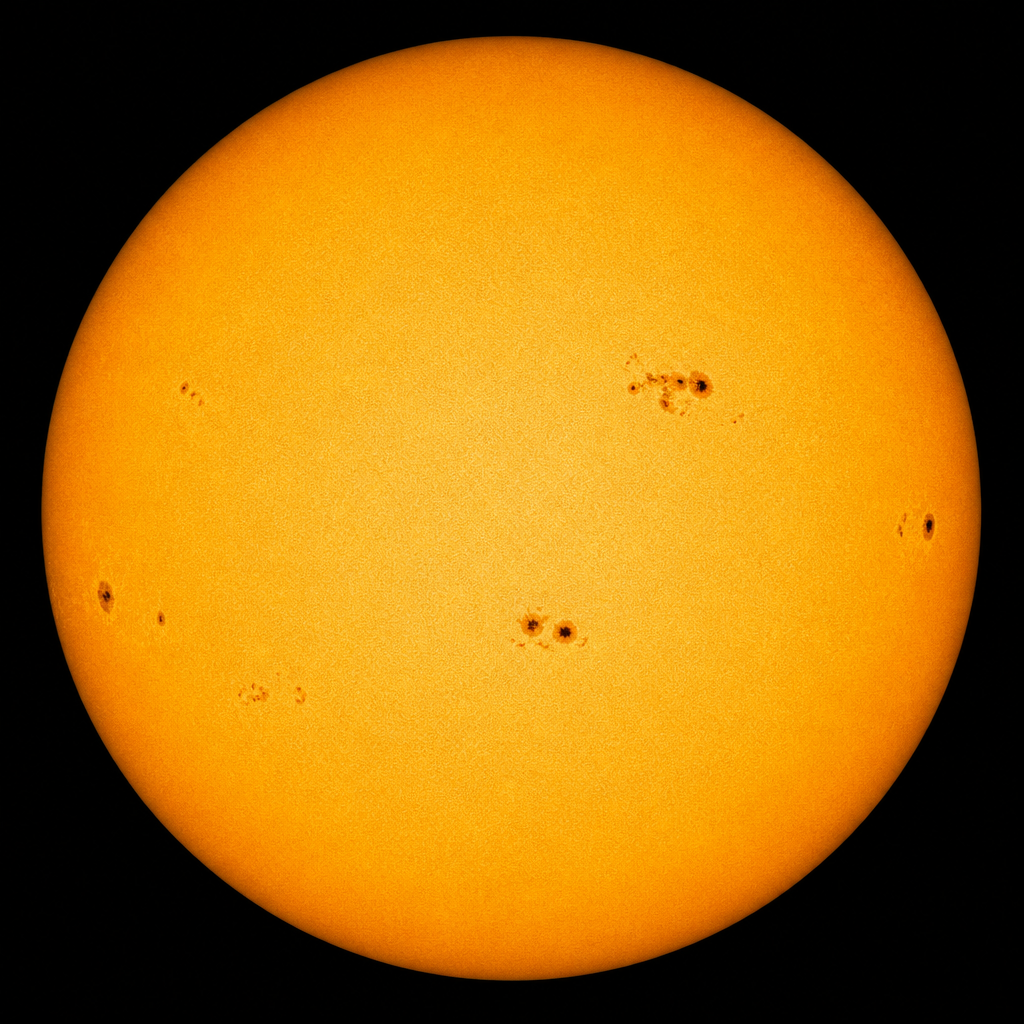
 Current Auroral Oval:
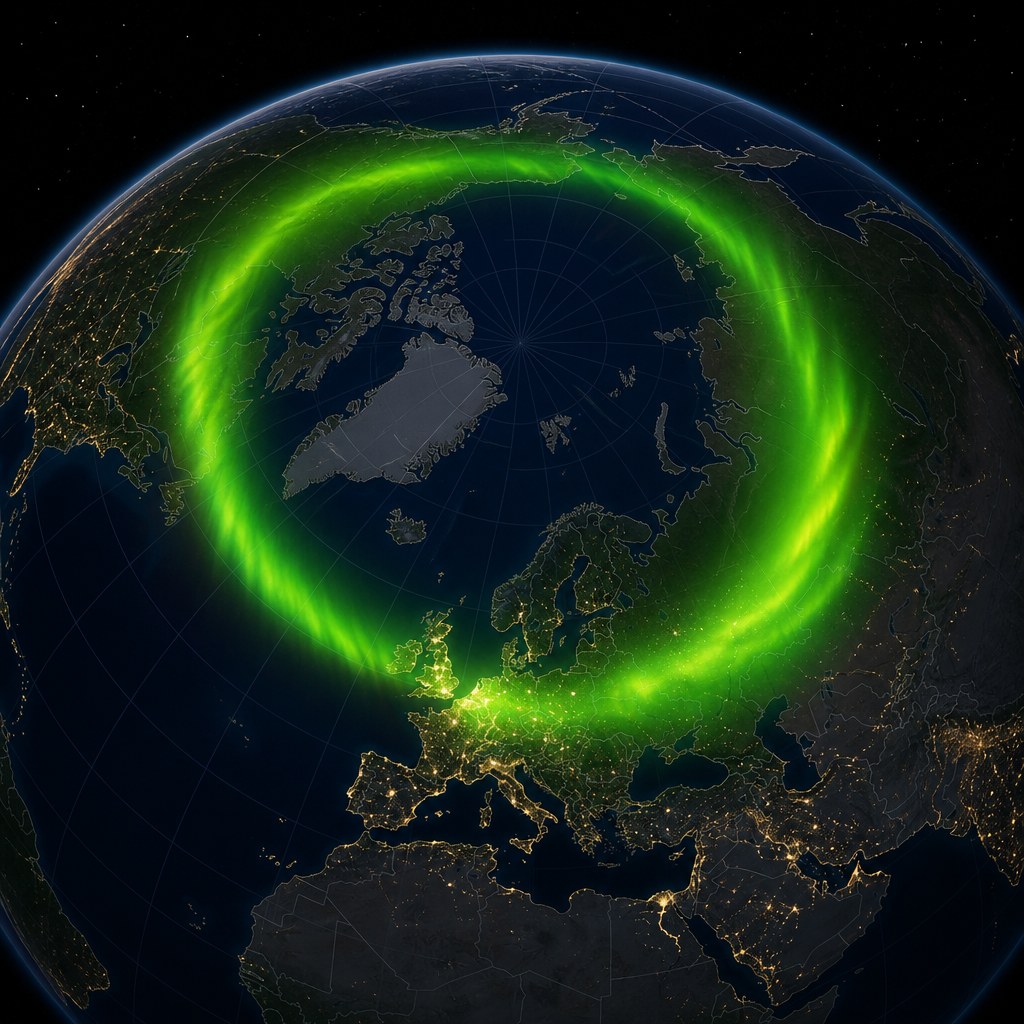



The National Quantum campus is building clocks for days when GNSS sulks
Quantum timing and inertial sensing will not replace satellite navigation this year. They are how you plan for the year it blinks.
GNSS is a miracle with a single-point-of-culture failure: almost everyone forgot the backup. Quantum technology programmes in the UK, including work around the Harwell campus, NPL clocks, and related sensing, are trying to make holdover timing and inertial navigation less of a museum piece. Scienception is interested because space weather is one of the reasons GNSS blinks, alongside jamming and plain faults.
An optical clock that can hold time in a rack is not a phone app. It is a metrological object. The path to a deployable maritime or telecoms clock is paved with engineers, not with keynotes. NPL's atomic time already underpins the country. Quantum upgrades are a continuation.
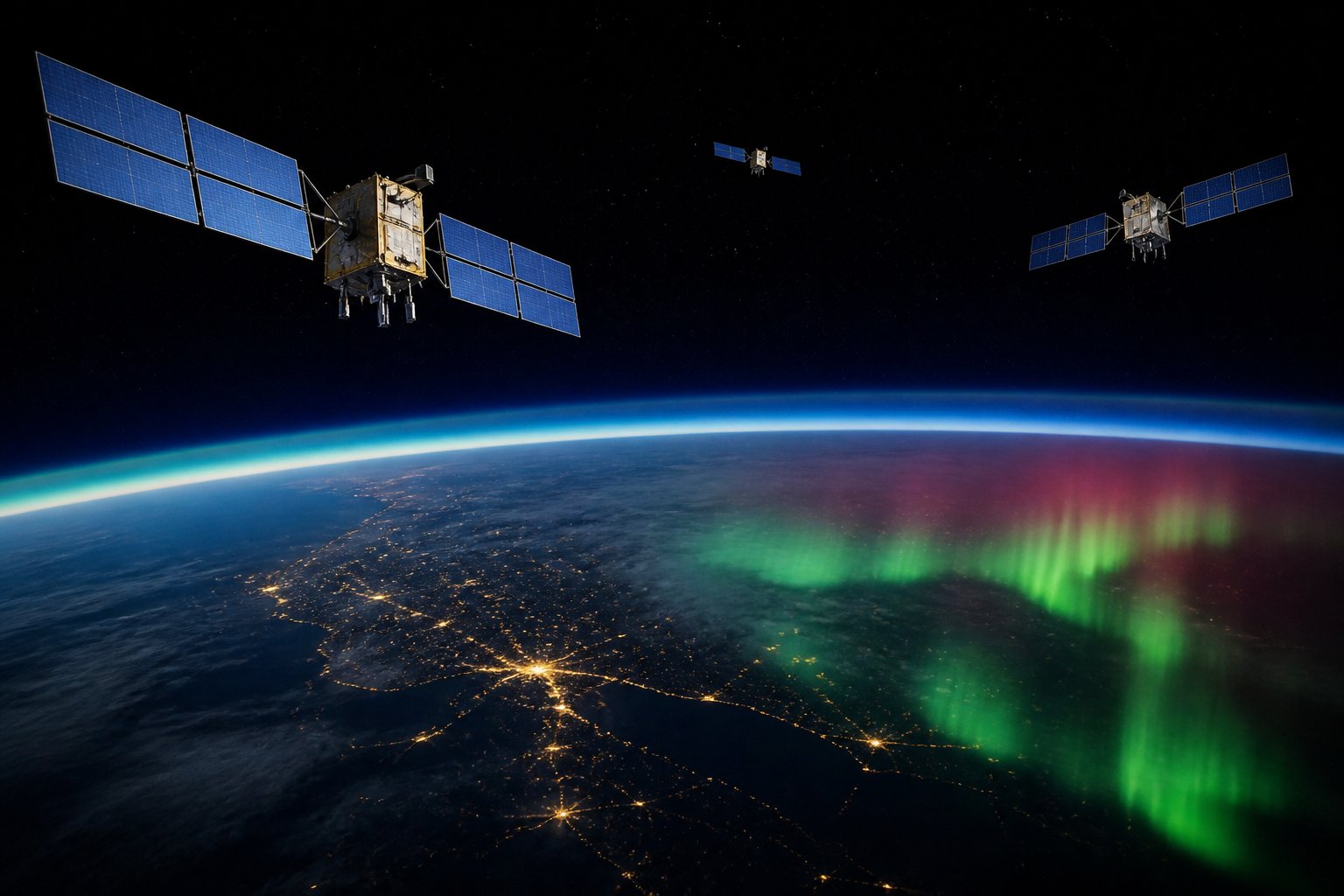
Inertial sensors that drift less could help vehicles and ships through a noisy ionosphere. They will not, soon, replace a sky full of satellites for a consumer car. Honesty about that keeps the programme alive longer than a fantasy.
A clock is a navigation instrument
Defence has always understood denied environments. Civil infrastructure is catching up because the denial can be natural. A G-class storm is not an adversary. It behaves like one on a receiver.
Skills are the constraint. Laser physicists can be hired by anyone. A national campus is a bet that some of them will stay within sight of a space-weather desk and a grid desk. That bet needs salaries, not only branding.
A country that puts all of its seconds in orbit is a country one ionosphere away from confusion.
There is a standards war coming about how you certify a quantum holdover device. Boring committees will decide whether this tech actually backs up the sky. Send journalists to the committees occasionally.
Space weather as the threat that justifies a backup
Scienception will not claim that a quantum clock stopped a blackout. We will claim that timing diversity is adult.
If you run a data centre, you already care about time. Ask your vendor what happens when GNSS holds over for a day. If they look confused, that is your space-weather drill.

The Sun will not wait for a product launch. Backup clocks that exist beat quantum clocks that are promised.
Seconds are infrastructure. Treating them as a satellite perk was a historical accident we can still correct.
Further context for UK readers
NPL's seconds already run the country. Quantum upgrades are not a reboot. They are a more stubborn second. Stubbornness is the requirement when GNSS sulks.
Holdover is the unromantic word. A clock that holds is a navigation instrument. A clock that only looks pretty in a laser photograph is an exhibit.
Maritime users understand denied environments in their bones. Consumer cars do not. Do not sell a car fantasy to fund a ship clock. Fund the ship clock as a ship clock.
Certification committees will decide if this is real. Send a reporter. The committee is the launch.
A data-centre operator who cannot answer a one-day GNSS holdover question is already in a space-weather story and does not know it.
Salaries on the campus must compete with anyone who wants a laser physicist. Branding will not retain a physicist. Money and interesting problems will.
Scienception will not claim a quantum clock stopped a blackout. We will claim that seconds are infrastructure.
The Sun does not wait for a product roadmap. Clocks that exist beat clocks that are promised. Buy the existing ones while you wait.
How to read this on a UK science desk
What a careful UK reader should actually do with this story is slower than a social feed wants. The live wires are: NPL seconds, holdover, maritime first, certification committees, data-centre drills. If a paragraph does not touch one of those wires, it is probably colour. Colour is allowed. It is not a substitute for a product page at the Met Office, BGS, UKRI, ESA, the UK Space Agency, NATS, the CAA, Ofcom, UKAEA, NHS England or the laboratory named in the sources list. Scienception prints editorial snapshots on the left-hand rail so the homepage feels like a conditions desk in the old space-weather style. Those figures are not a live operational feed. If you are making a decision about aviation, the grid, a licence, a clinical pathway or a launch commit, leave this tab and go to the authority, then come back for the argument.
British geography keeps deciding supposedly global science. Magnetic latitude, Atlantic cloud, a coal switchyard, a dark-sky park, a Clyde clean room, a synchrotron on a former airfield, an ice-shelf station, a parish lighting rule: these are not decorations on national quantum gnss denied. They decide whether a result is operational for this country or merely interesting. A model that cannot be checked against a UK sensor is tourism. A policy that cannot be walked to a protocol is speech. We will keep dragging the global noun back to a named place.
There is a records problem in the background of this beat. Time series die when programmes end, when students leave, and when a dashboard is funded instead of a person who knows a sensor's quirks. The cheap way to look modern is a new visualisation. The expensive way that works is to keep the ugly log alive. Magnetograms, ionosondes, light curves, beam-test files, trusted research environments, licence PDFs and anomaly reports are how a democracy stays in the measurement business when the solar cycle, the debris environment or a carbon budget stops being polite.
The public conversation still swings between panic and shrug. Hold two true sentences at once. A minor geomagnetic watch is not a national blackout. A stored tonne of carbon is not a groundbreaking party. A nova that has not erupted is not a failure. A satellite train is not an invasion. Scienception will keep writing as if readers can cope with a caveat, a map, a table and a link. That is the minimum adult form of UK science news, and it is the house style for this article as much as for the conditions rail.
If you work in a school, use the primary links as a single homework: open the Met Office or BGS or ESA page, write down what the official product actually says, and compare it with our kicker. If you work in a control room, steal only the method: name the sensor, name the failure mode, name the British place that would feel it. If you only wanted a picture, look at the figures, then look at the sources. The figures are illustrations. The sources are how you check us. Corrections remain info@scienception.com at Scienception LTD.
Holdover is the word that turns a laser table into infrastructure. A data centre, a ship and a hospital clock already live on GNSS courtesy. Space weather is one of the ways courtesy ends. NPL's seconds are the adult backup; quantum upgrades are a more stubborn second. Buy what exists while you wait for what is promised.
Related on Scienception: SWIMMR is the quiet programme that taught Britain to model storms · RAL Space still builds the UK's eyes on the solar wind · Ariel is the UK's next long stare at other atmospheres

