



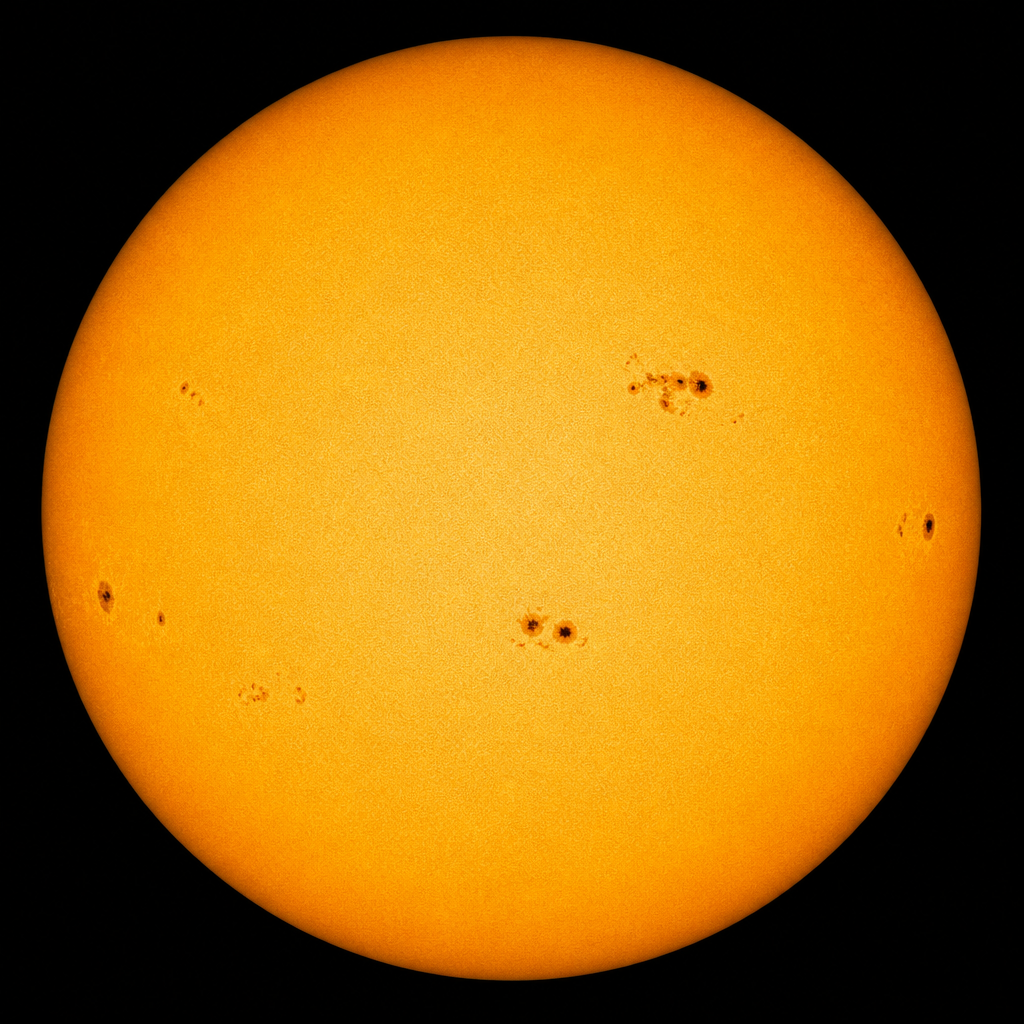
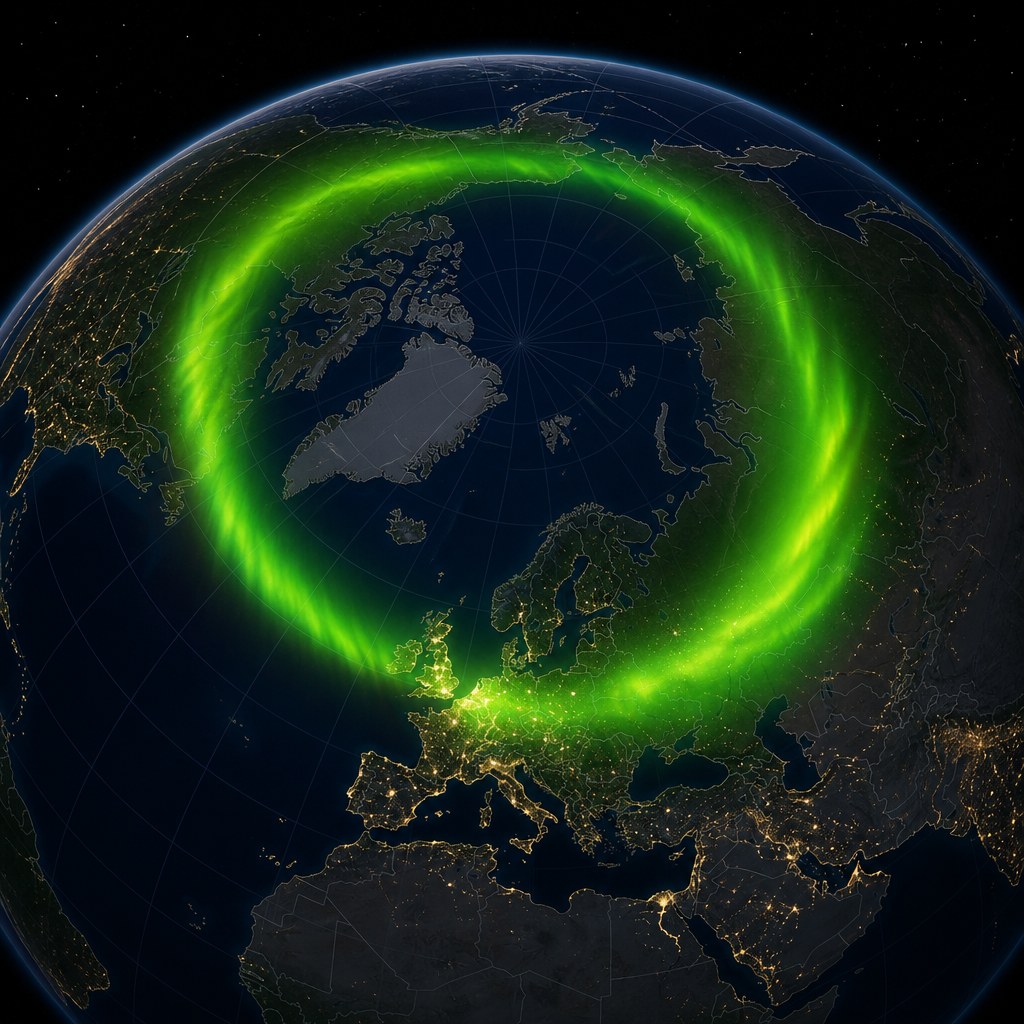
 Current Auroral Oval:


MAST Upgrade at Culham is a torus that keeps teaching fusion the hard way
UKAEA's spherical tokamak in Oxfordshire produces plasmas that are not a power station yet and are already a scientific instrument.
MAST Upgrade, the Mega Amp Spherical Tokamak, sits at Culham in Oxfordshire as part of the UK Atomic Energy Authority's fusion estate. Spherical tokamaks are compact, with a plasma shape that looks like a cored apple rather than a doughnut's more famous cousin. The bet is improved performance for a given size, and a diagnostics-rich programme that still trains people who can run a torus. Scienception covers it because fusion is plasma physics, and plasma physics is the same family as the solar wind, even when the temperatures and the press officers differ.
Culham's culture is operational. Shots have numbers. When a campaign is down, it is down. Students learn that a plasma is a thing you schedule, not a thing you manifest. That culture is rarer than fusion slogans.
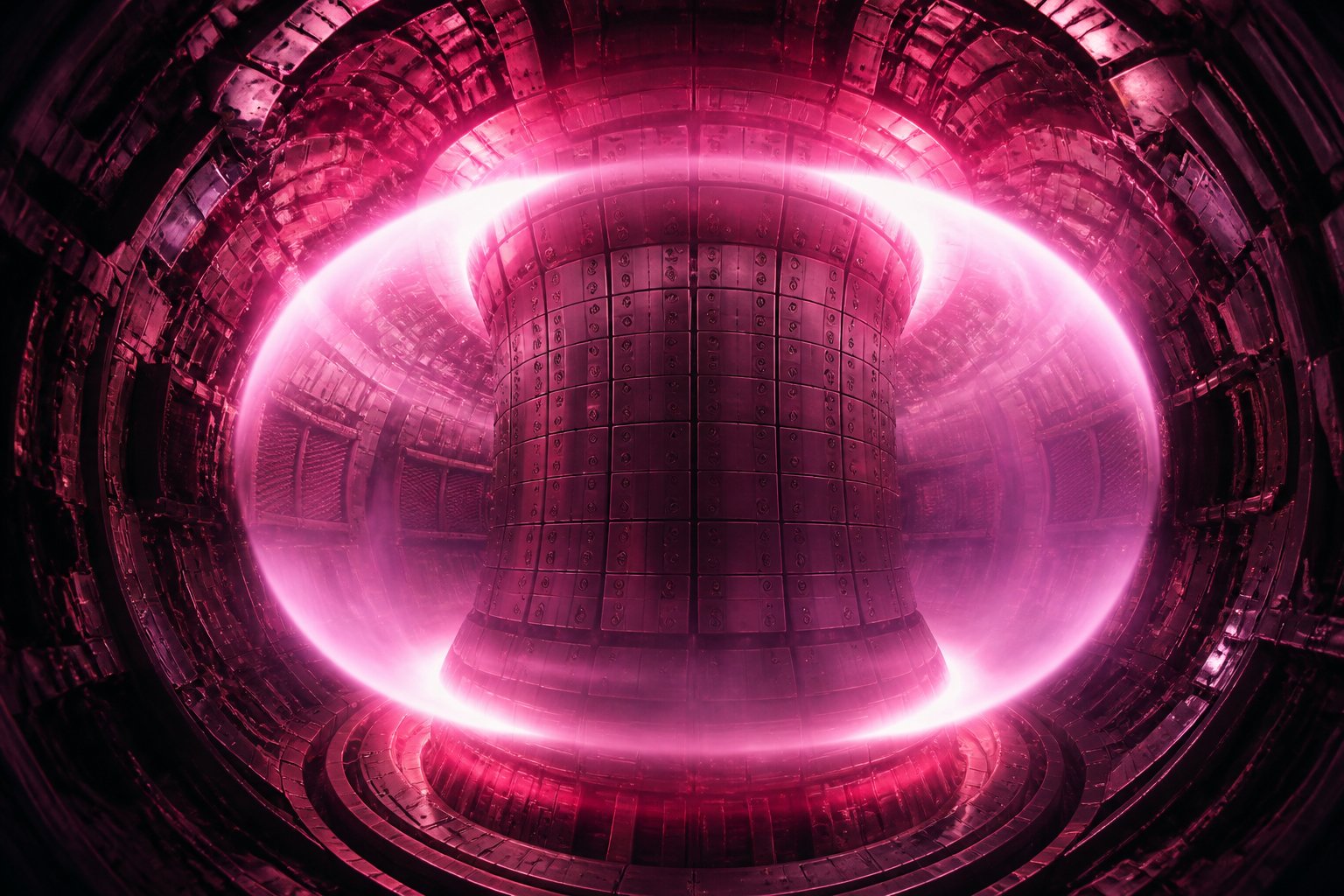
Records — confinement, temperature, duration — will be claimed. Read the denominator. A record in a spherical tokamak is not a grid-ready plant. It may still be a genuine scientific step. Print both clauses.
A compact plasma with outsized diagnostics
Diagnostics are the British strength: cameras, Thomson scattering, spectroscopy. A machine that sees itself is how you learn transport. A machine that only glows for a visitor day is a sculpture.
There is a people pipeline into STEP and into industry. If MAST Upgrade is starved to dress a larger project's budget, the larger project will hire foreigners to do the job Culham used to teach. That has happened in other sectors. Fusion is not immune.
A record plasma that does not produce a paper trail of diagnostics is a firework. Culham still prefers papers.
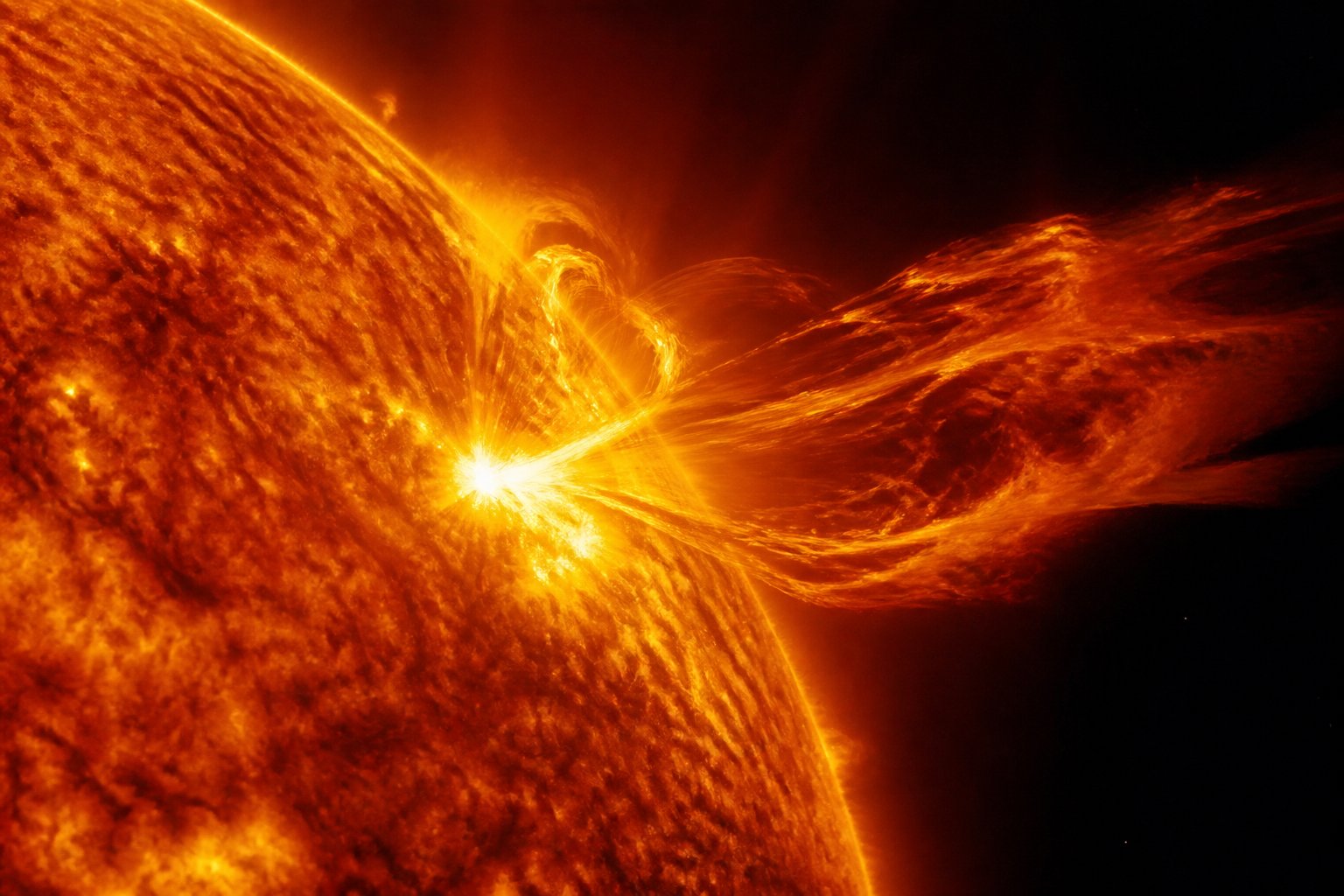
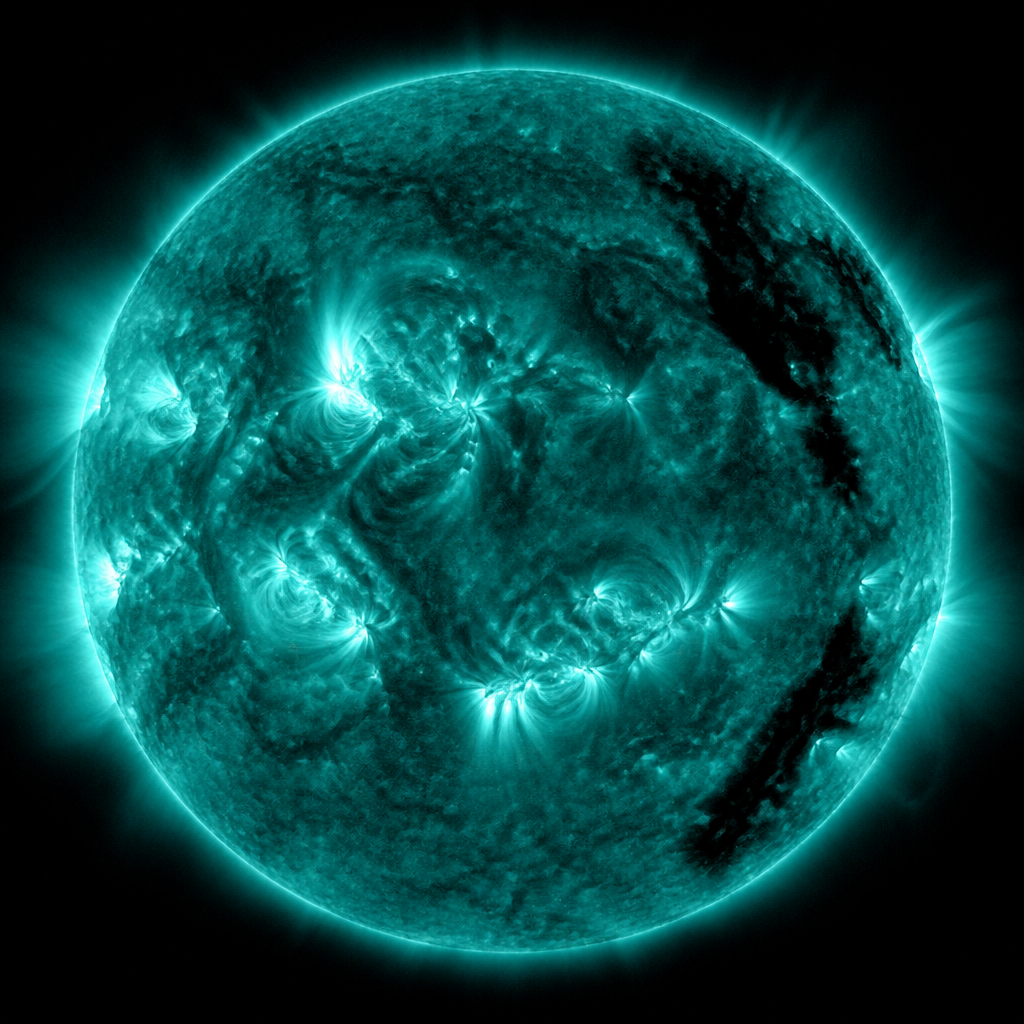
Space-weather readers should not be confused. A tokamak is not the Sun. It is a cousin you can walk around after it cools. The family resemblance is magnetised plasma. The difference is a brick building in Oxfordshire.
What 'record' should be allowed to mean
Public communication should invite people to the idea of a pulse, not to the idea of a switched-on city next year. Honesty keeps consent.
Scienception will report campaign results with fewer exclamation marks than the average fusion feed. The marks are usually doing work the data should do.
Local planning, energy use, and the unglamorous maintenance of vacuum systems are part of the story. A torus is an infrastructure object.
If Culham keeps running shots, Britain keeps a craft. Craft is how you get to a plant, if you get to a plant.
Further context for UK readers
A spherical tokamak is a bet on compactness. Compactness is not automatically cheaper. It is a different set of headaches. Write the headaches.
Shot numbers are a culture. When students talk in shots, they are becoming operators. Operators are how you get to a plant, if you get to a plant.
Diagnostics on MAST Upgrade are the British comparative advantage. Cameras and Thomson scattering are not extras. They are the reason to have the machine.
Record claims without a diagnostic paper are fireworks. Scienception will wait for the paper. The wait is the journalism.
Culham to STEP is a people conveyor. Jam the conveyor to dress a budget and you will hire the skill later from a country that did not jam it.
A torus in Oxfordshire is a cousin of the solar wind and not the Sun. Keep the family resemblance in the metaphor and the difference in the fact.
Public consent for fusion dies in over-promise. Pulse, not city. Say pulse.
Craft is the word. A country that still has craft in plasma can still choose a plant. A country that only has slides cannot.
How to read this on a UK science desk
What a careful UK reader should actually do with this story is slower than a social feed wants. The live wires are: spherical compactness, shot numbers, Thomson scattering, STEP conveyor, pulse not city. If a paragraph does not touch one of those wires, it is probably colour. Colour is allowed. It is not a substitute for a product page at the Met Office, BGS, UKRI, ESA, the UK Space Agency, NATS, the CAA, Ofcom, UKAEA, NHS England or the laboratory named in the sources list. Scienception prints editorial snapshots on the left-hand rail so the homepage feels like a conditions desk in the old space-weather style. Those figures are not a live operational feed. If you are making a decision about aviation, the grid, a licence, a clinical pathway or a launch commit, leave this tab and go to the authority, then come back for the argument.
British geography keeps deciding supposedly global science. Magnetic latitude, Atlantic cloud, a coal switchyard, a dark-sky park, a Clyde clean room, a synchrotron on a former airfield, an ice-shelf station, a parish lighting rule: these are not decorations on mast upgrade culham. They decide whether a result is operational for this country or merely interesting. A model that cannot be checked against a UK sensor is tourism. A policy that cannot be walked to a protocol is speech. We will keep dragging the global noun back to a named place.
There is a records problem in the background of this beat. Time series die when programmes end, when students leave, and when a dashboard is funded instead of a person who knows a sensor's quirks. The cheap way to look modern is a new visualisation. The expensive way that works is to keep the ugly log alive. Magnetograms, ionosondes, light curves, beam-test files, trusted research environments, licence PDFs and anomaly reports are how a democracy stays in the measurement business when the solar cycle, the debris environment or a carbon budget stops being polite.
The public conversation still swings between panic and shrug. Hold two true sentences at once. A minor geomagnetic watch is not a national blackout. A stored tonne of carbon is not a groundbreaking party. A nova that has not erupted is not a failure. A satellite train is not an invasion. Scienception will keep writing as if readers can cope with a caveat, a map, a table and a link. That is the minimum adult form of UK science news, and it is the house style for this article as much as for the conditions rail.
If you work in a school, use the primary links as a single homework: open the Met Office or BGS or ESA page, write down what the official product actually says, and compare it with our kicker. If you work in a control room, steal only the method: name the sensor, name the failure mode, name the British place that would feel it. If you only wanted a picture, look at the figures, then look at the sources. The figures are illustrations. The sources are how you check us. Corrections remain info@scienception.com at Scienception LTD.
Related on Scienception: SWIMMR is the quiet programme that taught Britain to model storms · RAL Space still builds the UK's eyes on the solar wind · Ariel is the UK's next long stare at other atmospheres

