



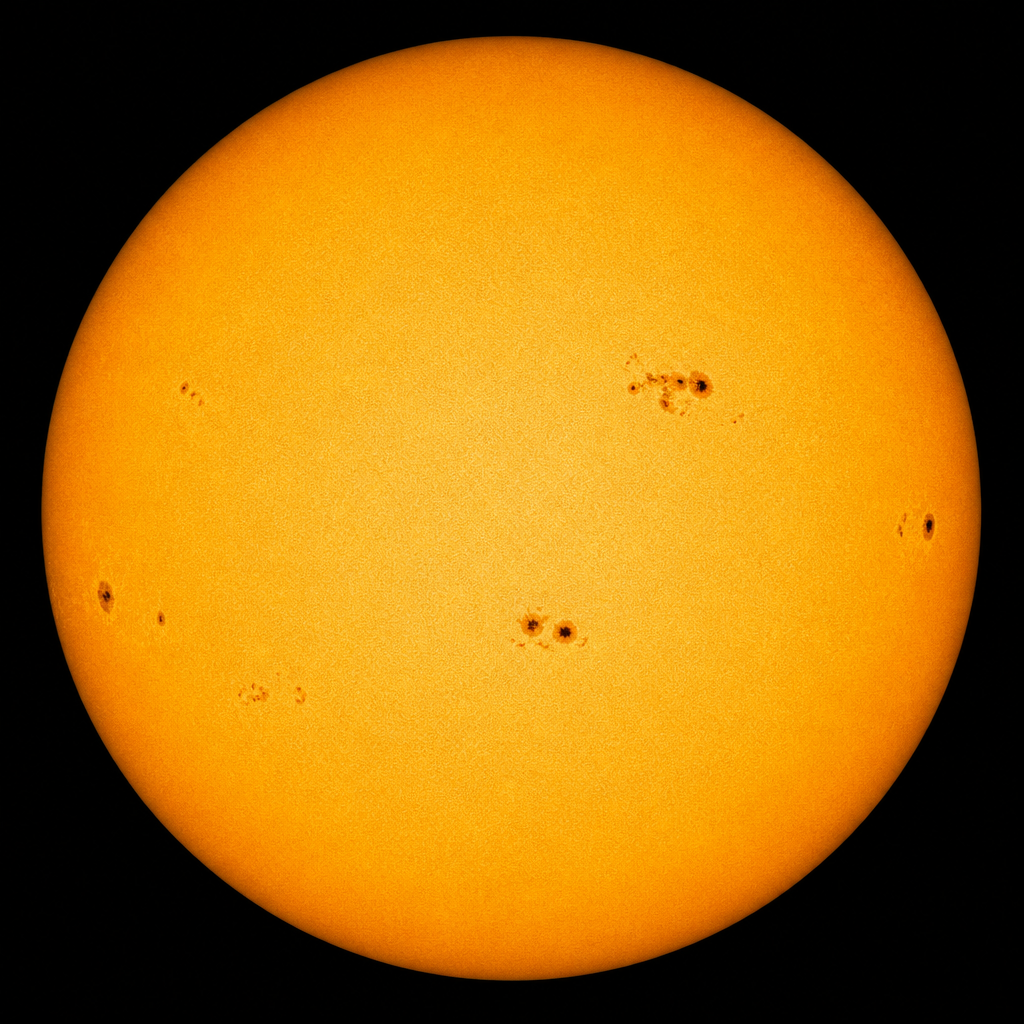
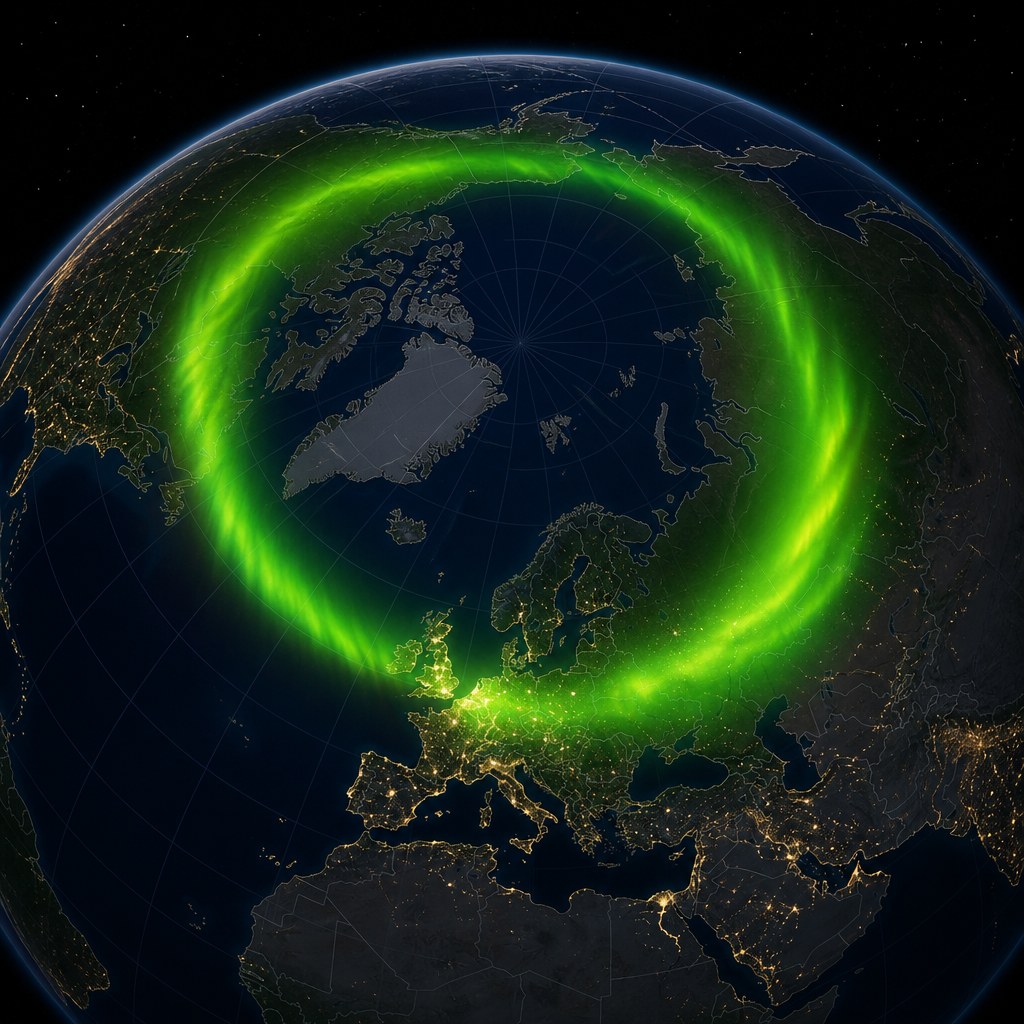
 Current Auroral Oval:
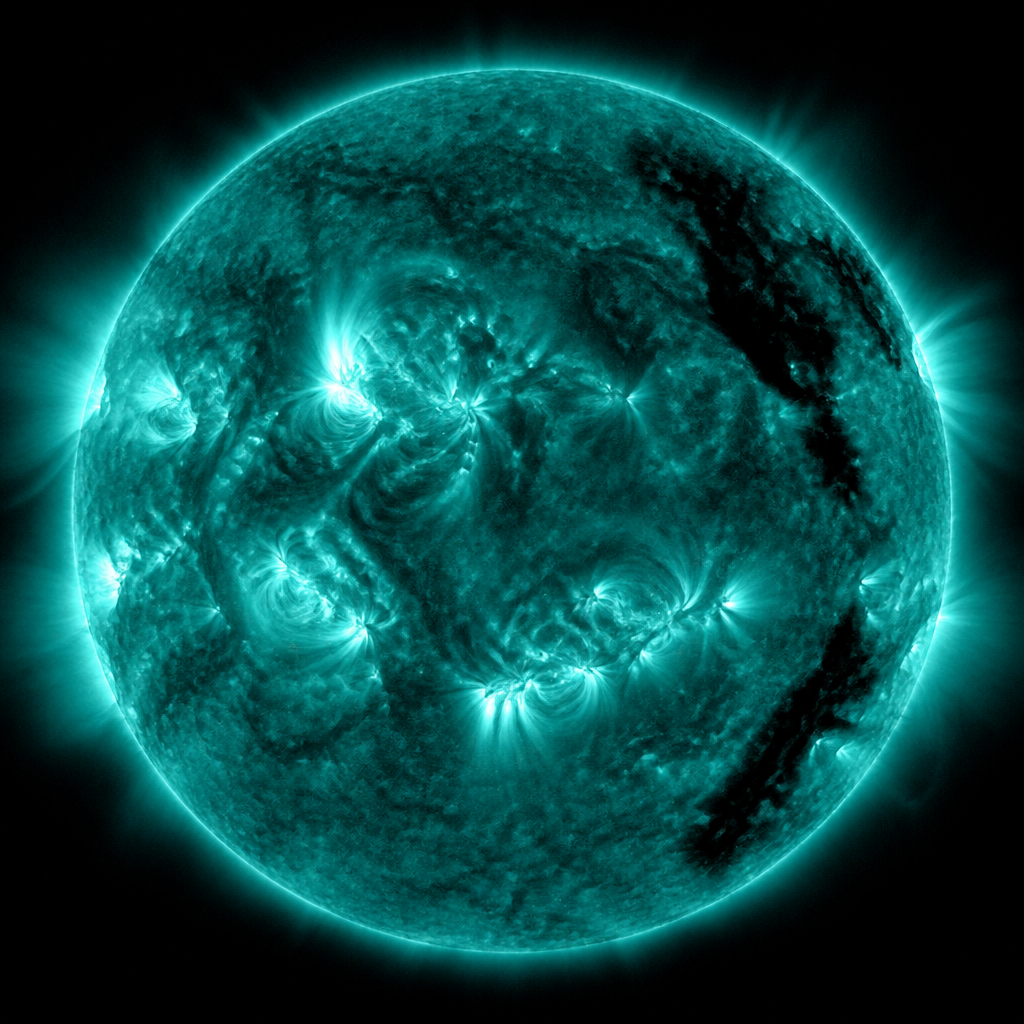


Jodrell Bank still hears the Sun when the photosphere looks boring
e-MERLIN and the site's solar-radio heritage turn Cheshire into a listening post for bursts that optical telescopes never see.
Jodrell Bank is in the public mind as a Cold War dish and a concert venue. It is also a place that has watched the radio Sun for generations. Solar radio bursts — Type II, Type III, and the rest of the taxonomy that students still memorise — are electrons and shocks advertising themselves at metre and centimetre wavelengths. Scienception still treats Cheshire as part of the space-weather observing system, not only as heritage.
A Type III burst is a fast-drift signature of electrons streaming out along magnetic field lines. It can flag that a flare has a radio-loud personality even when the X-ray class looks modest. Combined with coronagraphs, radio is how you guess whether a CME is shock-forming. Guess is still the verb. The verb is improving.
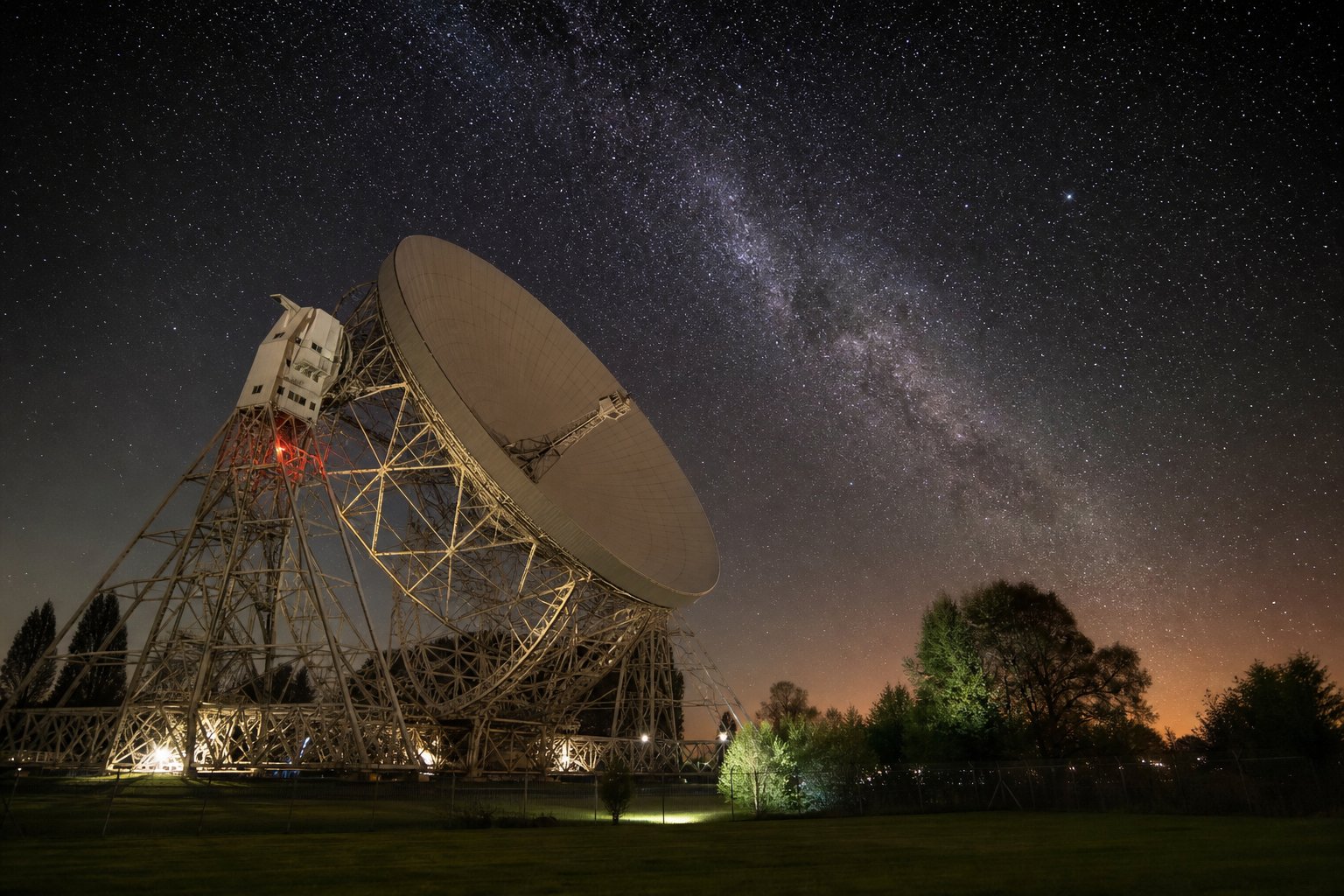
e-MERLIN, the UK's national interferometer network operated from Jodrell, is mostly a stellar and extragalactic machine. The same engineering culture supports solar and ionospheric work. A country that lets that culture thin out will still have Lovell on tea towels and no one who can debug a receiver.
A dish that taught a country to listen
Light pollution does not kill radio astronomy the way it kills Perseids. Radio-frequency interference does. Rural Cheshire is not empty of transmitters. Spectrum policy is therefore astronomy policy. Ofcom hearings are part of this beat whether the astronomy press attends or not.
Schools visiting the site should hear a burst recording, not only a list of firsts. Sound is how radio becomes human. The Sun is loud in a way the eye refuses to admit.
Optical sunspots are yesterday's news. A radio burst is the Sun talking in a language grid engineers almost never hear, and should.
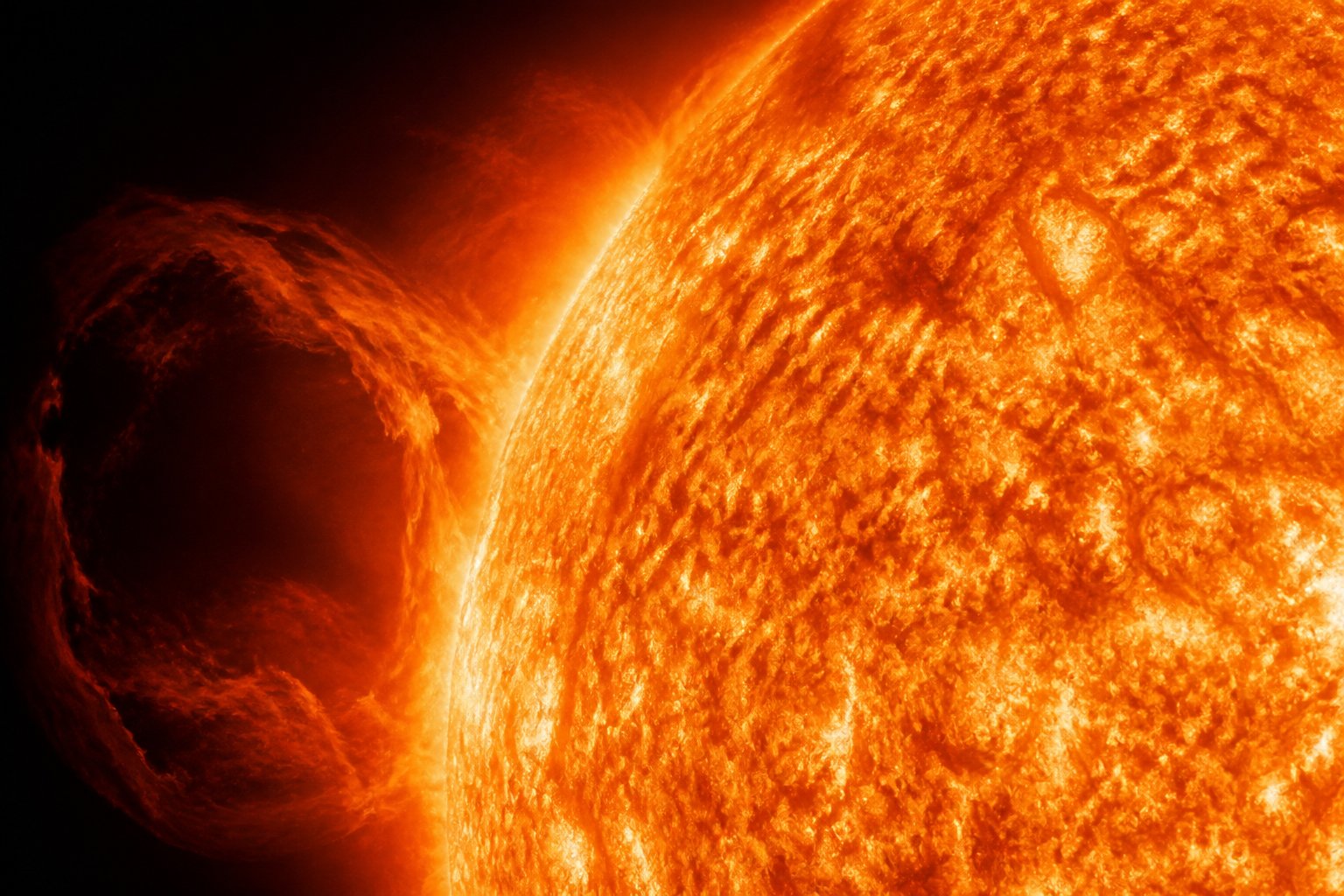
There is a forecast chain: radio burst, CME modelling, MOSWOC watch, AuroraWatch, grid desk. Jodrell is nearer the start of that chain than the end. Both ends need funding. The start is easier to cut because it looks like curiosity.
Type III bursts and the forecast chain
University of Manchester students still learn interferometry here. That skill set transfers to SKA-era work and to any future solar radio array. Lose the teaching observatory and you import the skill later at greater cost.
Scienception will print an occasional spectrogram on a quiet news day. A spectrogram is a better object than another wide-angle of the dish at sunset, though we like those too.
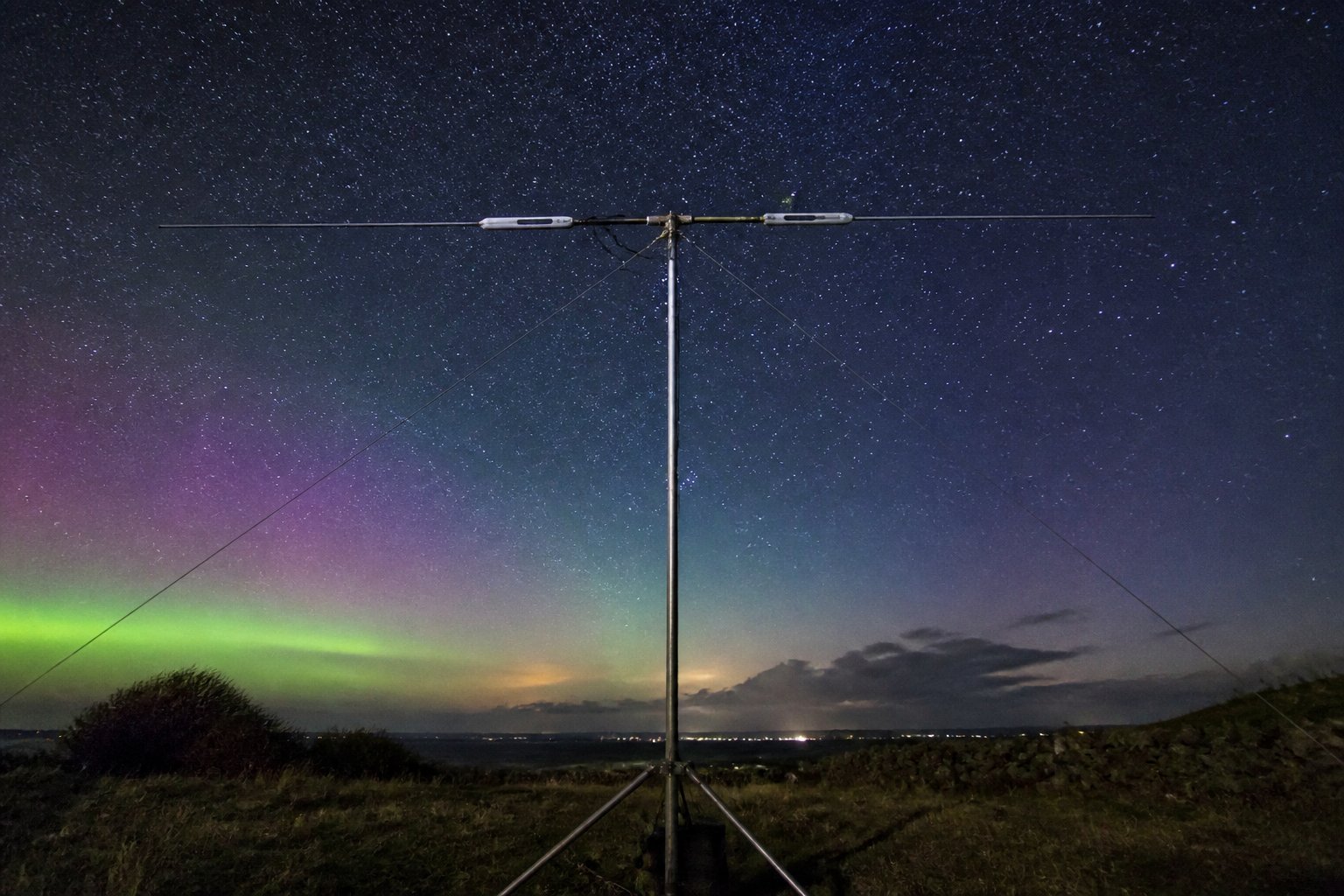
If a major burst coincides with a UK HF blackout, we will connect the paragraphs. That connection is the entire point of a space-weather newsroom.
The dish remains. The question is whether Britain still hears.
Further context for UK readers
Bernard Lovell's ghost is a tourist. The receiver engineer on a Tuesday is the science. Interview the engineer.
Type II bursts and shocks are a forecast hint, not a forecast. Hints belong in a chain with coronagraphs and models. Alone they are a noise.
RFI from rural broadband and from satellites is the local weather of a radio observatory. Ofcom is therefore a scientific body whether it likes the job or not.
School visits that only do the planetarium and skip a spectrogram have chosen entertainment. Entertainment is allowed. Do not call it the whole visit.
e-MERLIN's baseline across the UK is a national interferometer. Losing dishes is losing pupils from an eye. Say 'eye'.
A burst that coincides with a UK HF fade should be one story, not two desks. Scienception exists to be that one story.
Manchester's teaching observatory role is how SKA-era brains get made. Cut it and you will import the brains with a delay and a markup.
The dish remains photogenic. The question is whether the country still listens when the Sun shouts in radio.
How to read this on a UK science desk
What a careful UK reader should actually do with this story is slower than a social feed wants. The live wires are: Type II III bursts, RFI, e-MERLIN eye, school spectrograms, HF fade coincidence. If a paragraph does not touch one of those wires, it is probably colour. Colour is allowed. It is not a substitute for a product page at the Met Office, BGS, UKRI, ESA, the UK Space Agency, NATS, the CAA, Ofcom, UKAEA, NHS England or the laboratory named in the sources list. Scienception prints editorial snapshots on the left-hand rail so the homepage feels like a conditions desk in the old space-weather style. Those figures are not a live operational feed. If you are making a decision about aviation, the grid, a licence, a clinical pathway or a launch commit, leave this tab and go to the authority, then come back for the argument.
British geography keeps deciding supposedly global science. Magnetic latitude, Atlantic cloud, a coal switchyard, a dark-sky park, a Clyde clean room, a synchrotron on a former airfield, an ice-shelf station, a parish lighting rule: these are not decorations on jodrell bank solar radio. They decide whether a result is operational for this country or merely interesting. A model that cannot be checked against a UK sensor is tourism. A policy that cannot be walked to a protocol is speech. We will keep dragging the global noun back to a named place.
There is a records problem in the background of this beat. Time series die when programmes end, when students leave, and when a dashboard is funded instead of a person who knows a sensor's quirks. The cheap way to look modern is a new visualisation. The expensive way that works is to keep the ugly log alive. Magnetograms, ionosondes, light curves, beam-test files, trusted research environments, licence PDFs and anomaly reports are how a democracy stays in the measurement business when the solar cycle, the debris environment or a carbon budget stops being polite.
The public conversation still swings between panic and shrug. Hold two true sentences at once. A minor geomagnetic watch is not a national blackout. A stored tonne of carbon is not a groundbreaking party. A nova that has not erupted is not a failure. A satellite train is not an invasion. Scienception will keep writing as if readers can cope with a caveat, a map, a table and a link. That is the minimum adult form of UK science news, and it is the house style for this article as much as for the conditions rail.
If you work in a school, use the primary links as a single homework: open the Met Office or BGS or ESA page, write down what the official product actually says, and compare it with our kicker. If you work in a control room, steal only the method: name the sensor, name the failure mode, name the British place that would feel it. If you only wanted a picture, look at the figures, then look at the sources. The figures are illustrations. The sources are how you check us. Corrections remain info@scienception.com at Scienception LTD.
Related on Scienception: Coronal-hole streams still ruin UK amateur radio in the most educational way · Perseids over Northumberland still beat a phone screen, if the Moon allows · UKMON fireballs are turning casual streaks into orbits

