



 Current Auroral Oval:


Manchester graphene research keeps promising radiation shielding, and the caveats are the science
Two-dimensional carbon is real. A spacesuit made of it is not. The interesting work is in composites, detectors and the slow grind of fluence tests.
The University of Manchester's graphene ecosystem is a British scientific brand with a chip on its shoulder, earned in both directions: genuine two-dimensional physics, and a decade of applications that arrived slower than the headlines. Radiation shielding is one of the recurring headlines. Scienception will keep the physics and bin the superhero suit.
Energetic particles do not respect a single atomic layer. Shielding is about areal density, hydrogen content for neutrons, secondary production, and the architecture of a composite. Graphene and related carbons can be ingredients. They are not a force field.
Where the work is serious, it is in multifunctional composites: conductivity plus mechanical strength plus some attenuation, perhaps a detector layer. Multifunctional is the adult word. It means trade-offs.
A material with a public-relations problem
Beam tests at proton facilities are the gate. A paper that only simulates should be labelled as such in the first paragraph, not the last. Space-weather readers understand fluence. They should demand it in materials stories too.
Astronautics is the romantic customer. Electronics gaskets and thermal straps are the likely ones. A newsroom that only writes the romance is doing the material a disservice.
A monolayer that stops a cosmic ray in a press release will not stop one in interplanetary space.
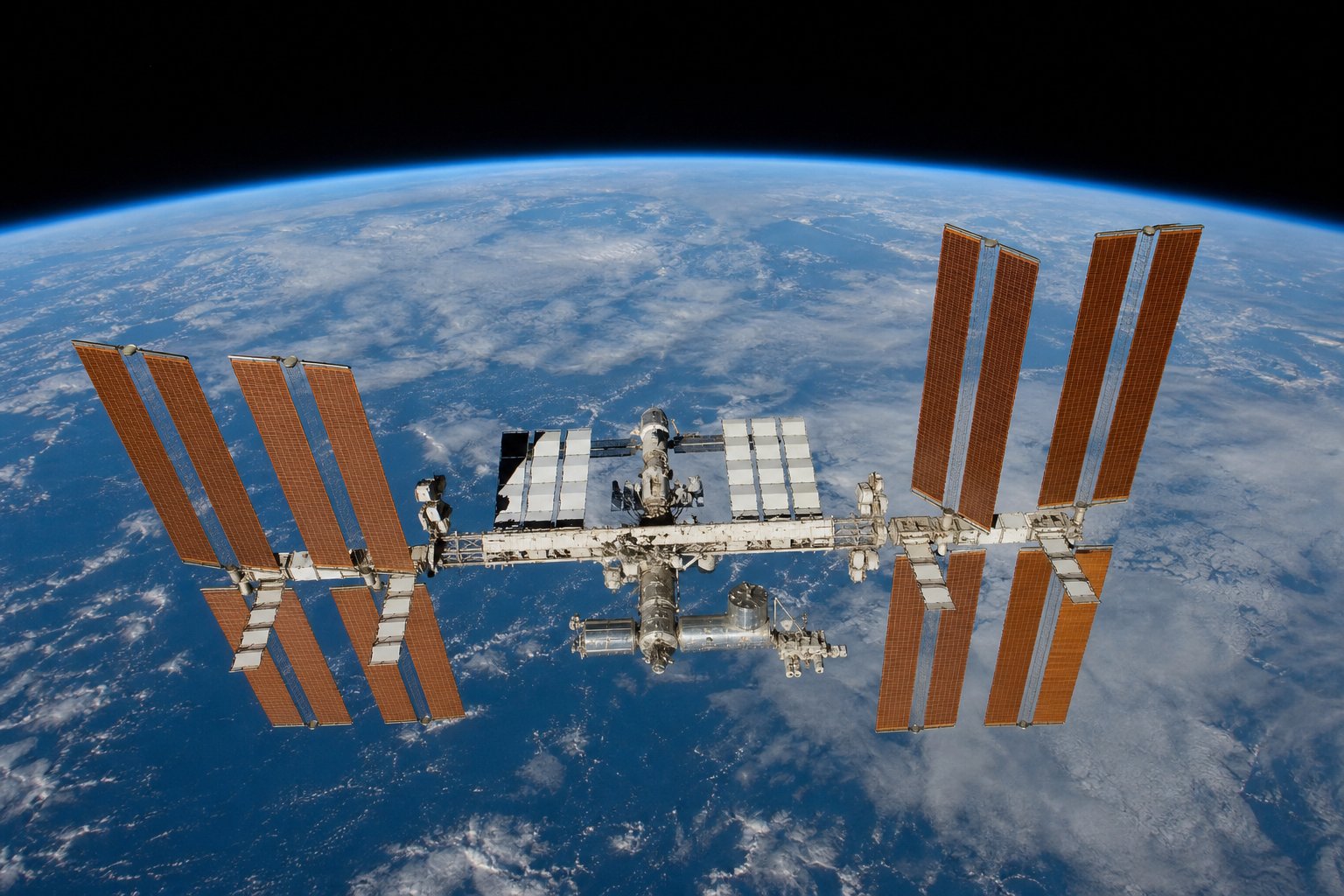
Manchester still has a concentration of 2D-materials talent that Europe envies. Protecting that does not require pretending graphene ended the solar energetic particle problem.
What a beam test is allowed to claim
Secondary particles are the cruel joke of shielding. Hit a heavy nucleus with a galactic cosmic ray and you can make a worse shower inside the cabin. Designers who forget that are not designers. Graphene does not repeal the joke.
Scienception will cover a Manchester-led composite that publishes a full radiation transport comparison. We will not cover a start-up that only has a render of a Mars habitat.
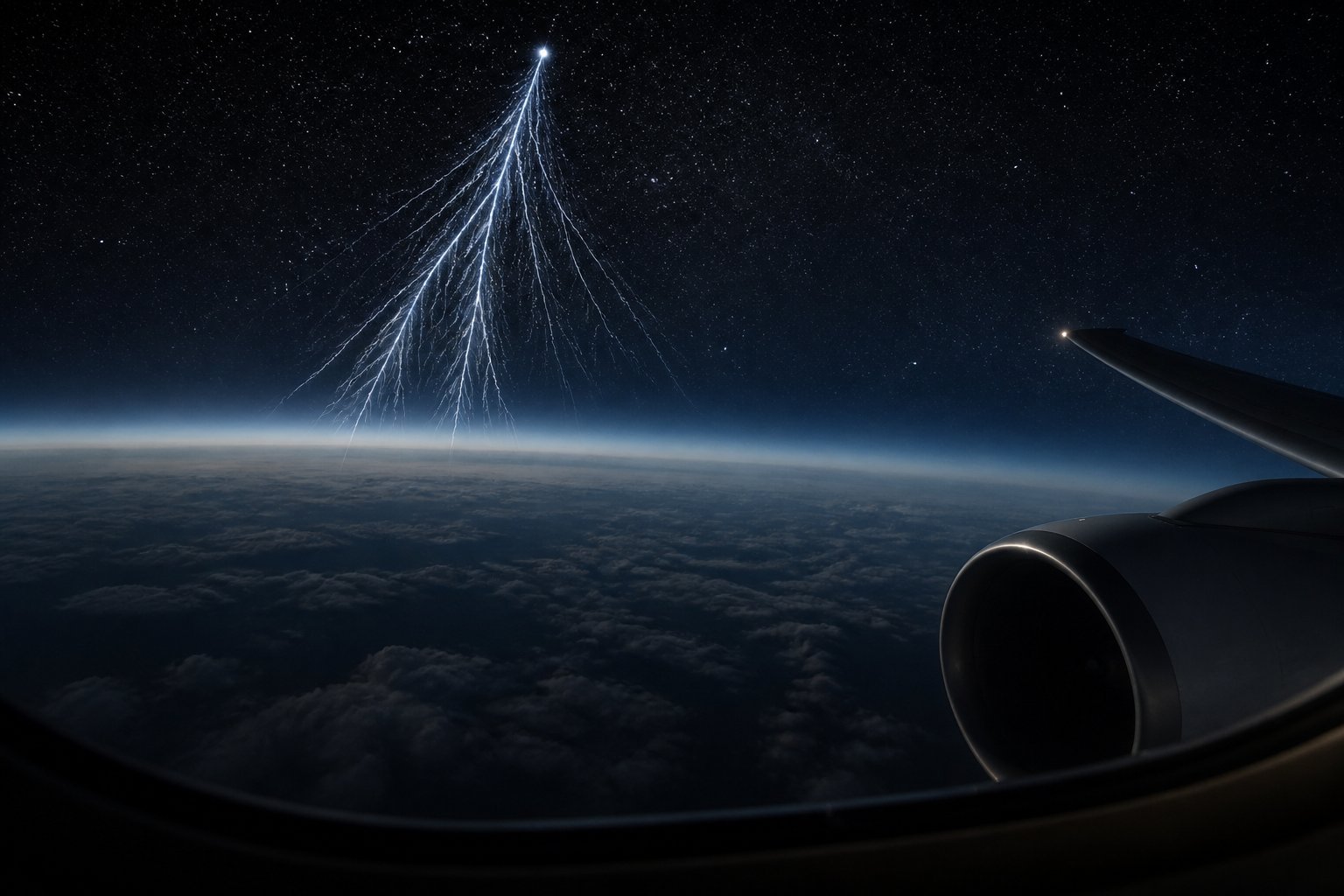
Students should learn graphene as condensed-matter physics first. Applications are a maybe. Maybes still employ people. They should not set a national space policy.
The Sun will keep sending protons. Carbon will keep being clever. The sentence that connects them has to be earned in a beamline.
Further context for UK readers
Nobel-era graphite-in-Scotch-tape stories are true and insufficient. Applications live in composites, inks and slow tests. The hangover from over-claiming is part of the Manchester story and should be told without glee.
Areal density still rules shielding. Magic monolayers do not. Anyone who says otherwise is selling a force field.
Beamtime is the gate. A simulation-only shielding paper should wear a badge that says so in paragraph one.
Astronautics is the romantic customer. Thermal straps and EMI gaskets are the likely ones. Write the likely ones first.
Secondary showers from heavy nuclei are the cruel joke. Graphene does not repeal nuclear physics. Designers who forget secondaries are not designers.
Scienception will wait for a transport comparison. Renders of habitats can wait in the queue behind the comparison.
Teach graphene as condensed matter. Then, maybe, as a space material. The order keeps a national institute honest.
Protons will keep coming. Carbon will keep being clever. The connecting sentence must be earned in a beamline, not in a headline.
How to read this on a UK science desk
What a careful UK reader should actually do with this story is slower than a social feed wants. The live wires are: areal density, beamtime badge, secondaries, gaskets not habitats, condensed matter first. If a paragraph does not touch one of those wires, it is probably colour. Colour is allowed. It is not a substitute for a product page at the Met Office, BGS, UKRI, ESA, the UK Space Agency, NATS, the CAA, Ofcom, UKAEA, NHS England or the laboratory named in the sources list. Scienception prints editorial snapshots on the left-hand rail so the homepage feels like a conditions desk in the old space-weather style. Those figures are not a live operational feed. If you are making a decision about aviation, the grid, a licence, a clinical pathway or a launch commit, leave this tab and go to the authority, then come back for the argument.
British geography keeps deciding supposedly global science. Magnetic latitude, Atlantic cloud, a coal switchyard, a dark-sky park, a Clyde clean room, a synchrotron on a former airfield, an ice-shelf station, a parish lighting rule: these are not decorations on graphene manchester radiation shielding. They decide whether a result is operational for this country or merely interesting. A model that cannot be checked against a UK sensor is tourism. A policy that cannot be walked to a protocol is speech. We will keep dragging the global noun back to a named place.
There is a records problem in the background of this beat. Time series die when programmes end, when students leave, and when a dashboard is funded instead of a person who knows a sensor's quirks. The cheap way to look modern is a new visualisation. The expensive way that works is to keep the ugly log alive. Magnetograms, ionosondes, light curves, beam-test files, trusted research environments, licence PDFs and anomaly reports are how a democracy stays in the measurement business when the solar cycle, the debris environment or a carbon budget stops being polite.
The public conversation still swings between panic and shrug. Hold two true sentences at once. A minor geomagnetic watch is not a national blackout. A stored tonne of carbon is not a groundbreaking party. A nova that has not erupted is not a failure. A satellite train is not an invasion. Scienception will keep writing as if readers can cope with a caveat, a map, a table and a link. That is the minimum adult form of UK science news, and it is the house style for this article as much as for the conditions rail.
If you work in a school, use the primary links as a single homework: open the Met Office or BGS or ESA page, write down what the official product actually says, and compare it with our kicker. If you work in a control room, steal only the method: name the sensor, name the failure mode, name the British place that would feel it. If you only wanted a picture, look at the figures, then look at the sources. The figures are illustrations. The sources are how you check us. Corrections remain info@scienception.com at Scienception LTD.
Manchester's graphene story is old enough to have a hangover and still young enough to have a beamline. Areal density, hydrogen content and secondary showers remain the physics. A monolayer in a press release remains a force field. Scienception will keep the National Graphene Institute in the radiation paragraph only when a fluence is published, because protons do not read headlines.
Related on Scienception: SWIMMR is the quiet programme that taught Britain to model storms · RAL Space still builds the UK's eyes on the solar wind · Ariel is the UK's next long stare at other atmospheres

