



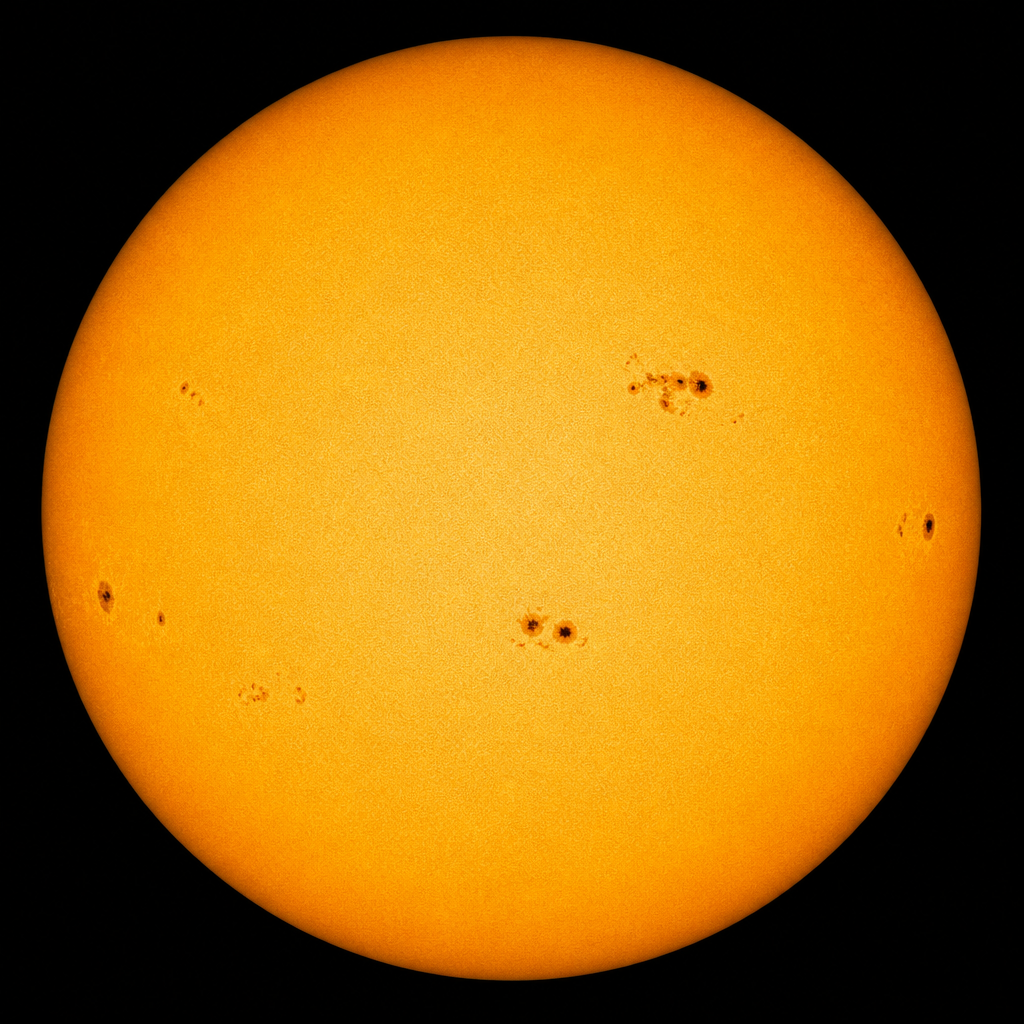
 Current Auroral Oval:
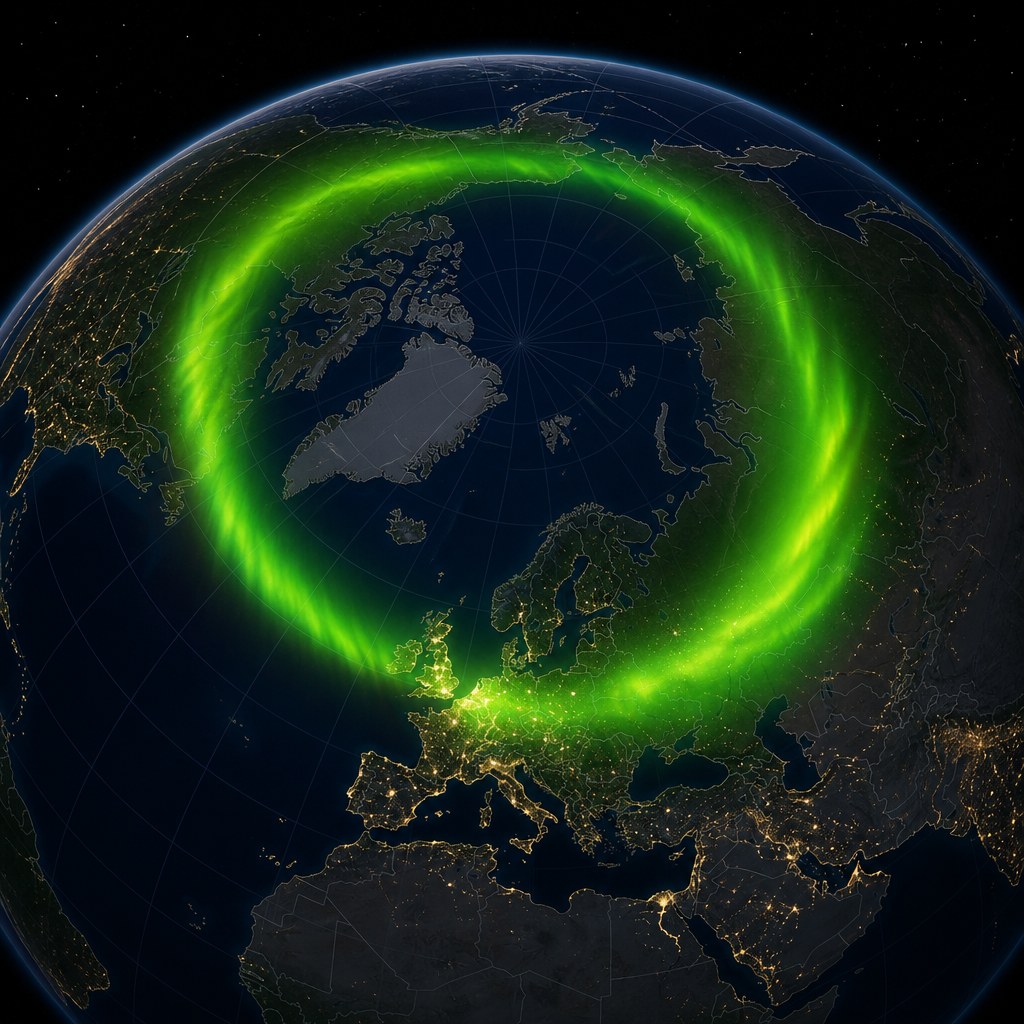
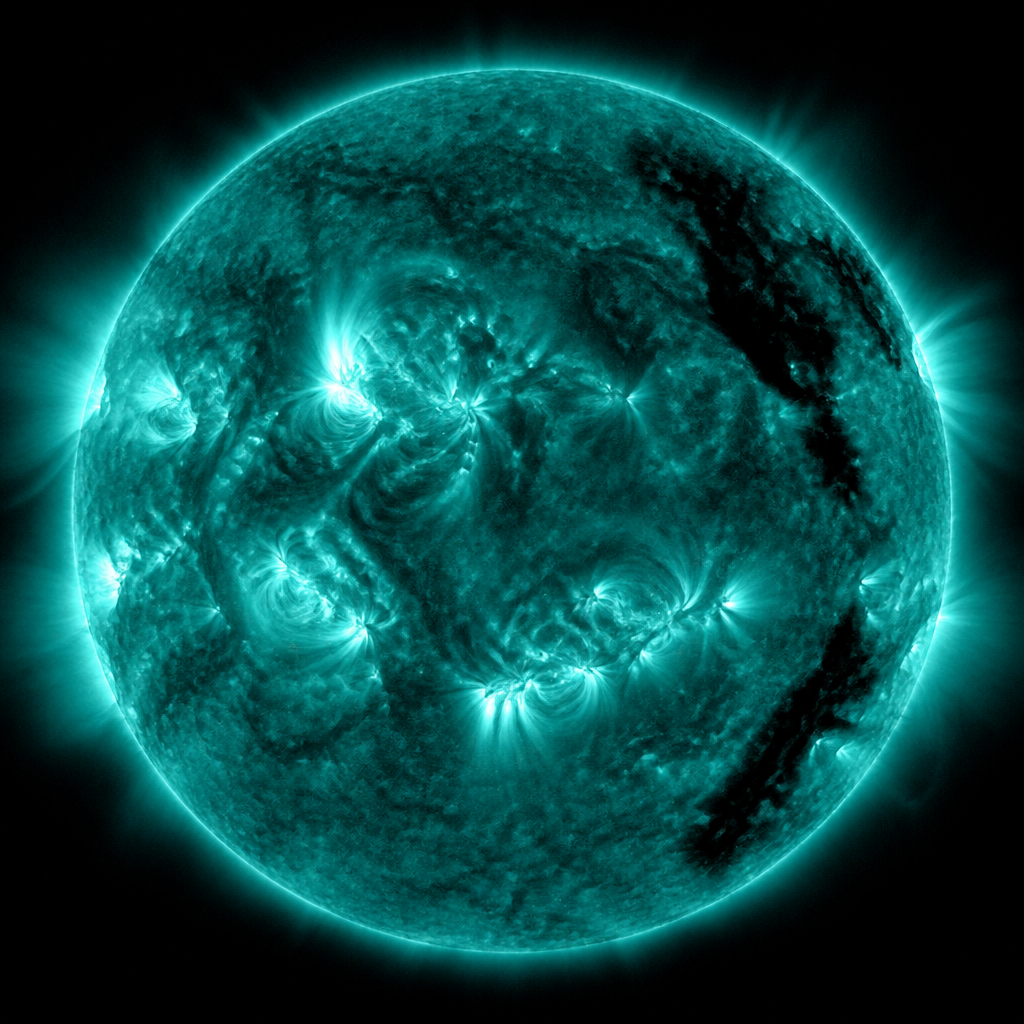


The Faraday Institution is now part of the satellite power-system story
Battery science funded for cars is leaking, usefully, into orbits where the Sun keeps switching the lights off.
The Faraday Institution was built to make Britain serious about batteries, chiefly for vehicles and the grid. Sitting in a space newsroom, we keep finding its fingerprints on orbital power systems anyway. Low Earth orbit is a brutal charge-discharge commute: sunlight, shadow, sunlight, shadow. Cells that gas, crack, or lose capacity in the cold will kill a mission as surely as a radiation latch-up. Scienception treats electrochemistry as flight hardware.
Space-qualified cells are conservative, expensive, and sometimes a generation behind the car industry's energy density. The gap is not stupidity. It is qualification. A thermal runaway in a family car is a disaster. A thermal runaway in a satellite is also a disaster, with fewer fire engines.
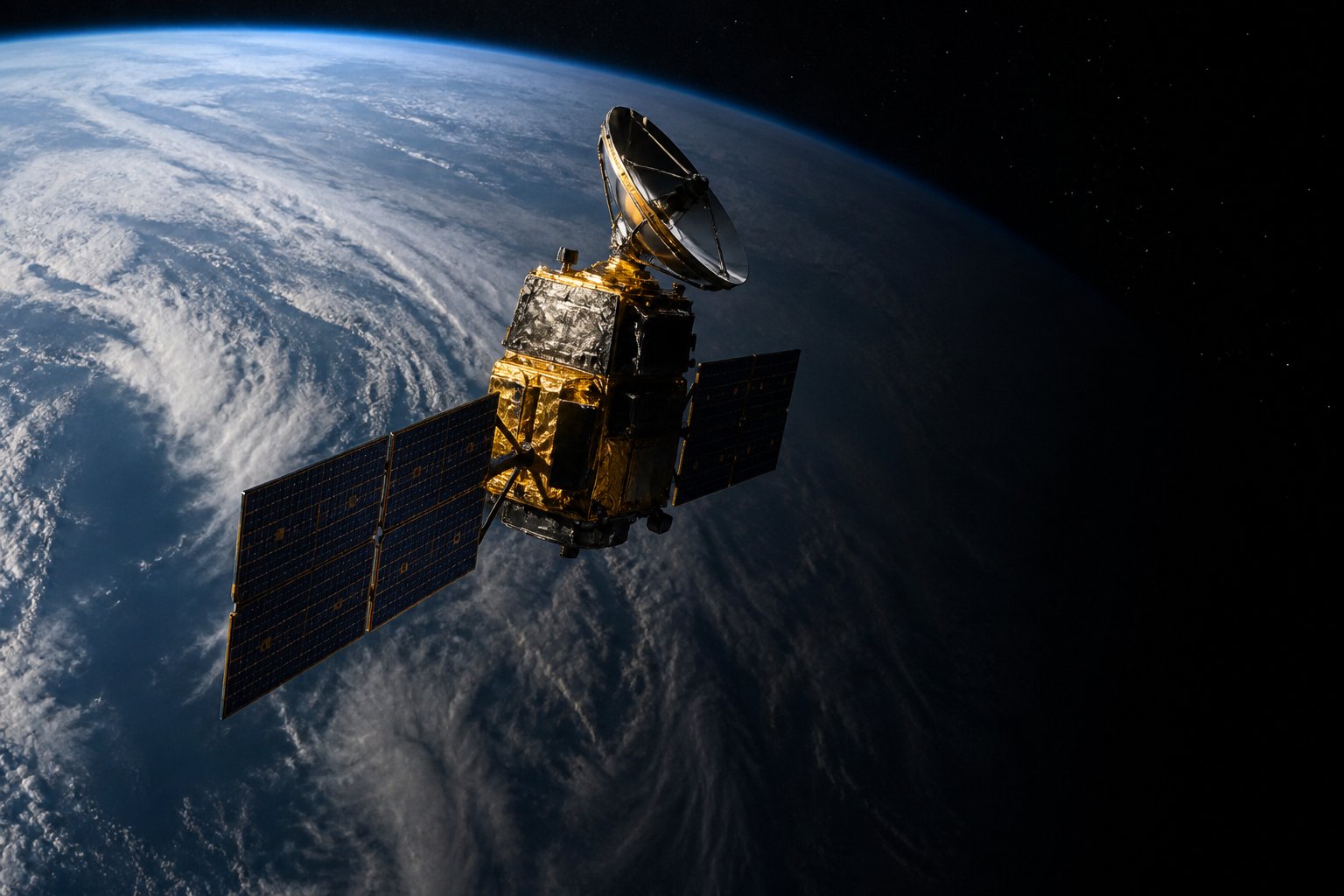
UK groups working on lithium-ion, sodium-ion and solid-state chemistries occasionally spin a space application because vacuum, radiation and thermal extremes are a prestigious torture test. Prestigious torture tests that do not fly are still papers. The interesting ones fly.
Eclipse is a charge cycle with no motorway services
Solar maximum complicates the picture. Higher drag, more radiation, more heating in some attitudes. Power-system margins that looked fine at solar minimum look rude at maximum. Battery models should include the cycle the Sun is in. Many student cubesat spreadsheets do not.
There is a recycling and critical-minerals politics that space does not escape. A responsible newsroom can mention cobalt without becoming a different magazine. Short version: do not pretend a constellation is immaterial.
Cars can stop. Satellites have to take the eclipse.
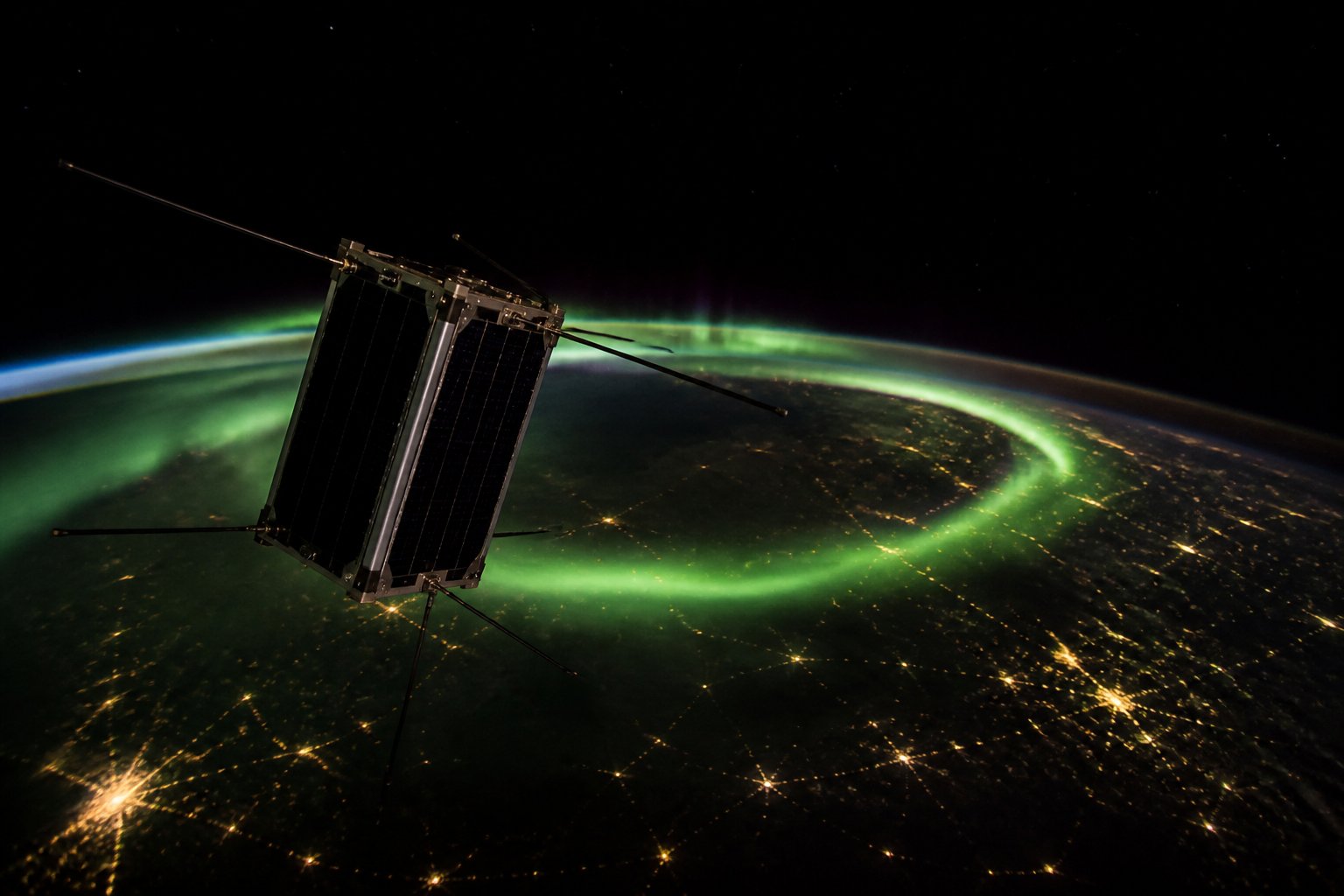
Collaboration between Faraday researchers and satellite manufacturers is still too much a coincidence of conferences. A structured programme would be industrial strategy. We are not allergic to that phrase when it means test data.
What space still cannot borrow from the car industry
Scienception will cover a British cell that survives a documented radiation and thermal campaign. We will not cover a 'space battery' that means a slide.
If you teach engineering, an eclipse-season power budget is a kinder introduction to orbital mechanics than another two-body-problem cartoon. Students feel the darkness.
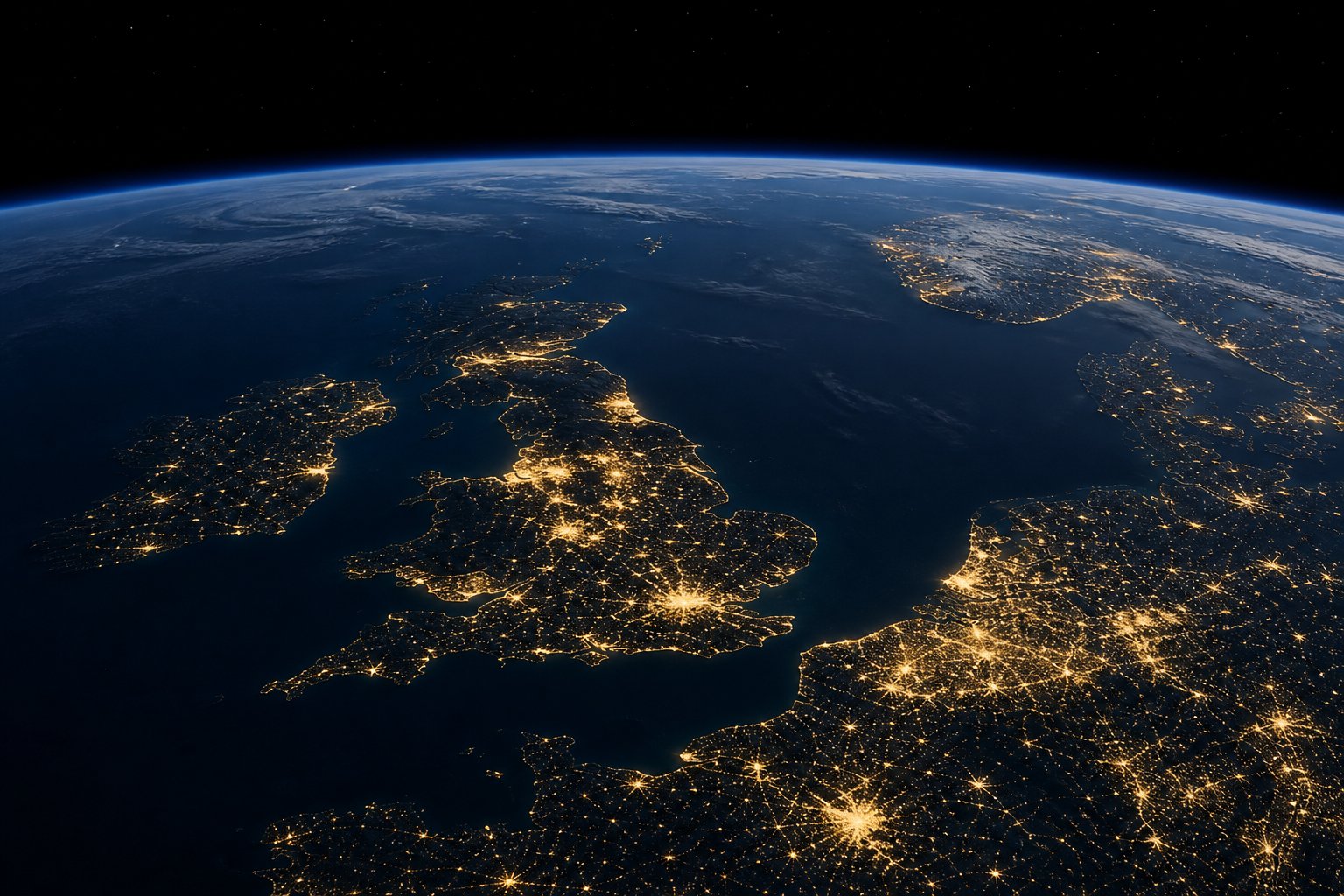
Grid-scale storage and orbital storage are different products with a shared science base. The Institution's bet was the science base. Space is a customer that showed up early.
The Sun is a power station that keeps shutting the gate. Batteries are how you live with that personality.
Further context for UK readers
Eclipse season is a charge-cycle commute with no services on the M25. Cells that hate the cold will confess in orbit. Listen on the ground first.
Qualification is why space cells look old-fashioned. Old-fashioned and alive beats dense and dead. The Faraday Institution can still shorten that gap if it funds the torture tests.
Student cubesat spreadsheets that ignore solar-cycle heating are fiction. Make F10.7 a cell in the sheet. That is pedagogy.
Critical minerals are a politics space does not escape. A constellation is not immaterial. Say the word cobalt without becoming a different magazine, then return to the eclipse.
A structured Faraday-to-orbit programme would be industrial strategy with a thermal vacuum chamber. Conferences are not a programme.
Scienception will cover a British cell with a radiation-and-thermal paper. We will not cover a slide labelled 'space'.
Grid storage and orbital storage share science and split products. That split is allowed. The shared science is the Institution's bet.
The Sun shuts the gate every ninety minutes in LEO. Batteries are manners for that personality.
How to read this on a UK science desk
What a careful UK reader should actually do with this story is slower than a social feed wants. The live wires are: eclipse commute, qualification conservatism, F10.7 in the spreadsheet, cobalt, thermal vacuum. If a paragraph does not touch one of those wires, it is probably colour. Colour is allowed. It is not a substitute for a product page at the Met Office, BGS, UKRI, ESA, the UK Space Agency, NATS, the CAA, Ofcom, UKAEA, NHS England or the laboratory named in the sources list. Scienception prints editorial snapshots on the left-hand rail so the homepage feels like a conditions desk in the old space-weather style. Those figures are not a live operational feed. If you are making a decision about aviation, the grid, a licence, a clinical pathway or a launch commit, leave this tab and go to the authority, then come back for the argument.
British geography keeps deciding supposedly global science. Magnetic latitude, Atlantic cloud, a coal switchyard, a dark-sky park, a Clyde clean room, a synchrotron on a former airfield, an ice-shelf station, a parish lighting rule: these are not decorations on faraday institution satellite batteries. They decide whether a result is operational for this country or merely interesting. A model that cannot be checked against a UK sensor is tourism. A policy that cannot be walked to a protocol is speech. We will keep dragging the global noun back to a named place.
There is a records problem in the background of this beat. Time series die when programmes end, when students leave, and when a dashboard is funded instead of a person who knows a sensor's quirks. The cheap way to look modern is a new visualisation. The expensive way that works is to keep the ugly log alive. Magnetograms, ionosondes, light curves, beam-test files, trusted research environments, licence PDFs and anomaly reports are how a democracy stays in the measurement business when the solar cycle, the debris environment or a carbon budget stops being polite.
The public conversation still swings between panic and shrug. Hold two true sentences at once. A minor geomagnetic watch is not a national blackout. A stored tonne of carbon is not a groundbreaking party. A nova that has not erupted is not a failure. A satellite train is not an invasion. Scienception will keep writing as if readers can cope with a caveat, a map, a table and a link. That is the minimum adult form of UK science news, and it is the house style for this article as much as for the conditions rail.
If you work in a school, use the primary links as a single homework: open the Met Office or BGS or ESA page, write down what the official product actually says, and compare it with our kicker. If you work in a control room, steal only the method: name the sensor, name the failure mode, name the British place that would feel it. If you only wanted a picture, look at the figures, then look at the sources. The figures are illustrations. The sources are how you check us. Corrections remain info@scienception.com at Scienception LTD.
Related on Scienception: Spaceport Cornwall is still a science story about horizontal payloads, not a postcard of a runway · Saxavord's latitude is a launch asset and a space-weather classroom · Glasgow's smallsat factories now sell radiation hardness as a feature

