



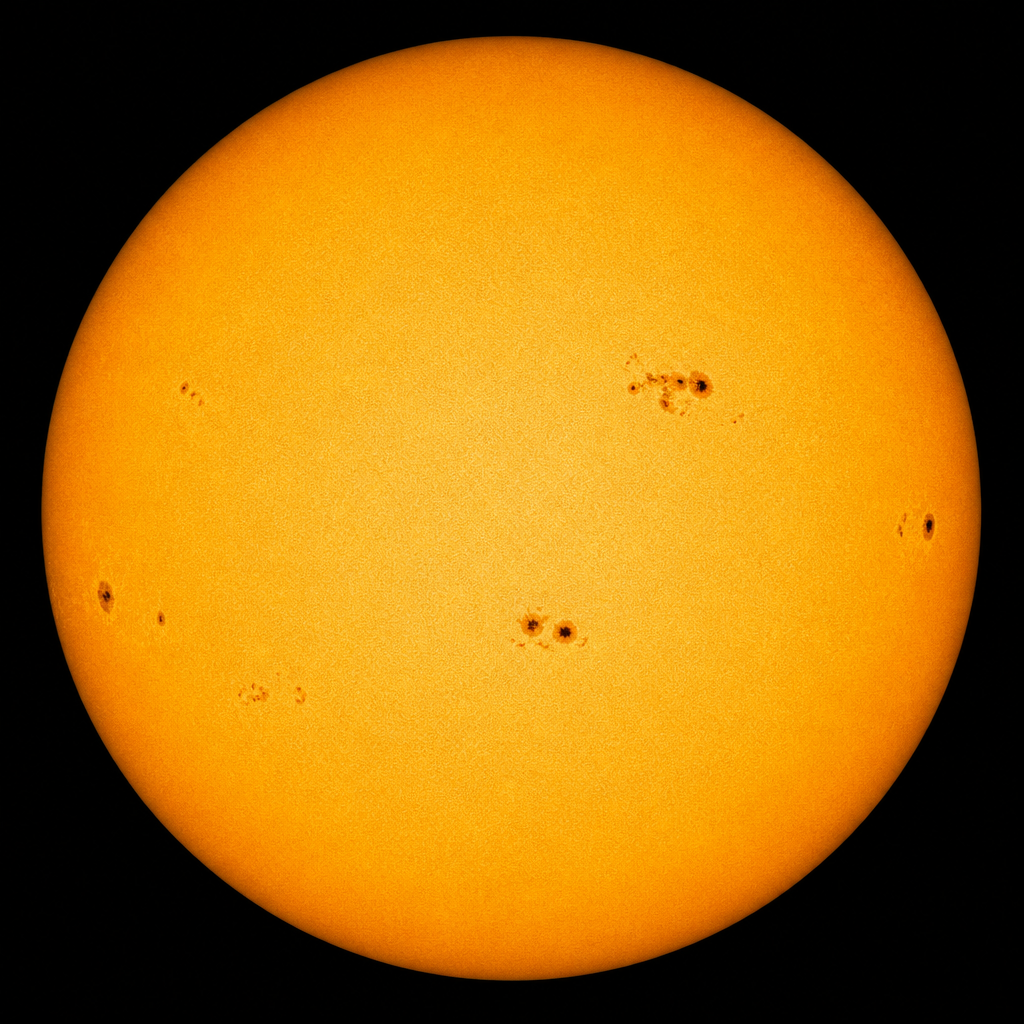
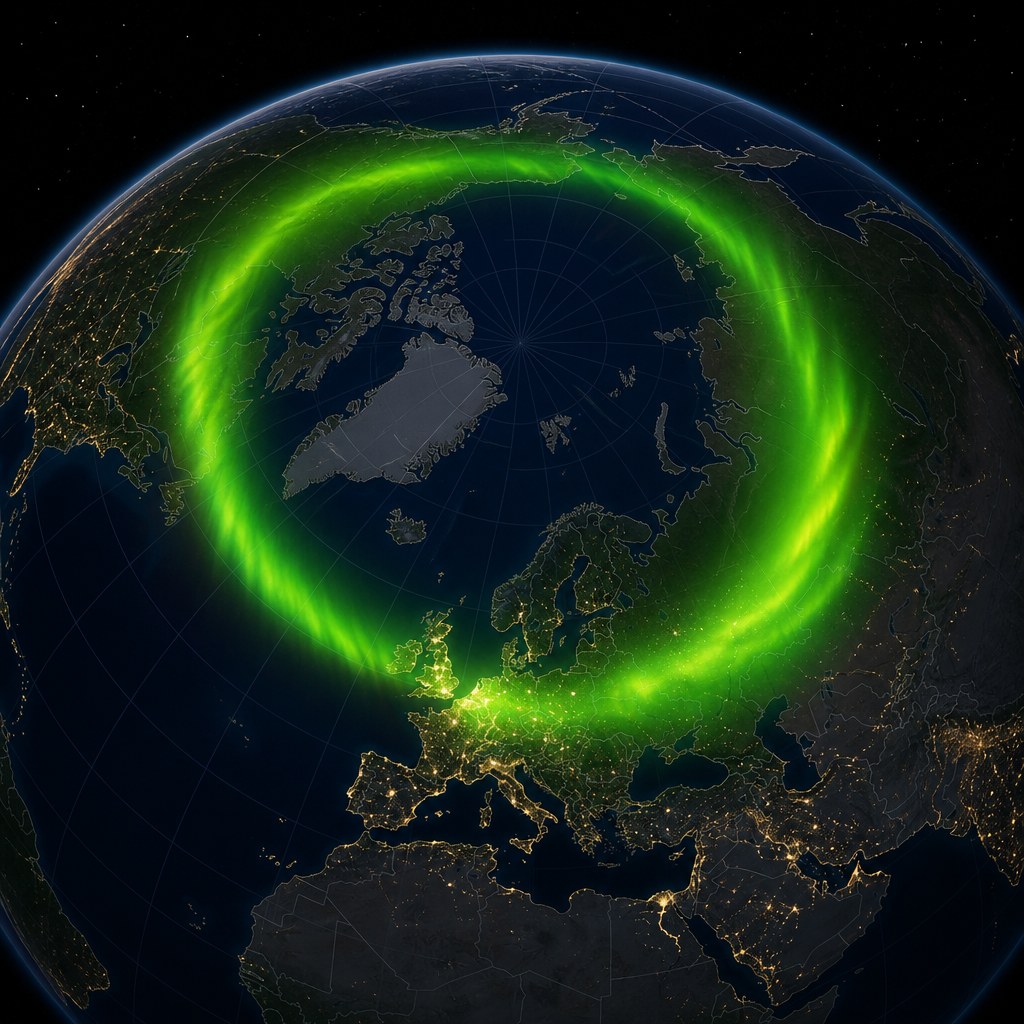
 Current Auroral Oval:


The Francis Crick Institute is where spaceflight biology meets a London bench
Human physiology in microgravity and radiation is not only a Houston story. London's biomedical cluster has started asking orbital questions with terrestrial tools.
The Francis Crick Institute was not founded to staff a space station. It was founded to do biomedical science at a density London had not tried. Inevitably, some of that science now brushes spaceflight: immune dysregulation, bone loss, cancer risk, and the DNA damage tracks that heavy ions leave. Scienception is a space-weather publication with a biology beat because solar energetic particles and galactic cosmic rays are occupational and exploration hazards, not only satellite hazards.
Microgravity and radiation are routinely muddled in popular copy. They are separable. Flight experiments that cannot separate them are still useful and should not over-claim mechanism. Ground beamlines that mimic parts of the space spectrum are how you hunt mechanism. The Crick's neighbourhood includes people who understand both cells and tracks.
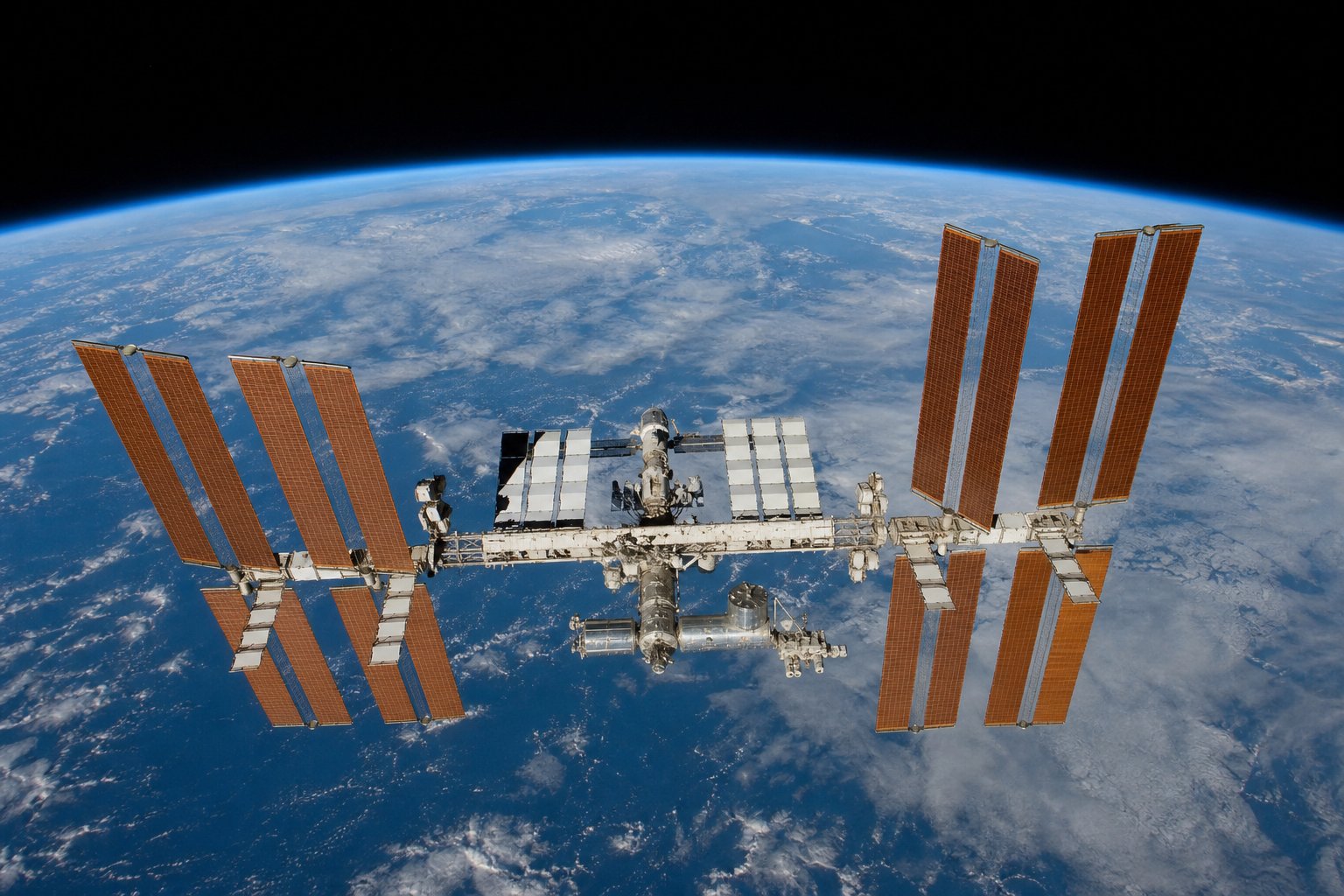
UK involvement in ESA exploration biology is smaller than the rhetoric. It can still be excellent. Excellence looks like a dataset, not a photograph of a minister in a mock habitat.
Bones, immune systems and a city of labs
Ethics boards will see more analogue and rodent proposals. They should be as strict as terrestrial work. Space does not confer moral glamour.
For readers who will never leave Surrey, the crossover is cancer radiotherapy physics and occupational dose. Space is the extreme case that keeps the models honest.
A mouse in orbit is a headline. A mechanistic paper on DNA damage is the result.
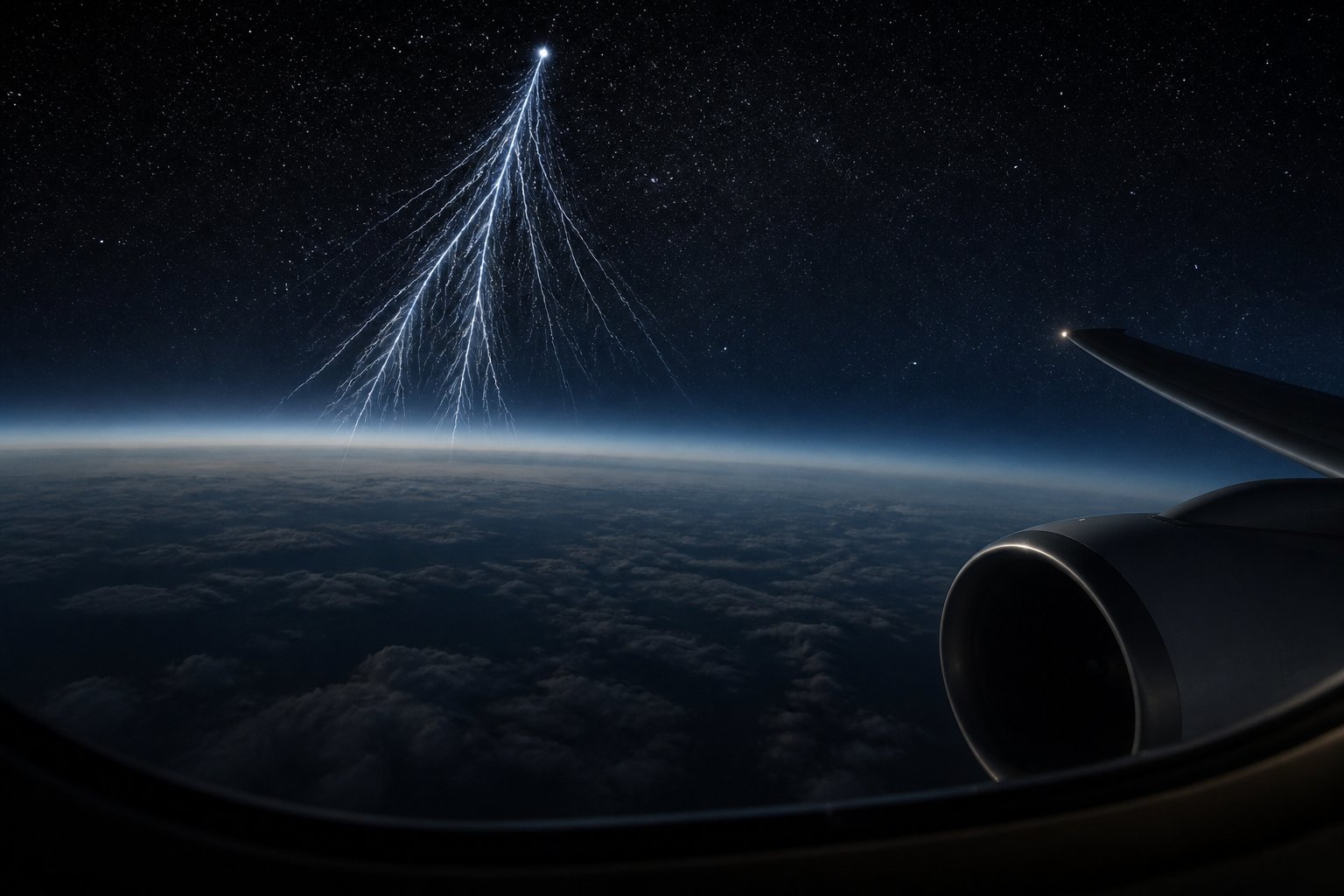
There is a talent story. Biomedical scientists who can talk to radiation physicists are rare. Campuses that force the conversation are worth the architecture prizes.
Radiation as a biomedical space-weather problem
Scienception will not suggest that a G1 storm is a public-health event for pedestrians. We will suggest that a solar particle event is a health-physics event for a polar flight and for a future crew. Keep the populations straight.
If the Crick publishes on DNA repair after high-LET exposure, we will read past the press title. High-LET is the point.
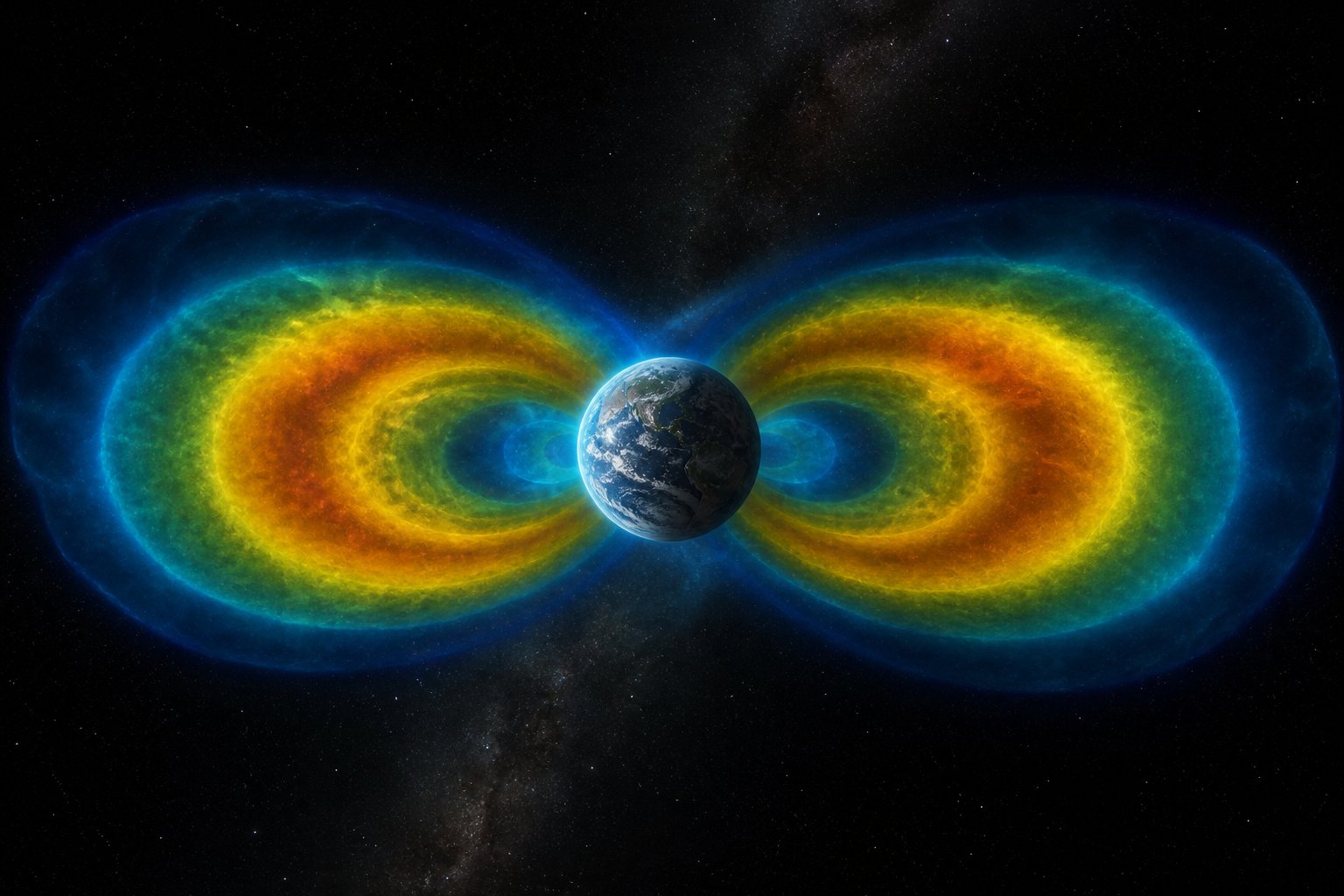
Britain cannot buy a space station. It can buy clarity about what radiation does to tissue. That is a sovereign biomedical skill.
Physiology in flight is slow, expensive and necessary if humans keep leaving. London's benches are allowed to be part of the necessary.
Further context for UK readers
London can do space biology without a station if it is honest about analogues and beams. Honesty is the scarce reagent.
Microgravity and radiation must not share a villain costume. Split them in the method or do not claim a mechanism.
Ethics for analogue astronauts and rodents should be as dull and strict as terrestrial work. Space is not a carnival exemption.
High-LET tracks are the point of some Crick-adjacent questions. If the press title hides LET, the press title is wrong.
A G1 storm is not a pedestrian health event. A solar particle event can be a crew and polar-flight health-physics event. Keep the populations in different sentences.
Interdisciplinary people who speak cell and track are rare. Architecture that forces the conversation is worth more than a space-themed carpet.
Scienception will read past the headline to the LET. Readers can handle LET if we define it once.
Britain cannot buy a station. It can buy clarity about tissue and tracks. That is a sovereign skill.
How to read this on a UK science desk
What a careful UK reader should actually do with this story is slower than a social feed wants. The live wires are: LET tracks, split microgravity, ethics, polar-flight populations, benches not stations. If a paragraph does not touch one of those wires, it is probably colour. Colour is allowed. It is not a substitute for a product page at the Met Office, BGS, UKRI, ESA, the UK Space Agency, NATS, the CAA, Ofcom, UKAEA, NHS England or the laboratory named in the sources list. Scienception prints editorial snapshots on the left-hand rail so the homepage feels like a conditions desk in the old space-weather style. Those figures are not a live operational feed. If you are making a decision about aviation, the grid, a licence, a clinical pathway or a launch commit, leave this tab and go to the authority, then come back for the argument.
British geography keeps deciding supposedly global science. Magnetic latitude, Atlantic cloud, a coal switchyard, a dark-sky park, a Clyde clean room, a synchrotron on a former airfield, an ice-shelf station, a parish lighting rule: these are not decorations on francis crick spaceflight physiology. They decide whether a result is operational for this country or merely interesting. A model that cannot be checked against a UK sensor is tourism. A policy that cannot be walked to a protocol is speech. We will keep dragging the global noun back to a named place.
There is a records problem in the background of this beat. Time series die when programmes end, when students leave, and when a dashboard is funded instead of a person who knows a sensor's quirks. The cheap way to look modern is a new visualisation. The expensive way that works is to keep the ugly log alive. Magnetograms, ionosondes, light curves, beam-test files, trusted research environments, licence PDFs and anomaly reports are how a democracy stays in the measurement business when the solar cycle, the debris environment or a carbon budget stops being polite.
The public conversation still swings between panic and shrug. Hold two true sentences at once. A minor geomagnetic watch is not a national blackout. A stored tonne of carbon is not a groundbreaking party. A nova that has not erupted is not a failure. A satellite train is not an invasion. Scienception will keep writing as if readers can cope with a caveat, a map, a table and a link. That is the minimum adult form of UK science news, and it is the house style for this article as much as for the conditions rail.
If you work in a school, use the primary links as a single homework: open the Met Office or BGS or ESA page, write down what the official product actually says, and compare it with our kicker. If you work in a control room, steal only the method: name the sensor, name the failure mode, name the British place that would feel it. If you only wanted a picture, look at the figures, then look at the sources. The figures are illustrations. The sources are how you check us. Corrections remain info@scienception.com at Scienception LTD.
London does not need a mock habitat in the atrium to do this science. It needs beamtime, ethics minutes, and a refusal to let 'space' become a carnival exemption from the rules that govern tissue. Polar-flight crews and future exploration crews are different populations; a G1 watch still is not a pedestrian health event. Keep those sentences apart and the Crick's benches remain a legitimate part of a space-weather-adjacent newsroom.
Related on Scienception: Cosmic-ray dose on UK long-haul crews is a space-weather story with a union angle · Genomics England still shows how a national dataset becomes a scientific instrument · G1 watch puts Shetland and Northern Ireland on aurora alert

